
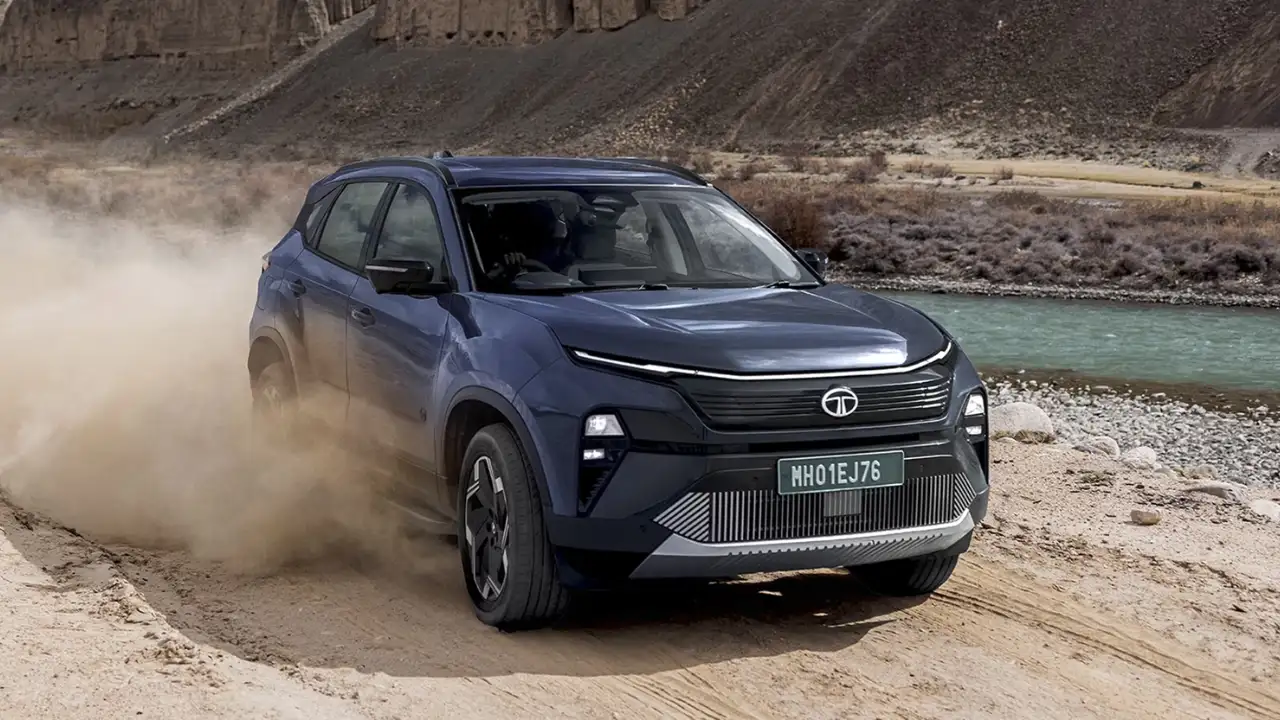
India’s Electric Revolution 2025 : The electric vehicles tipping point for India is yet to be a year away in 2025. While dumping an EV into a cloud will be seen as a futuristic prediction, in contemporary times, that is the only choice one has. The three powerhouses of the automobile industry-Tata Motors, MG Motors, and BYD- are driving trade towards a new EV revolution in the Indian market. Government measures to kick-start electric mobility, incredible developments in battery technologies, and rapidly increasing charging networks have brought the Indian EV market to heights not previously seen.
The Meritorious Tata Motors Leading Ahead in the Indian Electric Revolution
Tata Motors just created a strong opening into the Indian marketplace for electric vehicles. The Nexon, Tigor, and Punch EVs have been huge successes. Tata Motors has developed two more vehicles for launch by 2025: the Tata Curvv EV and Harrier EV. Because of their long ranges, strong construction qualities, and reasonable prices, Tata EVs have made their way into the highly appealing market space. The company is pursuing aggressive work on its own charging network, enabling easy charging for EVs in major cities as well as small ones.
MG Motors A Clash of Style and Technology
Now, it is with the electric ZS that MG is stepping into the Indian EV game, while by 2025, it is also supposed to bring two more “meaningful” options into India-the MG 4 EV and Comet EV Long Range Edition. MG is style and technology and says that it brings something more advanced in its EVs, with most, if not all, featuring smart connected systems, AI driving assists, and fast charging. MG is marketing EVs in India as a “premium yet affordable” offering, which is targeting youth as well as urban buyers.
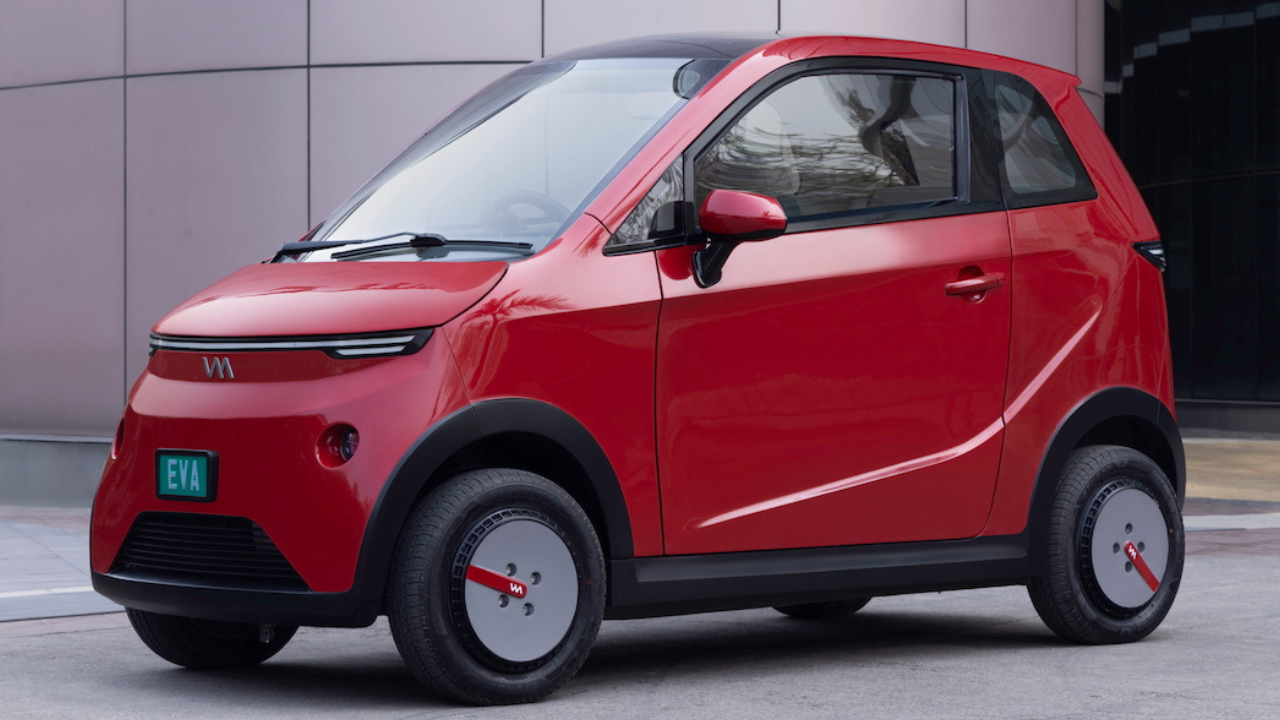
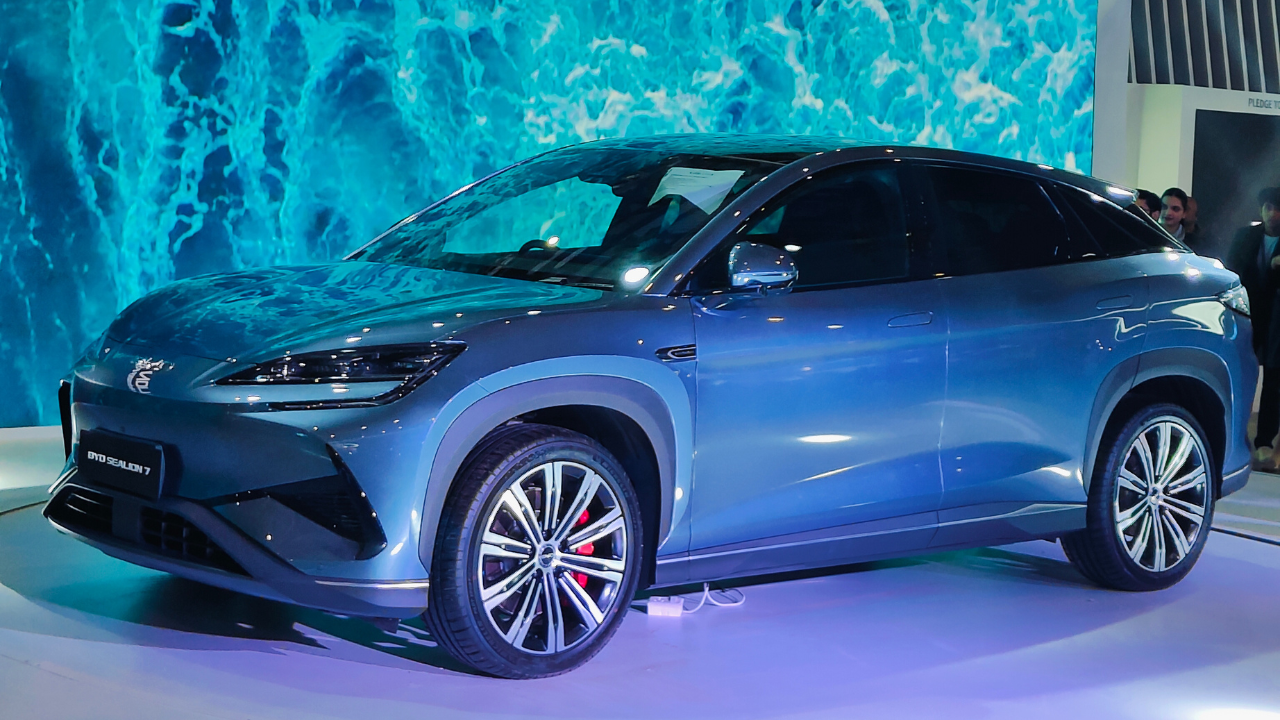
BYD Assured International Class Range and Performance
BYD (Build Your Dreams) is a premium Chinese automobile brand that is breaking records in the Indian EV market with the Atto 3 and Seal; both vehicles can now be seen driving on Indian roads. The highest battery range is this game’s major highlight, where the charge lasts about 500-600 km. By 2025, BYD plans to boost local production in India so that its EVs can be sold at even lower prices. Their vision is to “transform India into sustainable mobility.
EV Infrastructure and the Approach Taken by The Government
In 2025, these enormous capital investments will have been made by BYD to encourage people to accept the EVs. The state EV policy and the FAME II scheme give incentives to lower the price slabs of EVs through different stages. There is a wide growth of charging infrastructure across the country, where charging can now be done, from expressways to city parking lots. Many startups and private firms are also making their moves toward battery-swapping and charging solutions.
Not a Dream India Will Have an Electric Future Today
 In a few years, it would probably have sounded far-fetched to suggest that the electric vehicles promise now has yet another public promise from the environment for India. Between Tata, MG, and BYD in 2025 is a clear indication of a massive change in India as regards EVs. Good range, much shorter charging times, and reduced costs-all point to the future of India with EVs. For the near future, it will continue to remain the leader in EV adoption in Asia, while the world will know about the real clean mobility future.
Latest News
- Tata Tiago Facelift Launching Soon – Aggressive Design And High-Tech Cabin Revealed

- LPG Gas Connection Transfer Made Easy, Learn the Complete Process

- New Honda City Facelift 2026 Launched – Sporty Coupe Look And ADAS Safety Revealed

- 8th Pay Commission: केंद्रीय कर्मचारियों की बढ़ेगी बंपर सैलरी! आयोग ने उठाया यह बड़ा कदम

- China: चीन के कोयला खदान में भयंकर विस्फोट, 90 लोगों की गई जान, पीएम मोदी ने भी जताया दुख

- Weather warning – Heavy Rain, thunderstorms, lightning Alerts for 13 States Over Next 3 Days

- UP TGT Exam City Slip 2026 Released – Download at upessc.up.gov.in, Exam June 3-4

- ATM Alert: एटीएम में फंस जाए डेबिट कार्ड तो घबराएं नहीं, फटाफट यह काम करने से होगा समाधान

- Post Office Scheme – 7.5% Interest Rate, ₹5 Lakh Becomes ₹7,24,974 in 5 Years, Start with Just ₹1,000

- Best AI Video Editing Laptops Under 60,000 INR: Top Picks Her