
CNG Cars vs Electric Cars in India: Which Is a Better Buy in 2025?
CNG Cars vs Electric Cars in India : Rising fuels are giving Indian car buyers cheaper-cleaner-smarter options. Two popular contenders came up, CNG cars and electric cars, in 2025. Both promise excellent savings in running costs and environmental friendliness compared to petrol and diesel. But which

 Join Us
 Add as a preferred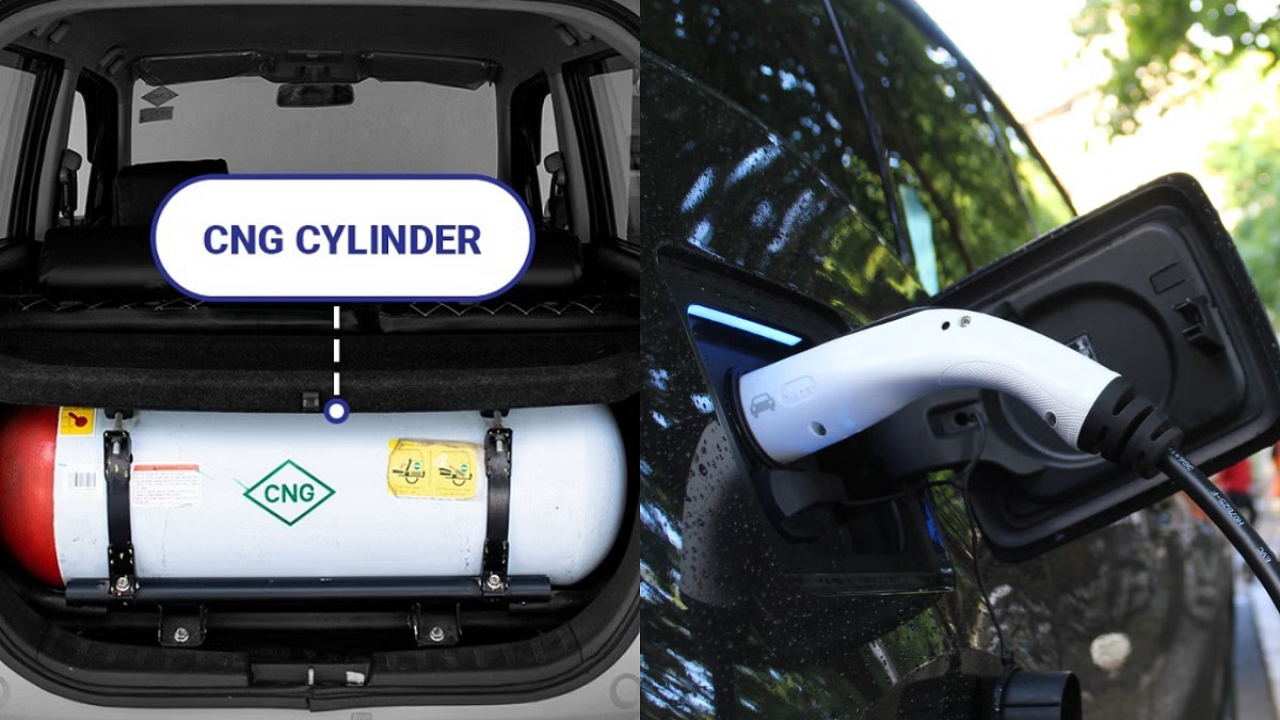
CNG Cars vs Electric Cars in India : Rising fuels are giving Indian car buyers cheaper-cleaner-smarter options. Two popular contenders came up, CNG cars and electric cars, in 2025. Both promise excellent savings in running costs and environmental friendliness compared to petrol and diesel. But which one is actually better for you in the year 2025? Let us explain it to you in simple terms.
Running Costs and Fuel Availability
CNG cars are famous for ultra-low running costs. CNG is selling at approximately ₹75 per kg with mileage mostly above 25 km/kg-making them good for daily city use. Their proliferation is growing quickly, especially in urbanities and highways, yet still less than petrol pumps.
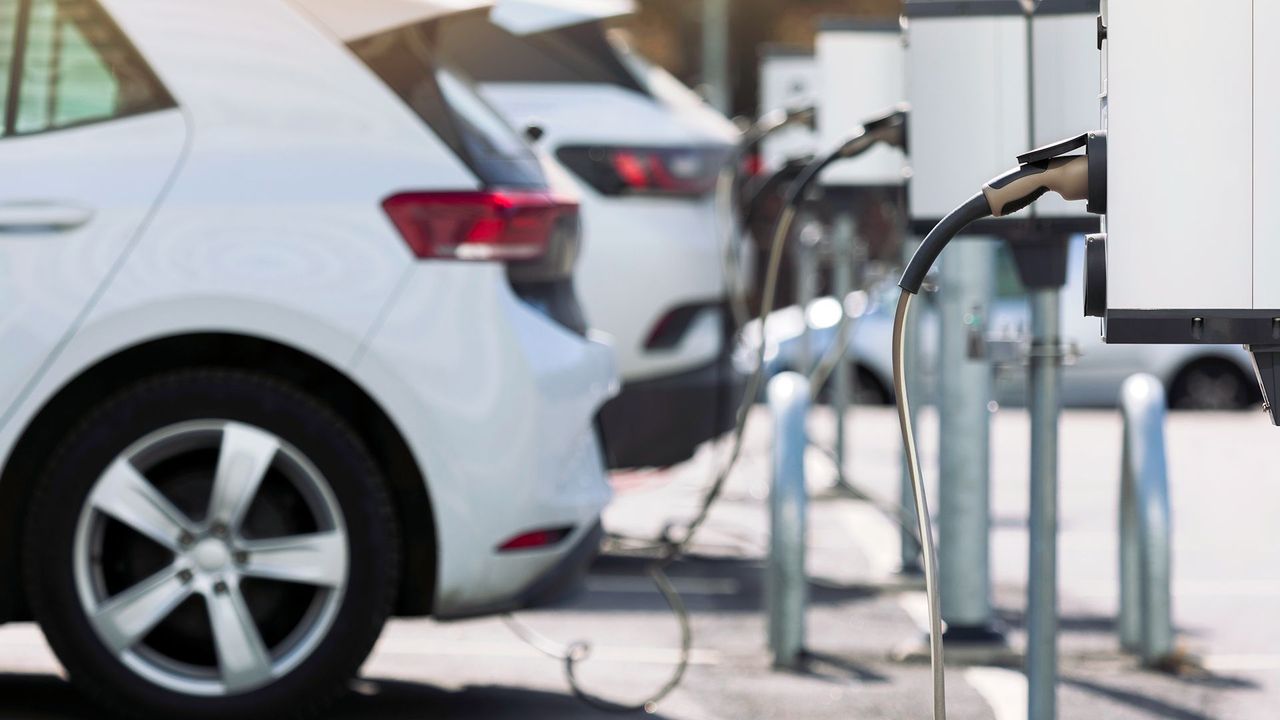
Electric vehicles, however, run on cheaper fuel. Charging an EV at home is about ₹1–₹1.5 per km, while public fast charge is costly and yet unavailable in every city. If one has home charge, an EV can save one better in the long run.
Purchase Price
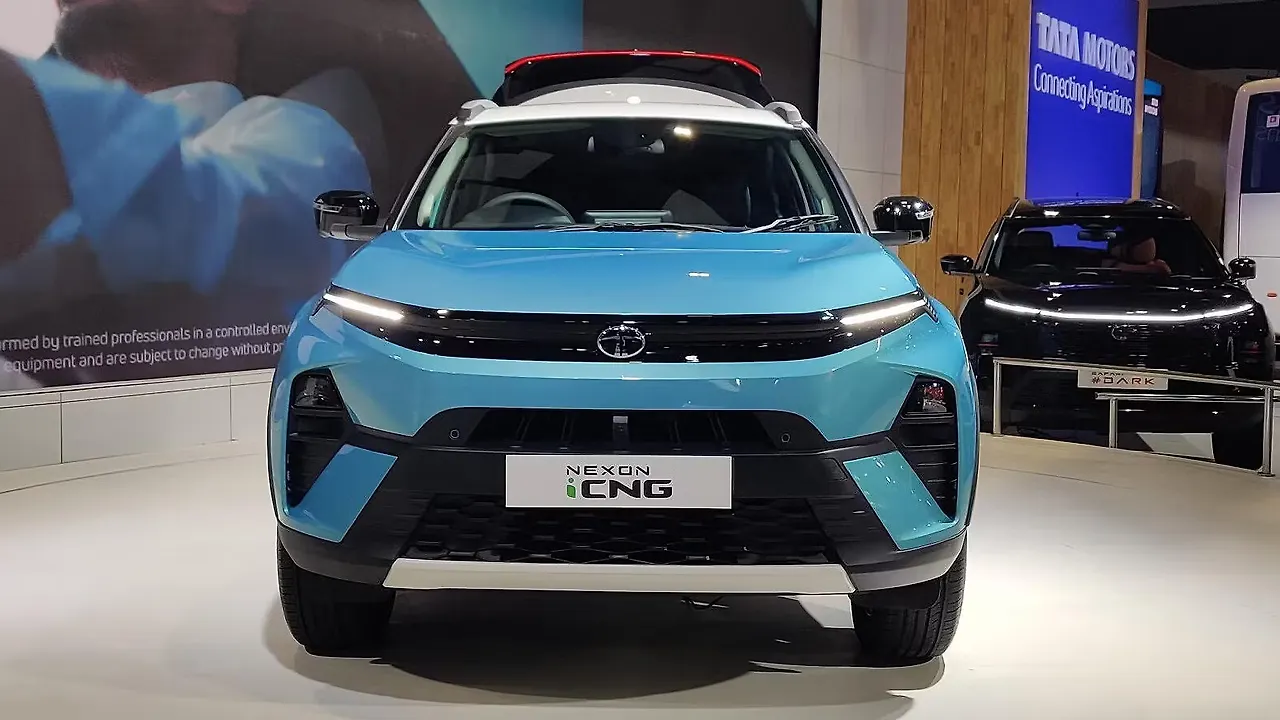
CNG cars are cheaper to buy. Models such as Maruti WagonR CNG, Tata Tiago CNG, and Hyundai Aura CNG sit in the price range of ₹7–₹10 lakh. They are a very good deal for someone on a smaller budget.
Electric cars are more expensive but the price is gradually falling. Budget EVs like Tata Tiago EV and MG Comet start at ₹7–₹8 lakh, while most others remain above ₹10 lakh. Yet EVs pack more features with future-ready tech.
Performance and Comfort
CNG cars generally underpower their petrol cousins and handle city driving the best rather than high-speed highways. Also, the CNG cylinder takes some boot space.
Electric cars have very refined driveability, work silently, and have a high torque from the get-go. Driving an EV feels a lot more premium, especially in traffic. Most EVs come with an automatic transmission, which is easier to maneuver.
Environment and Maintenance
Both CNG and EVs are friendly to the environment. CNG produces lower CO₂ emissions, while EVs are zero-tailpipe emission. Additionally, EVs have fewer moving parts, which adds to their attractiveness by being cheaper to maintain.
A CNG car would practically suit you if you are looking at all the low costs and fuel savings for city driving. But when it comes to good performance and clean energy with long-term savings, it would be an electric car by 2025, especially if you can charge at home. So pick the one that most closely fits your lifestyle and budget.
Prashant Kumar
Next Article
KKR vs MI: कोलकाता के रंग में भंग डालने उतरेगी मुंबई इंडियंस, चेक करें संभावित प्लेइंग इलेवन
5 बार आईपीएल खिताब जीतने वाली मुंबई इंडियंस लीग स्टेज के आखिरी मैचों को जीतने के लिए पूरी कोशिश करती नजर आएगी. कोलकाता और मुंबई इंडियंस की प्लेइंग इलेवन कैसी रह सकती है, इससे जुड़ी जरूरी बातें नीचे डिटेल जान सकते हैं.


KKR vs MI Match: इंडियन प्रीमियर लीग (IPL) यानी आईपीएल का 65वां मैच कोलकाता नाइट राइडर्स और मुंबई इंडियंस (KKR VS MI) के बीच खेला जाएगा. यह मैच कोलकाता के ईडन गार्डन में शाम 7.30 बजे से खेला जाएगा. मैच काफी रोमांचकारी होने की संभावना है. मुंबई इंडियंस इन दिनों खराब दौर से गुजर रही है, जो प्लेऑफ की रेस से पहले ही बाहर हो चुकी है.
5 बार आईपीएल खिताब जीतने वाली मुंबई इंडियंस लीग स्टेज के आखिरी मैचों को जीतने के लिए पूरी कोशिश करती नजर आएगी. कोलकाता और मुंबई इंडियंस की प्लेइंग इलेवन कैसी रह सकती है, इससे जुड़ी जरूरी बातें नीचे डिटेल जान सकते हैं.
Write a Comment