
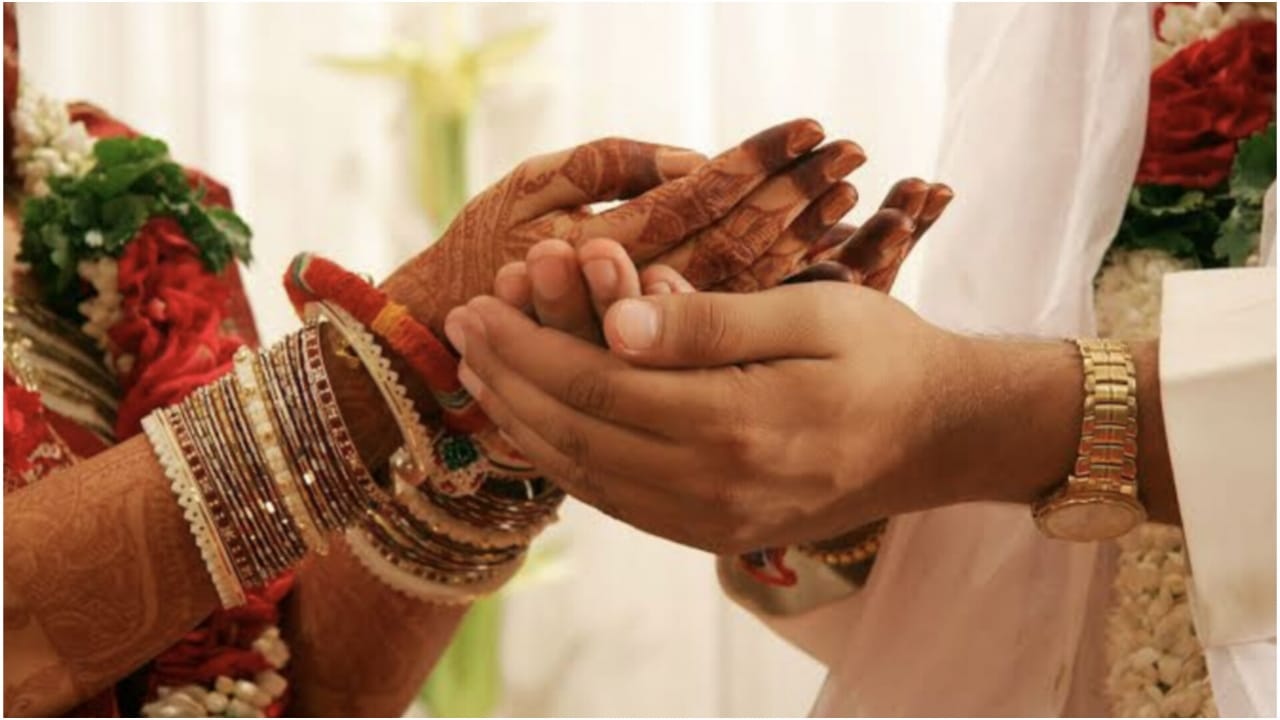
Night Wedding in Hinduism — In Hindu tradition, marriage is one of the 16 major sacraments and is celebrated as a sacred union marked by rituals, customs, and family festivities. Preparations often begin days in advance, and every ceremony is performed according to ancient beliefs. Among these traditions, one question is frequently asked: Why are most Hindu weddings performed at night? The answer lies in both astrology and centuries-old cultural reasons.
Astrological Significance Behind Night Weddings
In Hindu beliefs, a marriage performed during an auspicious muhurat is considered highly beneficial for the couple’s future. According to the Panchang, the ideal time for marriage is determined by the positions of stars and planets, and the astrological alignment of the bride and groom.
Most favourable muhurats are formed during late evening, night, and early morning. Because these planetary combinations often fall at night, Hindu families traditionally choose the night for conducting the wedding rituals.
Moon as the Symbol of Love and Stability
In Hindu scriptures, the Moon is seen as a symbol of emotional calmness, love, tenderness and stability—qualities believed to be essential for a successful married life. Performing wedding rituals under the Moon’s natural light is considered auspicious, as it is supposed to bless the couple with peace and harmony.
Another essential element is the visibility of the Dhruv Tara (Pole Star) at night. The Pole Star represents constancy and unwavering commitment. Newlyweds often begin their journey by witnessing the Dhruv Tara as a symbolic reminder of lifelong stability and loyalty.
Traditional and Cultural Reasons for Night Marriages
Beyond astrology, there were practical reasons behind night weddings in ancient India. In earlier times, travelling long distances during the day involved greater risk from thieves, wild animals and harsh weather. For safety, wedding processions—especially the baraat—would move together at night when the community could accompany and protect them.
Gradually, this practice became a cultural tradition. Regions such as Rajasthan, Uttar Pradesh, Haryana, Punjab, and Bihar adopted night weddings as the norm, and the custom continues even today.
Latest News
- Weather Warning Delhi-NCR – Rain Alert & Dust Storm in Next 2-3 Hours, IMD Issues Yellow Alert

- PM Kisan Samman Nidhi Yojana: नहीं मिल रही 2000 रुपये की किस्त तो किसान तुरंत करवा लें यह काम

- Aadhaar Card Update Rules – How Many Times Can You Change Address, DOB & Number?

- Train Ticket: How to book a confirmed train ticket without an agent? Learn the Easy Steps

- Indian Railways– 155 Trains Express Declared High-Speed, Thousands of Railway Staff to Benefit

- Monsoon Alert – Warning Heavy to Very Heavy Rain alert & thunderstorms in 22 States Over Next 4 Days

- America-Iran War: मिडिल ईस्ट में तनाव होगा खत्म! ईरान ने होर्मुज रास्ते पर कही बड़ी बात

- PM Surya Ghar Yojana 2026: Get Up to Rs 78,000 Subsidy within 6 Easy Steps, Know Here

- Cheapest Available 5G Smartphones in India Under 10000

- UPSC Prelims Answer Key 2026 – How to Download UPSC Prelims Answer Key at upsc.gov.in