
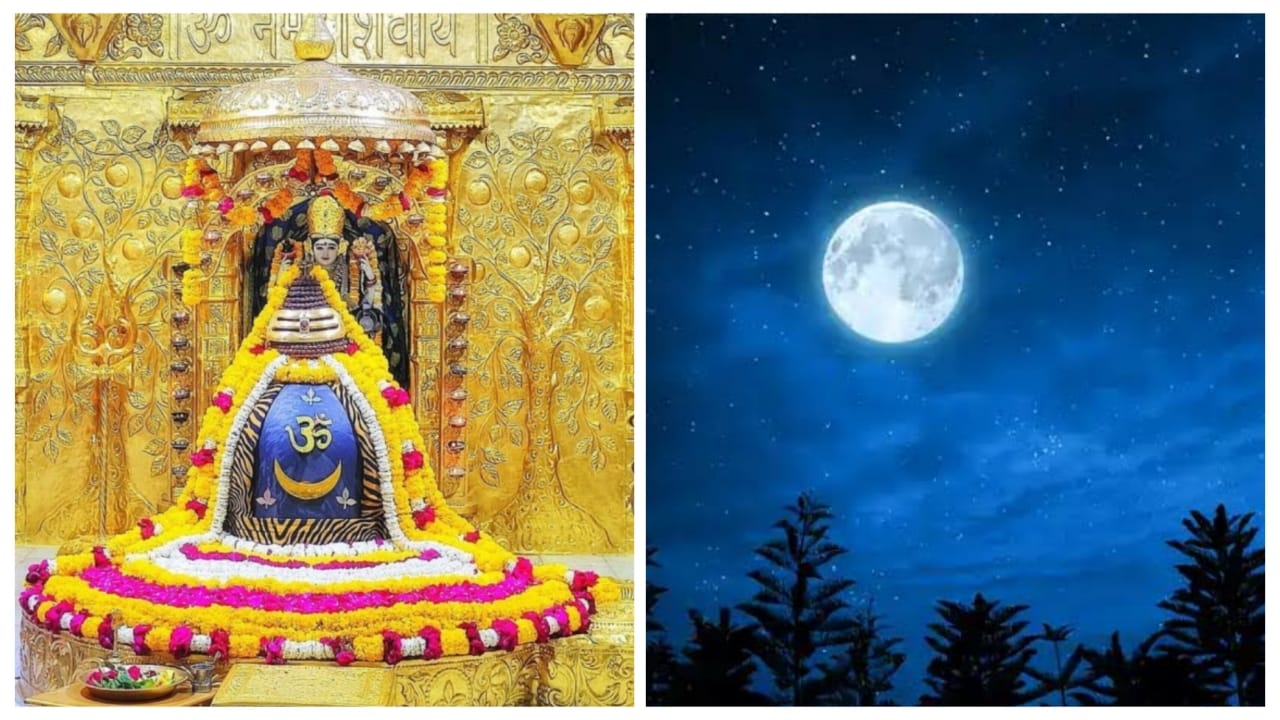
Margashirsha Purnima holds significant spiritual importance in the Hindu tradition. The full moon of the Margashirsha month is considered especially powerful because Lord Krishna described Margashirsha as his own divine form. This is why rituals performed in this month are believed to yield exceptionally auspicious results.
In Hindu scriptures, Margashirsha is known as a sacred period for bathing, charity and worship. Devotees pray to Lord Vishnu, Goddess Lakshmi and Lord Shiva on this day for blessings of wealth, harmony and protection.
Here is what you should offer on the Shivling on Margashirsha Purnima for prosperity and positive energy.
What to Offer on Shivling During Margashirsha Purnima
Raw Cow Milk
Pouring pure cow milk on the Shivling is believed to promote mental peace and remove financial obstacles. When done specifically on Margashirsha Purnima, the effect is considered even more auspicious.
Curd
Performing Abhishek with curd symbolises stability. It is believed to strengthen financial conditions and bring steadiness to life.
Honey
Offering honey to the Shivling is said to increase good fortune and relieve debts. Scriptures describe honey as a symbol of sweetness and prosperity.
Bilva Leaves
On Purnima, devotees offer three-leaf Bilva (Bel) leaves, placed upside down, to receive blessings of wealth and abundance. Bilva is considered one of the dearest offerings to Lord Shiva.
Black Sesame Seeds
Black sesame offered on the Shivling during Purnima is associated with the reduction of Saturn-related doshas and helps attract stuck or delayed money.
Akshat (Unbroken Rice)
Offering Akshat is believed to open doors to good fortune. It symbolises purity, prosperity, and the continuous flow of wealth.
How to Perform Shiva Puja on Margashirsha Purnima?
Begin the day with an early morning bath and wear clean clothes. Start the puja by offering Ganga water to the Shivling. After this, perform Abhishek with milk, curd and honey one by one.
Once the Abhishek is complete, offer fresh water and chant “Om Namah Shivaya” with devotion.
Devotees then offer Bilva leaves, along with holy items such as Dhatura and Bhang, which are traditionally associated with Shiva worship. Light incense and a lamp, recite Shiva Chalisa, and conclude the ritual with a final aarti.
Latest News
- America Update: व्हाइट हाउस के दरवाजे पर 25 राउंड फायरिंग से मची खलबली, संदिग्ध हमलावर की मौत

- Tata Tiago Facelift Launching Soon – Aggressive Design And High-Tech Cabin Revealed

- LPG Gas Connection Transfer Made Easy, Learn the Complete Process

- New Honda City Facelift 2026 Launched – Sporty Coupe Look And ADAS Safety Revealed

- 8th Pay Commission: केंद्रीय कर्मचारियों की बढ़ेगी बंपर सैलरी! आयोग ने उठाया यह बड़ा कदम

- China: चीन के कोयला खदान में भयंकर विस्फोट, 90 लोगों की गई जान, पीएम मोदी ने भी जताया दुख

- Weather warning – Heavy Rain, thunderstorms, lightning Alerts for 13 States Over Next 3 Days

- UP TGT Exam City Slip 2026 Released – Download at upessc.up.gov.in, Exam June 3-4

- ATM Alert: एटीएम में फंस जाए डेबिट कार्ड तो घबराएं नहीं, फटाफट यह काम करने से होगा समाधान

- Post Office Scheme – 7.5% Interest Rate, ₹5 Lakh Becomes ₹7,24,974 in 5 Years, Start with Just ₹1,000