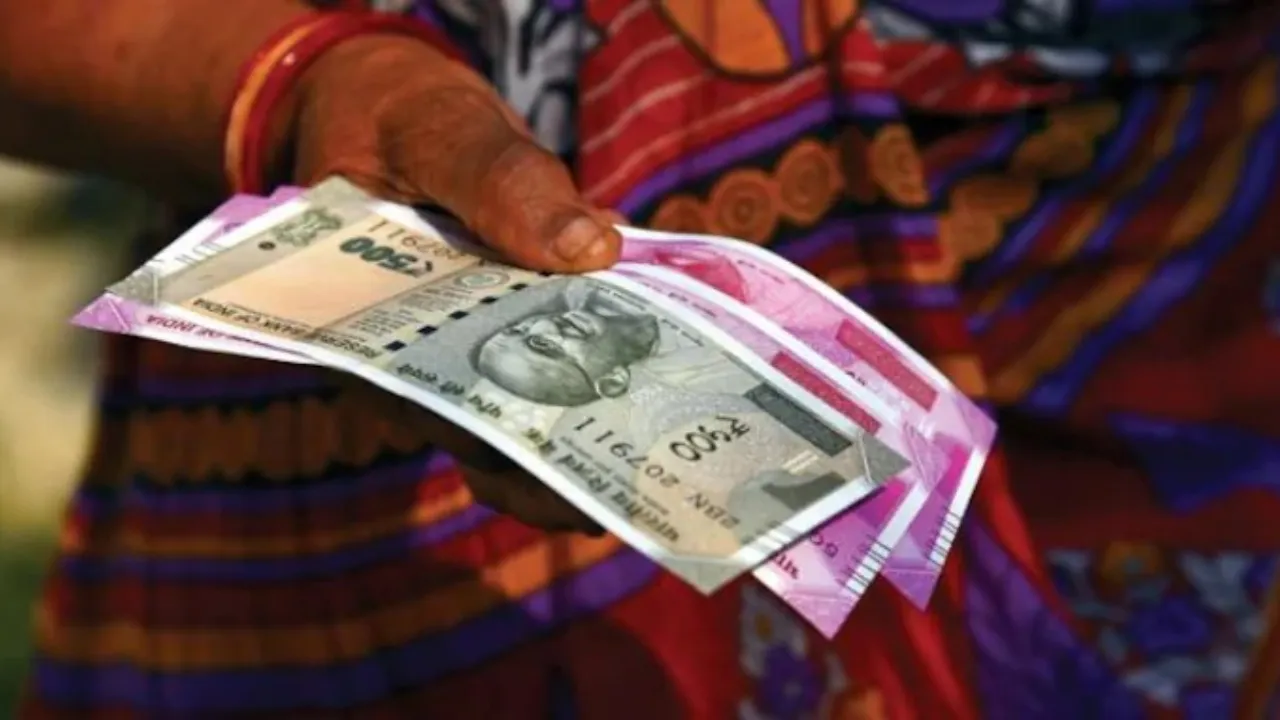
8th Pay Commission: Major organizations of central employees and pensioners will gather in Delhi on February 25, 2026, for a meeting of the National Council (Staff Side) Joint Consultative Machinery (NCJCM). Demands related to the 8th Pay Commission will be discussed in detail at this meeting. These include a fitment factor of 3.25, a 7 percent annual increment, and an increase in leave encashment upon retirement from 300 days to 400 days.
The drafting committee will prepare a joint memorandum
The drafting committee of the NC (Staff Side) JCM will prepare a joint memorandum incorporating the demands of all the organizations at this meeting. The committee is chaired by Shiv Gopal Mishra. This memorandum will be sent to Justice Ranjana Prakash Desai, Chairperson of the 8th Pay Commission. Mishra had written to the committee members earlier this month, saying that he would stay in Delhi for a week from February 25, 2026, to discuss every issue and finalise the proposals.
Main demands of Central Employees Federation
Manjeet Singh Patel, representing the Central Employees Federation in the meeting on February 25, said that he would put forward many important suggestions before the drafting committee. Their key demands include implementing a fitment factor of 3.2, providing biannual increases or 7 percent annual increments instead of the current 3 percent. They want the family unit for calculating basic salary and fitment factor to be increased from 3 to 5.
Additionally, there is a demand to increase the limit for leave encashment upon retirement from 300 days to 400. In areas without CGHS hospitals, a proposal will also be made to increase the fixed medical allowance from Rs 1,000 to Rs 20,000 per month.
Maintaining wage gaps among employees
Patel says that there should be a pay gap between employees at different levels. Furthermore, a uniform and clear promotion policy should be implemented across all departments. He also wants the option of paying leave travel concession (LTC) in cash. He claims that if the family unit is increased to five, the basic salary could increase by approximately 66 percent. He also said that some departments offer early promotions, while others don’t see promotions for up to 15 years.
Regarding the demand for cashless LTC payments, he said that many employees are unable to book tickets in advance due to the nature of their jobs. Therefore, they should be provided with this facility. Furthermore, in areas without CGHS hospitals, the Rs 1,000 monthly medical allowance is insufficient to cover serious illnesses.
S. Srikumar, secretary of the All India Defence Employees Federation, said they will also be attending the meeting with several suggestions. They demand that the family unit be increased from three to five when determining the minimum wage, including parents. An additional 10 percent component be added for technical needs such as internet connection.
They want several previously excluded food items included and five guaranteed promotions in a timely manner after 30 years of service. They will also demand the abolition of the National Pension System (NPS) and the Unified Pension Scheme (UPS) and the reinstatement of the old pension scheme (OPS). They also recommend extending children’s education allowances up to post-graduation and professional courses.
Postal Employees Union proposals
In January 2026, the Federation of National Postal Organizations (FNPO) submitted its recommendations for the 8th Pay Commission to the NC JCM. It proposed a multi-level fitment factor, which could range from 3.0 to 3.25 for Group A, B, C, and D employees.
The FNPO’s key demands include a 5 percent annual increment, ensuring clear and meaningful financial progression for employees, and maintaining the 7th Pay Commission pay matrix. The organization also says that the government salary structure should be brought on par with other organized sectors, ensuring competitive and equitable pay for employees.
Related Stories
 Gadgets
 Auto
Auto Business
 Gadgets
 Education
 Gadgets
 Auto
Auto Education
 Gadgets
 Business