
Reasons for Bank Account Freeze: Did you know that your bank has the right to temporarily freeze your account without prior notice? A bank account freeze means you won’t be able to withdraw, transfer, or make any digital payments. Such a sudden situation can disrupt your daily life and financial planning.
People often dismiss it as a technical glitch, but the underlying cause may be a bank security policy or legal complications. In this article, we’ll discuss the powerful reasons why a bank may freeze your account and how you can protect your hard-earned money.
Suspicious Transactions and Suspicious Fraud
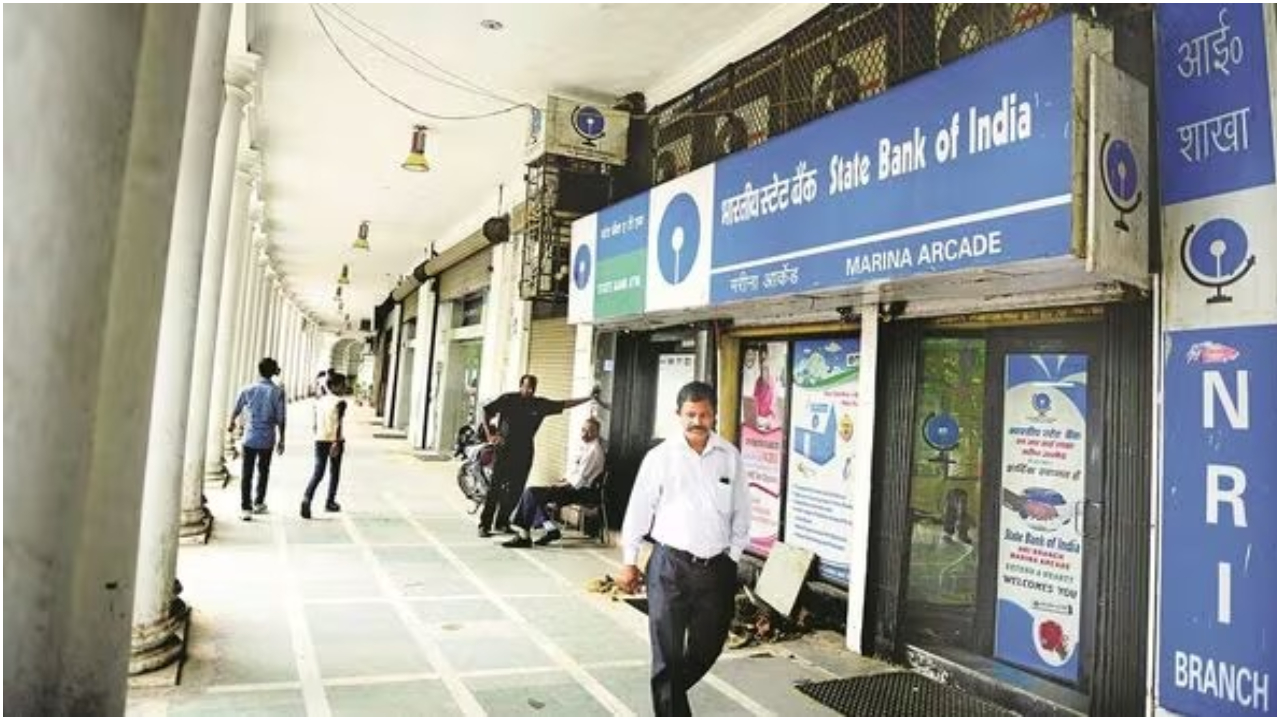
These days, banks use highly sophisticated monitoring systems. If there’s any activity in your account that’s different from your normal banking behavior, the bank is immediately alerted. For example, if a large payment from abroad is unexpectedly made from your account or if identity theft is suspected, the bank immediately freezes the account to prevent further losses. This step is primarily taken for your safety, to prevent fraudsters from completely emptying your account.
Court Orders and Government Investigations
Banks freeze accounts not only of their own volition but also on government orders. If you are involved in a legal dispute or the Income Tax Department, police, or any other law enforcement agency needs to investigate your account, the bank is required to comply with those orders. If a garnishment order has been issued against you, the bank will freeze transactions until the legal matter is fully resolved.
Money Laundering and Suspicion
Under anti-money laundering regulations, banks closely monitor any transaction that appears suspicious. If the bank suspects that your account is being used for money laundering or any other illegal activity (such as terrorist funding), the account will be immediately blocked. In such cases, you will not be able to access your funds until the investigation is complete and you receive a clean chit.
Incomplete KYC Updates and Account Maintenance
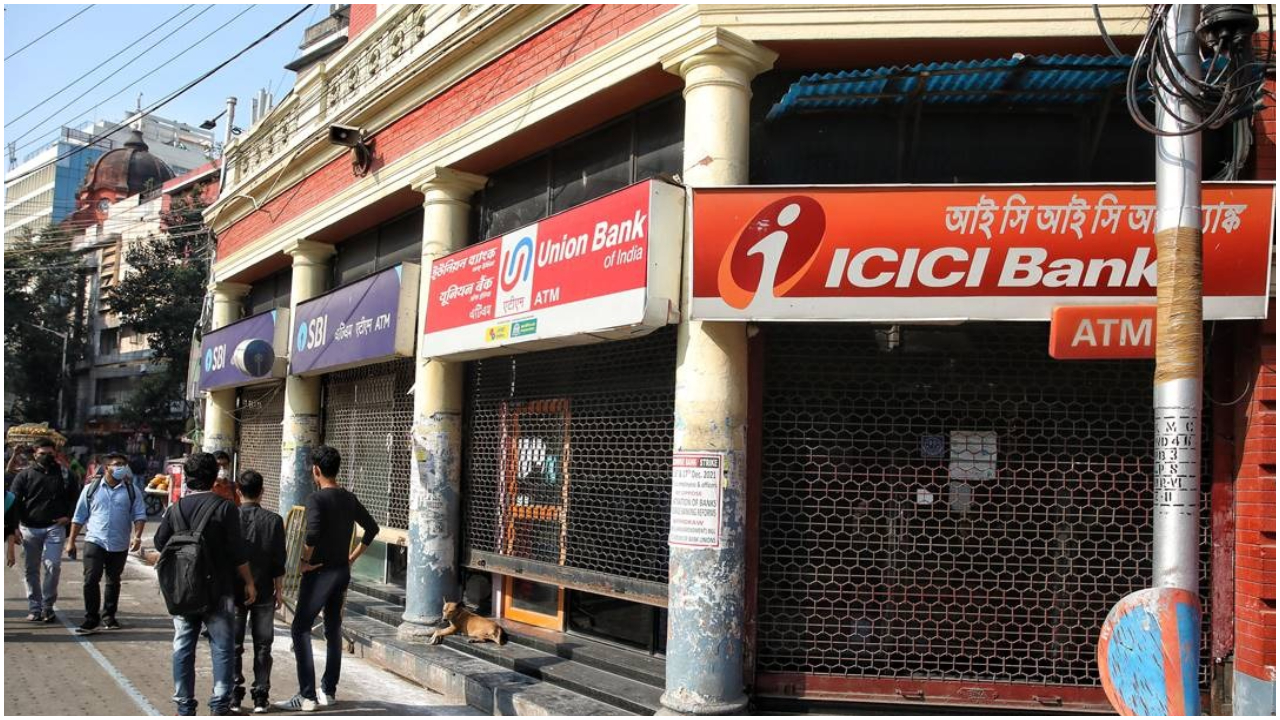
Sometimes, the reason for a bank account being frozen is simple, such as a lack of KYC (Know Your Customer) information. Reserve Bank regulations require you to periodically update your documents (such as Aadhaar, PAN, and a recent photo) with the bank. If you fail to do so despite repeated reminders, the bank may block transactions. Additionally, maintaining a negative balance for a long period of time or repeatedly exceeding the overdraft limit can also be a major reason for the account to be locked.
Sudden Spike in Activity
If your account is typically used for small expenses, but suddenly sees deposits or withdrawals totaling lakhs of rupees, the bank considers this a red flag. This sudden, significant change in spending patterns raises security concerns for the bank. In such a situation, the bank may freeze the account to verify whether these transactions were actually made by you.
Related Stories
Latest
1
 Gadgets
2
 Business
3
 Gadgets
4
 Business
5
 latest news
6
 Business
7
 Gadgets
8
 Hindi News
9
 Hindi News
10
 Gadgets