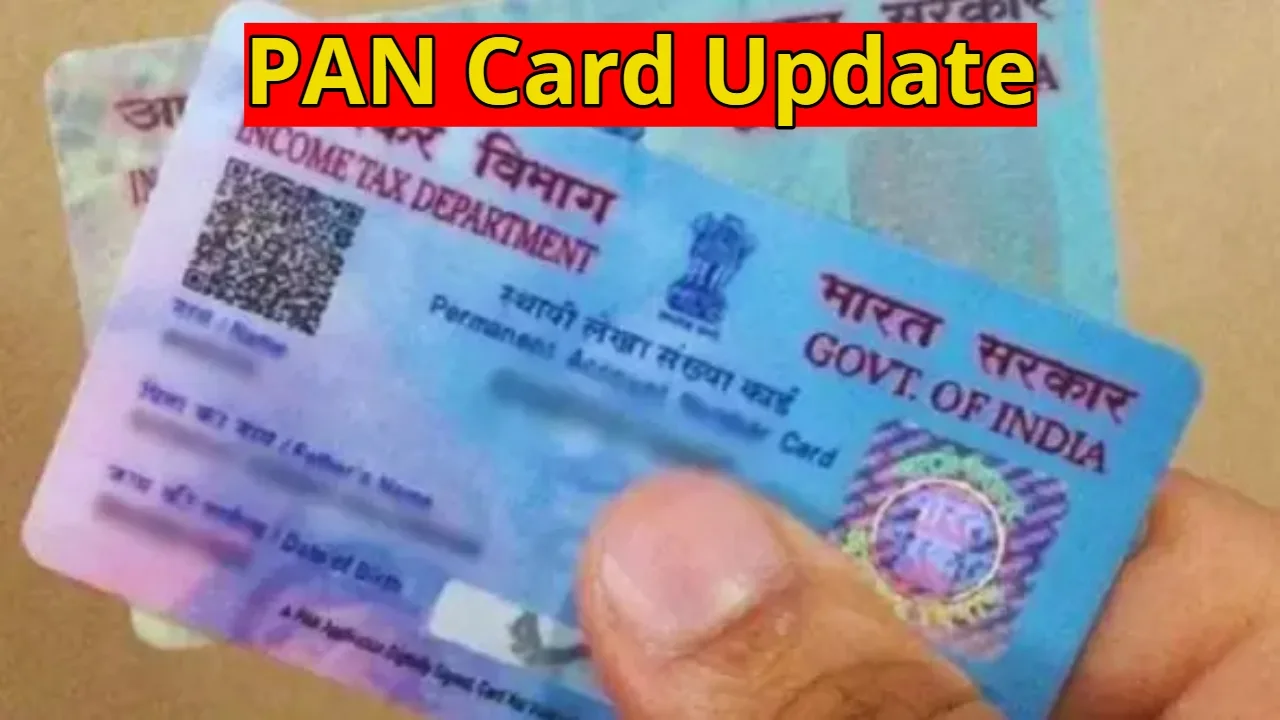
PAN Card Update: If you haven’t yet linked your PAN card to Aadhaar, or if your PAN has become inoperative for some reason, you need to be cautious. The Income Tax Department has proposed new draft rules, which, if implemented, could result in financial losses for those holding inactive PANs. This will directly impact tax refunds, salaries, banking services, and investments. The government aims to make the tax system transparent and prevent irregularities, but this could prove costly for those who are negligent.
Learn how much the loss will be
The biggest impact will be on tax refunds. If your PAN is inactive, your income tax refund may be withheld. Furthermore, you will not receive any interest during the period the refund is held up. Normally, the department provides interest for delays, but this benefit will not be available in the case of an inactive PAN. This means your money will remain with the department, and you will not receive any additional benefits.
TDS will leave you with a lighter pocket
Another major loss could come in the form of TDS. According to the rules, if the PAN is not active, the bank or paying institution can deduct TDS at a higher rate than normal, in many cases up to 20 percent or more. For example, a higher tax could be deducted from bank fixed deposit interest or salary. This will particularly harm those who fall under lower tax slabs but will have to pay higher taxes due to the PAN.
PAN Cards Will Be Blocked
According to the new proposed rules, anyone holding an inactive PAN could be considered a defaulter. To reactivate the PAN, the prescribed fee will have to be paid, and it will have to be linked to Aadhaar. This could take up to 30 days to be activated. Any financial transactions made during this time could result in higher tax deductions and refunds not being issued.
Impact on Banking Services
This could also impact banking services. Having an inactive PAN can make it difficult to open a new bank account, deposit or withdraw large amounts, and apply for a credit card. Investors in the stock market and mutual funds may also face KYC-related issues.
Related Stories
 latest news
 latest news
 latest news
 Auto
Auto Business
 latest news
 Auto
Auto Business
 latest news
 jobs
jobs