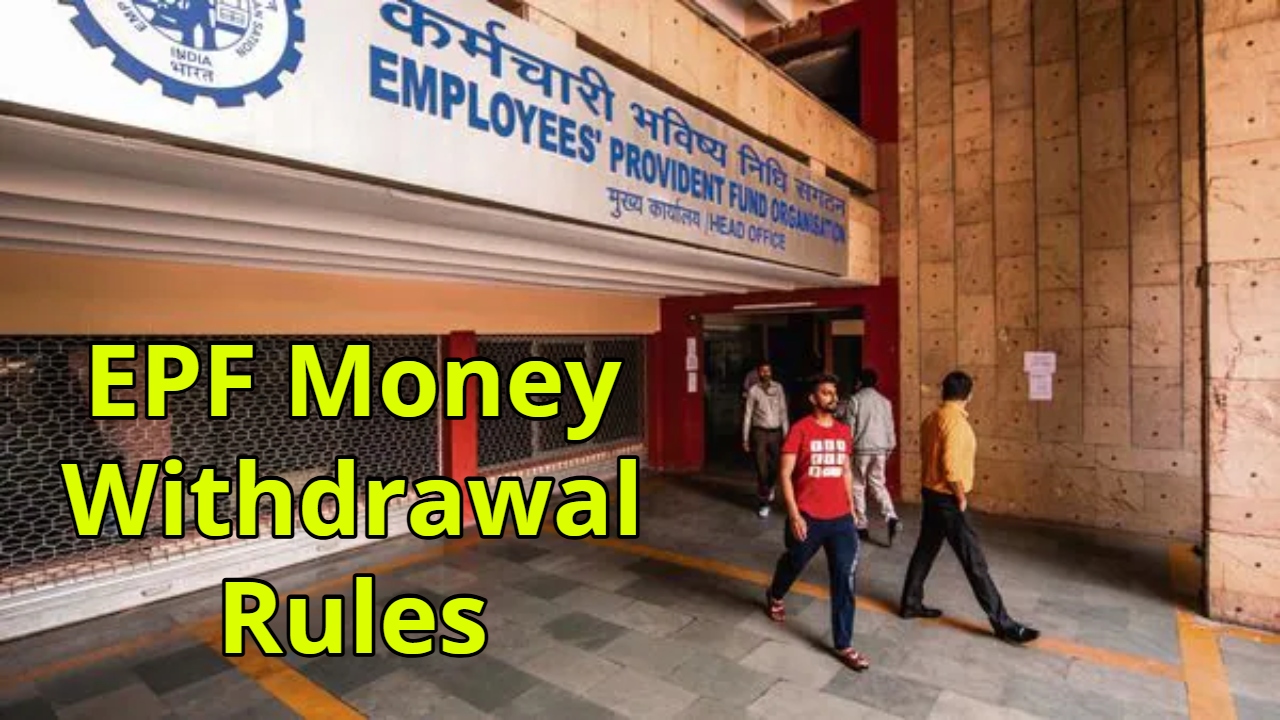
EPF Money Withdrawal: The year 2026 could bring welcome news for salaried employees. The Employees’ Provident Fund Organisation (EPFO) is rapidly working towards making its system completely digital and user-friendly. This will directly benefit millions of employees for whom withdrawing money from their EPF account has so far been a time-consuming and complex process. After the implementation of the new system, the withdrawal process will not only be easier but also more transparent and faster.
Major Changes in EPF Withdrawal Rules
In 2025, the EPFO took a significant step towards simplifying withdrawal rules. Previously, there were 13 different reasons for withdrawing money from EPF, which often confused employees. Now, all these reasons have been consolidated into just three categories: essential needs, housing-related needs, and special circumstances. This change will make it easier for employees to understand under what circumstances and how much money they can withdraw.
Read Here: Want ₹78 Lakh When Your Child Turns 18? Invest in This Government Scheme
When is EPF Withdrawal Permitted?
Although the main purpose of EPF is to provide financial security after retirement, in some specific circumstances, an employee can withdraw the entire accumulated amount. These situations include reaching the age of 58, taking voluntary retirement, being unable to work due to permanent disability, permanently settling abroad, or being unemployed for a long period. In case of unemployment, 75 percent of the amount can be withdrawn immediately, and the remaining 25 percent after a specified period.
Facility for Partial Withdrawal Before Retirement
EPFO rules also allow employees to make partial withdrawals before retirement if needed. Money can be withdrawn for buying or constructing a house after completing a specified period of service. The option to withdraw money from EPF is also available for needs such as repaying home loans, treatment of serious illnesses, children’s education, or marriage. Additionally, employees nearing retirement can withdraw a significant portion of their accumulated funds.
EPF Withdrawal and Its Direct Relation to Taxes
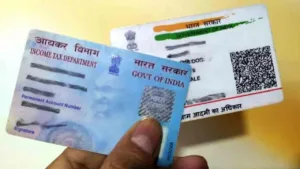
Understanding tax rules is crucial when withdrawing money from EPF. If an employee has completed five years of continuous service, the entire amount withdrawn is tax-free. However, withdrawing money before five years may attract TDS (Tax Deducted at Source). The tax deduction rate varies depending on whether a PAN card is available or not, which directly impacts the withdrawal amount.
Read Here: A 50‑rupee note is being sold for ₹4 lakh here! Find out how
What’s New in the EPFO System in 2026?
EPFO is now working on Artificial Intelligence and automated verification systems. By 2026, the goal is to transfer money directly to the bank account within a few hours without any human intervention, provided the KYC is fully updated. Online forms will also be made simpler and smarter, reducing the chances of claim rejection.
Prudence is Necessary Before Withdrawing EPF
Even though the rules are becoming simpler, the decision to withdraw money from EPF should be made carefully. This amount is linked to your future savings and compounding benefits. If it’s not necessary, a partial withdrawal might be a better option. Also, do not ignore EPF transfer when changing jobs, so that your service period and tax benefits remain secure.
Related Stories
 Business
 Business
 Business
 Business
 Business
 Business
 Business
 Business
 Business
 Business