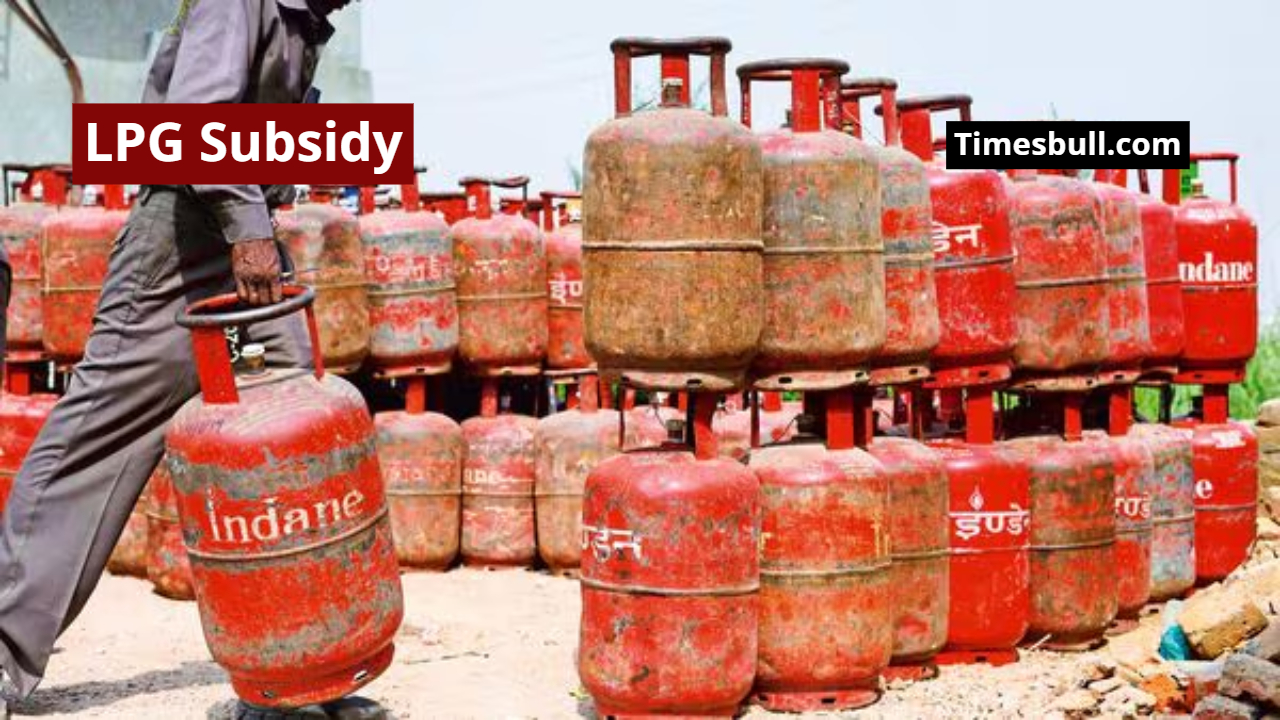
LPG Subsidy: The distance to reach India is significantly longer. This is why the freight cost for cargo coming across the Atlantic Ocean is almost four times higher compared to supplies from Saudi Arabia. According to experts, LPG from the US only becomes cheaper if there is such a large discount on its base price that it compensates for the heavy shipping costs.
Read More- New Rules for FDs and Savings Accounts from the New Year, Direct Impact on Earnings
Historic agreement by government oil companies
Last month, Indian Oil, Bharat Petroleum, and Hindustan Petroleum signed a term contract with the US for 2.2 million metric tons annually. This agreement is for the year 2026 and accounts for approximately 10% of India’s total LPG imports. Previously, US LPG was purchased only through the spot market, but this is the first time a long-term contract has been signed.
How the subsidy system works
In India, the government sets the prices of domestic LPG. When government oil companies have to sell gas at a price lower than the market rate and incur losses, the government compensates them through subsidies. If the subsidy calculation formula changes, it can affect both the burden on the government and the cost structure of the companies.
Current prices of domestic and commercial LPG
The price of a 14.2 kg domestic LPG cylinder is Rs 853. The last change was made on April 8th. Beneficiaries under the Ujjwala scheme are being given a subsidy of Rs 300. The price of a 19 kg commercial cylinder in Delhi is Rs 1580.50, which is revised on the first of every month.
Read More- Dirty Train Toilet on Your Journey? Call This Helpline for 15-Minute Free Cleaning
Oil prices and India’s import dependence
The price of crude oil in the international market is currently hovering around $62 per barrel. India meets about 60 percent of its total LPG requirement through imports. Therefore, changes in import sources and modifications to the subsidy formula can directly impact the country’s energy economy.
Related Stories
 Business
 Business
 Business
 Business
 Business
 Business
 Business
 Business
 Business
 Business