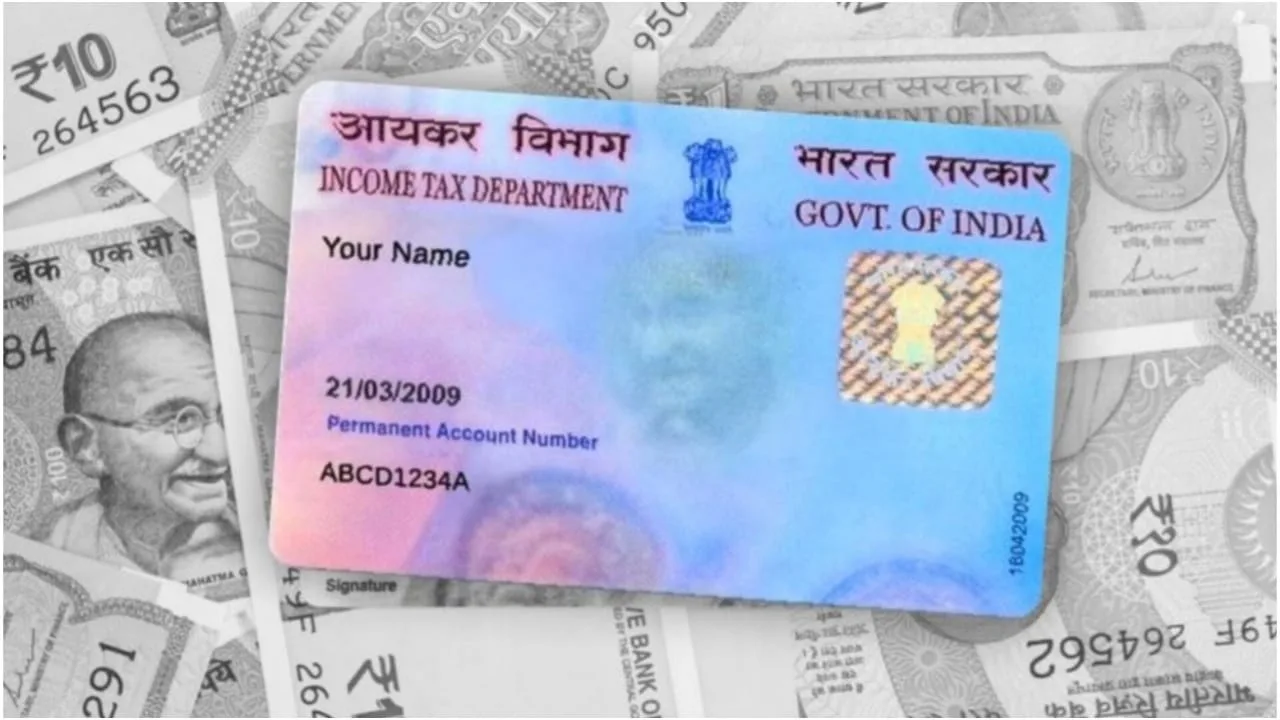
Pan Card Uses have increased significantly in recent years, making it one of the most critical documents in India. While an Aadhaar card is commonly used for SIM cards, travel, and identity verification, a PAN card is equally crucial, especially for financial and tax-related activities. From buying property to filing income tax returns, PAN plays a key role in many everyday transactions.
PAN Card Uses in Property Transactions
One of the significant uses of PAN cards is in property transactions. If you are selling or purchasing any property worth more than ₹5 lakh, PAN card details are mandatory. Whether you are the buyer or the seller, the transaction cannot be legally completed without a PAN. This helps the government track high-value deals and prevent tax evasion.
PAN Card Requirement for Loans and Credit Score
If you plan to take a personal, home, or car loan, a PAN card is required. Financial institutions use PAN details to check your CIBIL score, which reflects your credit history. Through PAN, banks can assess how many loans you already have, your repayment behaviour, and whether you are eligible for new credit.
PAN Card Uses in Banking Services
Opening a bank account without a PAN card is difficult, as it is a key part of the KYC process. PAN is required while opening a savings or current account. Additionally, if you deposit more than ₹50,000 in cash into your bank account, you must provide your PAN details. This makes PAN essential for regular banking activities.
PAN Card for Income Tax Filing
Another essential use of the PAN card is income tax filing. A PAN card allows individuals to file income tax returns smoothly and without complications. It links all your financial transactions, making the tax filing process faster and more transparent. With a valid PAN, you can file your return online within minutes.
In today’s financial system, the PAN card is not just a tax document but also a requirement for many personal and professional transactions. Having a PAN card ensures hassle-free access to banking, credit, property dealings, and tax compliance.