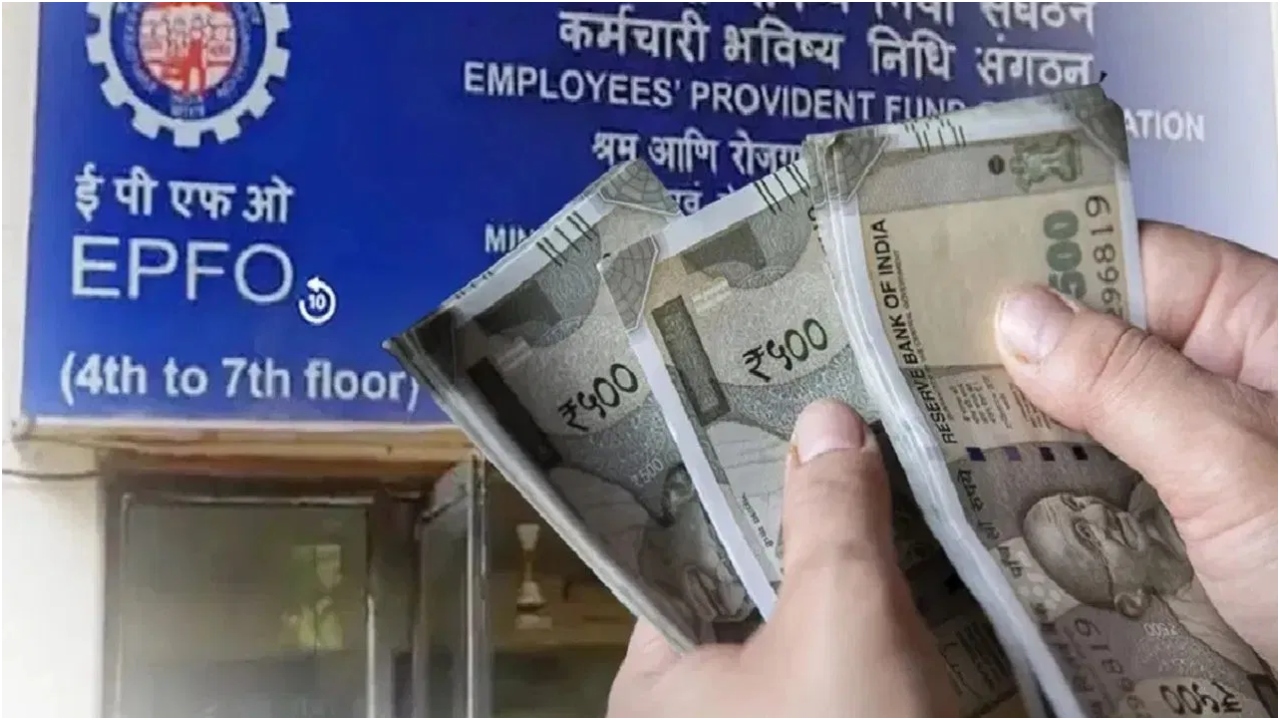
EPFO Guidelines: Often, people find themselves wanting to take money out of their PF during emergencies, but they get puzzled when they don’t see the full amount available. The EPFO has made it clear that the PF is meant for retirement savings, which is why there are specific conditions for withdrawals. In some cases, you can withdraw up to 100%, while in others, only 75% is allowed. Recently, they made things easier by cutting down the waiting period from 13 months to just 3 months, and now you can withdraw the full amount after just 12 months of service.
So, how much can you take out for buying a home, making repairs, education, or weddings? If you’re looking to buy or fix up a house, you can withdraw as much as 90% of your account balance. For instance, if your PF account has Rs 1 lakh, you can take out up to Rs 90,000. If there’s a family health issue, the EPFO lets you withdraw 100% of your balance. For your children’s or siblings’ education and weddings, you can take out 75% (including contributions and interest). This is a huge help for employees who depend on their PF to support their families.
What about withdrawals during employment or unemployment? If you’ve been in your current job for at least 12 months, you can withdraw up to 75% of your PF. So, if you have Rs 1 lakh in your account, you can take out up to Rs 75,000. If you leave your job or get laid off, you can withdraw the full amount after two months of being unemployed. Thanks to the new rules, you can even get a full withdrawal in some situations after just 12 months, whereas before, you needed to have worked for 5 to 7 years.
How can someone get the full amount after they retire?
Once retired, an employee is able to take out their complete PF balance. As per the most recent EPFO update, the process for withdrawal has been made easier, allowing for the entire PF balance to be accessed without lengthy delays. The goal of the EPFO is to ensure that employees have access to funds when they need them, providing prompt financial support for health issues, housing, or unemployment situations. Recent rule changes are streamlining the withdrawal process, making it quicker and simpler than it used to be.