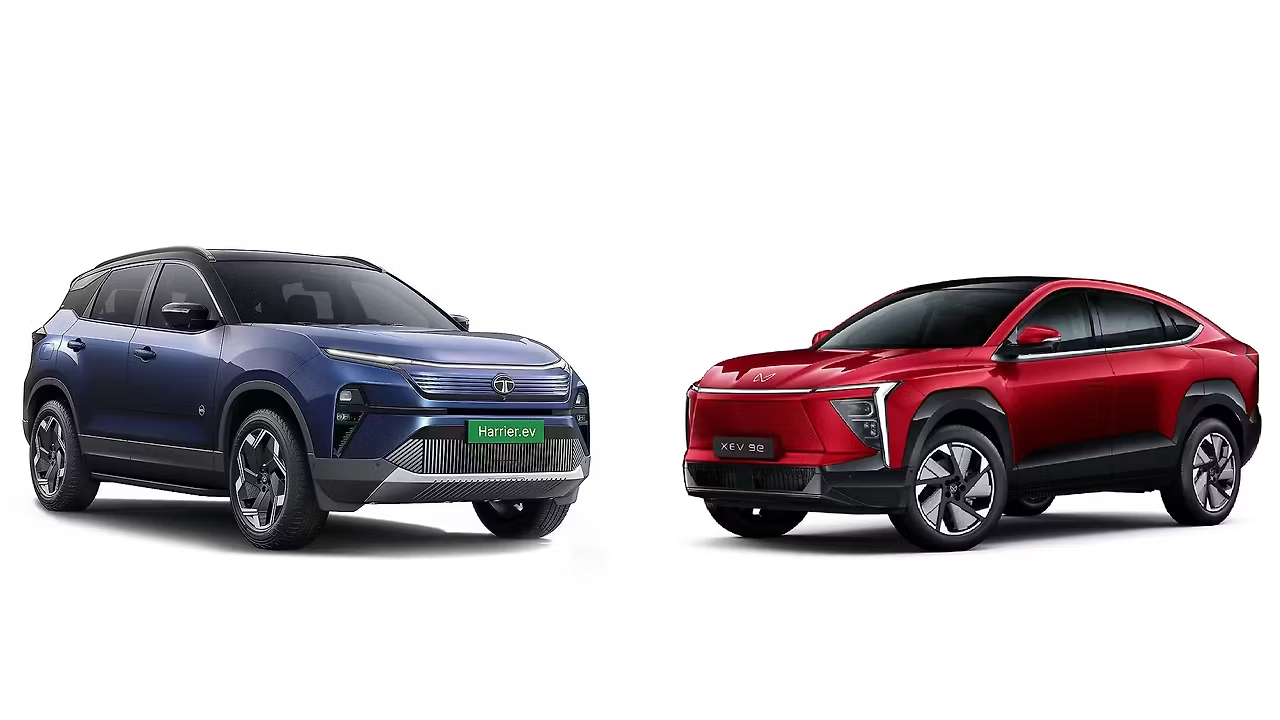
Mahindra XUV700 EV vs Tata Harrier EV : The entry of big players into the electric scene has initiated a frenzy in the Indian SUV market. Among the most awaited models are the Mahindra XUV700 EV and the Tata Harrier EV. Balancing power, technology, and a reasonably long expected driving range, they are set to be contenders in the premium electric SUV segment. Let’s see how the two giants fare against each other.
Design and Road Presence
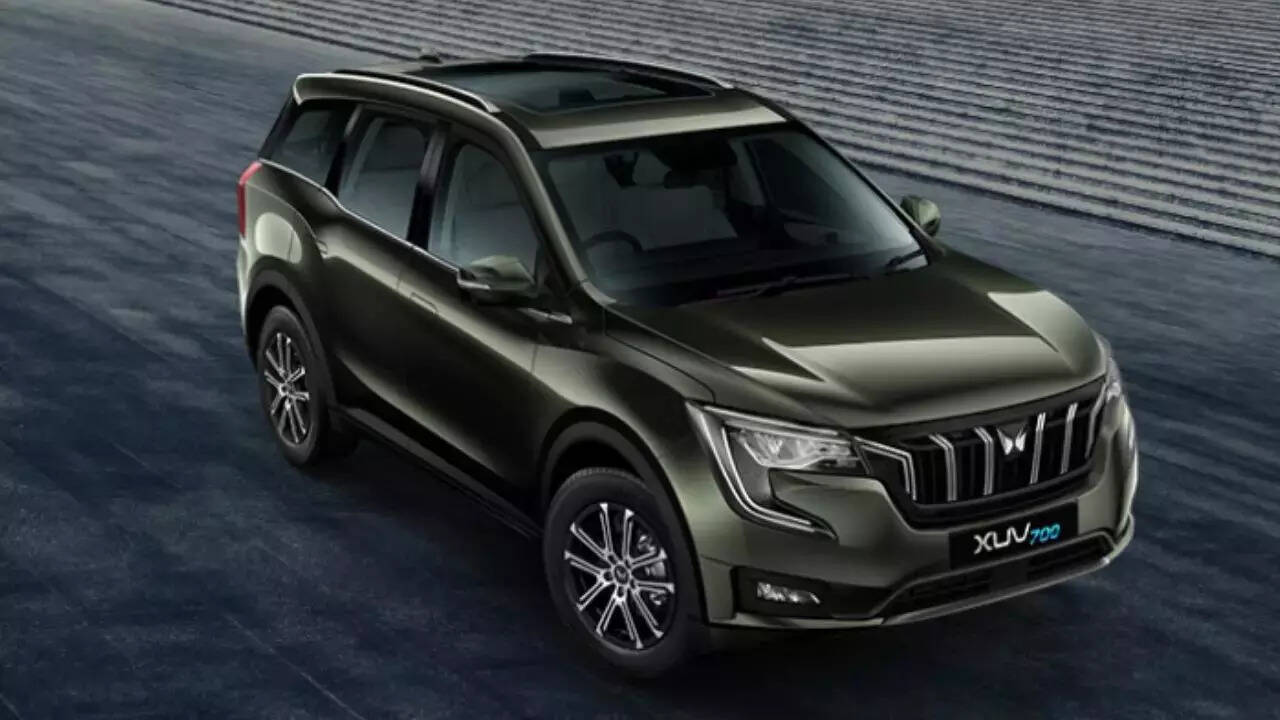
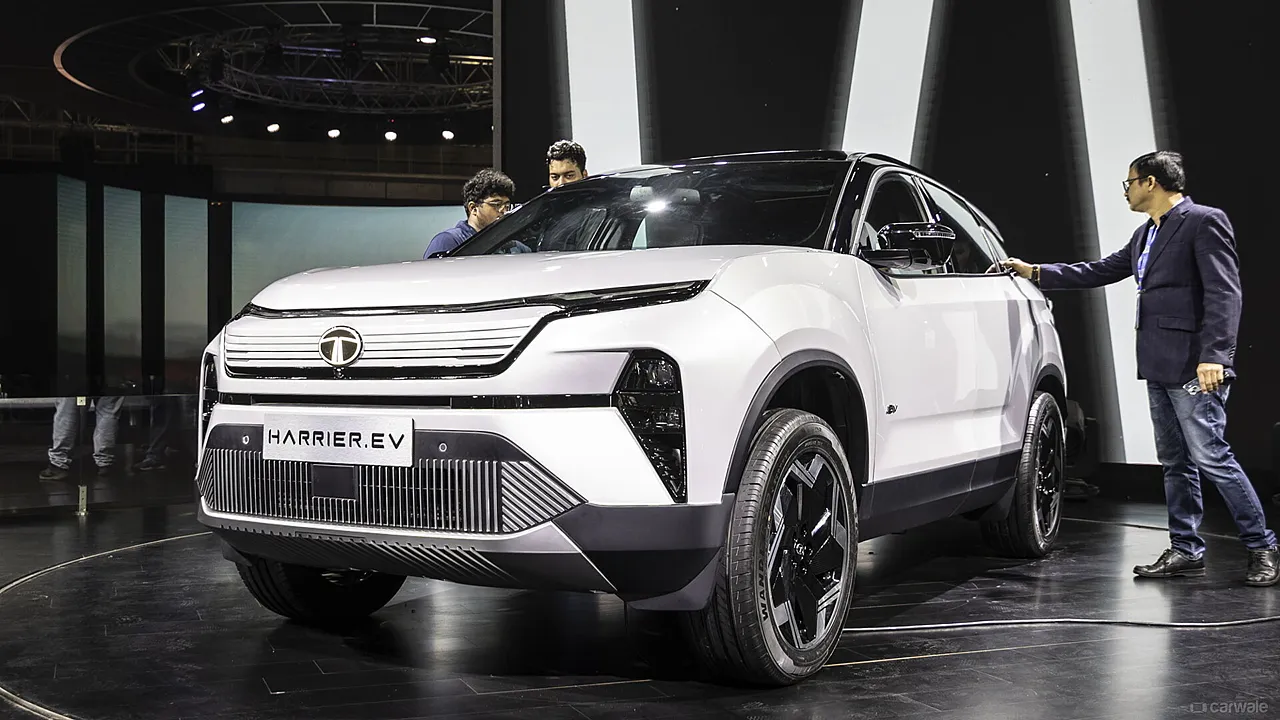
Bold design lines that flow from the XUV lineage have been made modern with touches of futurism, like a closed front grille, new light signatures, and aerodynamic styling-all making the Mahindra XUV700 EV feel anyone’s idea of contemporary, classy, and modern-day SUV. In contrast, the Tata Harrier EV has a little bit of an upgrade into its exterior with an added punch of sharp LED DRLs, wonderful looking new alloy wheels, and a fresh new design in a more intimidating-looking frontend set-up. Tata has ensured the Harrier EV looks sporty yet classy.
Battery and Range
The XUV700 EV will draw power from a well-conceived set of batteries in the segment of 450 to 500 km in single charge, and Mahindra might go for fast charging on the other side mostly for quick intervals of charge. On the contrary, the Harrier EV will possibly have Tata’s proven Ziptron technology with a range of approximately 450 km. Both SUVs would be built with a view toward long-distance travel without worries, but a Mahindra on the market could come with a very tiny advantage in range.”
Performance and Driving Experience
Given the XUV700 EV’s possibilities of dual motors and AWD in its higher-end variants, the amount of power and off-road prowess might potentially be exaggerated. The Harrier EV could have a single-motor and dual-motor options from the start, so there is some choice here. While Harrier EV should be city slick and smooth, XUV700 feels like it’s more tuned for highway cruising and adventure drives.
Features and Technology
Mahindra is building the XUV700 EV on its Futuristic INGLO platform; it comes with ADAS, connected tech, panoramic screens, and advanced safety. Tata, with a reputation for lavishly appointing the interiors, will ensure the Harrier EV comes with a large touchscreen, a digital cluster, a 360-degree camera, and connected features. Both cars are likely to score high on features, although Mahindra may be a step ahead in driver assist technology.
Also Read : Royal Enfield Himalayan 450 vs KTM Adventure 390 : Full Comparison of Design, Engine & Ride Quality
The Mahindra XUV700 EV will be more appealing to the performance-oriented buyer-craving for power, distance covered, and future-ready tech; meanwhile, Tata Harrier EV will appeal to many due to its sight for beauty, practicality, and MG-grade credibility sprinkled in-the right price. The presence of such captivating alternatives suffices to enliven the competition even more in the EV SUV segment in 2025.