
Everyone wants a part of their hard-earned money to be invested in a place where the money is safe and also earns good interest on it. For those looking for such investment options, the National Savings Certificate (NSC) scheme of the post office can prove to be a great choice. It not only comes with a government guarantee but also offers attractive interest rates to investors.
Read Here- Business Idea: You can start a business and earn lakhs of rupees again, know how
What is the NSC scheme and its specialty?

National Savings Certificate is a popular small savings scheme of the post office. Its biggest feature is that the interest in it is compounded annually. Currently, 7.7 percent annual interest is being given on this scheme. Due to compounding, it gives good returns to investors in a period of five years.
Profit of about 5 lakh rupees in 5 years
If an investor deposits Rs 11 lakh in NSC at one time, then after five years, he gets a total of Rs 15,93,93,7 including interest. This simply means that the investor will get a net profit of Rs 4,93,937 in five years. That is, this scheme gives a guaranteed profit of about Rs 5 lakh without any risk.
Investment can be started even with a small amount
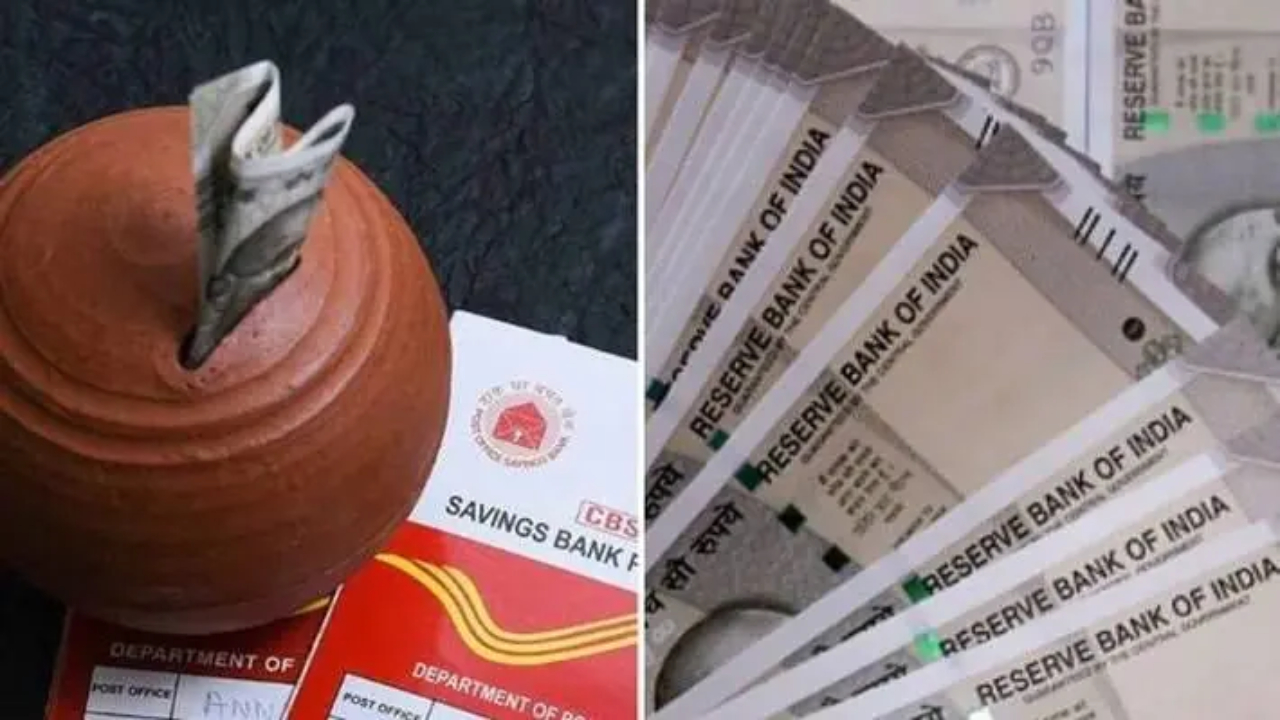
If someone does not have a large amount available, then this scheme is also beneficial for them. Investors can open an NSC account with just Rs 1000 and can gradually increase the investment. In this, an account can also be opened in the name of children, which is operated by their parents. The special thing is that there is no maximum limit of investment in it, and it is considered a completely safe option.
Read Here- Oppo A6 Max Launched in China with 7,000mAh Battery and Snapdragon 7 Gen 3
Additional benefit of tax savings
Another benefit of the NSC scheme is that investment in it gets tax exemption under Section 80C of the Income Tax Act. Investors can save tax on an amount of up to Rs 1.5 lakh in a financial year. That is, this scheme is not only safe and beneficial but is also a wise option in terms of tax planning.