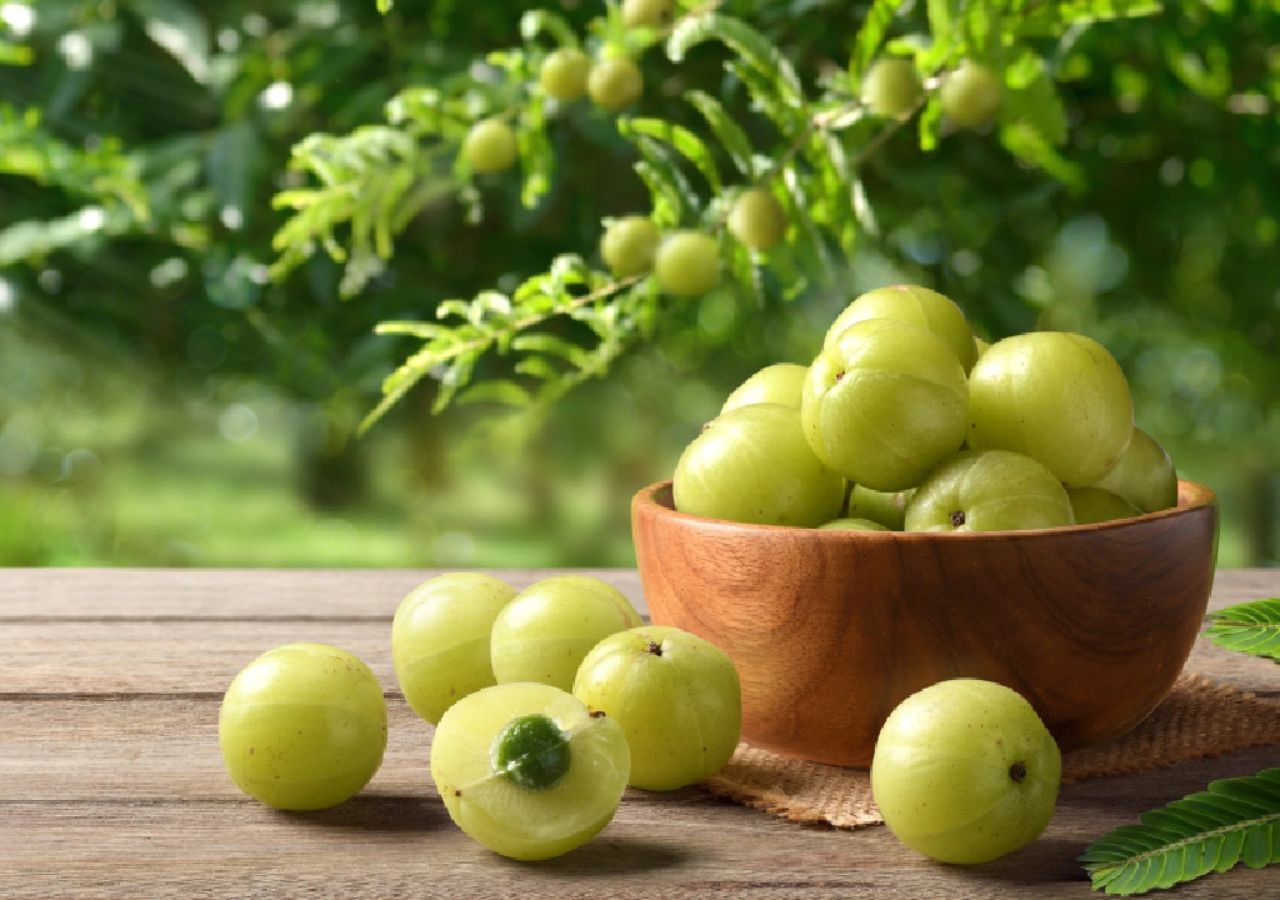
Amla : For centuries, a humble, tangy fruit has been a cornerstone of wellness traditions. Known as Amla or Indian Gooseberry, this potent superfruit is now capturing global attention. But what does modern science say about its ancient reputation? Let’s separate fact from folklore and explore the genuine health advantages of incorporating amla into your routine.
What Exactly is Amla?
Amla, scientifically termed Phyllanthus emblica, is a fruit that grows on a deciduous tree native to India and parts of Southeast Asia. It’s a key component of Ayurveda, one of the world’s oldest holistic healing systems, where it is revered as a powerful rejuvenator and immunity booster. The fruit is notoriously sour and bitter, often consumed in powdered, pickled, or juiced forms to make its potent nutrients more palatable.
The Nutritional Powerhouse: Why Amla Stands Out
The remarkable health benefits of amla are rooted in its extraordinary nutritional profile. It is arguably one of the richest natural sources of Vitamin C, containing up to 20 times more than a fresh orange. But its power doesn’t stop there. Amla is also packed with:
-
Potent Antioxidants: Like flavonoids and polyphenols, which combat oxidative stress.
-
Essential Minerals: Such as chromium, zinc, and copper.
-
Amino Acids: The building blocks of protein.
This unique combination is what gives amla its wide-ranging therapeutic properties.
Evidence-Based Health Benefits of Amla
Modern research is beginning to validate what Ayurvedic practitioners have known for millennia. Here are some of the key benefits supported by scientific studies:
1. A Formidable Immune System Defender
The incredibly high Vitamin C content in amla is a well-documented immune enhancer. Vitamin C is crucial for the production of white blood cells, the body’s primary defense against infections. Regular consumption can help fortify your body’s natural resilience.
2. Supports Heart Health
Studies suggest that amla can contribute to a healthy cardiovascular system. It appears to help manage cholesterol levels by reducing LDL (“bad” cholesterol) and triglycerides while supporting HDL (“good” cholesterol). Its antioxidant and anti-inflammatory properties also help protect blood vessels from damage.
3. Natural Blood Sugar Management
Amla shows promising potential as a complementary aid for blood sugar control. Research indicates that its high polyphenol content can help reduce oxidative stress linked to diabetes and improve how the body responds to insulin, helping to maintain healthy glucose levels.
4. Promotes Healthy Digestion
In Ayurveda, amla is considered a digestive fire-starter. Its high fiber content adds bulk to stool and helps promote regular bowel movements. It also stimulates the production of digestive enzymes, allowing your body to break down and absorb nutrients more efficiently.
5. Enhances Skin and Hair Vitality
The antioxidants in amla fight free radicals that cause skin aging, promoting a clearer, more radiant complexion. For hair, amla is famed for strengthening hair follicles, reducing dandruff, and promoting healthy growth, often being a key ingredient in natural hair oils.
Fact Check: Addressing Common Claims
-
Claim: “Amla can cure diabetes or heart disease.”
-
Verification: Partly False. While numerous studies show amla has beneficial properties that support blood sugar and heart health, it is not a standalone cure. It should be used as part of a balanced diet and healthy lifestyle, not as a replacement for prescribed medication.
-
-
Claim: “Amla has more Vitamin C than any other fruit.”
-
Verification: Mostly True. While the exact amount can vary, amla is consistently ranked among the very richest known natural sources of Vitamin C, significantly outperforming oranges, kiwis, and even guavas.
-
How to Incorporate Amla Into Your Diet
You don’t need to eat the fresh fruit to reap its rewards (unless you enjoy a serious pucker!). Here are more accessible ways:
-
Amla Powder: Mix a teaspoon into smoothies, yogurt, or water.
-
Amla Juice: Dilute a small shot with water and honey.
-
Pickled Amla: A tasty condiment that preserves its benefits.
-
Supplements: Available in capsule form for a convenient option.
A Final Word
Amla is not a magical cure-all, but it is a proven nutritional powerhouse with a compelling history. By adding this ancient superfruit to a modern, balanced diet, you can tap into its extensive evidence-based benefits for a genuine wellness boost.

Mohini
Author at TimesBull covering breaking news and current affairs.
Related Stories
 Health
 Photo Gallery
 Photo Gallery
 Photo Gallery
 Photo Gallery
 Photo Gallery
 Photo Gallery
 Photo Gallery
 Photo Gallery
 Photo Gallery