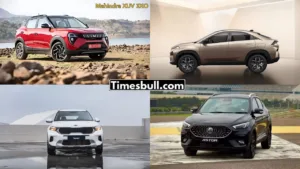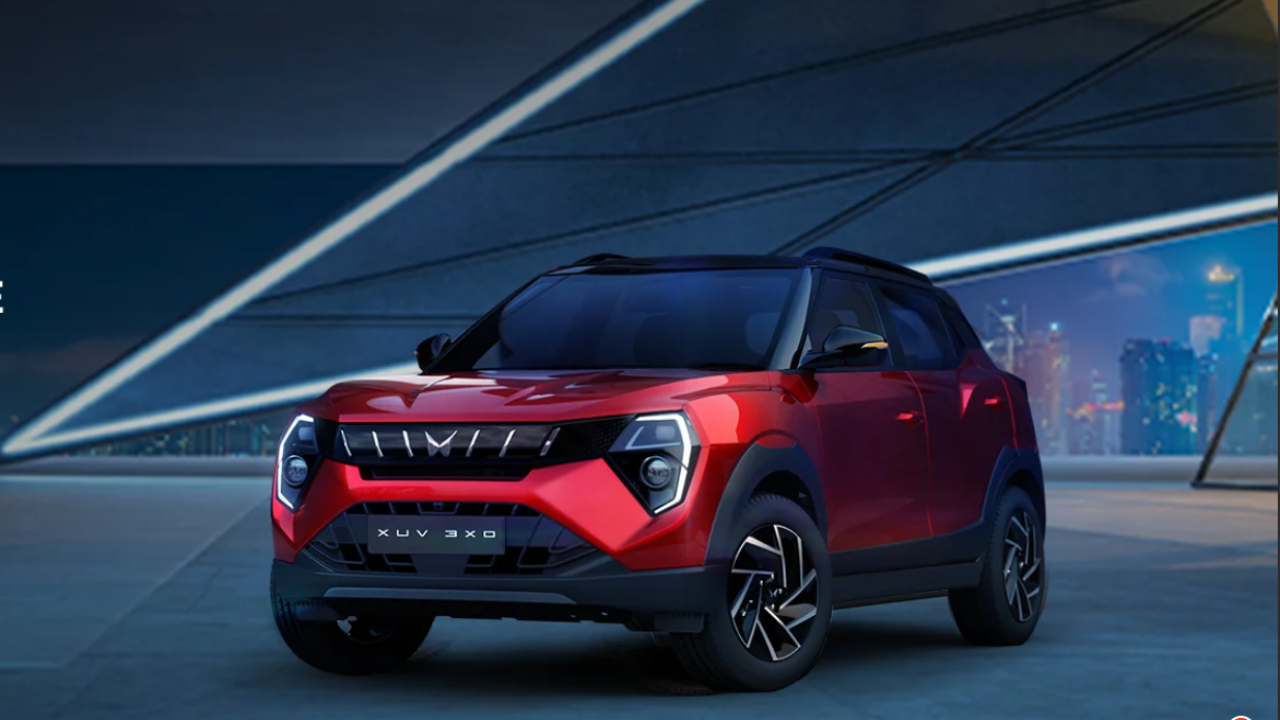
Mahindra XUV 3XO: Compact SUVs are becoming increasingly competitive than ever before in 2025, particularly with feature-loaded models like the Mahindra XUV 3XO and Tata Nexon. Both share robust road presence, good safety ratings, and contemporary appeal. If you’re unable to decide between them, a brief comparison of the price, performance, and features can assist you in choosing the better value option.
Pricing and Variants
Mahindra’s XUV 3XO begins at ₹7.49 lakh, undercuts the Tata Nexon’s starting price of ₹8.15 lakh. The difference in price at the base variant makes XUV 3XO the better choice if you’re looking to buy on a tight budget. Mahindra has also dropped prices on a few popular trims, and they become even more value-for-money. At the high-end, the two models are priced very near each other, but XUV 3XO takes the lead for the features provided at a lower price.
Features
The XUV 3XO is equipped with features such as a panoramic sunroof, double 10.25-inch screens, wireless charging, and ADAS Level 2. Additional attraction comes from the premium cabin finish and 7-speaker Harman Kardon sound system. Nexon also has the same screen configuration and provides luxuries such as ventilated leatherette seats, air purifier, wireless charging, and JBL audio system. But it lacks ADAS and panoramic sunroof in the majority of trims. Nexon is more polished overall but XUV 3XO offers more premium tech for less.
Performance and Fuel Efficiency
Mahindra’s TGDi turbo-petrol motor delivers 129 PS and 230 Nm, providing the XUV 3XO a solid advantage in low-end grunt and urban drivability. Tata Nexon’s turbo engine develops 118 PS and 170 Nm. On fuel efficiency too, the XUV 3XO leads marginally with a real-world mileage of 11.7 km/l compared to Nexon’s 10.8 km/l in petrol automatic. Both the SUVs are available in manual as well as automatic. Diesel Nexons do have better mileage, but in petrol, the lead is with XUV 3XO.
Safety and After-Sales Experience
Both vehicles have five-star safety ratings in Global and Bharat NCAP. XUV 3XO features six airbags, electronic stability control, and advanced driver assist technologies. Nexon equals this with robust safety features and a longer crash-test performance record. Some users have complained of variable service quality and slowness in Mahindra’s after-sales network, though. Tata, on the other hand, is perceived to be more reliable for service and support across several regions.
Also Read: Top 5 Affordable 7-Seater Cars Under ₹15 Lakh for Family Trips
Also Read: Hyundai Creta EV or Tata Nexon EV Which Electric SUV Should You Buy in 2025