



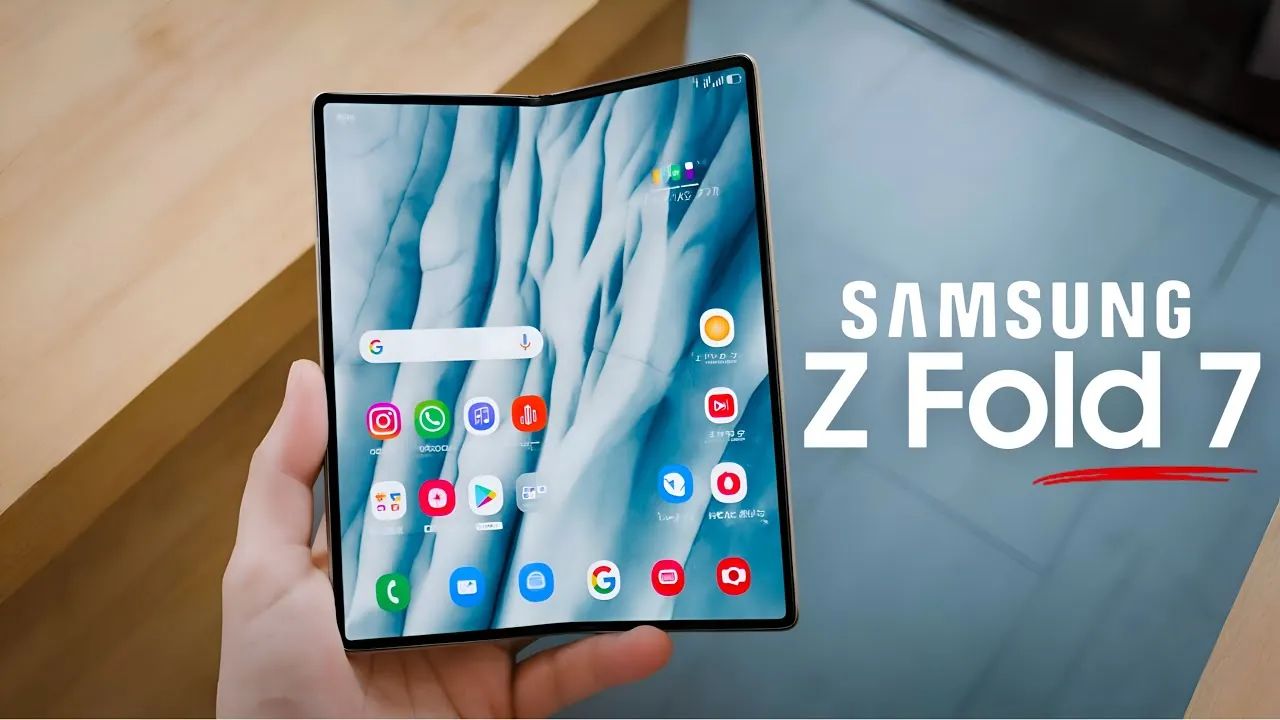
Galaxy Z Fold 7: Samsung’s new foldable flagship, the Galaxy Z Fold 7, has wowed with its thinner profile and the high-end Snapdragon 8 Elite chip. But among the features, one design flip has set talk rolling, ditching the under-display camera (UDC) on the inside screen. Having had UDC in three generations, Samsung has now reverted to a classic punch-hole camera. So, what’s the reason behind this switch?
Read More: Which Flagship Offers Better? – Samsung Galaxy S24 Ultra VS Samsung Galaxy S25 Ultra
Read More: Xiaomi 15 Ultra price and specifications leak ahead of launch
A Behind-the-Scenes Legal Struggle
Though the return to a punch-hole camera is an improvement in terms of photograph quality, there’s said to be another legal motivation. In early this year, Chinese display giant BOE brought a patent infringement complaint against Samsung in the U.S., alleging infringement of a number of under-display camera patents. While the action remains pending, the timing is interesting. The suit came on the heels of Samsung’s preparations to start manufacturing the Z Fold 7, and it has left some wondering if there was a connection between legal issues and the design modification. Even indirectly, the legal context very likely caused Samsung to be more careful with UDC technology this time around.
User Feedback and Real-World Performance
Aside from legal concerns, user feedback has contributed significantly. Since it first landed on the Galaxy Z Fold 3, the UDC was universally panned for its poor photos. The 4MP sensor, though tucked away beneath the screen, tended to create grainy and fuzzy selfies, quite a far cry from what users would want on a $1,999 flagship phone. Samsung has answered back with the Z Fold 7 by replacing the UDC with a more conventional camera solution that gives much higher-quality images and consistency.
A Return to Practicality Over Novelty
Samsung launched the UDC to provide an uncluttered view, but it was always a tradeoff between form and function. Though tech-savvy people welcomed the minimalist screen, common users grappled with the subpar camera outputs. The punch-hole motif, even if it looks less cutting-edge, is going back to basics. It is a recognition of the reality that most users would rather have improved performance than form over function gimmicks, particularly in video-calling, selfie-taking, and productivity-oriented devices.
Temporary Setback or Longer Strategy?
It is uncertain whether this design choice represents a temporary retreat from under-display technology or a longer strategy. Nevertheless, at the present time, Samsung seems to be prioritizing user experience. In the Z Fold 7, the company is focusing on quality, ruggedness, and usability concerns that appeal to more mainstream shoppers than novel features.
Verdict: A Smarter Choice for Foldable Fans
Ultimately, the Galaxy Z Fold 7 may not break the mold as visually as its predecessors, but it delivers something more important: consistency, quality, and user-centric design. In abandoning the under-display camera, Samsung has taken a step that’s less about oohs and ahhs and more about doing the basics well, and that’s a victory for most users.


