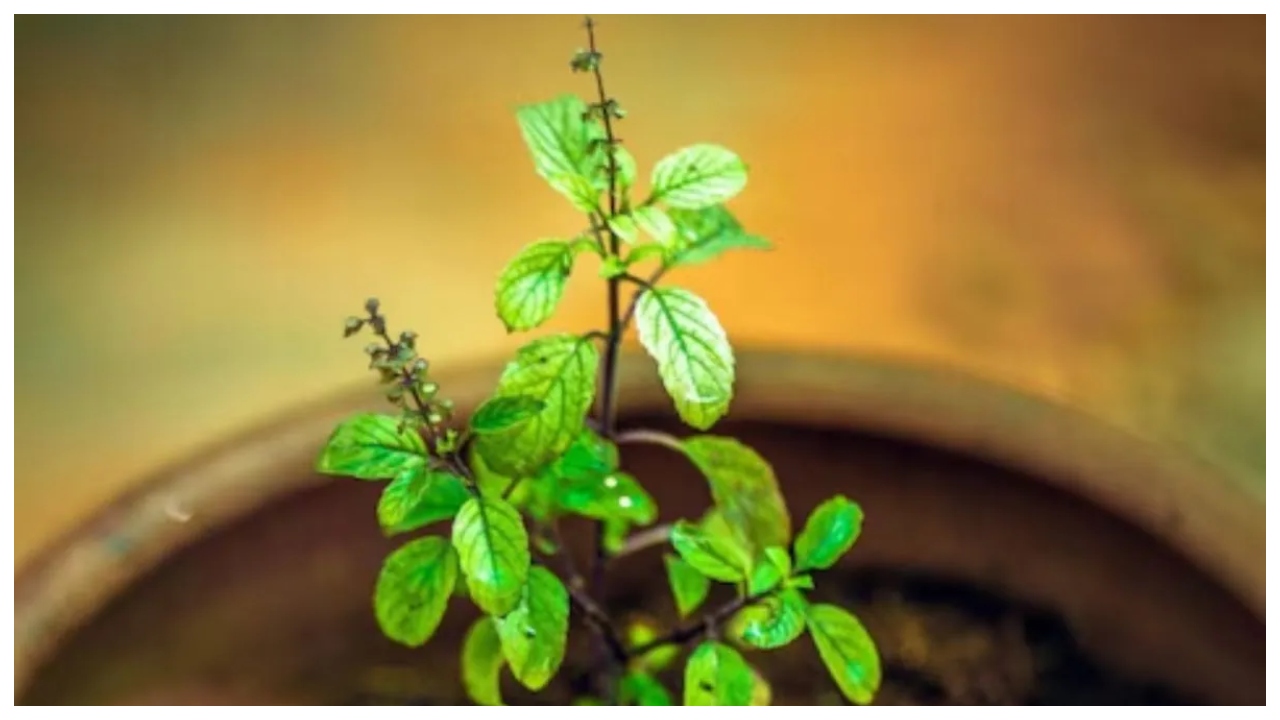
Tulsi (Holy Basil) is not just a sacred plant in Hinduism but also a powerful source of positive energy and prosperity. However, planting it in the wrong direction, on an inauspicious day, or in an improper location can bring negative effects instead of blessings. If you want to attract divine grace and good fortune, follow these scientifically aligned Vastu tips for planting and maintaining Tulsi at home.
Why is Tulsi Considered Sacred?
In Hindu tradition, Tulsi symbolizes purity, health, and spiritual growth. It is believed that homes with a Tulsi plant invite the blessings of Goddess Lakshmi, ensuring wealth and harmony. But merely planting Tulsi isn’t enough—its placement and care matter greatly in Vastu Shastra.
Ideal Direction for Planting Tulsi
According to Vastu, the North or North-East (Ishaan Kon) direction is the most auspicious for planting Tulsi. This zone is associated with divine energy and positivity. Placing Tulsi here enhances:
✔ Positive vibrations in the home
✔ Removal of negativity and stress
✔ Improved health and prosperity
Avoid These Directions for Tulsi
❌ South-East (Agni Kon) – This direction is ruled by fire and is unsuitable for Tulsi, as it may cause imbalance and tension.
❌ South or South-West – These zones can attract negative energies if Tulsi is placed here.
Best Location for Tulsi at Home
-
Courtyard (Brahmasthan) – The most ideal spot, ensuring sunlight and fresh air.
-
Balcony/Window (North-East side) – A good alternative if you don’t have a courtyard.
-
Avoid Rooftops – Tulsi should not be kept on terraces as it disconnects from the home’s energy.
Best Days to Plant Tulsi
Not all days are favorable for planting Tulsi. As per Vastu:
✅ Thursday (Guruvar) – Best for growth and prosperity.
✅ Friday (Shukravar) – Enhances love and harmony.
❌ Avoid Sunday, Monday, and Wednesday – These days may reduce its positive effects.
Choosing the Right Pot & Maintenance Tips
-
Pot Shape: Use round, square, hexagonal, or triangular pots (avoid hanging pots).
-
Material: Clay or terracotta pots are best, as they allow natural airflow.
-
Height: Keep the pot slightly elevated (on a stand or platform) for better energy flow.
-
Care: Ensure regular watering, sunlight, and cleanliness around the plant.
Myth vs. Fact Check
🔹 Myth: Tulsi can be planted anywhere in the house.
✅ Fact: Wrong placement can disrupt Vastu energy flow.
🔹 Myth: Tulsi doesn’t need sunlight.
✅ Fact: It thrives in partial sunlight but should not be kept in complete shade.
Final Thoughts
Tulsi is a divine plant that brings peace, health, and abundance—if placed correctly. Follow these Vastu guidelines to maximize its benefits and avoid negative influences.
Disclaimer: This article is based on traditional beliefs and general Vastu principles. Individual experiences may vary. Always consult a Vastu expert for personalized advice.
Related Stories
 Astrology
 Astrology
 Astrology
 Astrology
 Astrology
 Astrology
 Astrology
 Astrology
 Astrology
 Astrology