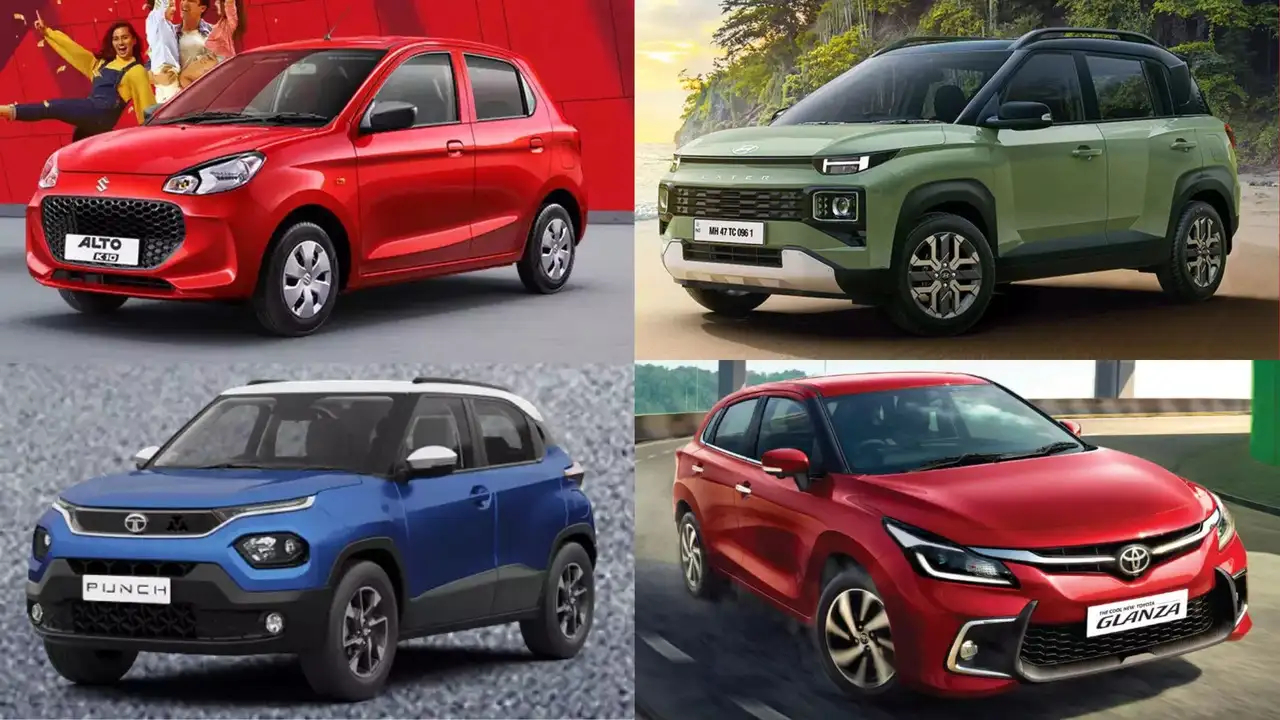
On-Road vs Ex-Showroom Car Price: When you are going to purchase a new bike or car, you notice two different prices: on-road and ex-showroom. Most people are confused about this. Ex-showroom price is the minimum price indicated in advertisements or websites. It includes manufacturer’s price, GST, and dealer margin, but excludes most compulsory charges you pay afterwards.
What is Ex-Showroom Price
Ex-showroom price incorporates the cost of producing the car, incorporating research, development, and delivery costs. Also, includes GST, which is 28% for the majority of cars, although it can be 5–18% for electric vehicles. Apart from that, the dealerships include a minor margin to pay for their expenses and profits, typically 2% to 5%. That is why such a price appears less costly in the showroom or online postings.
What is On-Road Price
On-road price is the amount you pay at last to bring your car home and drive legally. This is always more because it comprises additional taxes and charges other than the ex-showroom price. You will not be able to drive a car unless you pay these additional charges.
Why On-Road Price is More
There are a few charges that add on-road cost. Road tax is one of the largest ones, determined by your state. It can range from 4% to 15% based on the state and the fuel type. Delhi charges 10% road tax for vehicles below ₹10 lakh and 12.5% above that.
Another significant expense is the registration cost. You have to register your vehicle with the RTO and obtain a number plate and an RC certificate. This can range from ₹5,000 to ₹20,000 depending on the state and engine capacity.
Insurance is also compulsorily required under Indian law. A minimum of third-party cover is obligatory, although most opt for comprehensive insurance for greater coverage. Insurance premium is based on model, cost, and driving record, typically adding 2–3% to the bill.
Also Read: 53% EV Market Captured by Mahindra and MG, Tata’s Crown Under Threat
Where Does That Money Go
All these funds don’t remain with the showroom. Road tax, GST, TCS, and green cess are all sent to the government, used to keep roads in place, fund public services, or keep the environment clean. Registration fees are sent to the RTO to issue papers and plates. Insurance is sent to your insurance company to pay for accident or theft claims. Dealers retain their handling fee, accessory charges, and service fees.