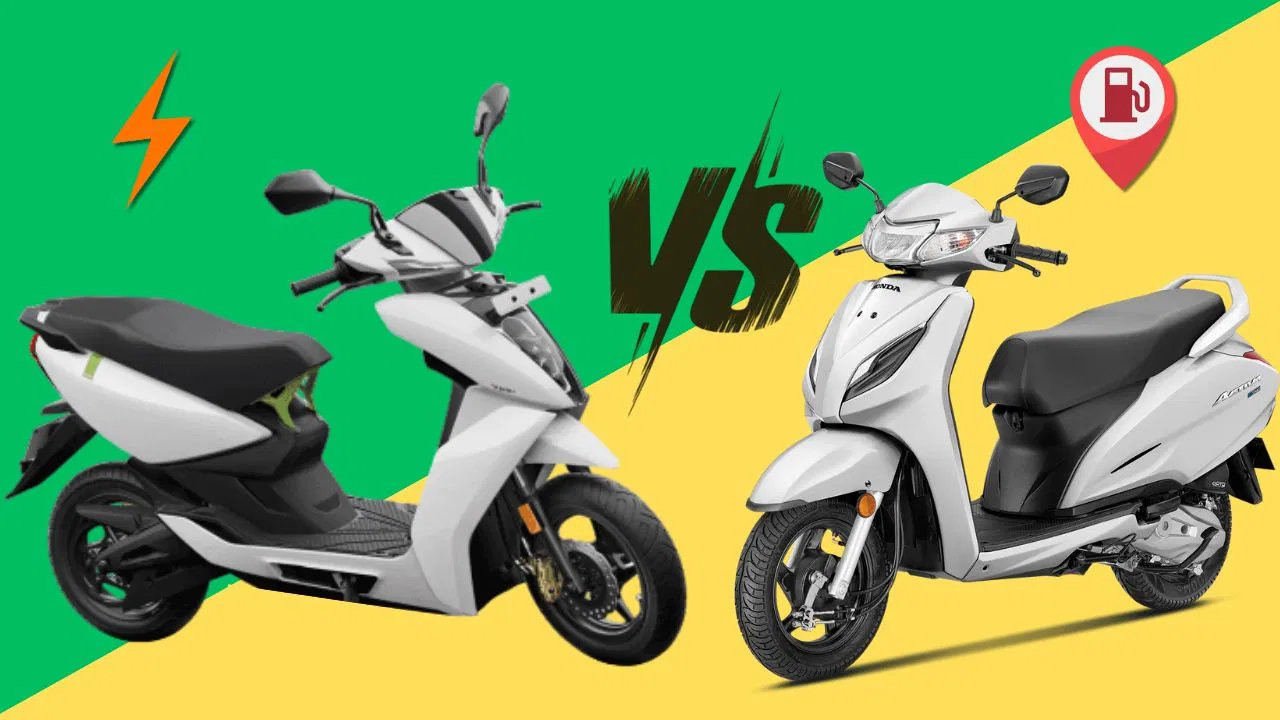
Electric vs Petrol Scooters : While selecting an electric scooter or petrol scooter, style and convenience have always mattered, but in 2025, now more than ever, they are saving a great amount of money. Most people have been switching to electric scooters because of rising fuel prices and government encouragement for cleaner transport. But here arises an important question: Economically speaking, which is good for the long run? Electric or petrol?
To start with, the electric scooter runs on rechargeable batteries. That means no petrol or engine oil is required at all. Charging an electric scooter at home costs very little; sometimes charging does not cost more than ₹15-20 for a full charge.
An average electric scooter runs around 80-120 km on a single charge, so the cost of running one would be less than Rs 0.25! Also, since electric scooters have lesser moving mechanisms, the maintenance cost is cheaper; no oil changes, spark plugs, and no fuel filters. This is why EVs will be way cheaper to maintain over a longer duration.

Talking about petrol scooters, they are quite easily available anywhere and refueling is easy to do. However, the petrol price would be around ₹100 per litre, by 2025, in most cities. The mileage given by a petrol scooter is around 45 to 55 km/l, which means spending about ₹2 per km running cost on an engine. And that costs a huge amount of money accumulated on a yearly basis. Other than that, petrol scooters need regular servicing of engine oil and repairs, especially after a few years of use.
The petrol scooters are still much cheaper, compared to EVs, when it comes to the buying price. An ordinary petrol scooter like Honda Activa begins from ₹75,000, but an electric scooter application like Ola S1X or TVS iQube would cost around ₹85,000 to ₹1 lakh for a decent model. With running and maintenance costs being considerably lower for EVs, one can recover the extra cost incurred within 1-2 years depending on mileage covered.
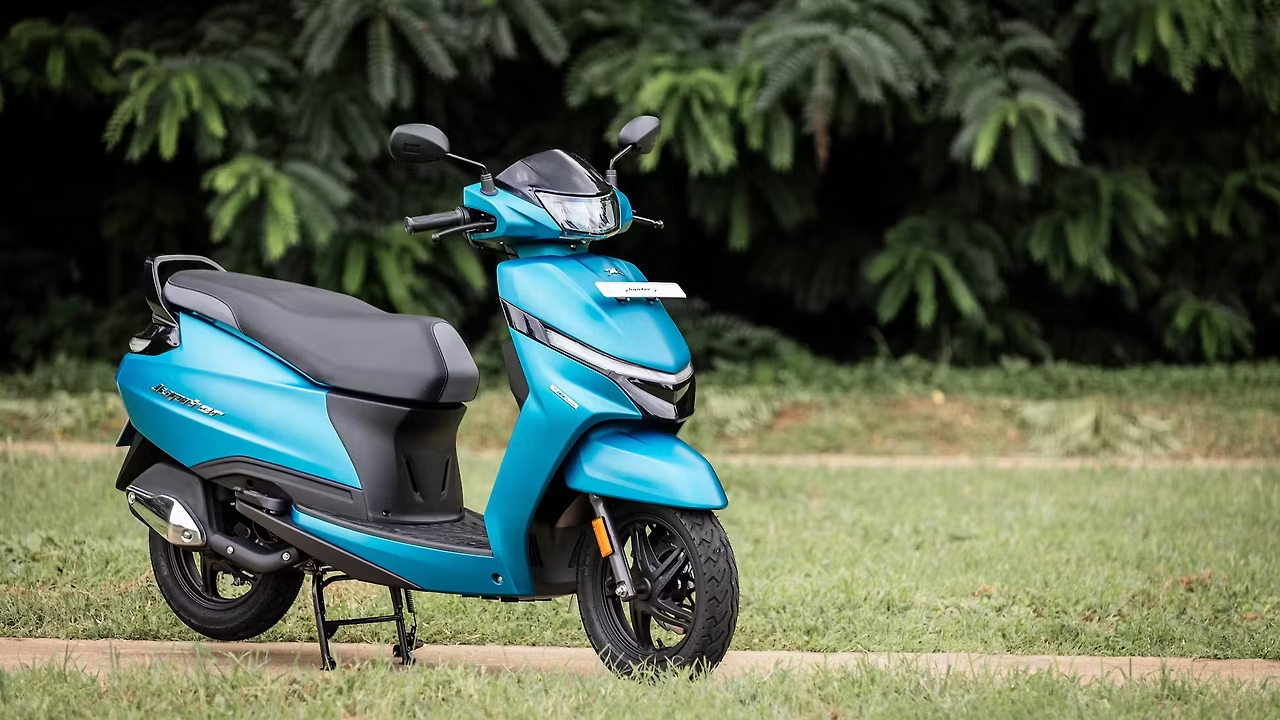
Charging is another story. Petrol is more easily available everywhere while charging stations for electric runneth over. Majority people charge their electric scooters at home for overnight charging, making EVs still feasible for city ride and daily commuting.
Conclusion-: In 2025, if you are making short daily trips within the city, then electric scooters are clearly the economic choice in fuel and maintenance. Petrol scooters well suit long-distance travel; they sound wise for people living in spots where charging stations are limited. For most others, however, EVs will be considered the smart choice and the one that saves money.