Top 7 Camera Phones: only is smartphone photography improving, it is also becoming something we previously solely connected to expensive mirrorless cameras. 2025’s top camera phones are not merely focusing on increasing megapixels.
They have pro-level files, periscope lenses, large sensors, and specialized imaging chips. These seven smartphones ought to be on your shortlist if you are interested in serious photography or simply want the crispest images for your social media feed.
iPhone 16 Pro/Pro Max
The most powerful camera system Apple has ever produced is hidden inside the titanium shell of the company’s most recent Pro iPhones, despite their almost identical look. The coveted 5x 120mm telephoto is now shared by the 16 Pro and 16 Pro Max, finally providing the smaller Pro with the reach it was lacking.
The new 48MP “fusion” primary sensor with second-generation quad-pixel technology is the foundation of the triple-camera setup. In addition to the ultra-wide being upgraded to a 48MP sensor with macro abilities, 48MP ProRAW offers zero shutter latency. But the software is where the true magic lies. Content creators will love the new support for 4K@120 slo-mo, spatial audio capture, and machine learning-assisted “studio mix” audio, which separates voices from background noise.
Xiaomi 15 Ultra
It is safe to say that Xiaomi’s 15 Ultra is the most over-built camera phone available. This is the closest a phone has come to being a photographic Swiss Army knife, featuring a 1-inch type 50MP Leica primary sensor, an ultra-wide, a 3X floating telephoto, and an incredible 200MP periscope zoom.
The cinematography toolkit, in addition to the technology, is what makes it unique. It is the first Android phone to be certified by ACES for professional-level color accuracy, and it has 10-bit log recording on all lenses and enables 4K@120 from its 100mm telephoto. If that is not enough, Xiaomi offers a photographic kit that includes a 2000mAh battery, filter mounts, and a real shutter grip.
Samsung Galaxy S25 Ultra
With its large screen, S Pen, quad-camera setup, and tried-and-true formula, the Galaxy S25 Ultra refines it even further. The 200MP primary camera is still the major attraction, with a 50MP ultra-wide, a 3x telephoto, and a second 50MP periscope telephoto with 5x optical and 100x Space Zoom on either side.
Samsung’s recent ISP upgrades have reduced the disparity in dynamic range and low-light performance, even though its image processing still tends toward saturated colors. It is still among the best in terms of AI-driven detail growth, and it can also capture images in 8K@30 and 4K@60 across its lenses.
Vivo X200 Ultra
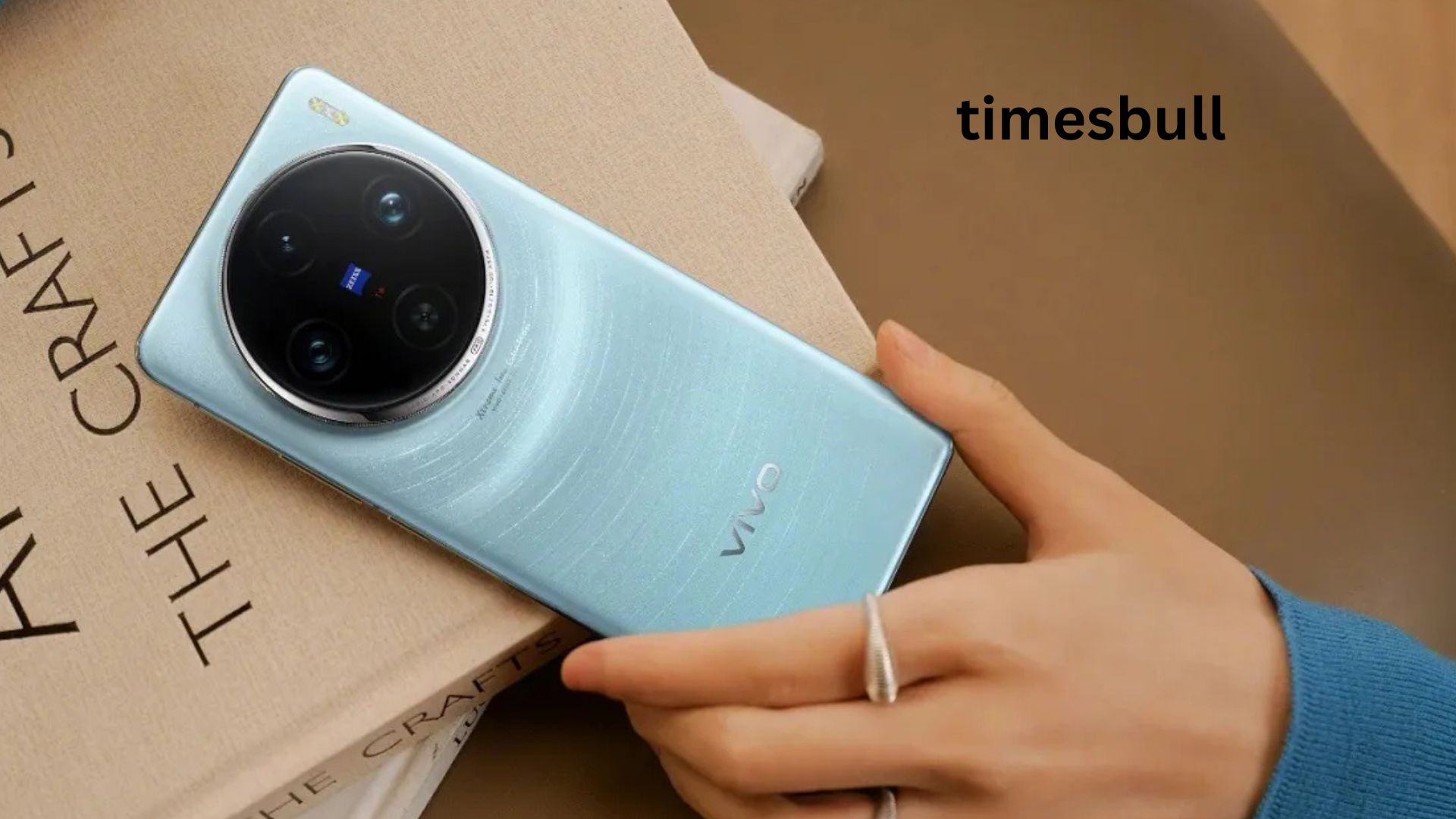
The X200 Ultra is surely Vivo’s pinnacle of camera hardware, which the company is discreetly producing. It has a beautiful 200MP HP9 periscope telephoto with Zeiss APO optics and a revolutionary prism system, as well as two 50MP Sony LYT-818 sensors for its primary and ultra-wide cameras.
The two imaging chips, however, are the real deal: V3+ does the laborious task of generating the final image, while VS1 manages preprocessing. 10-bit log video, 4K@120 frames per second movie-style slo-mo, and a real photographer’s equipment complete with a zoom dial, retractable handle, and spare batteries are all included. This is a portable camera gear that runs Android; it is not a phone.
Pixel 9 Pro XL
While the Pixel 9 Pro XL’s camera specifications may not shout “hardware brute,” the images it captures certainly do. The Pixel takes beautiful pictures with little assistance from the user thanks to Google’s Tensor G4 and AI-first strategy. A 50MP GNK sensor, a 48MP ultra-wide, and a 5x 48MP telephoto are combined to provide photographs with exceptional dynamic range, balance, and detail.
Smart features abound in the software experience: Magic Editor allows you to rearrange subjects after the photo, Best Take automatically blends group shots, and Real Tone remains the most accurate at depicting a range of skin tones. It is an appealing option when you include seven years of updates and 4K@60 video from all lenses.
Oppo Find X8 Pro
Despite being a little inadequate, Oppo’s Find X8 Pro is quite powerful. A LYT-808 primary sensor, a high-resolution ultra-wide, and two periscope telephotos, one with a 6x zoom, make up its triple 50MP configuration. Portrait rendering and color calibration are superb right out of the box because the camera stack was co-developed with Hasselblad.
Its 6.78-inch AMOLED panel, which has a stunning peak brightness of 4500 nits, is one of the greatest displays you will find on a phone, and it supports up to 120x digital zoom. Although it lags behind Vivo and Xiaomi in terms of pro features, it competes on the video front with Dolby Vision and good stabilization.
Vivo X200 Pro
The X200 Pro, which sits just below the Ultra, retains the same 50MP Sony primary sensor and the remarkable 200MP HP9 telephoto sensor as its more pricey. Dolby Vision, full-focal-length log shooting, and 4K@120fps slow motion are still possible without the two imaging chips.
The battery is huge at 6000mAh. With IP68/69 ratings, the build is likewise flagship-grade, and you still get Zeiss APO-certified optics with superb color fidelity. For telephoto lovers in specific, it is possibly the finest value camera phone in this class.
Related Stories


 Gadgets