Ultra-wide Camera Smartphones: If you enjoy taking pictures and are searching for an excellent camera phone that prices less than Rs 20,000, you have come to the correct place. Nowadays, a smartphone’s camera is sufficient to fulfill the interest of photography. Even with a smartphone, you can produce decent photos if you know the fundamentals of photography. However, there are fantastic solutions available for less than Rs 20,000 if you do not want to spend a lot of money on a phone for photography.
OPPO K13 5G
You might also look into the OPPO K13 5G if you enjoy Oppo brand cameras. For Rs 20,000, it can be considered a good camera phone. It sports two cameras on the back, the primary one being a 50 MP camera with an F/1.8 aperture. Its sensor is 1/2.88 inches in size, and its field of vision is 76 degrees. In addition, the phone features a 2 MP monochrome lens with an F/2.4 aperture. It has a really nice portrait mode. The company employed a Sony IMX480 sensor, which is regarded as being fairly good, and there is a 16 MP camera on the front.
About further features, the OPPO K13 5G boasts a 6.67-inch FHD + AMOLED screen. This phone supports a maximum brightness of 1200 nits and has a 120 Hz screen refresh rate. This phone is equipped with a Qualcomm Snapdragon 6 Gen 4 processor and is available in two different capacities: 8GB and 128GB.
Oppo F25 Pro
In the Rs 20,000 price bracket, the Oppo F25 Pro smartphone can be a nice choice. It features a 2MP macro camera, an 8MP ultra-wide camera, and a 64MP primary sensor (without OIS capability). This phone makes pictures appear more dramatic by displaying colors in warm tones. It detects skin tone and depth well in portrait mode. However, in low light, details and dynamic range may be a bit lacking. While 1080p60fps and 4K30fps video recording are supported, dynamic shots may exhibit some stuttering because OIS is not available.
Redmi Note 13 Pro from Xiaomi
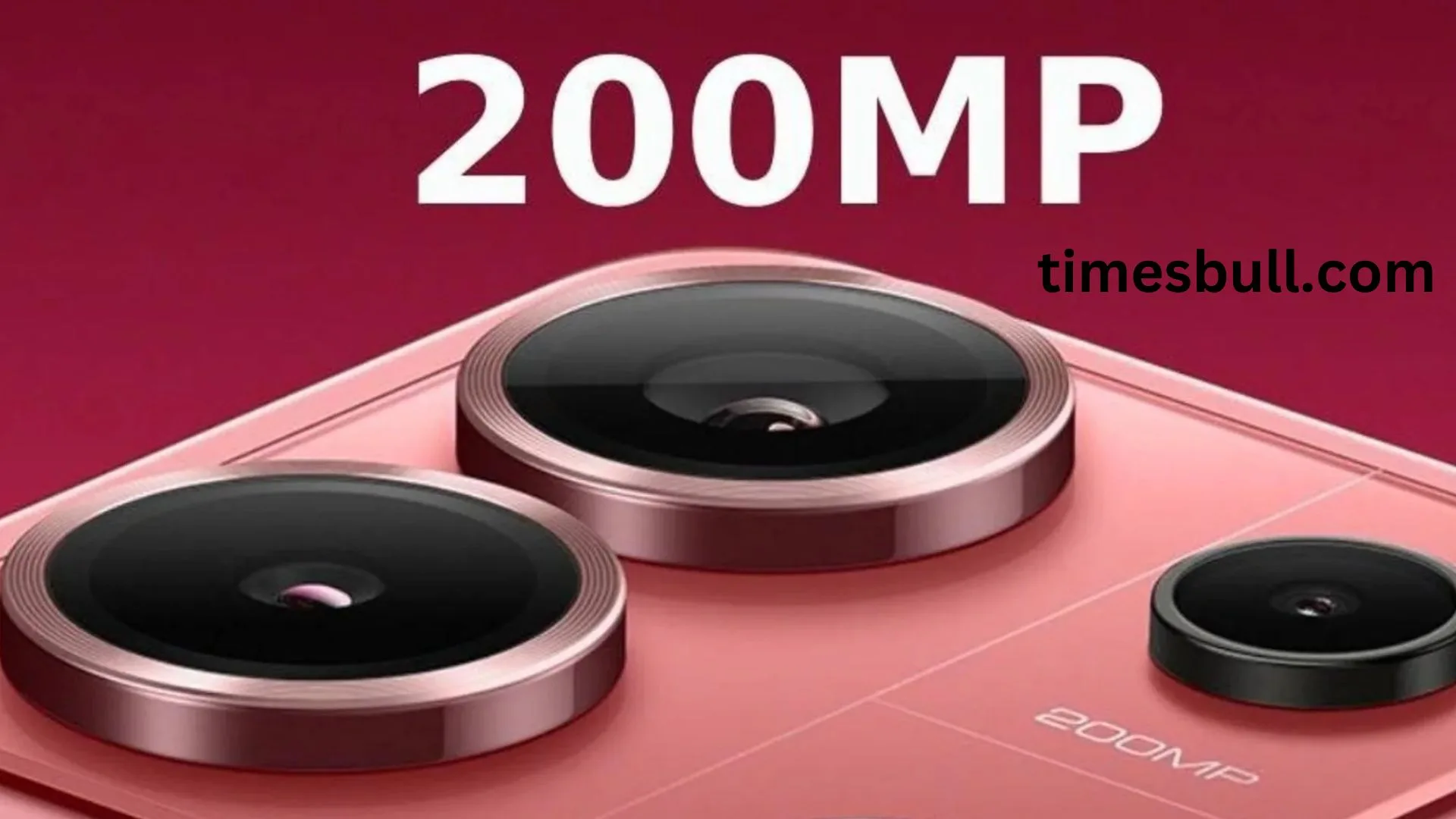
The 200MP ISOCELL HP3 sensor, 8MP ultra-wide, 2MP macro, and 16MP selfie cameras are all features of the Redmi Note 13 Pro. Its primary camera produces nice images, but in low light, color constancy suffers. Performance issues can occasionally arise with portrait cameras. AI tools for editing and managing dynamic range are also available. The gadget can record videos in 4K at 30 frames per second. Nevertheless, 4K@60 frames per second is not supported, even with the 200MP camera. While the front camera works well for vlogging and video calls, the colors are sometimes
POCO X6 5G
The POCO X6 5G features a 16MP front camera, a 64MP primary camera, an 8MP ultra-wide, and a 2MP macro on the back panel. captures stunning, detailed images under optimal lighting situations; but, in low light, the images are not as detailed or color accurate. Edge recognition is improved in portrait mode, and the selfie camera does a good job of capturing skin tone and face details. 4K video recording at 30 frames per second and lesser resolutions at various frame rates are supported by the phone. Both OIS and EIS are supported, and the video quality is good.
Redmi Note 13 5G
A 108MP primary camera, an 8MP ultra-wide camera, and a 2MP macro camera are all located on the back panel of the Redmi Note 13 5G. The phone’s front camera is 16MP. In daylight, the 108MP primary camera works effectively because its contrast and saturation are balanced. Similar results are obtained with the ultra-wide camera, however it displays more grain, particularly in low light. The macro camera is good at identifying subjects, although it is not very detailed. While it tends to diminish skin tones, the front camera captures crisp images. Although it does not support 60 frames per second, it supports FHD at 30 frames per second and records videos using EIS.