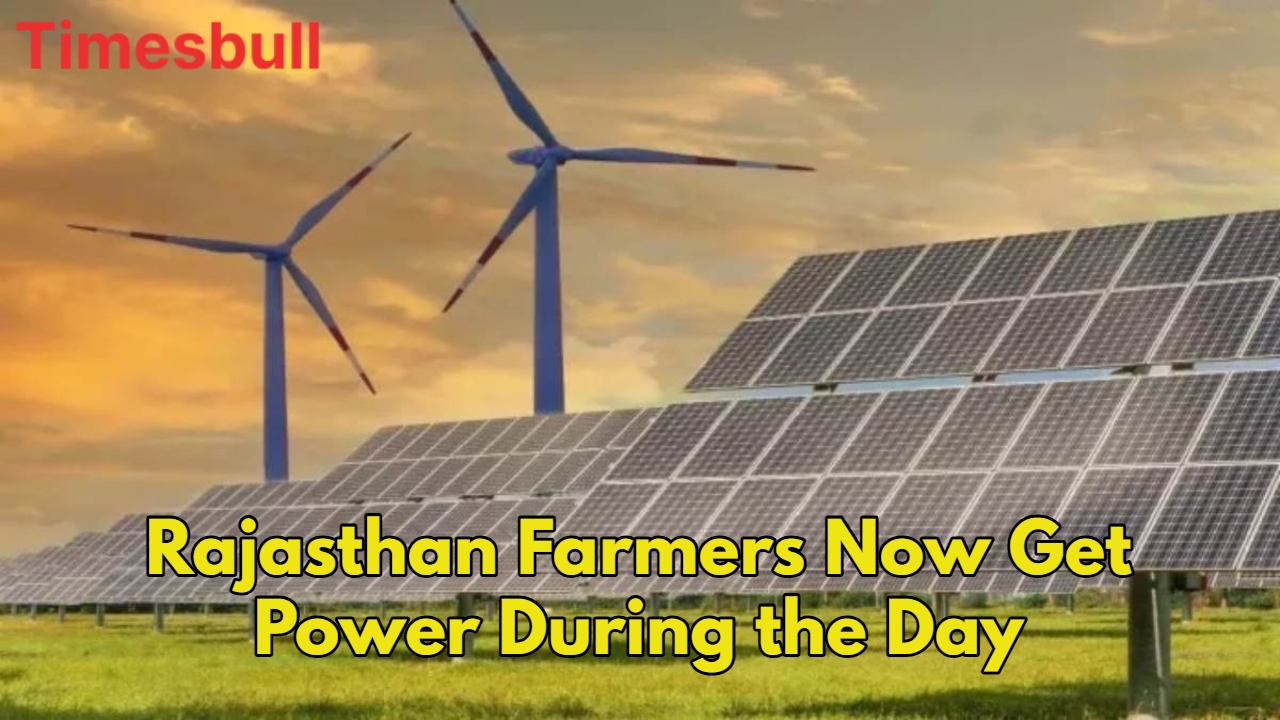
Rajasthan has set a new record of 1,000 MW solar power generation capacity under the Pradhan Mantri Kusum Yojana! This is a big step of the state towards self-reliance in the energy sector. Under this scheme, the farmers of the state are being provided electricity for irrigation using solar energy, which has greatly improved the quality of life of the farmers. This is indeed a historic achievement for Rajasthan!
Light for farmers, power of self-reliance in the energy sector
The main objective of the Pradhan Mantri Kusum Yojana is to provide solar-powered irrigation pumps to farmers for agriculture. Through this, important steps have been taken towards increasing the use of solar energy in the agricultural sector in Rajasthan. Under this scheme, more than 1,000 MW of solar energy is now being produced in the state, which is an important example of promoting self-reliance in the energy sector. This scheme not only provides electricity to the farmers but is also making a significant contribution to environmental protection.
Farmers got electricity during the day from solar energy
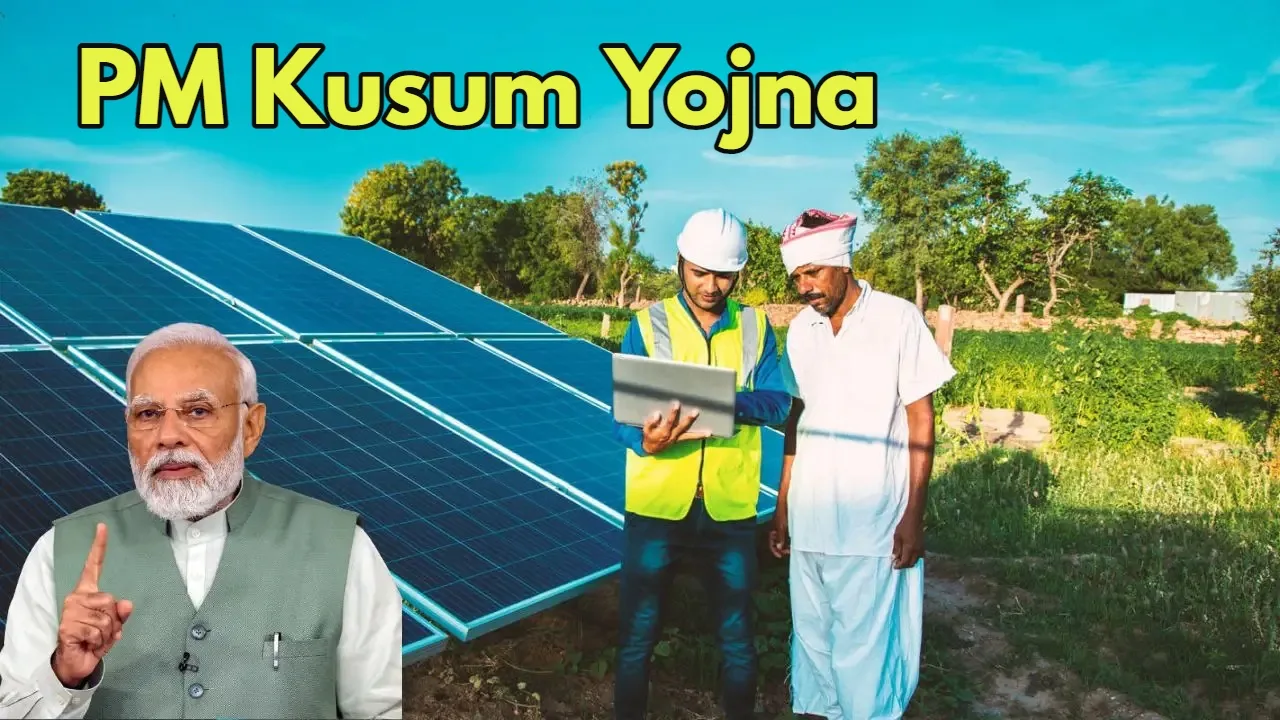
Under the PM Kusum scheme in Rajasthan, farmers are getting electricity easily during the day. Now, more than one lakh 70 thousand farmers of the state are getting electricity through solar-powered irrigation pumps during the day. This has not only improved the irrigation process of the farmers but has also overcome the energy crisis. The state government has ensured that farmers get more stable and economical energy through solar energy. Now farmers are free from the worry of irregular power supply at night or during the day.
Farmers are getting direct benefits
The number of solar power plants under the Kusum scheme in Rajasthan is increasing rapidly. So far, 560 grid-connected decentralized solar power plants have been installed under Component-A and Component-C of the PM Kusum scheme, providing electricity to more than 70,000 agricultural consumers during the day. Apart from this, agricultural pumps of one lakh farmers have been connected to solar energy under Component-B of the scheme. This shows how popular this scheme is becoming among the farmers and how much it is benefiting them.
Rajasthan will become a powerhouse of solar energy
The Government of India has approved an additional 6,000 MW capacity of solar plants in Rajasthan in the next financial year 2024-25 under this scheme. Apart from this, another allocation of two lakh solar pumps has been made in Component-C. In this way, a target has been set to install solar units of about 12,000 MW capacity in Rajasthan in the next few years. This is a big step towards making Rajasthan a leading state in the field of solar energy.
New capacity is being created every day
The pace of installation of solar power plants in Rajasthan has also increased. In the last six months, 134 plants of 183 MW capacity have been installed in Component-A and 196 plants of 514 MW capacity in Component-C. The scheme is now producing an average of four to five megawatts of solar power capacity per day, which is helping to strengthen the energy status of the state. This progress shows how seriously the Rajasthan government is taking this scheme.
Electricity to farmers during the day by 2027
Rajasthan Chief Minister Bhajanlal Sharma has pledged to provide electricity to farmers during the day for agricultural work by the year 2027. The Kusum Yojana is an important step towards achieving this goal and the state government has implemented it as its flagship scheme. This resolution of the Chief Minister shows a strong intention towards bringing a positive change in the lives of farmers.
Rajasthan will become self-reliant in the solar energy sector
By achieving the historic target of 1,000 MW solar energy production under the PM Kusum Yojana, Rajasthan has taken an important step towards making the state self-reliant in the energy sector. The successful implementation of this scheme is benefiting the farmers of the state, and in the future, this scheme will further strengthen the energy status of the state. Rajasthan is now emerging as a model state in the field of solar energy, which can become a source of inspiration for other states also
Related Stories
 Business
 Business
 Business
 Business
 Business
 Business
 Business
 Business
 Business
 Business