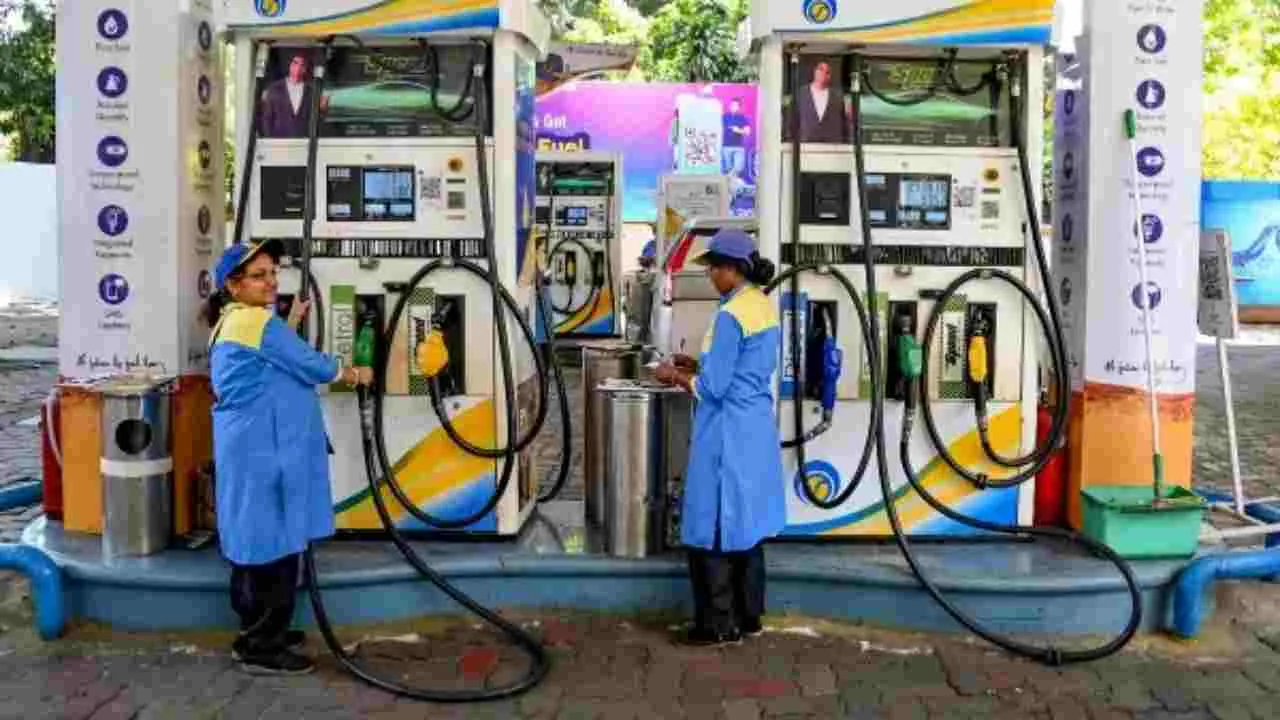
Petrol Diesel Price: With the elections concluded, the government now confronts its most significant and delicate economic choice. The pressing question is whether petrol and diesel prices will increase in the near future. For the last 70 days, despite the crisis in West Asia and soaring crude oil prices, India has managed to shield the common people from direct impacts, but the situation seems to be shifting quickly. The government is now grappling with an extra burden of around Rs 1,000 crore each day, while the losses faced by oil companies have reached alarming levels.
As one of the largest oil importers globally, India has refrained from raising petrol and diesel prices in light of the West Asia crisis. Initially, there was optimism that a ceasefire and diplomatic negotiations would stabilize the situation, reopen the Strait of Hormuz, and bring down crude oil prices. Unfortunately, that has not materialized. Brent crude prices remain above $100 per barrel, heightening the government’s worries.
How long can the government sustain such a massive burden?
According to official estimates, the high prices of crude oil and gas are costing the government about Rs 1,000 crore daily. When Brent crude hit $126 per barrel, the government absorbed a burden of roughly Rs 24 per liter on petrol and about Rs 30 per liter on diesel to lessen the impact on the public.
Moreover, to alleviate the pressure on oil
companies, the government has lowered excise duties on petrol and diesel, leading to an additional impact of around Rs 1.70 lakh crore. Despite these efforts, oil companies’ losses had reached about Rs 30,000 crore by the end of April and are expected to surpass Rs 50,000 crore by the end of the current quarter.
Significant subsidies on gas cylinders as well
The government is also providing substantial subsidies not just on petrol and diesel, but on LPG cylinders too. At present, the government is shouldering a burden of approximately Rs 600 for each 14-kg gas cylinder. Additionally, beneficiaries of the Ujjwala Yojana are receiving an extra Rs 300.
The situation is such that the government has had to issue gas control orders in some sectors to control gas consumption, which has affected gas-based industries. Despite this, India still has to import approximately 20,000 tons of gas daily
Hormuz crisis increases difficulties
The current crisis is considered serious because, for the first time in history, the Strait of Hormuz has been effectively blocked for such a long period. From the Arab oil embargo of the 1970s to the Iran-Iraq War, oil supplies were never completely disrupted. However, this time the situation is different.
India is now forced to purchase more expensive crude oil, but marine insurance premiums and freight costs have also risen sharply. Rerouting ships via the Cape of Good Hope is causing additional delays of two to three weeks in deliveries and increasing freight costs by approximately 15% to 20%. Qatar’s major LNG terminal, Ras Laffan, has also been closed since March and could take up to three years to fully recover. This has further increased uncertainty in the global gas market.
Latest News
- Weather warning – Heavy Rain, thunderstorms, lightning Alerts for 13 States Over Next 3 Days

- UP TGT Exam City Slip 2026 Released – Download at upessc.up.gov.in, Exam June 3-4

- ATM Alert: एटीएम में फंस जाए डेबिट कार्ड तो घबराएं नहीं, फटाफट यह काम करने से होगा समाधान

- Post Office Scheme – 7.5% Interest Rate, ₹5 Lakh Becomes ₹7,24,974 in 5 Years, Start with Just ₹1,000

- Best AI Video Editing Laptops Under 60,000 INR: Top Picks Her

- Best CNG Cars: पेट्रोल के बढ़ते दाम के बीच ये सीएनजी गाड़ी खरीदकर खर्च करें कम, माइलेज भी जबरदस्त

- Samsung Stable One UI 8.5 Update to Galaxy Tab S10 FE and Tab S10 FE+

- बुढ़ापे की लाठी बनेंगी ये तीन स्कीम्स, निवेश से पहले जानिए कितना मिल रहा ब्याज

- OnePlus Nord CE 6 vs Samsung Galaxy A57: Which Mid-Range 5G Phone Wins?

- Lenovo LOQ 15 Gen 11 Review: Best Budget Gaming Laptop?