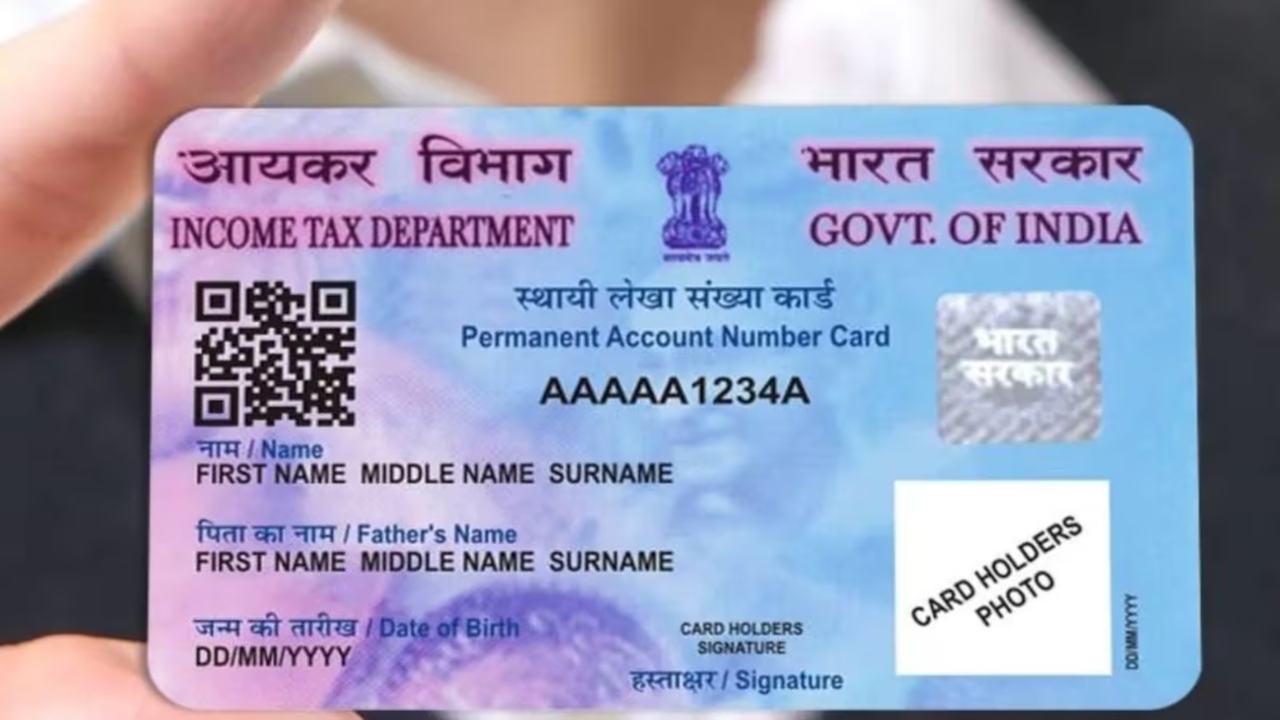
PAN Card Rules: There is a big update for PAN Card Holders. Like the Aadhaar card, the PAN card has become a vital document today. Without it, it’s difficult to perform any financial transactions. This month, several rules related to the PAN card have changed. These changes have a direct impact on your pocket. Let’s explore these changes one by one.
The new Income Tax Act 2025 and Income Tax Rules 2026 implemented by the central government have changed several rules related to PAN cards. Under these rules, the requirement to provide PAN number for many types of transactions has either been eliminated or the limits have been increased. For example, previously, PAN was required for cash deposits exceeding Rs 50,000 in a single day, but now this is no longer required. Additionally, the old Form 60 has been changed, and a new Form 97 has been implemented. Let’s learn the details.
Know Experts Advice
Shaili Gupta, partner at Khaitan & Co., told ET Wealth Online that the new rules include certain new transactions that will now be reported to the Income Tax Department. Under this, the Stock Holding Corporation of India Limited will have to report stamp paper purchases. Under the new rules, purchases up to Rs 2 lakh will be reported if you have a PAN card and up to Rs 1 lakh without a PAN. Similarly, reporting will also apply to amounts received as insurance premiums. The limit is Rs 5 lakh with a PAN card and Rs 2.5 lakh without a PAN.
What changed in real estate matters?
The scope of real estate matters has also been expanded. Gift deeds and joint development agreements (JDAs) are now included, along with property purchases and sales. The limit for these has been raised from Rs 30 lakh to Rs 45 lakh. The annual cash deposit limit for savings accounts has been increased from Rs 2.5 lakh to Rs 10 lakh.
Under the new PAN Rules 2026, the threshold for providing PAN for several large transactions has been increased. The requirement for PAN for property purchases and sales has been raised from Rs 30 lakh to Rs 45 lakh. The new rules will also apply to foreign currency transactions, cash deposits in savings accounts, and bank draft/pay-order purchases. According to the rules, transactions up to Rs 10 lakh will be permitted if a PAN is available, while the limit for some cases without a PAN is Rs 5 lakh.
It is no longer necessary here
The requirement for a PAN card has also been removed from applying for a debit card. The PAN limit for cash payments at hotels and restaurants has been increased from Rs 50,000 to Rs 100,000 per transaction. Two-wheelers costing more than Rs 500,000 will now be subject to the PAN rule, while tractors will be excluded.
Latest News
- Best Scooters For College Girls 2026 – Perfect Mix Of Mileage, Style And Lightweight Design

- Kodak Matrix QLED Google TV 2026 Series Launched in India Just Under 10,999

- Senior Citizen FD Rates: सीनियर सिटीजन को यहां से मिल रहा बंपर ब्याज, जल्द करें निवेश

- UGC NET 2026 – How to Apply for UGC NET June 2026? Last Date May 24 Till 11:50 PM at ugcnet.nta.nic.in

- Mahindra Thar New Version Leaked – Powerful Engine And Advanced Features Coming

- Jio 5G Unexpected Speed Drop: Network Slowdowns Frustrate Users

- SIP Investment– Rs 10,000 Investment Created Rs 2 Crore Through this Magic, Know How

- Gold Price Weekly – Check 24K, 22K & 18K Metro City Gold Rates

- Weather Warning – Heavy to Heavy Rain Alert for 19 States Next 48 Hours, Full State-Wise Weather Forecast

- Maruti’s Premium Hatchback Set For Big Upgrade – New Baleno Spotted On Test