

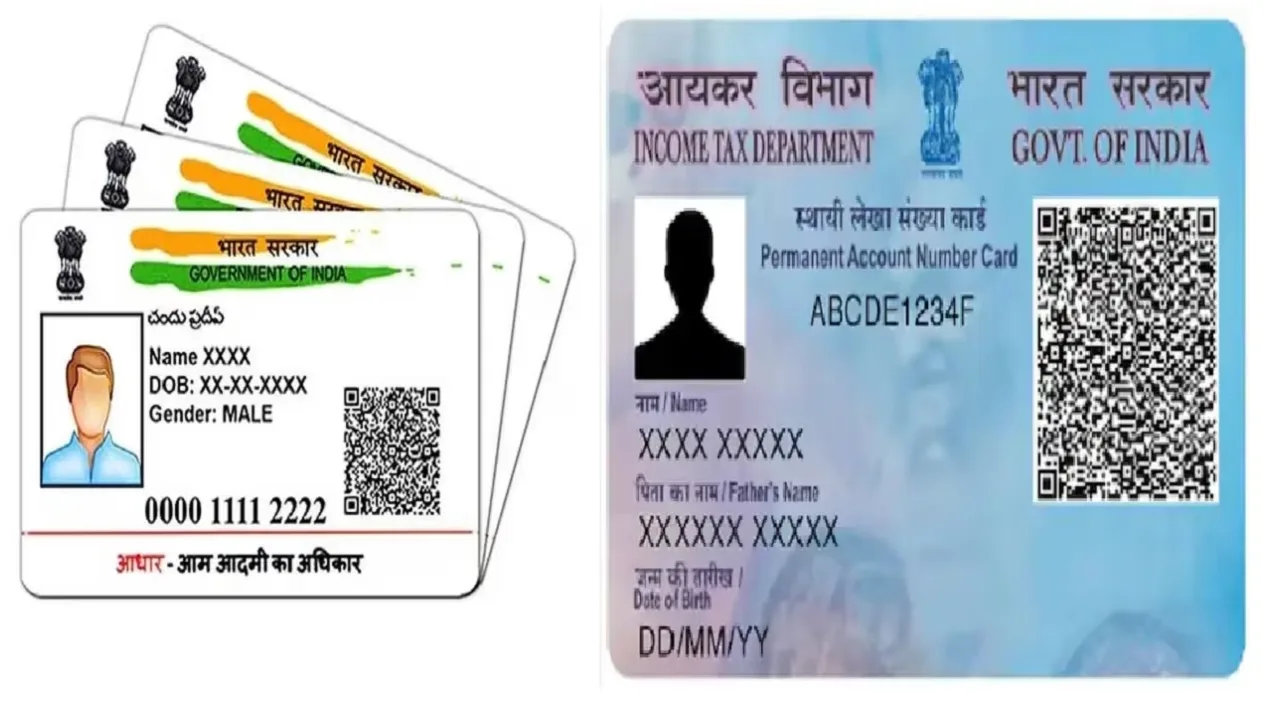
New Delhi: The Aadhaar card is an essential document that holds immense significance. In the current scenario, the absence of an Aadhaar card can cause numerous critical tasks to come to a standstill. India’s digital identity ecosystem—which is built upon platforms such as Aadhaar, PAN, and DigiLocker—witnesses significant changes from time to time.
You must remain informed about certain key digital regulations. A lack of awareness regarding these rules can lead to complications. The Aadhaar card has now become indispensable for matters concerning taxation, banking, government services, and digital verification. With the implementation of new compliance deadlines and the introduction of an increasing number of online services, experts advise that Indians must review and verify their digital documents to avoid any disruptions in 2026.
Is Linking PAN with Aadhaar Mandatory?
The Aadhaar card is regarded as a vital document. It is mandatory to link one’s Permanent Account Number (PAN) with their Aadhaar card. The Income Tax Department has issued a warning stating that any PAN cards not linked with Aadhaar by December 31, 2025, may become inoperative starting January 1, 2026. Furthermore, should a PAN card become inactive:
Taxpayers may face difficulties in filing Income Tax Returns, claiming refunds, or conducting financial transactions that require PAN verification.
Moreover, updating Aadhaar card details has now become significantly easier online. According to the UIDAI, the scope of digital services available for Aadhaar updates has been expanded.
Update Your Aadhaar Card Details Online
The UIDAI has expanded its digital services for updating Aadhaar details. As of late 2025, various corrections—such as changes to one’s name, address, date of birth, and mobile number—can be carried out online without the need to visit an Aadhaar Enrolment Centre.
The Expanding Scope of KYC and Verification
The scope of Know Your Customer (KYC) procedures and verification processes is currently expanding at a rapid pace. Banks, Fintech platforms, and government agencies are increasingly relying on digital KYC verification, utilising documents based on Aadhaar, PAN, and DigiLocker. Alongside this, the government needs to emphasise errorless verification. This constitutes an integral part of the broader Digital India campaign. Its objective is to curb fraud, accelerate the onboarding process, and streamline the delivery of services.