Category: Business

Stay ahead of the curve in India’s dynamic financial landscape with Timesbull. We deliver real-time updates and in-depth analysis on Indian business, finance, and the stock markets. Get the latest BSE/NSE news, ensuring you’re always informed about market movements.

Track the pulse of the Indian economy with our comprehensive coverage of Sensex and Nifty updates. Timesbull provides crucial personal finance insights to help you manage your money effectively and make informed investment decisions.

Beyond breaking news, we offer expert market analysis and insightful perspectives on economic trends shaping India and the global economy. Whether you’re a seasoned investor, business professional, or just starting to manage your finances, Timesbull is your trusted source.

Rely on Timesbull for accurate, timely, and insightful business and finance news, empowering you to navigate the complexities of the Indian market with confidence. Visit Timesbull today to unlock your financial potential.

  • Big News for Central Government Employees, CGHS and ECHS will Provide Significant Benefits

    Big News for Central Government Employees, CGHS and ECHS will Provide Significant Benefits

    Pensioners’ Medical Facilities 2026: The government has issued new guidelines for Central Government Health Scheme (CGHS) beneficiaries and empanelled hospitals. The Ministry of Defence has also announced the implementation of new CGHS rates for Ex-Servicemen Contributory Health Scheme (ECHS) empanelled hospitals, effective December 15, 2025. These changes will remain in effect until 2026. These changes are expected to remain in effect. These changes are intended to simplify the reimbursement process, ensure better healthcare for pensioners and government employees, and ensure hospitals operate in accordance with updated standards.

    Learn about the changes?

    For information, from December 15, 2025, all existing agreements with empanelled private hospitals will be cancelled. This means that hospitals will be required to submit a new digital application to continue providing services under CGHS/ECHS. These hospitals will be required to sign the new Memorandum of Agreement (MoA) within 90 days of implementation. Before December 15th, hospitals will be required to submit an undertaking confirming their agreement to the new rates and terms. If the hospital fails to submit the undertaking, it will be automatically de-empanelled.

    For information, there has been a long-standing demand for reforms in CGHS rates. Many hospitals stated that the old reimbursement rates were not in line with rising medical costs. Beneficiaries wanted clear billing, advance knowledge of estimated expenses, and accountability for hospital service delivery.

    What will hospitals have to do now?

    Hospitals will be required to log in to the empanelment portal, submit documents, and accept the new terms and conditions. Signing the new agreement within 90 days is mandatory. Failure to do so will result in de-empanelment, potentially cutting off service benefits for millions of CGHS and ECHS beneficiaries.

    What will CGHS beneficiaries benefit from?

    Beneficiaries are expected to experience improved access to updated treatment packages, cashless treatment, and simplified reimbursement procedures. CGHS 2025 has implemented several reforms. Among the benefits are expanded cashless treatment for pensioners. More procedures and cardiac/oncology-related treatments are now covered by the cashless facility. Paperless authorisation and online referral systems have been strengthened. Additionally, panel hospitals are now threatened with stricter penalties and blacklisting for refusing services.

  • Stock Market: Mid-Cap Mutual Funds Surge in 2026 — Top Schemes Deliver Up to 30% Returns

    Stock Market: Mid-Cap Mutual Funds Surge in 2026 — Top Schemes Deliver Up to 30% Returns

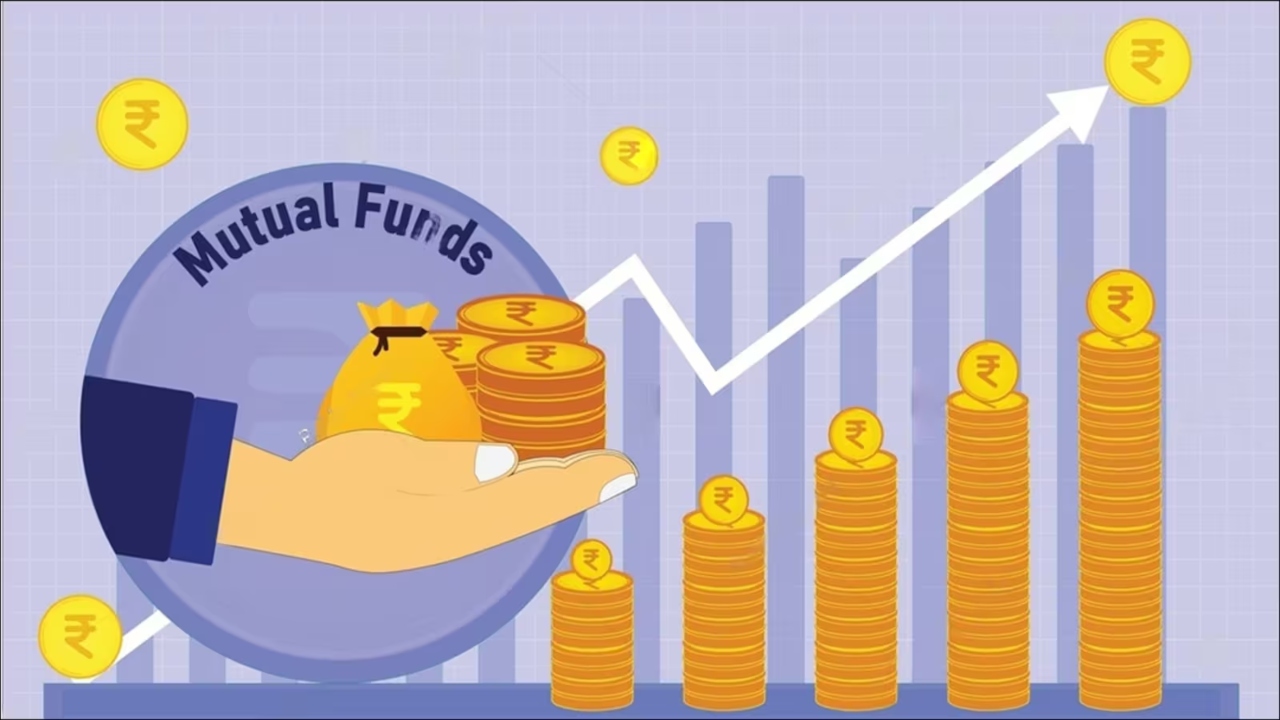
    Mid-Cap Mutual Fund: With the start of 2026 in the Indian stock market, investors have once again turned to mid-cap mutual funds. Market experts believe that mid-cap companies (those ranked 101st to 250th in terms of market capitalization) offer a perfect balance between the stability of large-caps and the buoyant momentum of small-caps. In 2026, as core sectors of the Indian economy, such as infrastructure and manufacturing, have seen a boom, select mid-cap funds have surprised everyone with their returns.

    Top Performing Mid-Cap Funds of 2026

    Based on the latest data for February 2026 and the average annual returns (CAGR) over the past 3 to 5 years, here’s a comparative breakdown of the performance of leading funds:

    Motilal Oswal Midcap Fund

    Mutual Fund
    Mutual Fund

    This fund remains the undisputed king of the mid-cap category in 2026. It has delivered a robust return of approximately 30.38% over the past 3 years. Its 5-year CAGR is also close to 25.30%. With a high alpha and Sharpe Ratio, this fund is ideal for investors seeking aggressive growth with a slightly higher risk profile.

    Edelweiss Mid Cap Fund

    Edelweiss has distinguished itself in terms of stability and consistency. This fund has delivered an annualized return of 25.16% over 5 years. According to the February 2026 report, its 10-year SIP return also topped the category at 21.4%.

    HDFC Mid-Cap Opportunities Fund

    With a massive asset under management (AUM) of over ₹92,000 crore, this fund is known for its stability. It has delivered a return of 26.84% over the past three years. Its biggest strength is its ability to provide strong protection to portfolios during market downturns.

    Nippon India Growth Fund

    This fund has never disappointed long-term investors. Its 5-year average return through 2026 is 23.09%. This fund primarily focuses on mid-cap companies that have the potential to become large-cap stocks in the future.

    Quant Mid Cap Fund

    Due to its dynamic and data-driven investment model, Quant has delivered impressive returns of 32.10% over 5 years. While its recent one-year performance has seen a slight slowdown, it still holds a top position in terms of long-term track record.

    Why are mid-cap funds attractive in 2026?

    According to financial experts, mid-cap companies are likely to benefit in 2026 due to two main reasons. First, the increasing consumption power of the Indian middle class has led to a sharp improvement in the profits of mid-sized consumer goods companies.

    Second, stable interest rates and the government’s PLI schemes are benefiting mid-cap manufacturing companies the most. This is why a monthly SIP of ₹10,000 over the past 10 years has created a massive corpus of ₹35 lakh to ₹37 lakh across several mid-cap funds.

    How to choose the right fund?

    The secret to success in mid-cap investing is patience. Experts recommend investing in this category with a horizon of at least 7 to 10 years. Since mid-cap funds are more volatile than large-cap funds, adopting the SIP route instead of a lump sum investment is the best way to minimize risk. If you want a balance between safety and returns, funds like HDFC or Nippon are better, and if your risk appetite is higher, you can go with funds like Motilal Oswal or Quant.

  • Power Employees in UP Staged a Massive Protest, Demanding the Restoration of the Old Pension Scheme

    Power Employees in UP Staged a Massive Protest, Demanding the Restoration of the Old Pension Scheme

    Old Pension Scheme: Power employees in Uttar Pradesh held protests in various districts on Thursday, demanding the privatization of power companies and the restoration of the old pension scheme. In the capital, Lucknow, the Electricity Department headquarters, Shakti Bhawan, was surrounded, causing traffic jams in front of the building. Following the call of the Vidyut Karmachari Sanyukt Sangharsh Samiti, power employees, contract workers, junior engineers, and engineers from all Lucknow offices reached Shakti Bhawan. Employees registered their protest against privatization, harassment, retrenchment of contract workers, and the restoration of the old pension scheme. A large number of farmers also joined the protest, joining the workers under the banner of the Revolutionary Farmers’ Union.

    Strikes and Protests in These Districts

    In the Agra district, government bank and LIC employees were on strike, while power employees were working. In Amroha, power employees joined the protest in the afternoon after a symbolic strike. In Farrukhabad, employees joined the protest at the call of the Vidyut Vibhag Sanyukt Sangharsh Samiti against the Electricity Bill and privatization. Electricity office employees in Bholepur also demonstrated to press their demands.

    Normal work in Rampur and Sambhal

    In Rampur, employees in the offices of electricity employees and other organizations functioned as usual. Ram Babu Sharma, district president of the State Employees Joint Employees Council, stated that no special program was scheduled for the day regarding the strike or the old pension scheme. Electricity employees in the Sambhal district also performed their regular work.

    Main Demands of the Movement

    The main objectives of the electricity employees are to stop privatization, ensure the regularization of contract workers, and restore the old pension scheme. During the demonstration, the employees made it clear that if their demands are not addressed, the movement will expand further.

  • What is UPI AutoPay and How to Set Up? Know in Detail Everything

    What is UPI AutoPay and How to Set Up? Know in Detail Everything

    Digital payments have rapidly become a part of everyday life in India. In this regard, the National Payments Corporation of India launched the UPI AutoPay feature on July 22, 2020. Its purpose was to simplify and automate regular payments such as bills, EMIs, insurance, investments, and subscriptions. To promote digital transactions, the Reserve Bank of India increased the autopayment limit to ₹1 lakh per transaction. This has made large recurring payments such as investments, insurance, and credit card payments easier.

    Regular expenses such as OTT, insurance, loans, and utility bills are driving the demand for automated payment systems. UPI AutoPay addresses this need and helps customers make timely payments.

    What is UPI AutoPay?

    UPI AutoPay is a digital e-mandate system that allows customers to set up regular payments by giving one-time permission. The money is then automatically deducted from their account on the scheduled date. This feature is useful for payments such as mobile bills, electricity bills, EMIs, mutual fund investments, and insurance premiums.

    The rise of digital services and subscription-based platforms has necessitated this feature. This eliminates the need for customers to manually make payments each time, ensuring timely payments.

    How to Set Up UPI AutoPay

    UPI AutoPay first involves setting up an e-mandate on any supported UPI app, such as Paytm. The customer then sets the payment date, amount, and term. Once authorized with the UPI PIN, the system automatically deducts the funds at the agreed time.

    The system also sends a notification before the payment to keep the user informed. If necessary, the customer can pause, modify, or cancel the mandate.

    New Transaction Limit

    Under the new limit, auto-debit up to ₹1 lakh is possible for certain categories. Previously, this limit was lower, which caused difficulties with larger payments. Now, payments such as mutual fund investments, insurance premiums, and credit card bills have become easier. This will increase trust in digital payments and allow larger financial transactions to be conducted using UPI.

    Key Benefits of UPI AutoPay

    UPI AutoPay ensures timely payments, avoiding late fees or penalties. It is a completely digital and secure system that requires no paperwork. Customers can choose a payment term at their convenience. They also have the option to pause or modify payments.

  • New Toll Charges on National Highways from Today: Reduced or Increased? Find Out

    New Toll Charges on National Highways from Today: Reduced or Increased? Find Out

    Do you also travel by car on the National Highway regularly? Then here is important news for you. Because, the toll charges on the National Highways have been reduced a lot this time (National Highway Toll Tax). The Union Ministry of Road Transport and Highways has revised the toll charges on the National Highways across the country from today, i.e. February 15, after amending the 2008 rules. How much has been reduced? Know in detail in this report.

    National Highway Toll Reduced

    Relevantly, currently, the toll charges are charged from the users of the National Highways by about 25 percent more than on regular National Highways. Because, these access-controlled corridors provide fast, uninterrupted and comfortable travel. Even if the expressway is not completely open, the operational section is charged at a higher rate.

    However, under the new rules, when a National Expressway is not open from one end to the other, the toll charges applicable to the National Highways section under the National Highways 2008 Rules will be charged at a much lower rate. That is, it goes without saying that the common commuters will benefit immensely from this.

    In a statement, the Ministry of National Highways and Road Transport said that the main objective of this amendment is to encourage the use of National Highways, so that users are encouraged to travel on open areas and traffic congestion on National Highway routes is reduced. Besides, this rule will create opportunities for fast movement of supplies and passengers, and pollution due to traffic congestion on old National Highways will also be reduced. And the biggest thing is, this rule is being implemented from today. As a result, the pockets of daily commuters will be saved a lot.

  • Free LPG Cylinder Scheme Announced Ahead of Holi, Full Details Inside

    Free LPG Cylinder Scheme Announced Ahead of Holi, Full Details Inside

    LPG Cylinder: Big relief for everyone. The Holi festival is just around the corner. During this festive time, millions will be getting free LPG cylinders. But, this offer is only for folks living in two states: Uttar Pradesh and Delhi. Only those who meet all the eligibility requirements can take advantage of this. Let’s dive deeper into the details.

    Holi gift from Yogi government

    Thanks to the Pradhan Mantri Ujjwala Yojana (PM-Ujjwala), women beneficiaries in Uttar Pradesh will get free LPG refills, bringing relief to 18.6 million women in the state during the festive season. The Yogi government is giving out two free LPG refills each year in two phases. The first phase provided LPG cylinders for Diwali between October and December 2025. The second phase will offer free LPG cylinders from January to March 2026. Last year, the state government set aside Rs 1,500 crore for this initiative.

    Recently, Delhi Chief Minister Rekha Gupta announced that another BJP election promise is being fulfilled, with free LPG gas cylinders for Holi and Diwali for families with valid ration cards. The Delhi Cabinet has decided to transfer Rs 853 to cover the cost of an LPG cylinder. This amount will be sent directly to the accounts of eligible beneficiaries through the Direct Benefit Transfer system.

    Eligible ration card holders who use Piped Natural Gas (PNG) connections will also benefit from this scheme. The government has earmarked Rs 242 crore for this free gas cylinder initiative. Currently, an LPG cylinder in Delhi costs Rs 853. Beneficiaries under the Pradhan Mantri Ujjwala Yojana (PMUY) in Delhi will receive financial help of Rs 553 per cylinder. This figure has been calculated after factoring in the Rs 300 subsidy per cylinder provided by the central government. Families with ration cards that are not part of the Ujjwala Yojana will get assistance of Rs 853 per cylinder.

    What is Ujjwala Yojana?

    The Pradhan Mantri Ujjwala Yojana was launched in May 2016. The government launched the Ujjwala 2.0 scheme in August 2021, aiming to issue 1 crore additional Pradhan Mantri Ujjwala Yojana connections, which was achieved in January 2022. Following this success, an additional 6 million LPG connections were issued under Ujjwala 2.0, bringing the total to 1.60 crore connections by December 2022.

    Furthermore, the government approved the issuance of 7.5 million additional connections for the period from FY 2023-24 to 2025-26, which was successfully achieved in July 2024. Under Ujjwala 2.0, a special provision was made for migrant families, allowing them to obtain a new LPG connection through self-declaration instead of requiring proof of address and ration cards.


  • DA Hike Update: 2% Increase Likely for Central Employees Before Holi

    DA Hike Update: 2% Increase Likely for Central Employees Before Holi

    DA Hike: Employees and pensioners of the central government are looking forward to the dearness allowance (DA) increase for January-June 2026. It’s likely to be revealed in the first week of March, just before Holi, as is the usual practice. Typically, the central government announces the January DA revision in March (often ahead of Holi) and the July DA revision in October or November, around Diwali. However, this year’s announcement is particularly important.

    This will mark the first DA hike following the conclusion of the 7th Pay Commission’s term on December 31, 2025, and comes at a time when employees are keenly watching the developments regarding the 8th Pay Commission.

    Why is this DA hike important?

    As of December 31, 2025 (the end of the 7th Pay Commission’s term), the DA stood at 58% after a 3% rise for the July-December 2025 period. If predictions hold true, the upcoming January 2026 revision might see a 2% increase, bringing the DA up to 60%. However, if the increase is indeed 2%, it would be one of the smallest January increases since 2000, akin to the increases seen in January 2025, 2018, and 2007. But it wouldn’t be the lowest ever (January 2000 had a mere 1% rise).

    A glance at the smallest DA hikes in January since 2000:
    – January 2000 – 1% increase
    – January 2007 – 2% increase
    – January 2018 – 2% increase
    – January 2025 – 2% increase

    This indicates that the 2% hike in January 2026 will be among the lowest in the past 26 years, but even a small percentage is significant for employees, as DA directly affects their monthly salary, arrears, and pension payments.

    What will happen to DA when the 8th Pay Commission is implemented?

    The upcoming DA hike is also significant because it coincides with the transition to the 8th Pay Commission. The government notified the commission’s Terms of Reference (ToR) on November 3, 2025, after announcing it in January 2025.

    Current Status (as of February 2026)

    – The official website (8cpc.gov.in) is live.
    – A detailed questionnaire is available on the MyGov portal.
    – Submission deadline: March 16, 2026.
    – Only online submissions will be accepted (no email or paper copies).

    The survey covered 18 key questions – fitment factor; annual increment; pension structure; and allowance revision. The commission has 18 months from November 3, 2025, to submit its final recommendations. It is headed by former Supreme Court judge Ranjana Prakash Desai.

    Are you hoping for a salary bump with the 8th Pay Commission?

    While the recommendations aren’t set in stone yet, early estimates indicate a fitment factor ranging from 1.83 to 2.46; salary hikes of 30–34% are expected to kick in starting January 1, 2026. The interesting part is that when the new pay structure rolls out, the DA will reset to zero, just like it has in previous pay commission implementations.

    This has sparked some chatter among employees about whether the DA increase will keep going during the transition. The government has made it clear that there’s no plan to stop the DA increase until the new structure is in place. The National Council (JCM) is working on a detailed memorandum, and a meeting for the drafting committee is set for February 25, 2026, to nail down the employees’ demands.

    The consultation phase is super important, as feedback from ministries and departments, state governments and UTs, employee unions, pensioners, researchers, and academics will shape the final recommendations. The Commission’s final report is anticipated to benefit around 5 million central government employees and 6.9 million pensioners.

  • New Vande Bharat Express to Start Next Week, 4h 15m Journey, Timings & Stoppages

    New Vande Bharat Express to Start Next Week, 4h 15m Journey, Timings & Stoppages

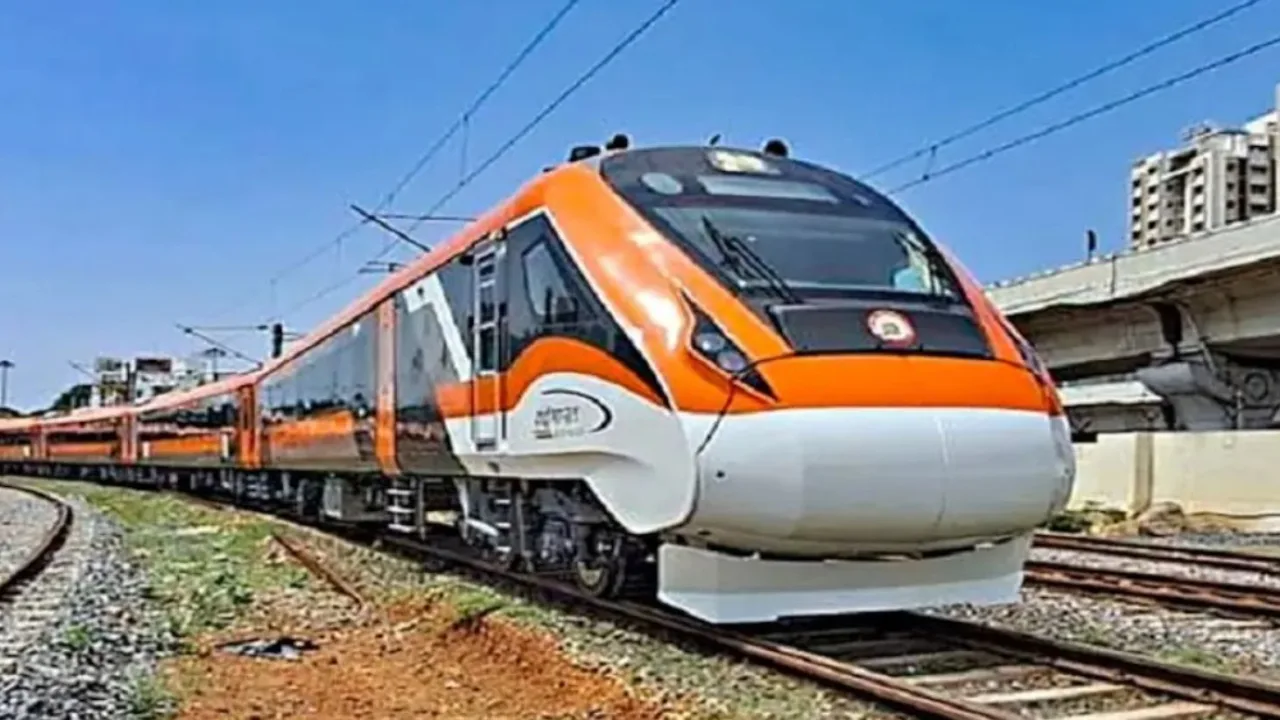
    Vande Bharat Express: The Ministry of Railways is set to launch the Udaipur-Asarwa (Ahmedabad) Vande Bharat Express next week. This new semi-high-speed train will be managed and operated by the North Western Railway (NWR) zone. It’s expected to enhance regional connectivity and stimulate the economy in the state.

    Udaipur-Asarva (Ahmedabad) Vande Bharat Express Train Number

    As per reports, NWR Chief Public Relations Officer Amit Sudarshan announced that the regular service for Train No. 26963/26964, which runs from Udaipur City to Ahmedabad (Asarwa) and back, will commence on February 18, 2026.

    He also mentioned that this new train is being introduced following the cancellation of two Vande Bharat Express services: Train No. 20979/80 Udaipur City-Jaipur-Udaipur City Vande Bharat Express (set to be discontinued on February 15) and Train No. 20981/82 Udaipur City-Agra Cantt-Udaipur City Vande Bharat Express (to be discontinued on February 16).

    Udaipur-Asarva Vande Bharat Express Travel Time

    The Udaipur-Asarwa Vande Bharat Express will travel the 296 km distance in just 04:15 hours, making it the fastest train on this route. The Udaipur City-Ahmedabad (Asarwa)-Udaipur City Vande Bharat Express will operate six days a week, with Tuesdays being the only day it doesn’t run.

    Udaipur-Asarwa Vande Bharat Express Stoppages

    Train No. 26963/26964 will make stops at three stations (Jawar, Dungarpur, and Himmat Nagar) on its route between Udaipur and Asarwa. The train will feature 7 AC Chair Car coaches and 1 Executive AC Chair Car coach.

    Train Timetable

    Udaipur City – Ahmedabad (Asarva) Vande Bharat Express (Train No. 26964) will depart Udaipur City at 06.10 hrs and arrive Asarva at 10.25 hrs. Similarly, Ahmedabad (Asarva) – Udaipur City Vande Bharat Express (Train No. 26964) will depart Asarva at 17.45 hrs and arrive Udaipur City at 22.00 hrs.

    This state-of-the-art train is equipped with modern amenities such as reclining, comfortable seats, sliding doors, mobile charging points, bio-toilets, automatic entry and exit gates, and CCTV cameras. This train will offer passengers a fast, safe, and super-comfortable travel experience.

    Diversion of routes of Vande Bharat and other trains

    The railway announced that the Vande Bharat Express from Gorakhpur to Patna will no longer travel via its old route. From February 15th to 17th, the train will travel from Narkatiaganj via Sikta to Raxaul, then to Sugauli via Ramgarhwa, and then return to its main route.

    Not only Vande Bharat, but dozens of other trains, including the Saptkranti, Satyagraha, Champaran Humsafar, Jananayak Express, and Dehradun Special, have been decided to run via Raxaul. So, if your train is on this route, be sure to check its live status before heading to the station.

  • Major Changes in Pensions After the 8th Pay Commission, Learn About the Impact of the Fitment Factor

    Major Changes in Pensions After the 8th Pay Commission, Learn About the Impact of the Fitment Factor

    8th Pay Commission Fitment Factor: Between March and May of every year, most salaried employees are concerned about their job profile, appraisal, increments, and arrears. While the increment process in private companies is lengthy and complex, the salary hike process for government employees is also ongoing. The 8th Central Pay Commission has now been formed and is required to submit its recommendations to the government within 18 months.

    This is an important opportunity for government employees to share their views on how much their salaries should increase, how arrears should be calculated, what changes should be made to pension benefits, and what should be the fitment factor. The central government has sought suggestions under this process and has released a questionnaire on the MyGov portal. The deadline for submitting suggestions is March 16, 2026. The Commission will prepare a report based on feedback on changes to salaries, allowances, and pension structures that will impact all government employees.

    What did the Commission say on its website?

    The Commission stated on its website that it is seeking input from all stakeholders to provide sound and balanced recommendations. This includes employees of the central government and union territories, judicial officers, court staff, members of regulatory bodies, employee organisations, pensioners, researchers, academics, and the general public.

    Learn about the changes in the fitment factor

    The fitment factor is mentioned because it is a multiplier tool used to calculate employees’ new salaries. The fitment factor may be set at 1.92 in the 8th Pay Commission. The formula for the new salary is simple: Basic Salary × Fitment Factor = New Salary. For example, if the basic salary is ₹18,000, then ₹18,000 × 1.92 = ₹34,560. HRA, TA and DA will also be calculated on this basis.

  • How to Increase Your UPI Transaction Limit, Know Reason and Process

    How to Increase Your UPI Transaction Limit, Know Reason and Process

    UPI Transaction Limit: India is rapidly moving towards a cashless economy, and UPI has become a crucial medium in this transition. People are using UPI extensively for everyday needs, such as rent payments, online shopping, ticket bookings, medical bills, and school fees. Its high speed, ease of use, and instant transaction confirmations have made it a trusted tool for everyone, from ordinary people to businesses.

    The UPI system is operated by the National Payments Corporation of India, which manages India’s real-time payment network to promote digital payments in the country.

    What is the UPI daily limit?

    There is a fixed daily limit on UPI transactions. Generally, most banks allow up to approximately ₹100,000 per day for UPI transactions. This limit resets every 24 hours.

    It’s important to understand that the UPI limit isn’t set solely by the app. This limit is determined at three levels, including NPCI regulations, the bank’s own security policies, and controls implemented within the app. Therefore, different users may receive different limits.

    When can a higher UPI limit be available?

    UPI limits may be higher than normal for certain payment categories. For example, IPO investments, tax payments, hospital expenses, education fees, and government payments, limits can sometimes range from ₹200,000 to ₹500,000.

    However, this feature is only available if the respective bank supports higher limits for that category. Each bank’s policy may vary.

    When can the UPI limit be reduced?

    When a user connects a new bank account to UPI or links a new mobile number, the bank may initially set a lower limit for security reasons. This can also happen when changing phones or activating UPI for the first time.

    Transaction limits may also be affected if KYC is incomplete. It’s also important to note that the UPI limit is linked to the bank account, not the app.

    Many people today use the same bank account for different apps, such as Google Pay, PhonePe, and Paytm, but this doesn’t increase the total limit.

    How to Increase UPI Limit

    If a user needs a higher limit, they should first contact their bank and inquire about the current limit. If KYC is incomplete, it’s important to complete it immediately.

    In some cases, the bank may activate a separate limit for specific categories of transactions. If the limit isn’t increased, it’s better to make large payments on different days, use a different bank account, or use alternatives like net banking and RTGS.

    Caution is Important in Digital Payments

    UPI is extremely convenient, but proper planning is always essential for large transactions. Attempting to make a payment without prior knowledge can result in a failed transaction. Therefore, it’s important to always keep up-to-date on bank regulations, security requirements, and KYC status.

  • EPFO: How Rs 50,000 Monthly Income Can Create Rs 5.5 Crore Fund? Know here

    EPFO: How Rs 50,000 Monthly Income Can Create Rs 5.5 Crore Fund? Know here

    EPFO: While making money is super important, putting it away in the right spots is just as vital. Regular investments make it easier to prepare for unexpected expenses and retirement. The Provident Fund (PF) offered through government schemes can really help with this. If you’re earning Rs 50,000 a month, you could end up with over Rs 5.5 crore in the long run.

    What’s EPFO and how does it work?

    The Employees’ Provident Fund Organisation (EPFO) is a government agency that manages a provident fund scheme for workers. This scheme is particularly advantageous for those in the private sector. Each month, 12% of your basic salary is deducted, and your employer matches that amount. This means a total of 24% is added to your PF account every month. Over time, this consistent investment builds a substantial retirement fund.

    The government determines the PF interest rate annually. Right now, it’s set at 8.25% per year. This interest is compounded, which helps your savings grow significantly over time. For instance, if you earn Rs 50,000 and your salary increases by 6% each year, the amount you put into PF will also rise. The longer you invest, the more interest you’ll earn.

    How do you reach that Rs 5.5 crore goal? Let’s break down the math

    Imagine you start working at 22 and keep investing in PF for 60 years. With a salary of Rs 50,000, you’ll be putting Rs 24,000 into your PF account each month (that’s both your contribution and your employer’s). After 38 years, your total contributions will be around Rs 1.36 crore. With the 8.25% annual interest, the interest alone could grow to about Rs 4.20 crore. So, by the time you retire, you could have roughly Rs 5.56 crore in your account.

    It’s clear that regular investment, long-term investment, and the effect of compounding can turn even a modest-paid individual into a millionaire. Therefore, consistently investing in schemes like PF, starting from the early years of employment, can prove to be a very wise move for future financial security.

    Meanwhile,

     The Employees’ Provident Fund Organization (EPFO) is preparing to launch a new withdrawal feature that will allow EPFO ​​members to withdraw their provident fund in real time using UPI. Government sources said this functionality is being worked on for release soon.

    According to a  report, the Ministry of Labor is also working on a system that will allow people to instantly withdraw up to 75% of their EPF balance through UPI. This service will be available through a new mobile application as well as a dedicated window on the EPFO ​​portal. The tentative timeline for the launch of this application is April.

  • Pensioners Portal: A Major Relief for Pensioners, All Work Can Now be Completed Within Minutes

    Pensioners Portal: A Major Relief for Pensioners, All Work Can Now be Completed Within Minutes

    Pensioners Portal Login: The Central Government has launched an integrated pension portal in collaboration with banks for the convenience of pensioners. This new platform provides a single platform for pension processing and payment services from five major banks, eliminating the need for pensioners to visit different websites. Through this portal, pensioners can check the status of their life certificates, download monthly pension slips, and obtain information related to Form 16.

    The Department of Pension and Pensioners’ Welfare stated that this initiative aims to fully digitize pension services and provide more transparent and simplified services to pensioners. The integrated system integrates pension services from Bank of India, as well as SBI, Bank of Baroda, Punjab National Bank, and Canara Bank. This will enable pensioners to access all essential services through a single window system.

    What is the Integrated Pension Platform?

    This platform has been developed to digitize the entire pension process. Its primary objective is to increase transparency and efficiency in pension services. Pensioners can access their personal information and service details through this system, and submit pension-related forms online. Updates regarding pension approval status will be sent via SMS and email. This platform also integrates the Bhavishya Portal and online grievance redressal systems such as CPENGRAMS.

    What is the Bhavishya Portal?

    The Bhavishya Portal is a key component of this digital system. It aims to make the pension process and payments online from start to finish. Through this platform, retiring employees’ PPOs are issued electronically, and the required documents are submitted online. The facility to link documents to DigiLocker is also provided. The Bhavishya Platform was made mandatory for all government departments from July 1, 2017, to reduce delays in pension processing and ensure the timely disbursement of benefits to retiring employees.