Category: Business

Stay ahead of the curve in India’s dynamic financial landscape with Timesbull. We deliver real-time updates and in-depth analysis on Indian business, finance, and the stock markets. Get the latest BSE/NSE news, ensuring you’re always informed about market movements.

Track the pulse of the Indian economy with our comprehensive coverage of Sensex and Nifty updates. Timesbull provides crucial personal finance insights to help you manage your money effectively and make informed investment decisions.

Beyond breaking news, we offer expert market analysis and insightful perspectives on economic trends shaping India and the global economy. Whether you’re a seasoned investor, business professional, or just starting to manage your finances, Timesbull is your trusted source.

Rely on Timesbull for accurate, timely, and insightful business and finance news, empowering you to navigate the complexities of the Indian market with confidence. Visit Timesbull today to unlock your financial potential.

  • Holi 2026 Public Holiday: State-Wise School and Bank Holiday List Across India

    Holi 2026 Public Holiday: State-Wise School and Bank Holiday List Across India

    Holi 2026: School and bank holidays vary by state, based on the state calendar and upcoming festivals. The vibrant festival of Holi is just around the corner, and as usual, there’s some confusion about the dates. If you have any banking tasks to complete in the near future, this information is important for you. Starting today, banks will be closed for five days. Schools will also be shut for approximately four days. If you haven’t finished your banking tasks, you might need to wait a little longer.

    When will schools and colleges be closed?

    A series of bank holidays is about to start today. After that, schools and banks will also be closed on Sunday. All schools will be closed on March 2, 3, and 4. Additionally, holidays will commence in various states on March 2 due to the Holi festival. It’s important to keep this in mind to avoid any inconvenience. In Lucknow and Kanpur, banks will be closed on March 2 for Holika Dahan.

    However, while banks across the country will remain open, all schools nationwide will be closed. Following this, banks will close on March 3 in cities like Delhi, Mumbai, Jaipur, Patna, and Kolkata for Dhulandi and Dol Jatra. Holi will be celebrated on March 4, leading to a complete closure of banks in most cities across the country, including Ahmedabad, Chandigarh, Ranchi, and Lucknow.

    Even though bank services will be unavailable, there’s no need to worry as digital and online services such as mobile banking, net banking, and UPI will continue to operate.

    Uttar Pradesh recognizes March 2 as a holiday for Holika Dahan

    Several states observe holidays on March 3 or March 4

    Certain areas may prolong closures based on local traditions

    SCHOOL HOLIDAYS FOR HOLI 2026

    Most educational institutions shut down for one to two days during Holi. According to preliminary state-level calendars:

    March 3–4: Bihar, Jharkhand, Haryana, Delhi, Uttar Pradesh
    March 2–3: Rajasthan
    March 3 only: Some southern states, where local celebrations like Attukal Pongala take precedence
    Parents and students should verify school announcements, as private institutions might modify or add holidays.

  • 8th Pay Commission – Central Government Employees DA to be Merged with Salary? Salary Hike Expected

    8th Pay Commission – Central Government Employees DA to be Merged with Salary? Salary Hike Expected

    8th Pay Commission: The central government is now about to open its coffers for central employees and pensioners, a move everyone is eagerly awaiting. The question of when the government will implement the 8th Pay Commission remains. It is expected that employees’ salaries will see a record-breaking increase after the implementation of the new Pay Commission.

    Meanwhile, in a letter to Justice Ranjana Prakash Desai, Chairperson of the 8th Pay Commission, the Federation of National Postal Organizations (FNPO) has caused a stir by demanding the merger of 50% of the dearness allowance (DA) into the basic pay from January 1, 2026, and providing interim relief to central employees and pensioners. According to the central employees’ organisation, this move will provide immediate financial relief and restore purchasing power to some extent.

    DA hike expected soon.

    The Modi government at the centre may soon announce a DA hike, which will bring significant benefits. This time, the DA could be increased by up to 2%. Currently, central government employees receive 58% DA. This will increase the DA to 60% after the 2% increase.

    To mitigate the impact of DA, government employees and pensioners are provided with DA/DR, which is based on the All India Consumer Price Index for Industrial Workers. The government revises DA twice a year, in July and January.

    Although the government has stated that DA will not be merged with basic salary, many employee organisations have long demanded that DA be merged with basic salary to provide interim relief to over 10 million employees and pensioners.

    Learn why the demand for DA merger is being raised.

    For information, according to the FNPO, DA is directly linked to the cost of living, and its continuous increase indicates a decline in the real wages of employees. Meanwhile, rising inflation has led to a continuous increase in the prices of essential goods and services.

    This has weakened the purchasing power of employees and pensioners. The employee union argues that in the past, when DA exceeded 50%, a portion of it was merged into the basic pay to balance the pay structure. The merger of DA will increase allowances, pensions, gratuities, and other retirement benefits, providing long-term financial stability to employees.

    When could the new Pay Commission be implemented?

    The central government’s implementation of the 8th Pay Commission remains a major question. It is expected that the 8th Pay Commission will be implemented by May 2027, which could lead to a significant salary increase. The team has begun working on the review report.

  • Indian Railways to Launch Second Vande Bharat Sleeper Train This Month – Check Route and Key Details

    Indian Railways to Launch Second Vande Bharat Sleeper Train This Month – Check Route and Key Details

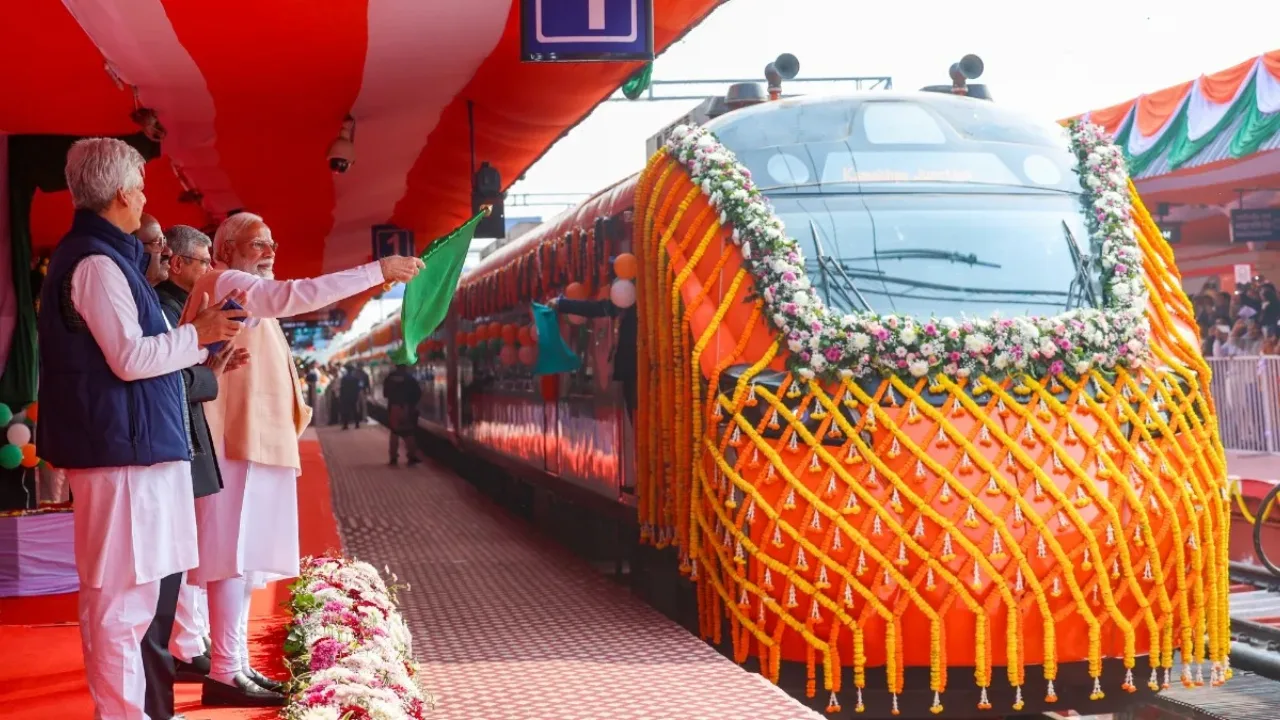
    New Vande Bharat Sleeper: Another good news for train passengers. The second Vande Bharat Sleeper train in the country is set to hit the tracks in March. Although its route hasn’t been confirmed yet, experts suggest it may operate on one of these routes: Delhi-Howrah, Delhi-Mumbai, or Chennai-Bengaluru-Mumbai.

    A senior official from the Railway Board mentioned that the goal is to have a total of 12 Vande Bharat Sleeper trains in operation by 2026. Each train will feature technological and convenience upgrades compared to the previous models. Designed by Bharat Earth Movers Limited (BEML), the Vande Bharat Sleeper aims to offer passengers an experience akin to that of an airplane or a five-star hotel. The aisles of the train will have smart sensor lights that activate only when passengers are moving.

    For the first time, this train will utilize bolsterless coaches, ensuring that a cup of tea remains secure on the table even at speeds of 160 km/h. It will also include airplane-style bio-vacuum toilets and touch-free faucets. The newly designed advanced Vande Bharat sleeper train will showcase smart sensor lights, vacuum toilets, bolsterless coaches, and premium catering services.

    VIP quota in Vande Bharat Sleeper too

    It’s important to note that the Railway Board has recently implemented a significant change in the rules for Amrit Bharat and Vande Bharat sleeper trains. A new directive issued on February 9 has reinstated the emergency quota (YIP quota) in these premium trains. A senior Railway Board official explained that initially, as per the January 2026 rules, only quotas for ladies, senior citizens, and disabled individuals were available in these trains to maintain transparency in ticketing. However, due to high demand from passengers and urgent needs (like medical emergencies or government duties), this change has now been put into effect.

    He informed that the number of berths has been fixed for different trains and classes. In Amrit Bharat Express, this quota will be applicable in those trains which have seven or more sleeper coaches. In these, 24 berths per train in sleeper class have been reserved for emergency quota. Whereas, in Vande Bharat Sleeper, there is a system of allotment of berths based on the class of the coach. There is a provision of quota berths on the basis of normal days and weekends. In Vande Bharat Sleeper, 4 to 6 berths will be reserved in AC-1, 20 to 30 berths in AC-2, 24 to 42 berths in AC-3.

    These seats remain vacant until the chart is prepared. If no emergency request is received, these seats are allotted to general passengers on the waiting list. Berths in this quota are allotted for medical emergencies (serious illness or travel to a hospital), family reasons (death of a family member or any other unforeseen event), government duty (MPs, ministers, High Court and Supreme Court judges, and government officials on duty), and other job interviews or very important official work.


  • PM Kisan Yojana – Farmers to Receive ₹2,000 Installment by This Date! Check Update

    PM Kisan Yojana – Farmers to Receive ₹2,000 Installment by This Date! Check Update

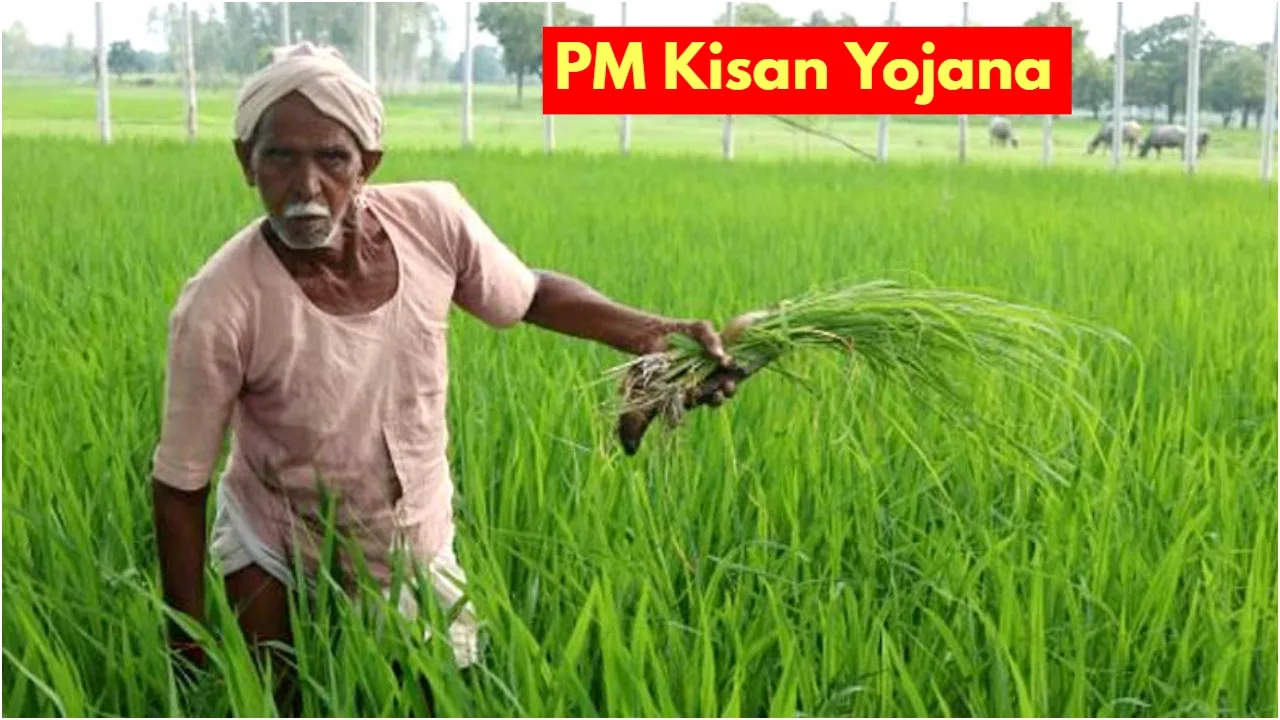
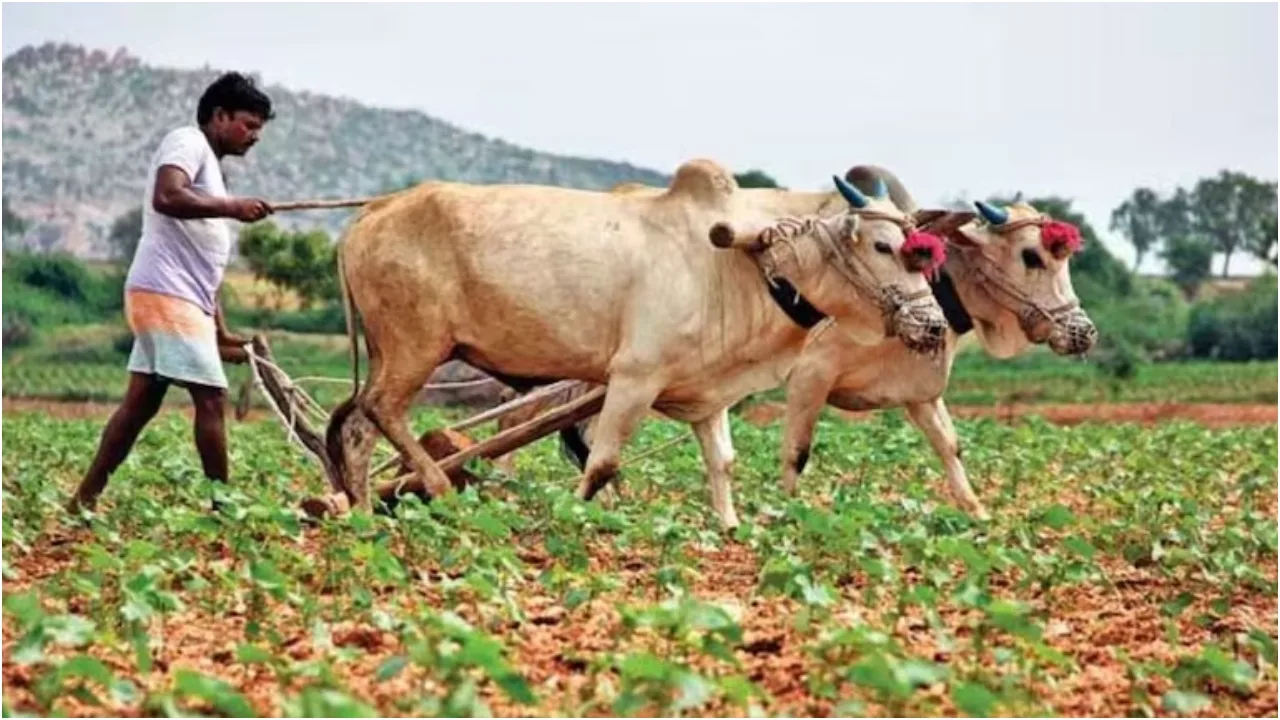
    New Delhi: If your name is linked to the PM Kisan Samman Nidhi Yojana, then this news will prove to be very useful. Previously, there was talk that farmers could receive up to ₹2,000, the next 22nd instalmentof the PM Kisan Samman Nidhi Yojana, on Holi. But that will no longer be the case.

    The 22nd instalment of the scheme, amounting to ₹2,000, is expected to be received in the second week of March. It is hoped that the government is considering transferring this insinstalment March 14th, which will prove to be good news. You can learn important details about the scheme in the article below, which will completely clear up any confusion.

    It was expected to be received by Holi.

    The 22nd insinstalment the central government-run PM Kisan Samman Nidhi Yojana was supposed to be received by the end of February, but that didn’t happen. Now, the instinstalmentexpected to be received only in the second week of March. Previously, the government transferred the 21st instainstalmentovember 19, 2025.

    After this, all farmers were eagerly awaiting the transfer of the next instalinstalmente was a possibility of receiving the instalment Holi, but that did not happen. Now, the instalment will be disbursed only after Holi. If you want to receive the instalment, get some important work done first. Otherwise, the instalment payment will be delayed, which will prove to be a major setback for farmers.

    Farmers should get these things done quickly.

    If you want to benefit from the PM Kisan Samman Nidhi Yojana, you should first understand some important things. For this, farmers must first complete their e-KYC. Only after completing e-KYC will the iinstalment amountbe transferred to their account. Previously, the government had withheld funds for several instalments due to non-compliance with e-KYC.

    How to get ffarmers’e-KYC done

    To do this, farmers should first visit the official PM Kisan website.

    Then, click on the ‘e-KYC’ option under ‘Farmers Corner’ on the home page.

    You will then need to enter your Aadhaar number and registered mobile number.

    Then enter the OTP received on your mobile.

    After this, a message stating that the e-KYC has been successful will appear on the screen.

    How many instalments have been received so far?

    Under the PM Kisan Samman Nidhi Yojana, 21 instalments of ₹2,000 each have been transferred to farmers. Consequently, registered farmers have received ₹42,000 each. The Modi government at the cecentreransferred the first instalment of this scheme in 2019.

    Since then, an instalment of ₹2,000 has been transferred every four months, which has proven to be good news. The government launched this scheme to help farmers purchase fertilisers and seeds for growing crops. The government aims to promote prosperity by increasing farmers’ yields.

  • EPF Interest Rate 2026 Update: Will EPFO Cut Rate to 8.20%? Big Decision Soon

    EPF Interest Rate 2026 Update: Will EPFO Cut Rate to 8.20%? Big Decision Soon

    EPF Interest Rate Update 2026: A very important update is coming for the over 31 crore subscribers of the Employees’ Provident Fund Organization (EPFO). A major decision regarding PF interest rates is expected at the Central Board of Trustees (CBT) meeting this Monday.
    Amid global market turmoil and fluctuations in bond yields, speculation is rife that the interest rate could be between 8.20% and 8.25%. Last year, the government provided interest at an 8.25% rate, but the declining performance of the stock market and the increasing number of claim settlements have posed a significant challenge for the board.

    Why could interest rates be a problem

    The EPFO ​​invests a significant portion of its vast funds in government bonds and the stock market to provide better returns to subscribers. However, this year, due to global economic turmoil, the stock market has not performed as expected. Experts say that low equity earnings and falling bond yields could impact the EPFO’s overall income.
    EPFO Update
    EPFO Update
    In this meeting, chaired by Labor Minister Mansukh Mandaviya, the Board’s Investment Committee will closely review the EPFO’s overall income-expenditure profile. If income and expenditure are not balanced, a slight reduction of 0.05% in interest rates cannot be ruled out, which could be slightly lower than last year’s 8.25%.

    EPFO Interest Rate

    Provident fund interest has always been a strong base for savings for employed individuals. Over the past few years, interest rates have seen significant fluctuations. In 2022, the interest rate fell to 8.1%, the lowest level in four decades. Subsequently, it improved to 8.15% in 2023. In the last financial year 2024, the government increased it to 8.25%, providing significant relief to millions of employees. Now, all eyes are on 2026 to see whether the government will be able to maintain this strong figure from last year or will have to reduce it slightly due to market pressure.

    Strong Demands from Trade Unions

    Trade unions have a strong stance on interest rates and are not in favor of any reduction. Deepak Jaiswal, National President of the National Front of Indian Trade Unions, argues that last year, due to the ‘Vikas Bharat Rojgar Yojana’, a record number of new employees joined the EPFO, significantly increasing the total corpus.
    epfo 3 0 upi pf withdrawal app
    Furthermore, the EPFO ​​also has a significant surplus from the previous financial year. Unions argue that when the common man is struggling with inflation and small savers need relief, the government should pass on the benefits of this surplus directly to subscribers instead of cutting interest rates.

    Entire process of determining interest rates

    The process of determining the interest rate on PF is quite detailed and technical. First, the Board’s Investment Committee presents its report at the CBT meeting, based on which the interest rate proposal is made. After receiving the Board’s approval, the proposal is sent to the Finance Ministry for final approval. Once the Finance Ministry approves, it is officially notified. Typically, the fixed interest rate is credited to subscribers’ accounts by the middle of the next financial year. This means that the decision made this Monday will have a direct impact on your PF passbook by the end of 2026.
  • Jet fuel prices surpass Rs 1 lakh, will flight tickets get more expensive?

    Jet fuel prices surpass Rs 1 lakh, will flight tickets get more expensive?

    Jet Fuel Price: After two months of continuous decline, jet fuel prices in the country have once again taken the common man by surprise. For the first time in 2026, jet fuel prices have exceeded Rs 1 lakh. This marks the first increase in jet fuel prices this year. Prices had dropped in January and February. From Delhi to Chennai, jet fuel prices have risen by about 6%.

    In Chennai, the southern Indian city, the cost of jet fuel has surpassed Rs 1 lakh per kiloliter. As a result, airlines may need to raise flight ticket prices. Currently, fuel makes up 40% of airline operating costs. Thus, when fuel prices go up, airlines are compelled to hike ticket prices. Let’s also discuss the current jet fuel prices for both domestic and international flights.

    Jet fuel prices for domestic flights

    As per IOCL data, the cost of jet fuel for domestic flights in Delhi has increased by 5.74 percent, or Rs 5,244.75, bringing the total to Rs 96,638.14 per kiloliter. In Kolkata, the price has gone up by 5.44 percent, or Rs 5,141.52, to Rs 99,587.14 per kiloliter. Jet fuel prices for domestic flights in Kolkata have risen by 5.82 percent, or Rs 4,977.24, to Rs 90,451.87 per kiloliter. In Chennai, the price has increased by 5.80 percent, or Rs 5,498.5, to Rs 1,00,280.49 per kiloliter.

    At the same time, jet fuel prices for international flights have also risen. This increase is noted in dollars. According to IOCL data, the price of jet fuel for international flights in the country’s four major cities has gone up by $38.06 per kiloliter. Consequently, jet fuel prices in Delhi, Kolkata, Mumbai, and Chennai have reached $816.91, $855.25, $816.62, and $812.32 per liter, respectively.

    Iran Israel Tension

    Meanwhile, The situation in the Middle East has become extremely sensitive. The conflict between Israel and Iran has directly impacted international air travel. In light of this war-like atmosphere, Air India has taken a significant step. Due to security concerns, the company has suspended all flights to the entire Middle East, including Dubai, Doha, Riyadh, and Tel Aviv, effective immediately.

    Israel has launched “Operation Roaring Lion” against Iran, supported by the United States. Iran is also retaliating, prompting several countries to close their airspace. The gravity of the situation can be gauged from the fact that on February 28th, Air India flight AI139, bound for Tel Aviv, had to return to India mid-air.

    Keeping security in mind, Air India has temporarily suspended services on several key routes. These include Dubai and Abu Dhabi in the UAE, Riyadh, Jeddah, and Dammam in Saudi Arabia. In addition, all international flights to Doha in Qatar, Muscat in Oman, and Tel Aviv in Israel have been cancelled.

  • Post Office Scheme Guarantees Rs 7.25 Lakh, Zero Risk

    Post Office Scheme Guarantees Rs 7.25 Lakh, Zero Risk

    Post Office Scheme: In the current economic climate, where inflation is soaring, finding safe and profitable investments has become a top priority for everyone. Although the stock market and mutual funds can offer high returns, they also come with significant financial risks. As a result, many individuals are looking for investment options that ensure their money is completely secure. To address this demand, the Indian Post Office has launched several outstanding schemes. One notable option is the ‘Gram Priya Scheme’. This money-back policy, part of the Rural Postal Life Insurance (RPLI), not only safeguards investments but also delivers impressive returns with a guaranteed bonus over time.

    How can you achieve Rs 7.25 lakh?

    The Gram Priya scheme has a total duration of just 10 years. By paying a monthly premium of Rs 5,042, you can accumulate a considerable maturity amount of Rs 7.25 lakh at the end of the 10-year term. According to the scheme’s guidelines, the minimum sum assured is Rs 10,000, while the maximum is Rs 5 lakh. The post office offers a bonus of Rs 45 for every thousand rupees per year for each Rs 5 lakh. For a sum assured of Rs 5 lakh, the annual bonus amounts to Rs 22,500. Over the span of 10 years, this bonus totals Rs 225,000. When combined with your Rs 5 lakh sum assured (part of which is returned as cashback), the overall benefit reaches Rs 7.25 lakh. The regular payments assist in fulfilling both minor and major household financial requirements.

    The Gram Priya scheme is not merely an investment plan; it also serves as a comprehensive life insurance policy. Initiated based on the Malhotra Committee’s recommendations, the scheme’s main goal was to enhance insurance coverage in rural India. At a time when only 22 percent of the population had life insurance, this scheme has now provided financial security to millions of rural families.

    The biggest strength of this plan is its death benefit. If the policyholder unfortunately passes away during the policy term, the entire sum assured is immediately paid to the nominee. In this case, the family does not have to worry about paying the remaining premiums or wait for the 10-year term to expire.

    Understand these rules

    Understanding the terms and conditions of any financial plan before investing is a sign of a prudent investor. This plan is completely governed by the Government of India, so it is not affected by market fluctuations. However, it is important to note that this is a 10-year commitment. You must pay your premiums regularly. Failure to pay premiums may result in the policy lapse, and you may lose out on its full benefits. Furthermore, this plan offers limited premature withdrawal options. Therefore, consider this plan as a disciplined, fixed savings plan before investing.

  • Holi Public Holiday Dates – Banks Closed on March 3–4? Full RBI Bank Holiday List

    Holi Public Holiday Dates – Banks Closed on March 3–4? Full RBI Bank Holiday List

    Holi Holiday 2026: There is some confusion about whether Holi is celebrated on March 3rd or 4th this year. However, the details regarding the official Holi holiday have become clearer. It has been confirmed which days all government offices, including banks, will be closed for Holi.

    The Reserve Bank of India (RBI) has published the official list of bank holidays for March 2026, which includes the dates when bank branches will be closed due to national and regional festivals. This list is significant because holidays vary by state, with some festivals recognized as holidays only in specific regions of the country.If you have any banking tasks this week, you can verify the correct date for your city or state to find out when Holi will be observed as a holiday and when banks will be open.

    Bank Holidays Around Holi

    Holi 2026, the vibrant festival of colors, is set to take place on March 4 (Wednesday), but according to the RBI list, various days associated with Holi are designated as holidays in numerous cities and states. On Monday, March 2, 2026, banks will be closed in certain cities, such as Kanpur and Lucknow, for Holika Dahan. In most other areas, banks will function normally.

    On Tuesday, March 3, 2026, bank branches will be closed in several major cities for Holi/Dhulandi. These cities include Mumbai, Delhi, Kolkata, Patna, Ranchi, Bhopal, Dehradun, Guwahati, Hyderabad, Nagpur, Panaji, Belapur, and Vijayawada. Residents should plan ahead for their banking needs. Holi will be celebrated across the country on March 4, 2026 (Wednesday). Banks will be closed on this day in many regions of northern and central India. In New Delhi, Ahmedabad, Lucknow, Kanpur, Patna, Ranchi, Chandigarh, Shimla, Jammu, Raipur, Bhubaneswar, Agartala, Itanagar, Shillong, and Imphal, banks will not be open.

    Holidays in March

    13 March – Chapchar Kut (in some states)
    17 March – Shab-i-Qadr (Jammu/Kashmir)
    19 March – Gudi Padwa, Ugadi type festivals
    20-21 March – Eid-ul-Fitr / Eid
    26-27 March – Ram Navami
    31 March – Local holiday in some places (although RBI has also cancelled it in some states.)

    These holidays don’t mean all banking services will be suspended. Online banking (UPI, mobile/net banking, ATM) services will continue as normal. This will be convenient for those conducting digital transactions. However, if you require physical services (such as check deposits, KYC updates, drafts, etc.), plan ahead and complete your work before the holidays.

  • Silver Price Update – Check 1 Kg Silver Rates in These Cities After ₹5,000 Increase

    Silver Price Update – Check 1 Kg Silver Rates in These Cities After ₹5,000 Increase

    New Delhi: Along with gold, silver prices are also seeing a rise in the Indian bullion market, leaving customers disappointed. This is a major setback for customers ahead of Holi. There were hopes that silver prices would fall significantly, but that doesn’t seem to be happening.

    On Sunday morning, the price of 999 purity silver increased by up to ₹5,000, causing some disappointment among customers. If you’re planning to buy silver, don’t delay. We can provide detailed city-wise silver rates for you, ensuring you don’t have any hassles.

    Check the silver rate in these metropolises

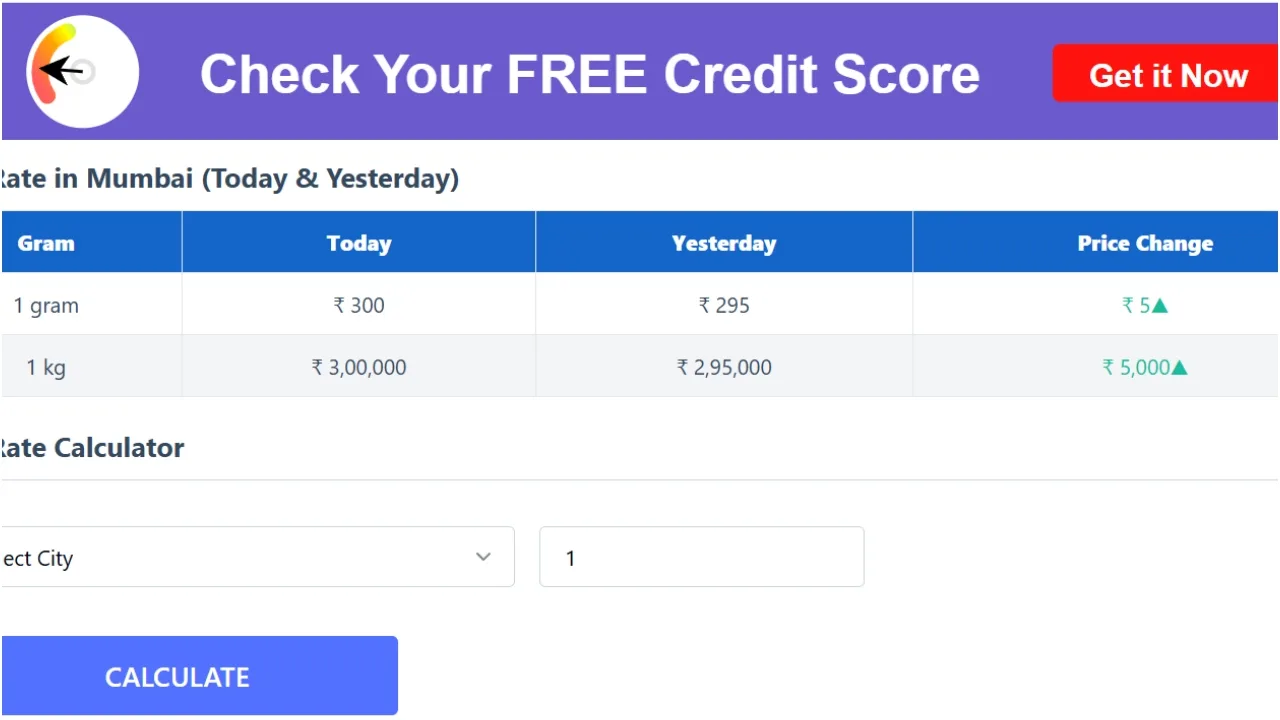
    In the financial capital, Mumbai, the price of 999 purity silver rose by ₹500, reaching ₹300,000 per kilogram. A day earlier, the price of silver had reached ₹295,000 per kilogram.

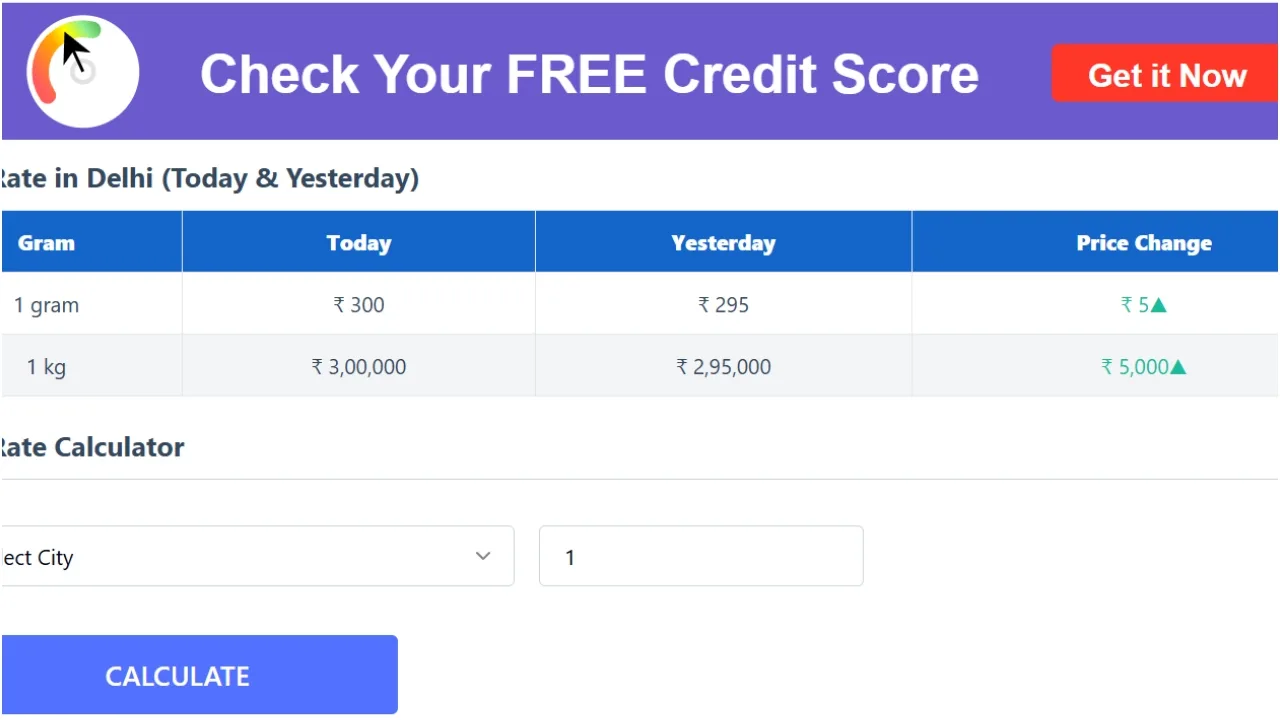
    In the national capital, New Delhi, the price of 999 purity silver has risen by ₹5,000 to reach ₹300,000 per kilogram. In Kolkata, the capital of West Bengal, the price of silver has also risen by ₹5,000 to reach ₹300,000. Yesterday, the price of silver here was ₹295,000 per kilogram.

    Furthermore, in Bengaluru, the capital of Karnataka, the price of 999 purity silver has risen by ₹5,000 to reach ₹300,000 per kilogram. In Hyderabad, the capital of Telangana, the price of 999 purity silver has risen by ₹5,000 to reach ₹300,000 per kilogram.

    In Chennai, the capital of Tamil Nadu, the price of 999 purity silver has risen by ₹5,000 to reach ₹300,000 per kilogram. Yesterday, the price was ₹295,000 per kilogram.

    See Silver Prices Here

    In Pune, the price of 999 purity silver rose by ₹5,000 to reach ₹300,000 per kilogram. On Saturday, the price of silver here was ₹295,000 per kilogram.

    In Bhopal, the capital of Madhya Pradesh, the price of silver also rose by ₹5,000 to reach ₹300,000. Yesterday, the price of silver here was ₹295,000 per kilogram. In Jaipur, the capital of Rajasthan, the price of 999 purity silver is expected to reach ₹300,000 per kilogram.

    A day earlier, the price of silver reached ₹295,000 per kilogram. In Lucknow, the capital of Uttar Pradesh, the price of 999 purity silver also rose by ₹5,000 to reach ₹300,000 per kilogram. A day earlier, the price of silver in Lucknow was ₹295,000 per kilogram.

    Note

    Before investing in silver in the Indian bullion market, please consult your market experts. Also, before purchasing gold jewelry, please contact your nearest jewelry store to avoid any hassles.

  • Rajshri Yojana: Govt Gives Rs 50,000 to Daughters, Eligibility & How to Apply

    Rajshri Yojana: Govt Gives Rs 50,000 to Daughters, Eligibility & How to Apply

    Rajshri Yojana: Providing equal rights for daughters in society and facilitating their education is a major responsibility of every parent and the government. Many families often struggle to advance their daughters’ education due to financial reasons. To address this problem, the Rajasthan government has launched a unique scheme called the Chief Minister’s Rajshree Scheme.

    This scheme is especially for those families who are financially weak and are not able to provide good school or education facilities to their daughters. Through this scheme, the government provides financial assistance to every daughter from her birth till she completes 12th class.

    When was the Chief Minister Rajshree Yojana started?

    The Chief Minister’s Rajshree Scheme was launched on June 1, 2016. The aim of this scheme is not just to provide financial assistance, but to change society’s perception of daughters, empower them with education and health, and help families realize that daughters are not a burden but a significant strength in society.

    Objective of the scheme

    This scheme has several objectives: reducing gender inequality, preventing female foeticide and ensuring the safety of female births, helping families ensure their daughters’ education, increasing the girl child birth rate and reducing maternal mortality, and fostering a positive attitude toward daughters in society. The government believes that when families know they will receive support for their daughters’ education, they will not hesitate to send them to school.

    How much money is available under the scheme and how?

    Under this scheme, the Rajasthan government provides a total of Rs 50,000 in six separate installments to daughters. This is disbursed in phases over time to ensure both their education and health. The first installment is Rs 2,500 upon the birth of the daughter. The second installment is Rs 2,500 when the daughter turns one year old and is fully immunized. The third installment is Rs 4,000 when the daughter enrolls in first grade. The fourth installment is Rs 5,000 when the daughter enrolls in sixth grade. The fifth installment is Rs 11,000 when she reaches tenth grade. The sixth and final installment is Rs 25,000 when she passes 12th grade.

    Who can avail the scheme?

    There are certain requirements to benefit from the Mukhyamantri Rajshree Yojana. The family must be a native of Rajasthan. The daughter must have been born on or after June 1, 2016. The birth must have taken place in a government hospital or a recognized private hospital. All daughters will receive the first two installments, but the third and subsequent installments will only be given to daughters who are among the parents’ first two surviving children. The daughter must attend a government school to promote education.

    Application and registration for the scheme

    Registration and application for the Rajshree scheme is very easy. The first and second installments are automatically registered on the portal through the hospital at the time of the daughter’s birth, so there’s no need to fill out a separate form. The third and remaining installments are applied for through the school when the daughter is enrolled in first grade.

    The required documents for application are a Bhamashah or Aadhaar card, the daughter’s birth certificate, a maternal and child health card, or a school admission certificate for subsequent installments. The bank account must be linked to Jan Aadhaar so that the funds can be transferred directly to the account. You can apply through your nearest e-Mitra center or the online portal.

  • Gram Priya Yojana Details: Invest ₹5,000 Monthly & Get ₹7.25 Lakh Maturity in Just 10 Years

    Gram Priya Yojana Details: Invest ₹5,000 Monthly & Get ₹7.25 Lakh Maturity in Just 10 Years

    Post Office Gram Priya Yojana: In today’s era of skyrocketing inflation, everyone is looking for a safe investment with zero risk and strong returns. Amidst the volatility of the stock market and the risks of mutual funds, the Indian Post Office’s ‘Gram Priya Yojana’ has emerged as a reliable shield. This excellent money-back policy under the Rural Postal Life Insurance (RPLI) not only provides strong insurance protection for your family but also provides a substantial corpus with guaranteed bonuses over a period of time.
    If you too want to make your big dreams come true in a short time, this 10-year short-term scheme can prove to be a game-changer for you. In this article, we will explain in detail how you can build a substantial corpus of ₹7.25 lakh from modest savings.

    How to get a fund of ₹7.25 lakh

    The biggest highlight of the Gram Priya Yojana is its short term of only 10 years, which prevents it from becoming boring over a long period. If you’re a disciplined investor, this scheme is a powerhouse of investment. According to the rules, you can choose a sum assured from a minimum of ₹10,000 to a maximum of ₹5 lakh. Suppose you take out the maximum policy of ₹5 lakh, you’ll need to pay a monthly premium of approximately ₹5,042.
    Now, the real deal is the bonus—the post office offers an annual bonus of ₹45 per thousand rupees under this scheme. This means that on a ₹5 lakh policy, your annual bonus is ₹22,500, totaling ₹2,25,000 over 10 years. When your policy matures, this accumulated bonus and your principal amount of ₹5 lakh will leave you with a substantial corpus of ₹7.25 lakh.

    A Strong Security Shield for the Family

    Gram Priya is not just a money-making machine; it also provides an impenetrable financial security net for families in rural India. Based on the recommendations of the Malhotra Committee, the scheme’s primary vision was to increase insurance access in rural areas and empower people with self-reliance.
    The policy’s greatest strength is its death benefit feature. If the policyholder faces an unfortunate event or dies untimely during the policy’s 10-year term, their nominee is immediately paid the entire sum assured and accrued bonuses up to that time. In such a situation, the grieving family neither has to worry about paying the remaining premiums nor wait a long 10 years for maturity.

    Know These Strict Rules Before Investing

    The Gram Priya scheme is administered by the Government of India, so the risk of your money being lost is zero percent, and it is completely protected from market fluctuations. However, it’s important to understand some basic conditions before investing. This is a 10-year, strong commitment plan, which means you must pay your premiums on time without fail.
    If you consistently miss premium payments, your policy may lapse, depriving you of the significant bonus benefits. Premature withdrawal options are somewhat strict and limited, so consider this a disciplined savings plan before investing so you have a solid corpus for future major needs, such as your children’s higher education or home renovations.