Category: Business

Stay ahead of the curve in India’s dynamic financial landscape with Timesbull. We deliver real-time updates and in-depth analysis on Indian business, finance, and the stock markets. Get the latest BSE/NSE news, ensuring you’re always informed about market movements.

Track the pulse of the Indian economy with our comprehensive coverage of Sensex and Nifty updates. Timesbull provides crucial personal finance insights to help you manage your money effectively and make informed investment decisions.

Beyond breaking news, we offer expert market analysis and insightful perspectives on economic trends shaping India and the global economy. Whether you’re a seasoned investor, business professional, or just starting to manage your finances, Timesbull is your trusted source.

Rely on Timesbull for accurate, timely, and insightful business and finance news, empowering you to navigate the complexities of the Indian market with confidence. Visit Timesbull today to unlock your financial potential.

  • Ration Card Holders to Get 3 Litres Kerosene Monthly, Big relief for everyone

    Ration Card Holders to Get 3 Litres Kerosene Monthly, Big relief for everyone

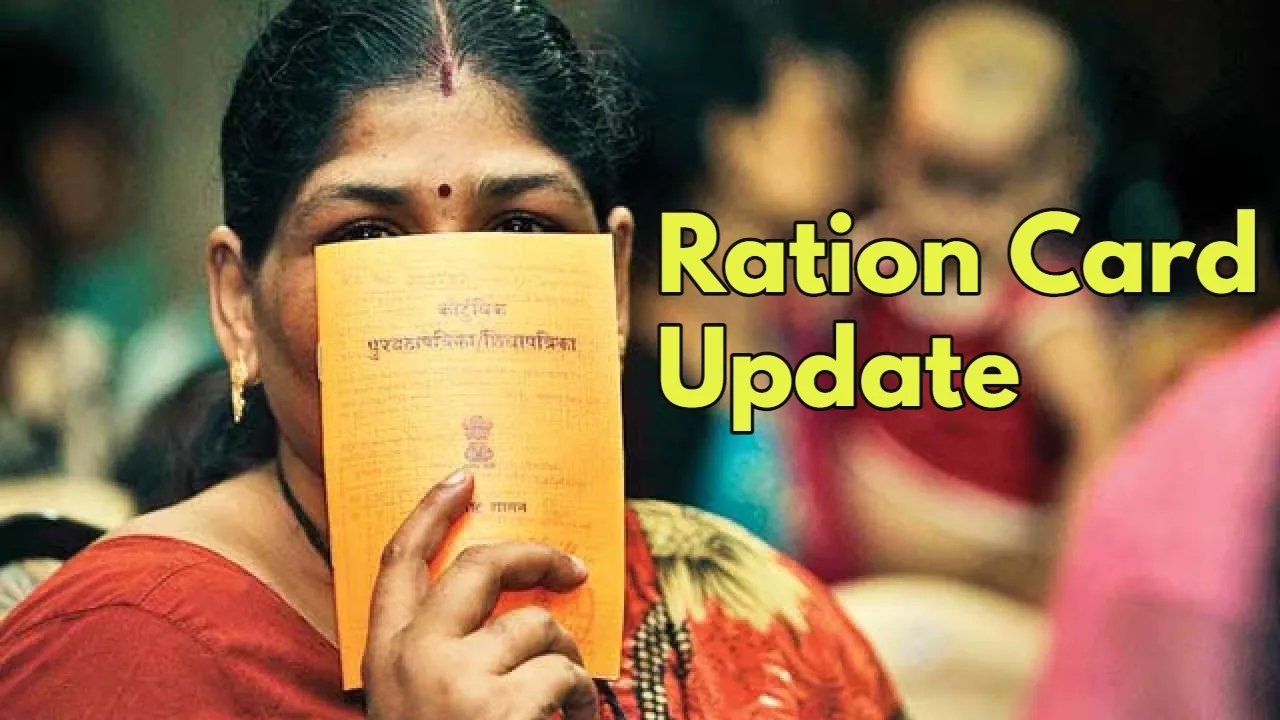
    Ration Card: Good news for Ration Card holders. The state government has made a significant decision in preparation for a possible LPG crisis. The Mahayuti government, led by Devendra Fadnavis, has declared that ration card holders will now be entitled to receive 3 liters of kerosene each month. This choice was made due to escalating tensions in the Middle East and the potential for oil supply disruptions, aiming to provide support to the general public.

    Government on alert due to fear of LPG Shortage

    Kerosene Distribution by Ration Card: Globally, topics such as the Middle East Crisis, Oil Supply Disruption, and LPG Shortage in India are frequently discussed. Experts suggest that if crude oil supplies are compromised, it could directly affect the availability of LPG cylinders. In anticipation of this threat, the Maharashtra government has already begun implementing alternative measures to ensure that citizens do not encounter any challenges in cooking.

    Poor and rural families benefit the most

    This government initiative will significantly aid rural communities and low-income households, particularly those with limited earnings. Many families depend entirely on gas cylinders and could struggle if the supply were to suddenly halt. Kerosene Distribution Scheme

    Those without ration cards will also get the facility

    The government has extended this scheme beyond just ration card holders. Plans are being made to supply kerosene to individuals who do not possess ration cards as well. A special system will be established through local administration and the Public Distribution System (PDS) to ensure that no one in need is left without this support. Kerosene Distribution by Ration Card The administration has clearly urged the public not to panic or stockpile kerosene or LPG. According to the government, there is an adequate supply of fuel in the state, and distribution will proceed according to a comprehensive plan.

    This decision by the Maharashtra government clearly demonstrates that preparations are being made in advance of a potential crisis. This kerosene distribution initiative could prove to be a relief for millions of families, especially those who rely solely on LPG for their daily needs. It remains to be seen how the global situation evolves in the future and how effective this plan proves to be.

  • FASTag Annual Pass Price Hike from April 1, Only 4 Days Left to Renew

    FASTag Annual Pass Price Hike from April 1, Only 4 Days Left to Renew

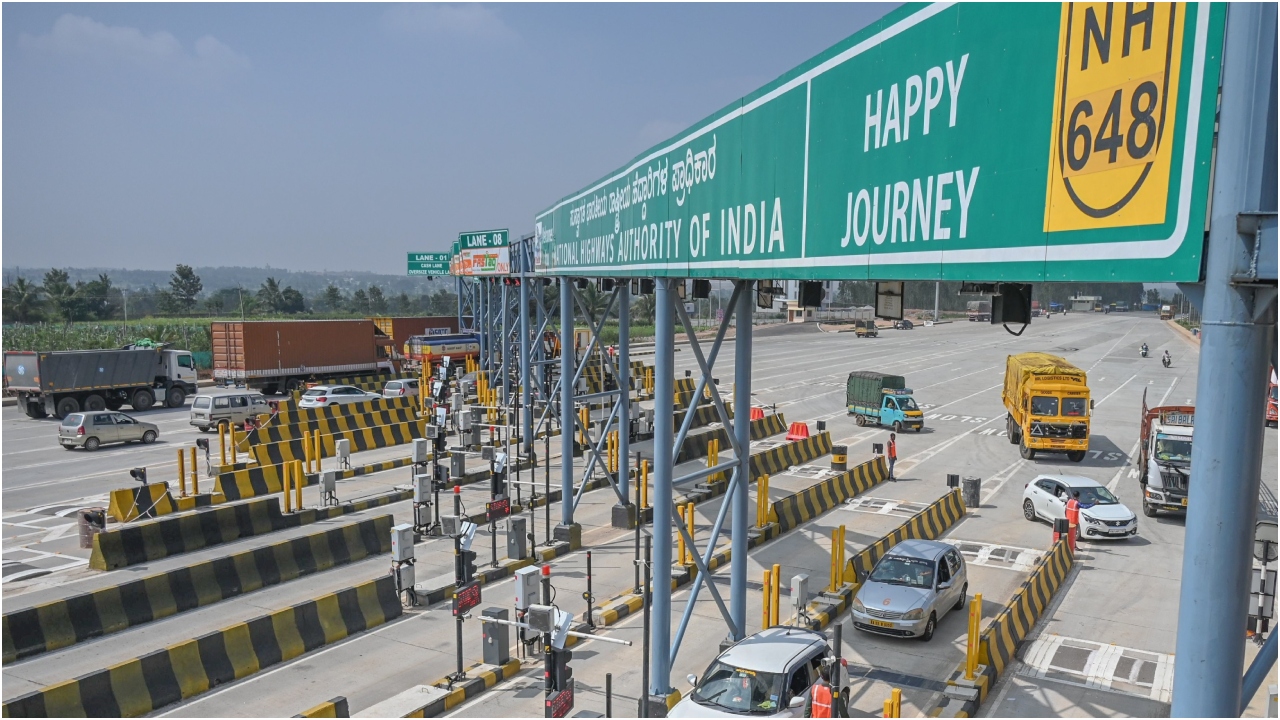
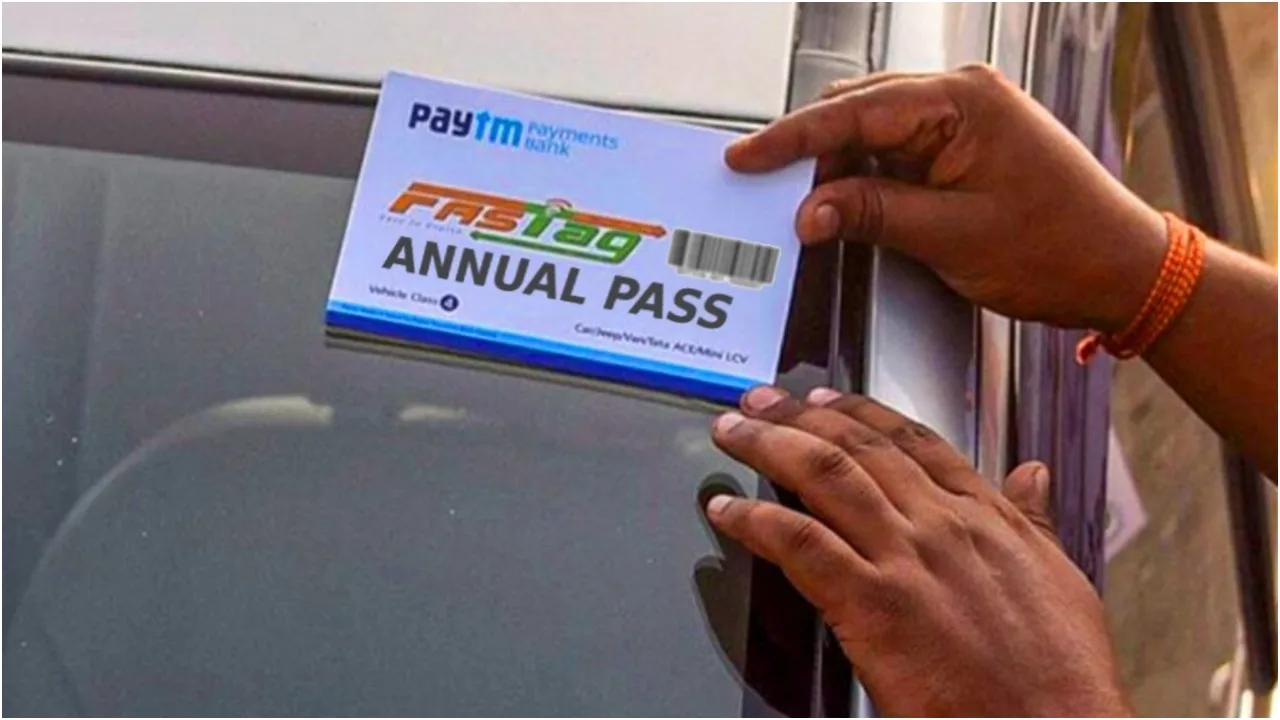
    FASTag Annual Pass Rates: For travelers on highways nationwide, there have been some important updates regarding FASTag in recent days. The National Highways Authority of India (NHAI) has revealed a change in the pricing of the FASTag Annual Pass, which will take effect on April 1, 2026. This means there are only five days left before this change is implemented. This update is particularly important for those who often travel on national highways.

    New price of FASTag Annual Pass

    The current price of the FASTag Annual Pass is ₹3,000, but it will rise to ₹3,075 in just five days. This means users will need to pay an additional Rs 75. NHAI recommends that users activate their annual pass via the Rajmarg Yatra app.

    It’s important to remember that one-time payments made with the card are valid for one year or until 200 trips are completed. This means if a user does not complete 200 trips within a year, the validity will end. Conversely, if the user completes 200 trips before the year is up, the validity will still expire.

    What is FASTag and why is it important?

    FASTag is an electronic toll collection system that utilizes RFID technology. It enables drivers to pass through toll plazas without stopping, with the toll amount automatically deducted from their linked bank account or wallet. FASTag has modernized and sped up toll collection across the country, saving time and alleviating traffic congestion.

    Why is the Annual Pass beneficial?

    The FASTag Annual Pass is particularly advantageous for those who travel on highways daily or frequently. Once purchased, users do not need to make separate toll payments each time, simplifying travel and making it more cost-effective.

    What will be the impact of the price increase?

    Although the ₹75 increase may pose a significant inconvenience for many, it suggests that toll and related service prices may gradually rise in the future. Nevertheless, considering the digital convenience and time savings, this pass continues to be a budget-friendly option. The government and NHAI are continuously working towards making the toll system completely digital. Cash payments at national highway toll plazas may be completely phased out by April 1, 2026, and all toll payments will be made exclusively through digital means such as FASTag and UPI. This change aims to reduce traffic congestion, increase toll lane speeds, and make the payment process faster, transparent, and easier.

     https://x.com/NHAI_Official/status/2037454591357493698?s=20
  • Big News for Savers! Get Ready for Higher Returns on These Top Savings Schemes

    Big News for Savers! Get Ready for Higher Returns on These Top Savings Schemes

    PPF Interest Rate: Did you know that, following March, a new financial year is about to begin? April—the first month of the new financial year—often proves to be a crucial period. On March 31, 2026, the interest rates applicable to small savings schemes for the April-to-June 2026 quarter are set to be announced—an event that holds significant importance.

    The Union Ministry of Finance undertakes the task of revising the interest rates offered on various government schemes every quarter. In the previous quarter, the government did not make any changes to the interest rates on savings schemes. Consequently, investors are now eagerly awaiting the announcement scheduled for March 31. Ahead of this announcement, the prevailing question is whether interest rates will rise, fall, or remain unchanged at their current levels.

    How ​​much interest is being offered on which scheme?

    The government is currently offering attractive interest rates on various savings schemes. An interest rate of 8.2 per cent is being provided on the Sukanya Samriddhi Yojana. Additionally, benefits include 7 per cent interest on the Public Provident Fund (PPF), per cent on National Savings Certificates (NSC), percentt on Kisan Vikas Patra (KVP)per cent on the Monthly Income Scheme (MIS), 7.1 per cent on 3-year Post Office Time Deposits, and 4 per cent on Post Office Savings Accounts.

    The government revises the interest rates for these schemes every quarter. Consequently, the question of what the interest rates will be for the upcoming April quarter is currently a subject of widespread speculation among the public.

    Why is the review for the April-June quarter significant?

    The Central Government conducts a review of interest rates for small savings schemes every three months. In accordance with the recommendations of the Shyamala Gopinath Committee, these interest rates are linked to market lending costs. Furthermore, they are typically pegged at a margin slightly higher than the yields on government bonds. In recent weeks, geopolitical developments—specifically the conflict involving the US, Israel, and Iran—have led to shifts in bond yields and overall market liquidity conditions.

    Is this announcement crucial for investors?

    Small Savings Schemes remain a highly secure and excellent option among government-guaranteed savings plans. Notably, these schemes are a preferred choice for individuals who wish to avoid risk. The PPF (Public Provident Fund) and Sukanya Samriddhi Yojana are considered favourites for tax-saving and long-term investment purposes. Meanwhile, the NSC (National Savings Certificate) athe nd Monthly Income Scheme are particularly effective in attracting individuals seeking a regular stream of income.

  • PMKSNY – Farmers to Receive Next ₹2000 Instalment by This Date! Complete This Task ASAP

    PMKSNY – Farmers to Receive Next ₹2000 Instalment by This Date! Complete This Task ASAP

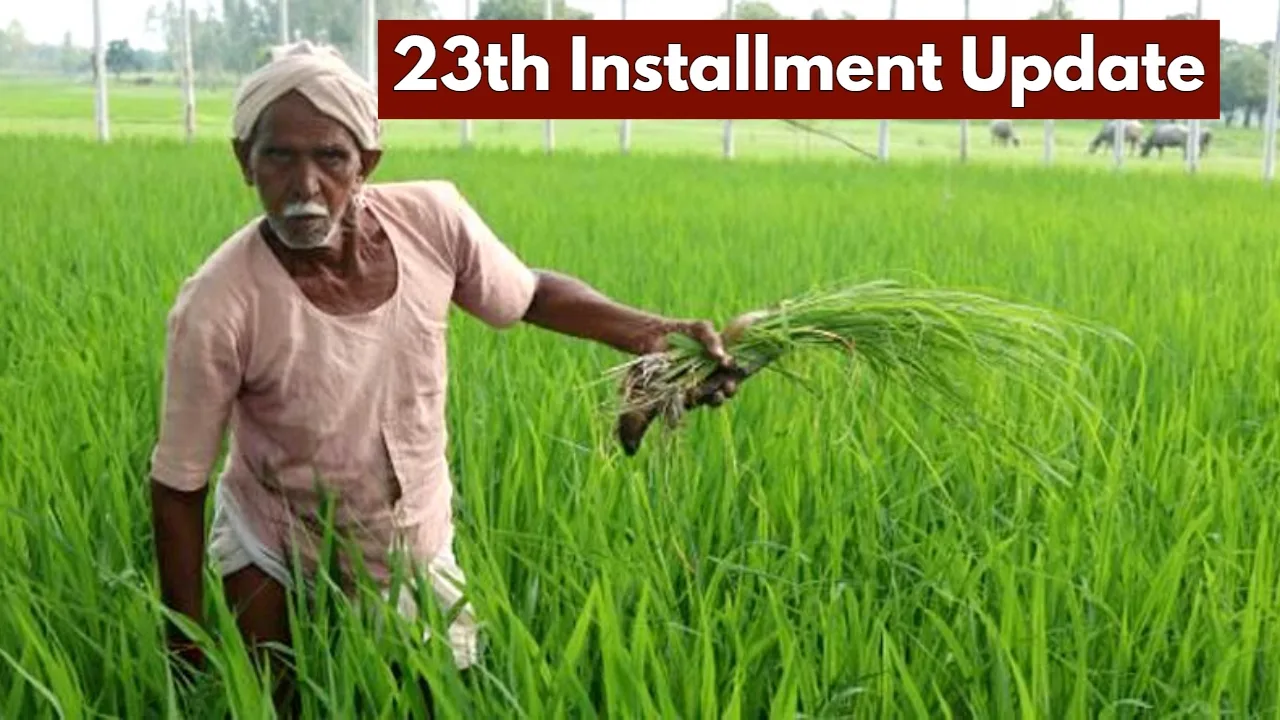
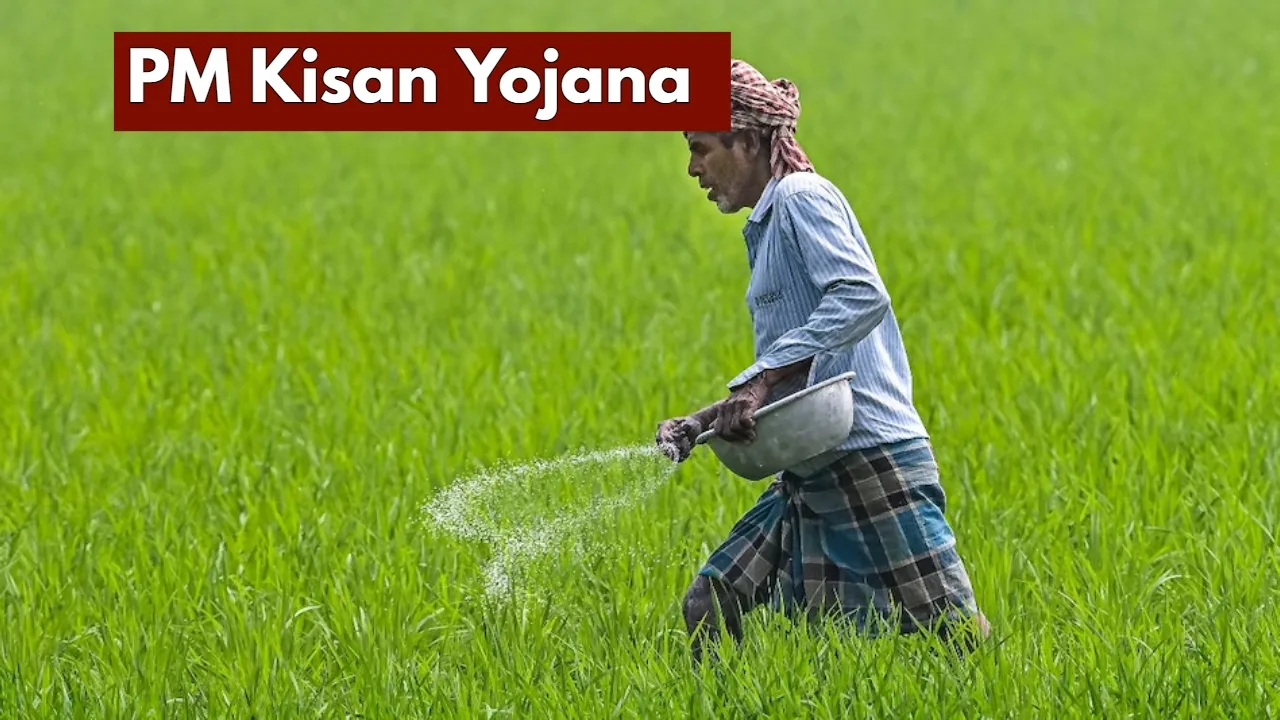
    PM Kisan Yojana 23rd Instalment Release Date: The PM Kisan Samman Nidhi Yojana serves as a boon for farmers. An amount of ₹2,000 is transferred directly into their bank accounts at intervals of every four months. This financial assistance is provided to farmers to cover the costs of fertilisers, seeds, and irrigation, thereby helping to boost their crop yields.

    The government transferred the 22nd instalment of the PM Kisan Samman Nidhi Yojana just a few days ago. Since then, the farmers’ attention has shifted toward the upcoming instalment. Speculation is rife that the government may release the next instalment by the first week of July.

    This will prove to be a welcome gift for farmers during the monsoon season. No official statement has been issued yet regarding the exact release date of the instalment; however, media reports suggest that it could be released by the first week of July.

    When was the 22nd Installment Released?

    The 22nd instalment of the PM Kisan Samman Nidhi Yojana was released on March 13, 2026, in Guwahati. Prime Minister Narendra Modi transferred these funds via Direct Benefit Transfer (DBT). Approximately 9.32 crore farmers benefited from this instalment. Now, all eyes are set on the 23rd installment.

    When can the 23rd Installment be Expected?

    Every four months, the Central Government releases an instalment of ₹2,000 under the PM Kisan Samman Nidhi Yojana. Based on this schedule, the instalments are expected to be received by the first week of July 2026. It is anticipated that over 9 crore farmers will benefit from this instalment well. Official confirmation regarding the release date is currently being eagerly awaited.

    Complete These Tasks Immediately

    Only those farmers who have completed their e-KYC will be eligible to receive the benefits of the PM Kisan Samman Nidhi Yojana. Farmers should complete their e-KYC process without delay. Additionally, farmers must complete the land verification process. Furthermore, linking their Aadhaar card is also a mandatory requirement. If you have already completed these necessary steps, you can look forward to receiving the benefits of the 23rd instalment. These Farmers’ Instalments Will Be Held Up

    Beneficiaries will receive the next instalment of the PM Kisan Samman Nidhi Scheme only after completing certain mandatory tasks. Land verification, e-KYC, and linking their Aadhaar card to their bank account are essential requirements.

  • Toll Rates will increase by 5% from April 1

    Toll Rates will increase by 5% from April 1

    Toll Rates: The National Highways Authority of India (NHAI) has decided to increase toll rates on the Delhi-Meerut Expressway for the year 2026-27. This increase will be approximately 5% and the new rates will be effective from 12 midnight on April 1.

    According to NHAI officials, cash payments at toll plazas have now been completely discontinued. Toll payments can only be made through FASTag or UPI. The Delhi-Meerut Expressway is a controlled-entry expressway. Entry can be made from a total of seven toll plazas: Sarai Kale Khan, Indirapuram, Dundahera, Dasna, Rasulpur Sikrod, Bhojpur, and Kashi.

    Toll on Delhi-Meerut Expressway to increase by 5%

    According to the new rates, the one-way toll for light vehicles such as cars, jeeps, vans, or light motor vehicles (LMVs) from Sarai Kale Khan to Meerut (about 82 kilometers) will now be Rs 175, up from Rs 170 previously. The return toll will now be Rs 265, an increase of Rs 10. The one-way toll for light commercial vehicles, light freight vehicles, and minibuses has increased from Rs 275 to Rs 285. The return toll will increase from Rs 415 to Rs 425. Similarly, the one-way toll for light vehicles from Indirapuram to Meerut will now be Rs 120, up from Rs 115 previously. The return toll has also increased from Rs 175 to Rs 189.

    Toll rates have also been increased for buses and trucks (two axles), large vehicles with three axles, vehicles with four to six axles, and very large vehicles (seven or more axles). Approximately 398,000 PCU vehicles travel daily on the Delhi–Meerut Expressway (DME) and NH-9. Of these, approximately 50,000 PCU vehicles operate on the Delhi–Meerut Expressway alone.NHAI has implemented a “closed tolling system” along this entire route. This means that drivers are charged tolls based on the distance traveled.

    To achieve this, FASTag readers and cameras have been installed at all entry and exit points along the expressway, recording the vehicle’s travel distance.Delhi–Meerut Expressway and NH-9 were developed in four phasesThe 8.7-km road from Sarai Kale Khan to UP Gate was inaugurated in May 2018.The 22.2 km stretch from Dasna to Hapur became operational in September 2019.

    The remaining two sections from UP Gate to Dasna (19.22 km) and Dasna to Meerut (31.8 km) were formally opened in November 2021The Delhi-Meerut Expressway is a six-lane expressway, parallel to the four-lane NH-9. Two-wheeled vehicles and all other types of vehicles can use NH-9. The maximum speed limit on this expressway in Uttar Pradesh is 100 km/h, while the speed limit in the Delhi area is 70 km/h.

  • Pan Card Update – PAN Card Rules Change from April 1, New Documents Required for Application

    Pan Card Update – PAN Card Rules Change from April 1, New Documents Required for Application

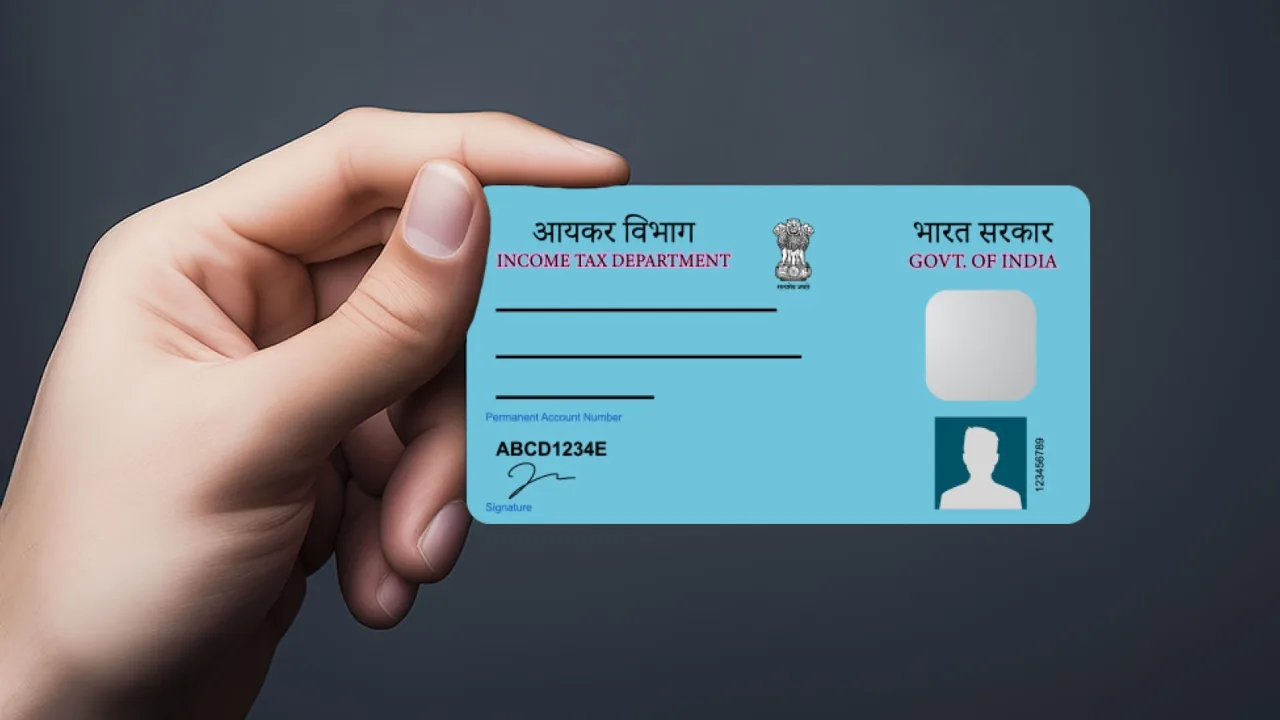
    New Delhi: Under the existing regulations, only three days remain to apply for a PAN card. Starting April 1st—the beginning of the new financial year—the rules for obtaining a PAN card are set to change. According to the new regulations, the process of obtaining a PAN card is going to become somewhat more complicated. From April 1, 2026, applying for a PAN card will require the submission of an additional document alongside the Aadhaar card.

    Currently, a PAN card can be obtained simply by presenting an Aadhaar card; however, this will no longer be the case. The Central Board of Direct Taxes (CBDT) has issued a notification regarding the implementation of the Income Tax Rules, 2025, effective from April 1st. This will result in significant changes to the regulations. Therefore, if you are planning to apply for a new PAN card, the window of March 29, 30, and 31 offers you the opportunity to complete this task without any hassle.

    New Rules to Take Effect from April 1st

    According to the new rules issued by the Income Tax Department, the entire system for applying for a PAN card is set to change starting April 1, 2026. The Income Tax Department aims to further strengthen the verification process.

    Until now, applying for a PAN card was a relatively simple process; however, following the new implementation, additional conditions are being introduced. You may continue to apply using the old method until March 31, 2026; thereafter, you will be required to adhere to the new rules and regulations.

    PAN Cards Cannot Be Issued Solely Based on Aadhaar Anymore

    Following these major changes, a PAN card can no longer be issued based solely on an Aadhaar card. Previously, the Aadhaar card was accepted as sufficient proof of date of birth, identity, and address; however, this will no longer be the case. According to the new rules, applicants will be required to submit a separate, additional document specifically to verify their date of birth. Acceptable documents for this purpose include a birth certificate, a Voter ID card, and a Class 10th marksheet, among other relevant papers.

    New Forms Based on Category

    The Income Tax Department has discontinued the use of the old application forms. In their place, new forms have been introduced, categorised according to the applicant’s specific status or category. Consequently, a single, universal application form will no longer be applicable for all applicants. Meanwhile, Form 93 will now be used for Indian citizens.

    Similarly, Form Number 94 has been designated for Indian companies and entities. Any foreign national applying for a PAN card will be required to fill out Form 95. Form Number 96 will apply to foreign entities. This change has been implemented with the objective of segregating data by category, which will streamline tax-related operations in the future.

  • Induction- Government to Distribute 5 Lakh Induction Stoves

    Induction- Government to Distribute 5 Lakh Induction Stoves

    Induction: The public sector company Energy Efficiency Services Ltd. (EESL) is set to release a new tender for the procurement of 500,000 electric stoves in two phases. This initiative aims to address the increasing demand for electric stoves and other cooking appliances. The ongoing crisis in West Asia has impacted the country’s supplies of LPG and natural gas, making this move particularly important.

    According to sources, EESL has recently issued a tender for 100,000 induction (electric) stoves to cater to the rising demand. Additionally, they have also released a tender for utensils compatible with induction stoves, following initial feedback from various state governments and customers.

    Reports indicate that “Given the positive market response, EESL is planning to issue a new tender for over 500,000 units once the current vendor’s supply is depleted.” EESL initiated the National Electric Cooking Program (NECP) in 2023. Recently, the prices of electric stoves have surged due to LPG shortages caused by disruptions in the Strait of Hormuz. EESL is taking measures to stabilize prices in response to this growing demand. The company is actively promoting electric cooking through its National Efficient Cooking Program.

    This initiative builds on the success of government-backed carbon-saving programs like Ujala and Gram Ujala. The National Efficient Cooking Program (NECP) is a key initiative under the Government of India’s “Go Electric” campaign, which was launched on November 2, 2023.

    It’s important to highlight that through the Ujala and Gram Ujala programs, the government is currently supplying high-quality 7-watt and 12-watt LED bulbs to rural households for just Rs 10. In a similar vein, the government is working to provide induction stoves at affordable prices to alleviate the burden of costly gas cylinders on the general public. EESL has said that it will issue a tender for 5 lakh induction cookers to meet the growing demand while keeping its prices stable. The company is promoting ‘electric cooking’ through its National Efficient Cooking Programme. This programme is based on the experience of government-sponsored carbon-saving programmes like Ujala and Gram Ujala. The National Efficient Cooking Programme (NECP) is a flagship initiative under the Government of India’s ‘Go Electric’ campaign. It was launched on November 2, 2023.

  • SBI Card Rules Changing from April 1, Important Notes For You

    SBI Card Rules Changing from April 1, Important Notes For You

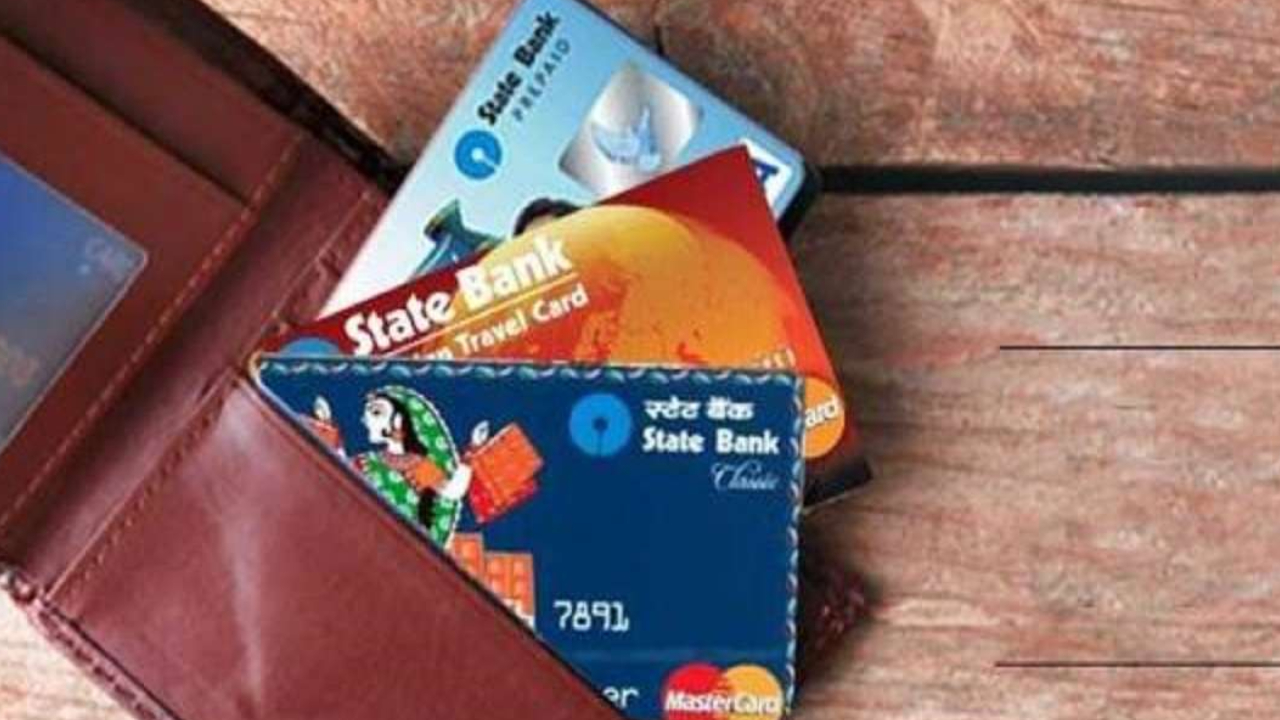
    SBI Card Guidelines: Nowadays, credit cards are handy for everything from shopping to bill payments and online purchases. Cashback cards, in particular, have gained popularity as they provide a small reward on every transaction. However, if you own an SBI Cashback Credit Card, it’s important to exercise some caution.

    Starting April 1, 2026, significant changes regarding this card will take effect. These changes will directly affect your cashback and rewards. In the past, you enjoyed higher benefits on every purchase, but now a limit has been set. Therefore, if you keep using the card without being aware of these updates, you might incur losses.

    Changes to cashback limits

    The most significant alteration to SBI’s Cashback Credit Card is the cashback limit. Previously, you could earn a maximum of ₹5,000 in cashback per statement cycle, but this limit has now been lowered to ₹4,000. This means you’ll receive less benefit than you did before. If you tend to spend a lot, this change will have a direct effect on your savings.

    Previously: Maximum cashback up to Rs 5000
    Now: Up to Rs 4000 cashback
    Net benefit: Up to 20% reduction
    Effect: Savings for high spenders will decrease
    New rule: Regardless of your spending, cashback will only be available up to the specified limit.
    This indicates that now, no matter how much you spend, your benefits will only reach a certain limit, making it more crucial than ever to plan your expenses and card usage.

    Changes in cashback limits for online and offline transactions

    The cashback rate on credit cards remains unchanged, but limits have been introduced. While higher spending used to yield greater benefits, now each category has a cap. This means your total cashback will not surpass a certain limit.

    Online spending: 5% cashback
    Online Limit: Maximum Rs 2000
    Offline spending: 1% cashback
    Offline Limit: Maximum Rs 2000
    Total cashback: Maximum Rs 4000 per month

    Now, whether you spend more online or offline, you won’t receive a cashback of more than Rs 4,000 combined. This means that the benefits are now completely limited and you won’t have the same open earnings as before. Along with cashback, the rules for reward points have also changed. You will no longer be able to redeem your points in any amount. After April 1st, you will be required to redeem in multiples of 4,000 points. Furthermore, a maximum of 60,000 points can be redeemed per month.

    How to redeem reward points?

    The redemption method remains the same, with no changes. You will need to use the SBI Card app.

    Login to SBI Card App.
    Go to the ‘More’ option below
    Open the ‘Rewards’ section
    Click on the ‘Redeem’ option
    Select the voucher or product of your choice
    Complete the redemption by checking out

  • PM Kisan Samman Nidhi Names May Get Dropped in April! Here’s Why

    PM Kisan Samman Nidhi Names May Get Dropped in April! Here’s Why

    New Delhi: To facilitate farmers, the government is currently undertaking the process of creating a Farmer Registry. However, for a large number of farmers, this task appears to be nothing more than a distant dream. There are many farmers who seem to be far removed from the Farmer Registry process.

    In the Banda district of Uttar Pradesh, too, a significant number of farmers have not yet completed this registration. But are you aware that if you fail to complete the Farmer Registry, numerous other administrative tasks will come to a standstill—a situation that could prove to be a major setback?

    Therefore, farmers must complete their Farmer Registry registration in a timely manner. According to a report, in five *tehsils* (administrative subdivisions) of Banda district, only about 75 per cent of farmers have been able to avail themselves of the benefits of government schemes. In total, 25 per cent of farmers have not yet completed this registration.

    Complete This Task Within Two Days

    Farmers should complete their Farmer Registry registration within just two days. Failure to do so will result in them missing out on the benefits of the next instalment of the PM Kisan Samman Nidhi scheme. In the Banda district, there are 251,390 registered farmers. Of these, 188,708 have completed their Farmer Registry, while the registration of 62,682 farmers remains pending.

    Due to discrepancies in details—such as names—between these farmers’ Aadhaar cards and land records (*Khatoni*), as well as the inability to access land records for 211 villages online, the pace of the Farmer Registry process has been moving at a snail’s pace. The government operates several schemes for farmers, including the PM Kisan Samman Nidhi, crop loans, compensation under the Pradhan Mantri Fasal Bima Yojana (Crop Insurance Scheme), and disaster relief.

    This registration process is being undertaken to bring transparency to these schemes, ensure that benefits reach eligible beneficiaries, and facilitate the resolution of land-related disputes. In September of last year, the government made it mandatory for farmers to complete the Farmer Registry; this move was initiated to enable the Revenue Department’s Land Records Wing to compile data—specifically identifying farmers with identical names or fathers’ names—and make this information available to the state government online. Despite this mandate, 25 per cent of farmers in Banda have still not been able to complete this process.

    Many Farmers Yet to Complete Farmer Registration

    According to a report by the Agriculture Department, 62,682 farmers in the Banda district have not yet completed their Farmer Registration. This implies that, for this significant number of farmers, the registration process remains an elusive dream. This figure accounts for 25 per cent of the total farming population in the district. The initiative to register farmers commenced in July 2024, with the process being accelerated through the organisation of special camps starting in December 2024.

    Abhay Yadav, the Deputy Director of Agriculture for Banda, stated that completing the Farmer Registration is mandatory for farmers to avail themselves of government benefits. Farmers who fail to complete their registration by March will be ineligible to receive benefits under any government scheme starting from April; furthermore, the disbursement of the PM Kisan Samman Nidhi will also be suspended for them.

  • Passport Application From Home- Rs 1500…Get Passport easily like this

    Passport Application From Home- Rs 1500…Get Passport easily like this

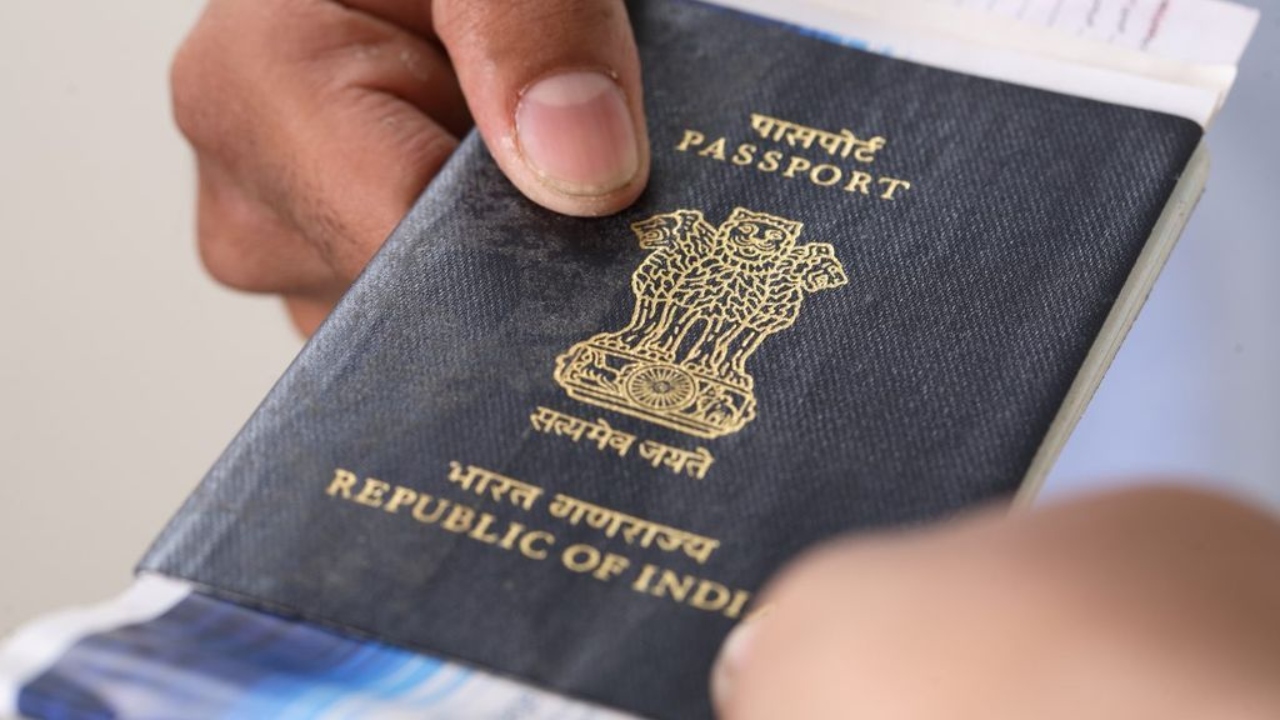
    Passport Application: If you’re looking to travel, study, or work abroad, having a passport is absolutely crucial. Without it, you won’t be able to leave India. Although getting a passport used to be seen as a challenging and lengthy process, the advent of digitalization has made it much easier. You can now apply online right from your home. So, let’s explore how to apply for a passport conveniently from your own space.

    To start the passport application process from home, head over to the official Passport Seva website. Click on “New User/Register Now” and fill in your basic details, including your name, date of birth, mobile number, and email address. After that, create your account. You will receive a user ID and password shortly after.

    Once you’ve registered, log in to the portal and choose the Apply for Fresh Passport option. You’ll be required to complete a form that asks for your personal details, address, and parental information. Make sure to enter all the information accurately, as making changes later might be tricky.

    After completing the form, gather your necessary documents, such as your Aadhaar card, voter ID, proof of address, and proof of birth. These will be needed for further verification. Next, click on Pay and Schedule Appointment. You can then choose your nearest Passport Seva Kendra and select a date and time that works for you.

    When booking your appointment, you’ll need to pay a fee. The cost for a standard passport is around 1500, with higher fees for urgent requests. You can make the payment using debit cards, credit cards, net banking, or UPI. Don’t forget to download the receipt after making the payment.

    On the scheduled date, visit the Passport Seva Kendra with all your documents. Your information will be verified there, followed by a police verification process. Once everything is completed, your passport will be mailed to your home address.

  • APY Scheme: Get Rs 5000 Monthly Pension by Investing Just Rs 210

    APY Scheme: Get Rs 5000 Monthly Pension by Investing Just Rs 210

    Atal Pension Yojana: While on one hand there are many people who live for the present, that is, they spend their earnings today, on the other hand, there are many who worry about their future. Therefore, people save.

    While it’s no secret that everyone should have enough money to save, if you wish, you can make small investments each month to secure a pension for yourself in old age. Yes, and this is possible through the Atal Pension Yojana, which provides a monthly pension of up to Rs 5,000 after the age of 60. But be sure to check whether you’re eligible for this scheme. You can learn about eligibility in this article.

    What is Atal Pension Yojana?

    The objective of Atal Pension Yojana is to provide financial assistance to people in their old age. For this, you have to first make small investments every month for at least 20 years. For example, an 18-year-old person paying Rs 210 per month (for at least 20 years) gets a pension of Rs 5,000 per month after the age of 60.Similarly, a person aged 30 years gets the benefit of a pension of Rs 5000 every month by investing Rs 577 every month. In this scheme, one has to invest for at least 20 years first. You can apply for this scheme by visiting your bank branch.

    Who are eligible for Atal Pension Yojana?

    • People who are citizens of India
    • Those who are between 18 and 40 years of age
    • People who pay taxes i.e. are in the category of taxpayers
    • People who have a bank account

    How to join Atal Pension Yojana?

    1. First, visit your bank branch.
    2. Here your KYC is done first.
    3. Then you will be given information about the plan and premium etc.
    4. After this your bank account is linked to the scheme
    5. Your application is then completed and you are given a slip.
  • Petrol-Diesel Prices to Change Every 15 Days? Govt’s Big Decision

    Petrol-Diesel Prices to Change Every 15 Days? Govt’s Big Decision

    Petrol Diesel: Big news for everyone. Following a significant reduction in the Special Additional Excise Duty (SAD) on petrol and diesel, the central government has devised a significant strategy to address the rising prices of petrol and diesel in the country. The government has now decided to review fuel prices and international market conditions every 15 days. The government’s goal is to ensure that any changes in global crude oil prices directly benefit the common man. Following the reduction of Rs 10 per liter on both fuels, the total central excise duty on petrol is now Rs 11.9 per liter and on diesel Rs 7.8 per liter.

    What is the government’s new plan?

    This change is effective immediately. After reducing excise duty on petrol and diesel, the government is now adopting a “wait and watch” approach. The government clarified that this reduction will not impact retail petrol and diesel prices. Central Board of Indirect Taxes and Customs Chairman Vivek Chaturvedi said in a press briefing that this step was taken to address the under-recovery of oil marketing companies caused by the surge in global crude oil prices and supply disruptions. This will give the government control over price fluctuations and allow for further adjustment of rates if necessary.

    Why was this decision taken?

    The ongoing conflict between the US, Israel, and Iran has impacted the energy infrastructure in the Middle East. Iran imposed a blockade on the Strait of Hormuz, causing global benchmark Brent crude prices to rise from $68 per barrel on February 28 to over $100 on March 7. By Friday afternoon, the price was around $110 per barrel. The Strait of Hormuz transports 20-25% of the world’s seaborne crude oil and gas. India imports 40-50% of its crude oil through this route. A large portion of LNG and LPG from Qatar and the UAE also comes through this route, which is vital for over 330 million households.

    No immediate oil or gas shortages

    The government has assured that there is no immediate oil or gas shortage. Sujata Sharma, Joint Secretary, Ministry of Petroleum and Natural Gas, said, “We are still in a war-like situation. Crude oil, LPG, and LNG supplies have been affected, but we have sufficient inventory and supplies have been lined up for the next two months. The LPG and LNG situation is comfortable. Refineries are operating at more than 100% capacity, and commercial supplies have been restored to 70% in the last few weeks.”

    Vivek Chaturvedi explained that prices of crude oil, petrol, diesel, and aviation turbine fuel (ATF) are experiencing sharp fluctuations. The government has adopted a calibrated approach. Special additional excise duty and cess have been imposed to control the export of diesel and ATF. Petrol and diesel rates will be reviewed every 15 days. This will facilitate quick decision-making based on market conditions. Retail prices will remain unchanged for the time being.