Category: Business

Stay ahead of the curve in India’s dynamic financial landscape with Timesbull. We deliver real-time updates and in-depth analysis on Indian business, finance, and the stock markets. Get the latest BSE/NSE news, ensuring you’re always informed about market movements.

Track the pulse of the Indian economy with our comprehensive coverage of Sensex and Nifty updates. Timesbull provides crucial personal finance insights to help you manage your money effectively and make informed investment decisions.

Beyond breaking news, we offer expert market analysis and insightful perspectives on economic trends shaping India and the global economy. Whether you’re a seasoned investor, business professional, or just starting to manage your finances, Timesbull is your trusted source.

Rely on Timesbull for accurate, timely, and insightful business and finance news, empowering you to navigate the complexities of the Indian market with confidence. Visit Timesbull today to unlock your financial potential.

  • CM Yuva Scheme: Get loan up to Rs 5 lakh without guarantee to start your own business, zero interest, know the application process

    CM Yuva Scheme: Get loan up to Rs 5 lakh without guarantee to start your own business, zero interest, know the application process

    Big news for state youths. To support the youth in Uttar Pradesh, the Chief Minister Yuva Udyami Vikas Abhiyan, also known as the CM Yuva Yojana, has been launched. This initiative aims to provide eligible young individuals in the state with interest-free loans of up to 5 lakhs, without the need for any guarantees, to help them start their own businesses. The state government will offer this financial aid for a duration of four years, encouraging the youth to become job creators.

    In a recent post on X, the UP government announced the commencement of the Chief Minister Yuva Udyam Vikas Abhiyan. This initiative is designed to harness the vast potential of the state’s youth. Under this scheme, beneficiaries from the general category will need to contribute 15% of the project cost, while OBC beneficiaries will contribute 12.5%. SC-ST and Divyang individuals will have a contribution requirement of 10%, and those from aspiring districts such as Chitrakoot, Chandauli, Fatehpur, Balrampur, Siddharthnagar, Shravasti, and Bahraich will also contribute 10%. More information about the CM Yuva Yojana can be found on the official website msme.up.gov.in.

    The main goal of this initiative is to help young people get the financial support they need to launch their own businesses. The aim is to establish 100,000 new small enterprises each year and create 1 million self-employment opportunities over the next decade. This program will offer financial aid, skill training, and business guidance to the youth.

    What is CM Yuva Yojana?

    The Mukhyamantri Yuva Udyami Vikas Abhiyan, or CM Yuva, is a key program from the Uttar Pradesh government designed to generate 1 million self-employment opportunities in the next ten years. The focus is on empowering young people to become self-sufficient by starting micro and small businesses. This scheme provides financial support, skill development, and business assistance to help them succeed.

    Who can benefit from this program?

    Applicants must be residents of Uttar Pradesh.
    Age requirement: 21 to 40 years.
    Minimum education: Must have completed at least the 8th grade (preferably have completed Intermediate or equivalent).
    Applicants should have finished training through a government-sponsored skill development program, such as Vishwakarma Shram Samman Yojana, One District One Product (ODOP) Training and Toolkit Scheme, Scheduled Castes/Scheduled Tribes/OBC Training Scheme, or Uttar Pradesh Skill Development Mission.
    Alternatively, they should hold a certificate, diploma, or degree in a relevant skill from a recognized institution.
    Applicants should not have received interest or capital subsidies from any other government scheme, except for the Pradhan Mantri Swanidhi Yojana.

    What kind of financial assistance is available through the CM Yuva Yojana?

    First Phase (Phase 1)

    For projects costing up to Rs 5 lakh: Beneficiaries receive a 100% interest subsidy along with a loan that requires no collateral for the project cost, available for a duration of 4 years.
    For projects between Rs 5 to 10 lakh: The additional funding must be provided by the beneficiary.
    Moratorium period: There is no repayment obligation for the first 6 months.
    CGTMSE coverage: This is provided by the state government for a period of 4 years.
    Margin money subsidy: A subsidy of 10% of the project cost (up to a maximum of Rs 50,000) will be granted once the unit is operational.

    Second Phase (Phase 2)

    Once the loan from the first phase is repaid, beneficiaries can apply for financial support in the second phase.

    The maximum project cost in this phase is Rs 10 lakh; for projects ranging from Rs 10 to Rs 20 lakh, beneficiaries will need to secure additional funding themselves.
    Interest subsidy: A 50% interest subsidy is available for amounts up to Rs 7.5 lakh or double the amount of the first phase loan, whichever is lower, for a duration of 3 years.
    CGTMSE Coverage: The state government will continue to cover this for 3 years in the second phase as well.
    Margin Money Subsidy: This subsidy is not available in Phase 2.

    What is the margin money requirement for the CM Yuva Yojana?

    For the General Category: 15% of the total project cost.

    For OBC: 12.5% of the total project cost.

    For SC/ST, Divyang, and beneficiaries from backward areas: 10% of the total project cost.

    How to apply:

    Online Application: You can submit your application through msme.up.gov.in.

    Document Upload: Make sure to upload your Age Proof, Educational Qualification, Skill Certificate (if applicable), Business Plan, and Address Proof.

    Loan Processing: The bank will assess your project and make a decision regarding loan approval or rejection.

    Subsidy Disbursement: After the loan is approved, the subsidy and assistance will be transferred directly to your bank account.

  • Edible Oil: Cooking oil price on low! Here’s the market scenario

    Edible Oil: Cooking oil price on low! Here’s the market scenario

    Edible Oil: On Wednesday, the prices of most oilseeds experienced a decline, influenced by drops in international markets. Mustard oilseeds, groundnut oilseeds, soybean oil, crude palm oil (CPO), and palmolein oil all saw a decrease in value. Meanwhile, the prices of groundnut oil, soybean oilseeds, and cottonseed oil remained stable.

    Market analysts noted a downturn in both the Chicago and Malaysian exchanges, with the Chicago exchange also reporting a decline the previous night. Although wholesale prices for many oils have decreased, retail prices continue to remain elevated. To alleviate consumer burden from rising costs, it is essential to investigate the underlying causes and implement decisive measures.

    Wholesale prices for mustard oilseeds have dropped

    Reports indicate that wholesale prices for mustard oilseeds have dropped due to the downturn in foreign markets and the anticipation of an upcoming crop. Additionally, the Cotton Corporation of India (CCI) has once again lowered the price of cottonseed by Rs 50-100 per quintal, which has particularly impacted other oilseeds, including groundnut.

    With cotton production on a steady decline and over half of the cottonseed already in the market, there are still eight months until the next crop arrives, suggesting a potential increase in demand for cottonseed. Given this scenario, it would be prudent for CCI to store cottonseed and sell it when market prices are more favorable. Selling at lower prices can negatively affect the overall sentiment in the oilseed market.

    The reduction in cottonseed prices has directly influenced groundnut oilseed prices, which have also seen a decline. Since 60-62 percent of cake is derived from groundnut, the drop in cottonseed cake prices has further complicated the already challenging sales of groundnut cake.

    Groundnut oil prices have held steady despite a decline in the cost of groundnut oilseeds. According to sources, the drop in the foreign market, coupled with financial difficulties faced by importers, has led them to sell at prices below their import costs, which in turn has caused a decrease in soybean oil prices.

    Meanwhile, soybean oilseeds, which were already priced lower, have remained unchanged. The supply of this oilseed has dwindled to around two lakh bags. Additionally, palm and palmolein prices have also seen a downturn due to falling rates in Malaysia and a lack of buyers at the current elevated prices. The winter season, combined with these high prices, has made it challenging to attract buyers for palm and palmolein.

  • RRB Recruitment: Over 32,000 recruitment; how to apply

    RRB Recruitment: Over 32,000 recruitment; how to apply

    RRB Recruitment: Railway Recruitment Boards (RRBs) have officially kicked off the recruitment process for over 32,000 Level 1 positions as part of the 7th Central Pay Commission (CPC) Pay Matrix.

    Application window opens on January 23

    The application window opens on January 23, 2025, and interested individuals can submit their applications through the official website until February 24, 2025. Additionally, candidates will have the opportunity to make corrections to their applications from February 25 to March 6, 2025.

    Application fee

    An examination fee of Rs 500 is required, with Rs 400 being refunded after candidates take the Computer Based Test (CBT), minus any applicable bank charges.

    Who are eligible for application

    For candidates belonging to PwBD (Persons with Disabilities), Women, Transgender individuals, Ex-Servicemen, SC/ST, Minority Communities, and Economically Backward Classes (EBC), the fee is reduced to Rs 250, which will also be refunded later.

    Education qualification

    To be eligible for these positions, applicants must have completed their 10th and 12th grades along with an ITI qualification. The age range for candidates is set between 18 and 36 years as of January 1, 2025. It is essential for candidates to meet additional educational and physical requirements for recruitment.

    To apply, follow these steps:

    1. Visit the official Railway Recruitment Board website.

    2. Click on the “Apply for Recruitment” link under CEN No. 08/2024 on the homepage.

    3. Enter the required information to log in.

    4. Complete the application form, pay the fee, and upload the necessary documents.

    5. After submitting your application, download the confirmation page and print it for your records.

  • EPFO: This special scheme is designed for monthly 15,000 salaried employees, helpful for retirement life

    EPFO: This special scheme is designed for monthly 15,000 salaried employees, helpful for retirement life

    EPFO: Positive developments have emerged for employees. The Government of India introduced the Employees’ Deposit Linked Insurance Scheme in 1976 to enhance social security for workers. This initiative is overseen by the Employees’ Provident Fund Organization (EPFO) and is designed to offer life insurance benefits to private sector employees who are members of the EPF.

    EDLI Scheme

    The scheme is implemented at no cost to employees who are EPF shareholders, in accordance with established regulations. It applies to all organizations registered under the Employees Provident Fund and Miscellaneous Provisions Act, 1952. Employees earning a basic salary of up to Rs. 15,000 per month are automatically enrolled in this scheme.

    Employers are required to contribute 0.5 percent of the employee’s monthly salary to the EDLI scheme, with the maximum salary limit set at Rs. 15,000. Notably, employees do not need to make any contributions to the EDLI.

    Nominee will receive a lump sum insurance amount

    In the unfortunate event of an employee’s death while in service, the designated nominee will receive a lump sum insurance payout. The benefits are calculated at 30 times the average monthly salary earned by the employee over the preceding 12 months, capped at Rs. 15,000 per month. The minimum assured benefit is Rs. 2.5 lakhs, while the maximum benefit can reach Rs. 7 lakhs, subject to the monthly salary limit. This scheme plays a crucial role in providing financial and social security to the families of deceased employees.

    Employers contribute 0.5% of the employee’s salary to this scheme. However, should superior insurance policies be available, employers have the option to implement a group life insurance scheme for their employees, which must provide coverage equal to or greater than that of the EDLI scheme.

    In the event of an employee’s death, the nominee or heirs will receive the insurance payout. To initiate this process, the claim form along with the requisite documents must be submitted to the EPFO. The claim amount will be directly credited to the nominee’s bank account. For this purpose, the nominee should obtain Form 5 IF from the EPFO website or the nearest EPFO office.

  • Gold Rate Today – Check Live Gold Price for 24k, 22k, 18k & 14K Gold rate

    Gold Rate Today – Check Live Gold Price for 24k, 22k, 18k & 14K Gold rate

    Gold Price Today: The rates of gold and silver have been continuously changing for some time. The rate of gold is increasing rapidly. Along with gold, the price of silver is also growing. There has also been a tremendous jump in the cost of silver. Meanwhile, the rate of gold slightly declined on Thursday.

    The price of gold has reached Rs 80126 after falling today, January 23, 20255. This price is for 24-carat gold. On Thursday, the cost of gold went up to Rs 80126, compared to the previous closing level of Rs 80194.

    At the same time, the rate of silver has gone up to Rs 90713 per kg. While the rate of gold has decreased today, the price of silver has increased. If you are considering buying gold and silver, you should know the rate of gold before that.

    What is the price of gold today?

    According to the official website ibjarates.com, 995 purity gold is Rs 79805 per 10 grams today. At the same time, the cost of 916 (22 carat) purity gold is Rs 73396 per 10 grams. The cost of 750 (18 carat) purity gold has reached Rs 60095 per 10 grams. At the same time, the cost of 585 (14 carat) purity gold is Rs 46874 per 10 grams.

    Meanwhile, the cost of 999-purity silver is Rs 90713. The Indian Bullion Jewelers Association releases the rates of gold and silver every morning and evening. However, GST is not included in the prices, so the price of gold jewellery increases after it is made.

    How to identify the purity of gold

    The International Organization for Standardization assigns hallmarks to indicate the purity of gold. For example, 999 is written on 224-carat gold jewellery, 958 on 23-carats, 916 on 22-carats, 875 on 21-carats, and 750 on 18-carats. Most people make gold jewellery using carat gold, while some use 18-carat gold.

    Gold Price in Lucknow
    The price of 22-carat gold in Lucknow is Rs 75,410 per 10 grams, while the rate of 24-carat gold is Rs 82,250 per 10 grams.

    Gold Price in Ghaziabad
    22 carat – Rs 75,410 per 10 grams of gold
    24 carat – Rs 82,250 per 10 grams

    Gold Price in Noida
    22 carat – Rs 75,410 per 10 grams
    24 carat – Rs 82,250 per 10 grams

    Gold Price in Meerut
    22 carat – Rs 75,410 per 10 grams
    24 carat – Rs 82,250 per 10 grams

    Gold Price in Agra
    22 carat – Rs 75,410 per 10 grams
    24 carat – Rs 82,250 per 10 grams

    Gold Price in Ayodhya
    22 carat – Rs 75,410 per 10 grams
    24 carat – Rs 82,250 per 10 grams

    Gold Price in Kanpur
    22 carat – Rs 75,410 per 10 grams
    24 carat – Rs 82,250 per 10 grams

    Gold Price in Mathura
    22 carat – Rs 75,410 per 10 grams
    24 carat – Rs 82,250 per 10 grams

  • Business Idea: Getting frustrated with job? Start doing this business and earn a lot!

    Business Idea: Getting frustrated with job? Start doing this business and earn a lot!

    Business Idea: Many individuals find the traditional 9 to 5 job unsatisfying, prompting them to consider starting their own ventures. However, the challenge often lies in identifying the right business opportunity. If you’re contemplating a small business, consider noodle production, which can be quite lucrative.

    This type of business enjoys consistent demand, as many people lack the time to prepare elaborate meals and often turn to noodles as a quick solution. The popularity of noodles spans both urban and rural areas, appealing to a wide demographic, from children to seniors, thanks to the diverse varieties available in the market today.

    How to start this business?

    Starting a noodle-making business requires minimal space, making it an ideal small-scale venture. You could easily set up operations in a single room of your home, needing only enough room for machinery, raw materials, and storage for the finished product. In addition to production, you’ll need to focus on storage, administrative tasks, packaging, and marketing. It’s also essential to ensure a reliable supply of water and electricity. Before investing in machinery, seek advice from industry experts or connect with those already in the noodle business. You can opt for either fully automatic or semi-automatic machines based on your budget and needs.

    Since this is a processed food business, obtaining certain licenses is necessary:

    – Trade license

    – VAT registration

    – BIS certification

    – Brand registration and trademark

    – While a Pollution Control NOC is not mandatory, it’s wise to verify with your local authority.

    Additionally, you’ll need to register for Udyog Aadhar MSME and obtain a license from the Food Safety and Standards Authority of India.

    Disclaimer : For any financial invest anywhere on your own responsibility, Times Bull will not be responsible for it.

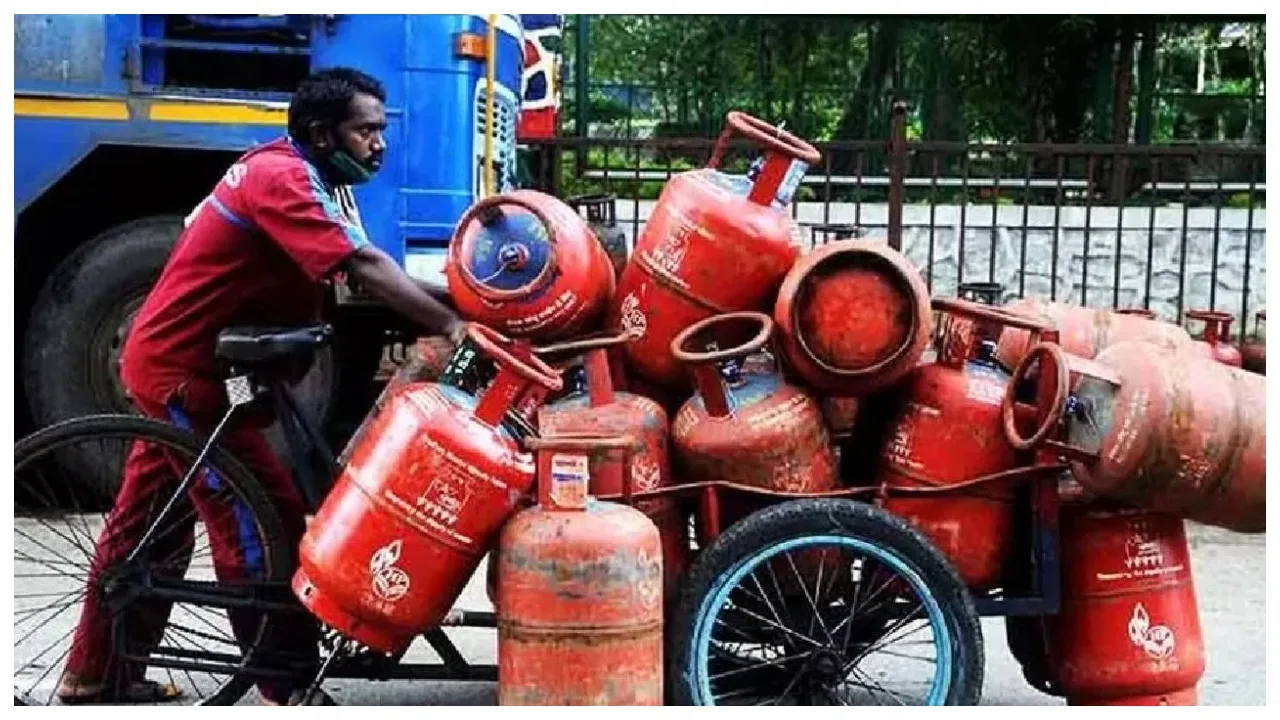
  • Gas cylinder price to reduce? Budget 2025 can bring fresh air for the middle-class

    Gas cylinder price to reduce? Budget 2025 can bring fresh air for the middle-class

    Gas Cylinder Price: Anticipation is building for Budget 2025, with Finance Minister Nirmala Sitharaman set to unveil it on February 1. Many are hopeful, and leaders from various sectors have voiced their requests to the government.

    Expectation that the government will address the Oil Ministry’s needs in this budget

    There’s a strong expectation that the government will address the Oil Ministry’s needs in this budget. Historically, when subsidies for LPG cylinders are announced, it results in financial strain for oil companies. The Oil Ministry reports that Indian Oil has incurred a staggering loss of Rs 9,000 crore from selling LPG cylinders below their production cost. They are seeking Rs 40,000 crore to cover the LPG subsidy provided by the government.

    Domestic LPG cylinders was slashed by Rs 100

    In a notable move on International Women’s Day, March 8, 2024, the price of domestic LPG cylinders was slashed by Rs 100. It is anticipated that the Finance Minister may allocate Rs 40,000 crore to the Oil Ministry in this budget. When government-owned oil companies sell LPG cylinders at a loss, they face significant financial challenges, which the government compensates.

    Last year, the government allocated Rs 22,000 crore to cover losses for the financial year 2022-23. Indian Oil Corporation, BPCL, and HPCL are the primary suppliers of LPG cylinders. The government imposes a 5% GST on these cylinders. If the Oil Ministry’s requests are granted, it could lead to benefits for the general public, including potential reductions in domestic LPG cylinder prices.

    Additionally, the Confederation of Indian Industry (CII) has called for a decrease in excise duty on petrol and diesel to ease the burden on consumers. Meeting this demand could result in lower prices for these fuels, providing further relief to the public.

  • How much monthly salary was given in the 3rd pay commission? Know these comparisons with today’s time

    How much monthly salary was given in the 3rd pay commission? Know these comparisons with today’s time

    The central government has recently introduced the 8th pay commission, prompting increased public interest in the pay commission system. To date, seven pay commissions have been established in the country, each resulting in salary increases for central government employees. We have previously discussed the first and second pay commissions following the country’s independence. Now, we will focus on the third pay commission that was implemented.


    When was the Third Pay Commission established? What were the salaries of central government employees prior to its introduction? What was the extent of the salary increase? How does this compare to current salaries? Let’s explore these questions.


    What was the salary prior to the 3rd Pay Commission?


    Before the 3rd Pay Commission was established, the Second Pay Commission was formed in August 1957, with its term concluding in August 1959. This commission adopted a socialist model, emphasizing the need to balance economic factors with the cost of living. At that time, the Second Pay Commission recommended a minimum salary of Rs 80 per month for central employees, reflecting a 14.2 percent increase in their salaries.


    The 3rd pay commission was established in the country from April 1970 to March 1971, with Raghubir Dayal serving as its chairman. This commission focused on achieving pay equality between the private and government sectors and aimed to address the shortcomings in the existing pay structure. As a result of its recommendations, the salaries of central employees saw an increase of 20.6% compared to the previous pay commission.


    Following the implementation, the minimum salary for employees rose significantly from Rs 80 to Rs 185. Approximately 30 lakh employees benefited from this pay commission, leading to a financial impact of Rs 12.8 billion.

  • EPFO Update: Up to 3.9 lakhs members will benefits, Correcting personal details in EPFO ​​database has become easy

    EPFO Update: Up to 3.9 lakhs members will benefits, Correcting personal details in EPFO ​​database has become easy

    There is good news for Employees’ Provident Fund Organization (EPFO) members. To enhance member services and ensure the accuracy of personal data, the EPFO has streamlined the process for updating member profiles, as announced by the Ministry of Labor on Sunday.


    EPFO members can now update their personal information. Under the new procedure, members with a Universal Account Number (UAN) linked to Aadhaar can modify details such as their name, date of birth, gender, nationality, parent’s name, marital status, spouse’s name, joining date, and leaving date without the need to upload any documents.


    Employer verification will be necessary in certain situations. For members whose UAN was issued prior to October 1, 2017, updates will require verification from the employer. The Labour Ministry emphasized the importance of maintaining accurate personal information in the EPFO database to ensure uninterrupted service delivery and to mitigate the risk of erroneous or fraudulent payments from the fund.


    Prior to this update, members had the option to modify or correct their personal information, but this required them to submit the necessary documentation and undergo verification by their employer. As per the notification from EPFO, members could already initiate an online request for changes or corrections by uploading the required documents. These requests would then be approved online by the employer before being forwarded to EPFO for final validation.


    This modification is expected to enhance efficiency. In the financial year 2024-25, EPFO received approximately 800,000 requests, with around 45 percent of these now eligible for self-approval by members without needing employer confirmation. This change is anticipated to reduce the average approval time for Joint Declarations by employers, which previously took about 28 days.


    Additionally, for EPF members lacking complete e-KYC, around 50 percent of their requests for changes or corrections will be approved at the employer level without requiring EPFO’s consent.


    This adjustment will positively impact approximately 390,000 members whose requests are currently in various stages of processing. Members who are eligible for self-approval and have pending requests with their employer can withdraw their previous submissions and utilize the streamlined process for self-approval. In most instances, members can verify their requests directly, while in select cases, employer verification may still be necessary.


    At present, roughly 27 percent of the complaints submitted by members pertain to their profiles or KYC (Know Your Customer) issues. However, with the recent introduction of the Joint Declaration feature, we anticipate a significant reduction in the number of complaints from members.

  • A gift for farmers, the Modi government has increased the jute MSP

    A gift for farmers, the Modi government has increased the jute MSP

    Jute MSP: The CCEA, led by Prime Minister Narendra Modi, has announced an increase in the Minimum Support Price (MSP) for the marketing season 2025-26. The MSP for TD-3 grade raw jute has been set at Rs 5,650 per quintal, up from Rs 5,335 per quintal in the current marketing year 2024-25, marking an increase of Rs 315. This rise in MSP is anticipated to provide jute farmers with a return of 66.8 percent on their production costs. Back in 2014-15, the support price for jute was only Rs 2,400, meaning the government has raised the MSP by Rs 3,250 per quintal since then.

    From the marketing season of 2014-15 to the present, the government has disbursed Rs 1,300 crore to jute farmers through MSP. In contrast, the total amount allocated to farmers from 2004-05 to 2013-14 was Rs 441 crore.

    As per a press release from PIB, the MSP for Raw Jute (TD-3 grade) has been established at Rs 5,650 per quintal for the 2025-26 season, ensuring a return of 66.8 percent over the all-India weighted average cost of production. This approved MSP aligns with the government’s commitment, made in the Budget 2018-19, to set MSP at a level of at least 1.5 times the all-India weighted average cost of production.

    This central government decision is expected to benefit around 40 lakh farming families, both directly and indirectly. Additionally, families reliant on the jute industry will also see positive effects. The government believes that the MSP increase will enhance employment opportunities for jute farmers across the nation, with estimates suggesting that around 4 lakh workers could find jobs in jute mills and related businesses.

  • 8th Pay Commission: Is it mandatory for the government to accept the recommendations of the Pay Commission? Know the rules

    8th Pay Commission: Is it mandatory for the government to accept the recommendations of the Pay Commission? Know the rules

    The discussion around the formation of the 8th Pay Commission has gained momentum since the central government gave its approval. If the 8th Pay Commission is implemented, central government employees could see a significant salary increase. It is anticipated that, similar to the 7th Pay Commission, the fitment factor might range from 2.28 to 2.86. Should this occur, the basic salary for central employees could rise from Rs 18,000 to anywhere between Rs 41,000 and Rs 51,480.


    The central government is set to establish a commission that will evaluate the salaries of central employees and the pensions of retirees, after which it will present its recommendations to the government. These recommendations are expected to be put into effect starting January 1, 2026.


    However, this is still under consideration. A pertinent question arises, Is the Central Government required to accept the Pay Commission’s recommendations? What are the governing rules in this regard? And what are the implications if the central government chooses not to accept these recommendations?


    What suggestions does the Pay Commission provide?


    When the Pay Commission is formed, it comprises specialists in salary structures, economics, and human resources. This commission evaluates the current salaries and pensions of central government employees. Their new suggestions are based on various factors, including the nation’s inflation rate, economic conditions, and prevailing market wages, which are then presented to the central government. These suggestions often include proposals for salary increases, adjustments to allowances (such as for inflation, housing, transport, and medical needs), improvements in working conditions, and employee training programs.


    Is the government required to follow these suggestions?


    The answer is – No, the Central Government is not obligated to follow the Pay Commission’s suggestions. However, it often chooses to implement them.


    Before putting these suggestions into action, the central government assesses the country’s financial health, fiscal status, and inflation levels, which may lead to either partial or full implementation of the recommendations. Additionally, the Central Government is tasked with adjusting the Grace Factor as determined by the Pay Commission.


  • The army has taken a big decision about pension rules; know the updated guidelines to avoid any trouble

    The army has taken a big decision about pension rules; know the updated guidelines to avoid any trouble

    Pension: The Eighth Pay Commission has officially sanctioned the implementation of its recommendations, bringing an end to the prolonged anticipation felt by millions of central government employees and pensioners. This pivotal decision was made during a Union Cabinet meeting led by Prime Minister Narendra Modi. Approximately 49.18 lakh employees and 64.89 lakh pensioners stand to benefit from this development. Additionally, some state governments, including the Delhi government, are set to adopt the pay commission’s recommendations, resulting in increased pensions for state government retirees. Notably, the central administration has also taken significant measures for other pensioners, particularly through the Ministry of Defense.

    Key initiatives from the Ministry of Defense

    Recently, the Ministry of Defense has introduced a standardized procedure aimed at streamlining the process for updating names and dates of birth in the Pension Payment Order (PPO) for retired personnel and their dependents. This initiative is expected to assist countless individuals.

    This new approach was established following the recommendations of a tri-services committee, which was chaired by the Additional Director General of Military Personnel (Policy and Planning). The Department of Ex-Servicemen Welfare (DESW) officially endorsed this simplified procedure with guidelines released in October 2024. Previously, the processes for correcting names or dates of birth in the PPO varied among the Indian Army, Navy, and Air Force. The newly standardized protocol will facilitate smoother operations across all three branches, significantly alleviating the paperwork burden for retirees and their families.

    What are the updated regulations?

    For retired employees seeking to amend their date of birth, corrections for Junior Commissioned Officers (JCOs) and Other Ranks (ORs) will only be permitted in cases of genuine errors. These corrections will be validated using the Commissioning Letter or Enrollment Form as a reference point.

    To verify or amend the date of birth for dependents, you will need to provide specific documents such as a PAN card, matriculation certificate, passport, ECHS card, or driving license. For children, a birth certificate issued by the registrar, municipal authority, local panchayat, or the principal of a recognized school is required.

    If you wish to change your name

    For retired employees looking to change or correct their name—whether it’s the surname, first name, middle name, or any spelling mistakes—you must start by submitting a personal application. For the Online Registration System (ORS), you will need to include an affidavit from a first-class magistrate along with a newspaper advertisement in English. Don’t forget to attach your Aadhaar card and PAN card, and ensure all details of your last pension account are filled out.

    To correct a surname or spelling error, submit a personal application and attach copies of your PAN card and Aadhaar card. You will also need to obtain an affidavit from a judge.

    For changing the first and middle names, follow these steps:

    1) Submit a personal application.

    2) Upload your PAN card and Aadhaar card.

    3) Provide an affidavit from a first-class magistrate.

    4) Include copies of advertisements from at least two national newspapers.