Category: Business

Stay ahead of the curve in India’s dynamic financial landscape with Timesbull. We deliver real-time updates and in-depth analysis on Indian business, finance, and the stock markets. Get the latest BSE/NSE news, ensuring you’re always informed about market movements.

Track the pulse of the Indian economy with our comprehensive coverage of Sensex and Nifty updates. Timesbull provides crucial personal finance insights to help you manage your money effectively and make informed investment decisions.

Beyond breaking news, we offer expert market analysis and insightful perspectives on economic trends shaping India and the global economy. Whether you’re a seasoned investor, business professional, or just starting to manage your finances, Timesbull is your trusted source.

Rely on Timesbull for accurate, timely, and insightful business and finance news, empowering you to navigate the complexities of the Indian market with confidence. Visit Timesbull today to unlock your financial potential.

  • Mahesh Bhatt Parveen Babi Love Story: The story of incomplete love

    Mahesh Bhatt Parveen Babi Love Story: The story of incomplete love

    Mahesh Bhatt Parveen Babi Love Story: The story of incomplete love Hello friends, how are you all, Mahesh Bhatt, the director of the Indian film industry, who has made many hit films, and on the other hand, there is such a Bollywood actress, seeing whom many people used to get intoxicated, the love story of these two has also been much talked about, so today through this article, we will tell you why the love story of these two could not be completed, watch this video till the end for complete information.

    Click here to watch full video in Hindi


  • Budget 2025 Expectations – Modi government can take these Big Decisions for farmers & Taxpayers

    Budget 2025 Expectations – Modi government can take these Big Decisions for farmers & Taxpayers

    Budget 2025 Expectations: The entire budget to be presented on February 1, 2025, will be very special in many ways. On the one hand, farmers are expected to get good news, while on the other hand, taxpayers are expected to get a big shock. The government may decide to end all exemptions under the old tax system. A big announcement can be made regarding PM Kisan Samman Nidhi Yojana and Kisan Credit Card.

    If this happens, the farmers’ luck will surely shine. According to the SBI report, it has been recommended that the pension system limit be increased from Rs 50 50,000 to Rs 1 lakh and that the insurance deduction under section 80D be increased from Rs 25,000 to Rs 50,000. The Modi government can make big announcements in this budget. You can read about all this in the article below.

    SBI report suggests these changes

    According to the new central government tax system, all exemptions will be included. Additionally, the APS limit can be doubled from Rs 50,000 to Rs 1,00,000. A decision can be taken to increase the medical insurance discount from Rs 25,000 to Rs 50,000. Also, maintain the highest tax rate at 30 per cent for income of more than Rs 15 lakh. But the rate on income of Rs 10 to 15 lakh can be reduced to 20 to 15 per cent.

     PM Kisan Samman Nidhi Yojana 

    The central government can approve the ongoing demand of farmer organisations. The government is expected to increase the annual amount received under the PM directly from Kisan Samman Nidhi Yojana from Rs 6,000 to Rs 10. If this happens, the amount per instalment will also increase.

    Kisan Credit Card limit increase?

    The Modi government can also decide to increase the Kisan credit card limit. The government can now increase the loan amount of up to Rs 3 lakh through Kisan Credit Card to Rs 5 lakh directly. This government decision can lead to a significant increase in the number of people taking Kisan Credit Card.

  • EPFO: If you have completed 10 years in your company, then know how much pension you will get

    EPFO: If you have completed 10 years in your company, then know how much pension you will get

    Big news for EPFO members. If you’ve been employed at a company for a decade, you’ll be eligible for a pension from that company upon retirement. We’re here to share information about the EPFO’s EPS pension, which provides a fixed monthly pension. Let’s dive into the details of this scheme, including when you can expect to receive your pension, how much it will be, and the eligibility criteria.


    The Employees’ Pension Scheme was introduced by the EPFO on November 16, 1995. The pension amount is based on the total number of days the employee has worked.


    When will you receive your pension?

    Additionally, benefits from this scheme are available only after reaching the age of 58, and it’s crucial that the employee has a PF account with contributions made during their employment.


    EPF members contribute 12% of their basic salary to the PF through the EPFO, with the employer also making a contribution. This employer contribution is split into two parts: 8.33% goes to the EPS, and 3.67% goes to the PF. Under this scheme, you can expect a minimum monthly pension of Rs 1,000. It’s worth noting that there has been a long-standing demand to increase the minimum pension amount to Rs 7,500 per month.


    How much pension will you get

    Monthly Pension= (Pensionable Salary X Pensionable Service)/ 70


    Pensionable salary = Average of your last 60 months’ salary


    According to this formula, the pension of the employee is decided. Suppose your salary is 15,000, then let’s know what amount you will get after 10 years.Monthly pension = (15,000 × 10) / 70 = Rs 2,143.


  • BSNL 4G Network – Bharat Sanchar Nigam Limited Over 65,000 Towers Now Live

    BSNL 4G Network – Bharat Sanchar Nigam Limited Over 65,000 Towers Now Live

    BSNL 4G Network:- BSNL, Bharat Sanchar Nigam Limited recharge plans are very popular among users. The users very much like BSNL’s recharge plans. BSNL’s plans are cheap and come with robust benefits. You will find recharge plans for every budget with BSNL company.

    If you are a BSNL customer, good news is coming. The government telecom company has made more than 65,000 BSNL 4G Mobile Towers live nationwide. People have been eagerly waiting for the BSNL 4G network.

    BSNL 4G Network
    BSNL posted on its official X handle (Twitter) that it has installed over 65,000 4G mobile towers nationwide. These towers provide better and faster telecom service in India.

    Benefits of BSNL 4G mobile tower
    Stronger Signals
    Wider Reach
    Faster Speeds

    BSNL, in the joy of starting 65 thousand 4G mobile towers in India, said that fellow citizens will get better facilities than before on the BSNL network. According to the company, the problem of no network will be solved by increasing the number of mobile towers, and only after these strong signals are received will BSNL Internet become faster than before.

    The company is also preparing for the 5G Service, for which BSNL and Tata have partnered. BSNL’s target is to install 1 lakh 4G mobile towers in India, and in this episode, more than 65,000 towers will be built, which will be a significant achievement.

    BSNL Rs 628 plan

    in this plan, the company offers 84 days of validity. This recharge plan also gives users the benefit of free national roaming. 4G data is also being offered to customers in this BSNL plan. Apart from this, users get up to 3GB daily data in the plan.

    The plan provides 252 GB of data for 84 days during its validity. It offers free subscriptions to Hardy Games, Challenger Arena Games, Gameon, Astrocell, Lystn Podcast, Zing Music, Wow Entertainment, and BSNL Tunes. This BSNL plan can provide sound information for those who need data daily.

  • 8th Pay Commission: Basic salary of government employees may increase by 30%? Know this current update 

    8th Pay Commission: Basic salary of government employees may increase by 30%? Know this current update 

    Big news for central government employees. The central government has given the green light for the 8th Pay Commission, sparking a lot of chatter among central employees about what the new minimum basic salary will be. There’s a lot of curiosity about how much the minimum basic salary will change once the 8th Pay Commission kicks in. Plus, it looks like retired employees might see a boost in their pensions too. Let’s dive into the details.


    So, how much can we expect the minimum basic salary to go up?

    Experts suggest that the fitment factor for the 8th Pay Commission could range from 2.6 to 2.85, potentially bumping up the minimum basic salary by 25-30%. Right now, that salary sits at Rs 18,000 a month, but if the fitment factor hits 2.85, we could be looking at a new salary between Rs 40,000 and Rs 45,000 a month.


    What’s this fitment factor all about?

    The fitment factor is basically a multiplier used to figure out the salaries and pensions for government employees. It takes into account things like inflation, the economic needs of workers, and the government’s financial situation.


    The fitment factor established by the 7th Pay Commission was set at 2.57, which determined the minimum basic salary for employees at Rs 18,000. In contrast, the fitment factor for the 6th Pay Commission was 1.86.


    What is the potential increase in pension?

    There is a possibility of an increase in the pensions of central employees. Should the government endorse a fitment factor of 2.86 in the 8th Pay Commission, pensions could rise by approximately 186%. Consequently, this would result in an increase of Rs 9,000, bringing the total pension to Rs 25,740 per month.

  • Upto Rs 1.5 lakh as incentive on having a third child! Huge announcement

    Upto Rs 1.5 lakh as incentive on having a third child! Huge announcement

    FD: The declining birth rate in societies can be attributed to career-oriented youth who are opting for late marriages and choosing to have only one child. In response to this issue, the Brahmin Samaj, Maheshwari Samaj, and Gujarati Samaj are formulating incentive policies aimed at promoting timely marriages and increasing family size.

    Brahmin Samaj:

    During the Parichay Sammelan of the Sanadhya Brahmin Samaj held in Indore, Samaj Patron Pt. Vishnu Rajouria announced a financial incentive of Rs. 1 lakh for families that have four children. He emphasized that this initiative aims to foster positive societal change.

    Maheshwari Samaj:

    In light of the declining birth rate, the Maheshwari Samaj has decided to offer a fixed deposit of 1 lakh rupees to couples who marry when the bride is 21 and the groom is 23. Additionally, they will provide an incentive of 51 thousand rupees for families that welcome a third child. This resolution was made during the meeting of the Akhil Bhartiya Maheshwari Mahasabha in Surat, where it was noted that the community’s population is on the decline.

    Gujarati Samaj:

    Sanjay Patel, the President of the Gujarati Samaj in Bhopal, stated that the financial burden associated with raising children has led to apprehension among families about having more children, which is adversely affecting the social structure. To address this, the society plans to introduce a scheme following a resolution passed in the general meeting.

    Furthermore, the Gujarati Samaj will provide an incentive of 51 thousand rupees if the second child is a girl and 25 thousand rupees if it is a boy. For a third child, the society will offer 1 lakh 1 thousand rupees if the child is a girl and 51 thousand rupees if it is a boy.

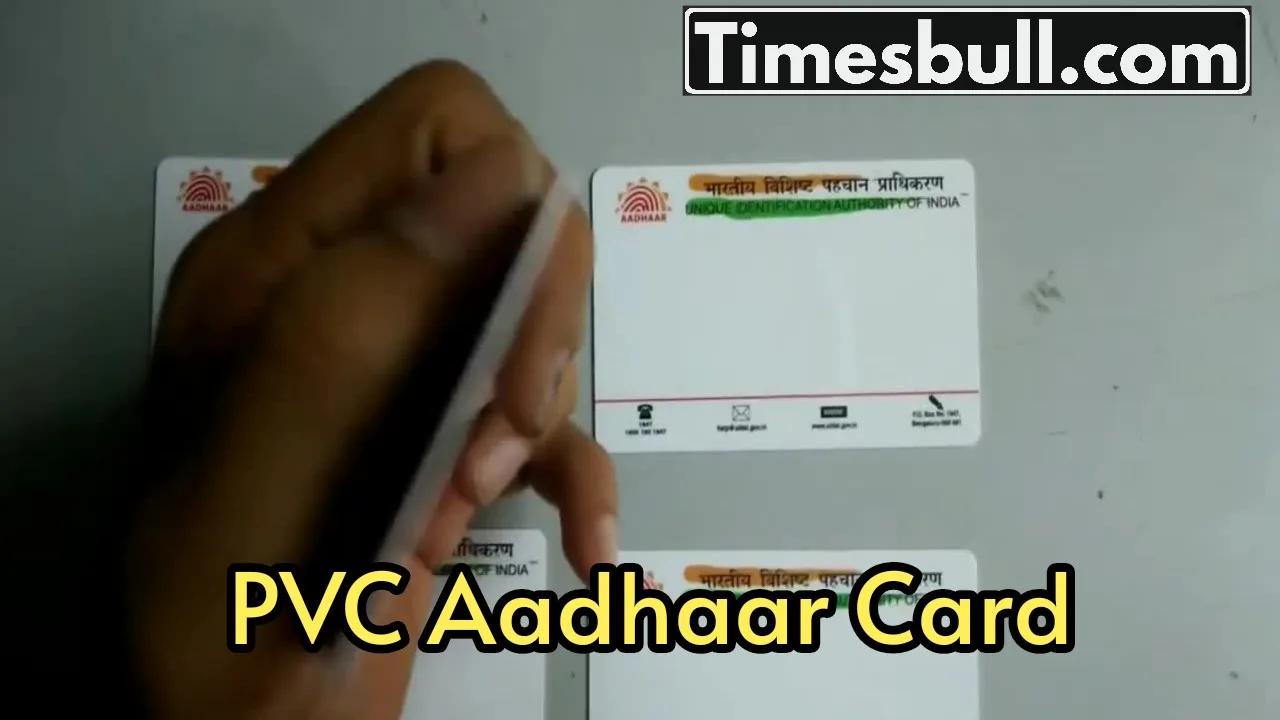
  • How is PVC Aadhaar card different from the normal Aadhaar? Let’s know about it 

    How is PVC Aadhaar card different from the normal Aadhaar? Let’s know about it 

    PAN Card, Ration card to Aadhaar Card, All the documents you have will be necessary. Some documents are required for government jobs, while others are needed for private sector work. This includes various IDs like your driving license, voter ID, and PAN card. One important document is the Aadhaar card, which is issued to Indian citizens by the Unique Identification Authority of India (UIDAI).


    Aadhaar is essential for a lot of tasks. If you’re interested, you can also get a PVC Aadhaar card made. You might be wondering what the difference is between this and the regular Aadhaar card. Let’s break it down.

    What’s a PVC Aadhaar Card?

    The standard Aadhaar card is made of paper, while the PVC Aadhaar card is made of plastic, making it more durable. Plus, it’s water-resistant, so you don’t have to worry about it getting damaged if it gets wet.


    How to get a PVC Aadhaar card?

    Step 1


    If you want to get a PVC Aadhaar card, start by visiting the official UIDAI website at uidai.gov.in.


    Choose your preferred language, and you’ll be taken to the main site.


    From there, look for the ‘My Aadhaar’ section.


    Step 2

    Next, look for the option labeled ‘Order Aadhaar PVC Card’ and click on it. After that, input the Aadhaar card number for which you wish to obtain the PVC Aadhaar card.


    Following this, type in the captcha code displayed on the screen. You will also need to click the ‘Send OTP’ button.


    You should receive a One Time Password (OTP) on the mobile number linked to your Aadhaar card.


    Enter the OTP you received in the designated field. Then, click on the submit button. After that, you will need to make an online payment of Rs 50. Your PVC Aadhaar card will be delivered to your address by post within a few days.

  • What is Lado Laxmi Yojana? know which women will not get benefit 

    What is Lado Laxmi Yojana? know which women will not get benefit 

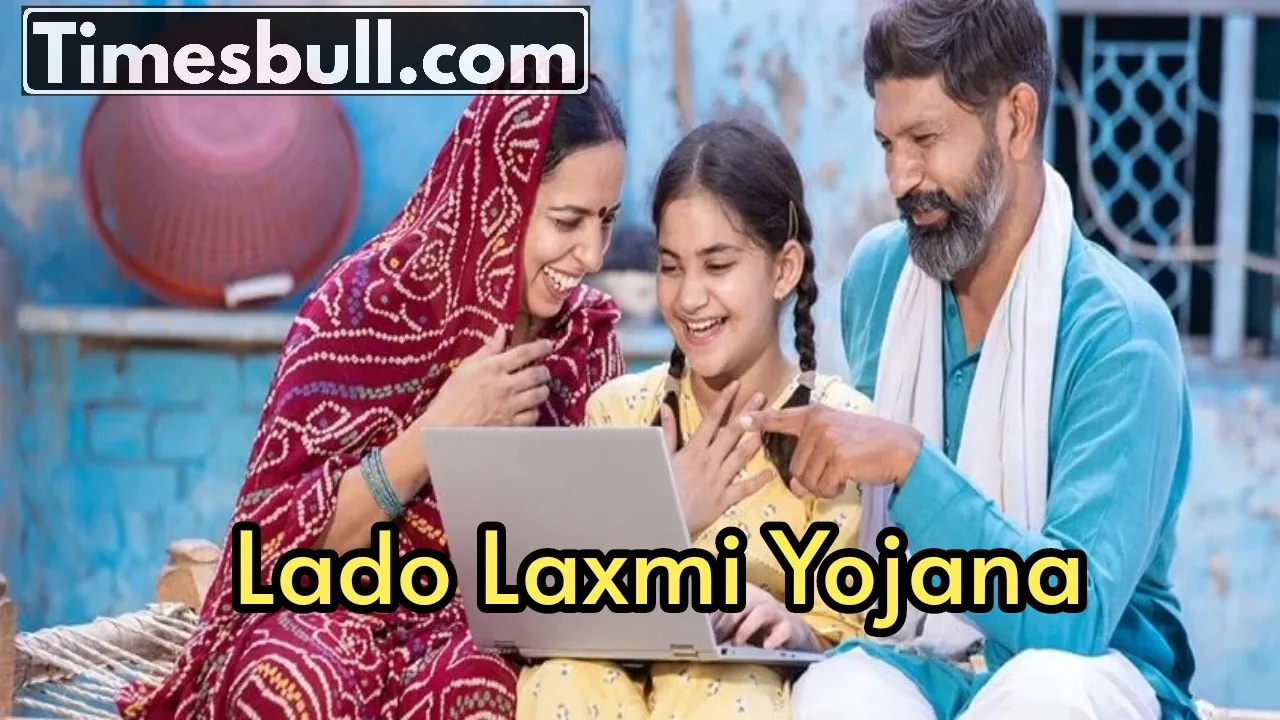
    For the past few years central government to many state govt runs many types of schemes for the women of the country. In addition to initiatives from the central government, various state governments in India are implementing programs aimed at promoting women’s empowerment and enhancing their societal participation. Recently, several states have introduced new schemes specifically designed for women.


    One such initiative is the Lado Laxmi Yojana launched by the Haryana government. This program provides direct financial assistance to women, with the government transferring Rs 2100 directly into their accounts. It is important to note the criteria for eligibility to benefit from this scheme.

    What is the Lado Laxmi Yojana?

    According to the 2011 census, Haryana recorded the lowest sex ratio in India, with only 877 women for every 1000 men. In response, the government has been actively working to promote women’s empowerment and increase their involvement in society. The recent introduction of the Lado Laxmi Yojana is part of these efforts.


    Under this scheme, eligible women will receive a monthly financial aid of Rs 2100. The primary objective is to enhance women’s financial stability and improve their quality of life, ensuring they are not reliant on others for their basic needs.

    Eligibility Criteria

    The Haryana government has established specific eligibility requirements for the Lado Laxmi Yojana. Only women who meet these criteria will qualify for the benefits. Specifically, assistance will be provided to women holding Below Poverty Line (BPL) cards issued by the state. Women without BPL cards will not be eligible for the program. Additionally, the age range for beneficiaries is set between 18 and 60 years; women outside this age bracket will not qualify for assistance.

  • What is the PM Vidyalaxmi Scheme? Know how to apply

    What is the PM Vidyalaxmi Scheme? Know how to apply

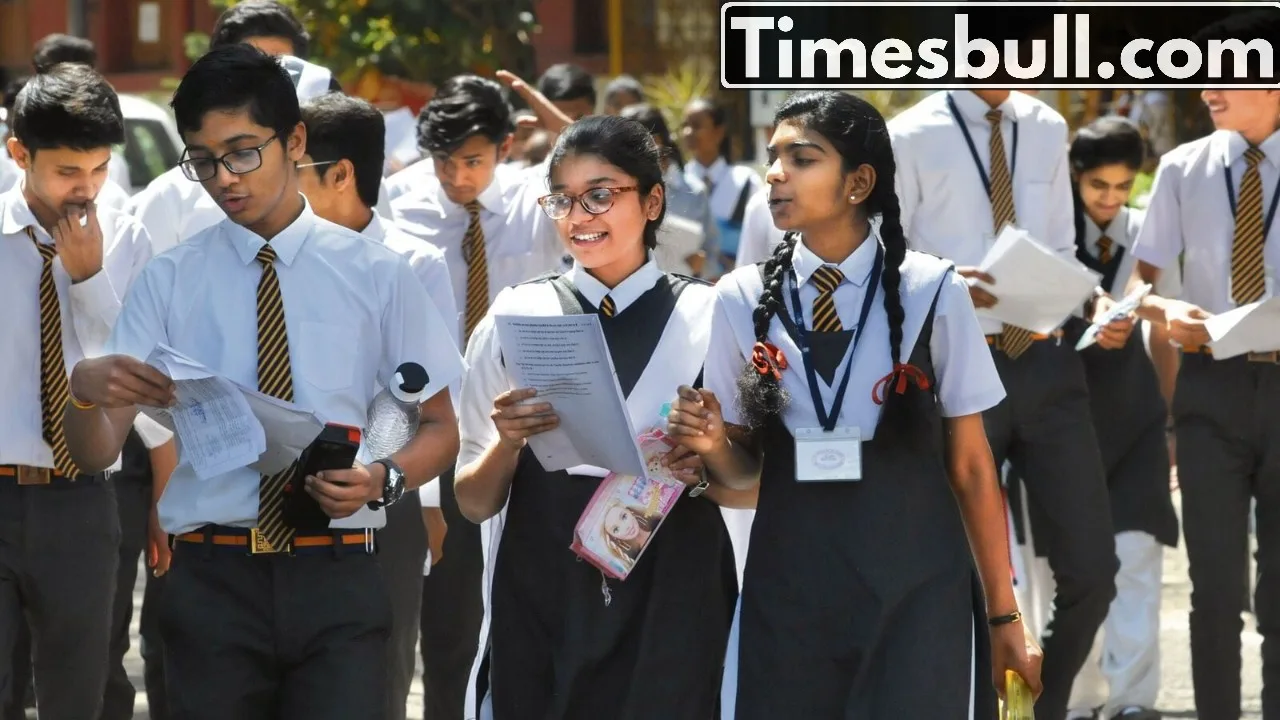
    A new initiative called the PM Vidyalaya Lakshmi Yojana has been launched by the central government. This program allows banks and financial institutions to offer loans to students enrolling in quality higher education institutions (QHEIs) without requiring any collateral or guarantees. The main goal of this scheme is to ensure that financial constraints don’t prevent anyone from pursuing higher education. The loans will cover tuition fees and other related expenses.


    How to apply for the Vidyalaxmi Scheme?

    1. The Higher Education Department will set up a portal named PM-Vidyalaya Lakshmi, where students can apply for education loans and interest subsidies.


    2. The application process will be user-friendly, and the portal will be available to all banks. Students can access interest subsidies through e-vouchers and a Central Bank Digital Currency (CBDC) wallet.


    3. First, applicants need to register on the Vidya Lakshmi Portal and log in.


    4. Carefully fill out the Common Education Loan Application Form (CELAF) with the necessary details.


    5. After completing the form, applicants can search for and apply for education loans based on their needs and eligibility.

    Loan Facility

    Students can receive a credit guarantee of 75% on the outstanding amount for loans up to Rs 7.5 lakh, which will assist banks in providing education loans under this scheme. Additionally, students with a family income of up to Rs 8 lakh who do not qualify for other government scholarships or interest subsidies will receive a 3% interest subsidy during the moratorium period on loans up to Rs 10 lakh.


    This interest subsidy will be available to 100,000 students each year, with priority given to those from government institutions and those enrolled in technical or professional courses. A budget of Rs 3,600 crore has been set aside for the years 2024-25 to 2030-31. During this time, 700,000 students are expected to benefit.

    Who can take part in this scheme?

    This scheme is open to higher education institutions (HEIs) in India that have a strong NIRF ranking. It covers both government and private HEIs that fall within the top 100 rankings, whether that’s overall, by subject, or in a specific area. All institutions operated by the central government are also part of this.


    Additionally, state government HEIs ranked between 101 and 200 are included as well. Initially, 860 eligible institutions will be part of PM-Vidyalaya Lakshmi, serving over 22 lakh students. The list will be refreshed annually based on the latest NIRF rankings.

  • Booking train tickets now easier, IRCTC brings e-wallet facility, know the details

    Booking train tickets now easier, IRCTC brings e-wallet facility, know the details

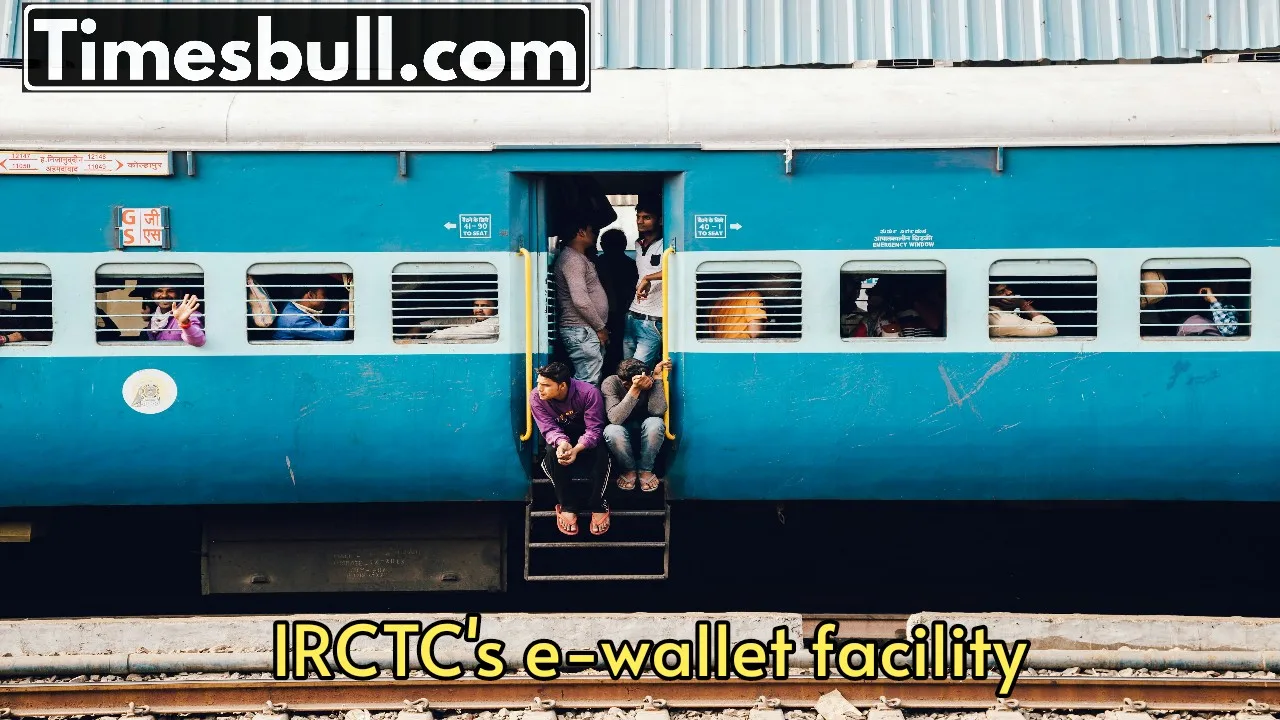
    Good news for indian train travelers. Right now traveling by Indian Railways is very convenient. Many travelers prefer to purchase their train tickets ahead of time to avoid any issues during their trip. Indian Railways offers two methods for making reservations: online and offline. For offline bookings, you need to visit a railway counter to secure your tickets. Alternatively, for online reservations, you can easily book your tickets through the IRCTC website or app.

    If you choose to book your train tickets online, there’s some exciting news for you! Your payment process is now more reliable, thanks to the IRCTC e-wallet, which has become a fantastic option. Let’s explore how you can book tickets using the IRCTC e-wallet.

    What are the advantages of using the IRCTC e-wallet?

    When you book a train ticket online, you typically incur payment gateway charges on the IRCTC website or app. However, by using the IRCTC e-wallet, you can avoid these charges altogether. Additionally, the payment process is quicker compared to other payment methods, meaning you won’t have to wait around for long.

    If your ticket gets canceled, your refund will be instantly added to your e-wallet. You can fund your e-wallet using your bank account, UPI, Paytm, Amazon Pay, net banking, debit card, credit card, or any other method. Just keep in mind that it can only be used on the IRCTC website and app.


    How to book tickets using the IRCTC e-wallet?

    To get started with the IRCTC e-wallet, head over to the IRCTC website and log in with your ID and password. Next, navigate to the IRCTC Exclusive section and select the eWallet option. If your PAN card or Aadhaar card is already verified with IRCTC, you can skip the verification step. If not, you’ll need to complete that first.


    Once that’s done, click on eWallet, and you’ll find the option to top it up. You can add funds using UPI, net banking, credit card, or debit card. The minimum amount you can add is Rs 100, and the maximum is Rs 10,000. After you’ve topped it up, you’re all set to use the IRCTC e-wallet for your transactions.

  • Sukanya Samriddhi Yojana: This is how interest rates have increased and decreased in 10 years, know the difference

    Sukanya Samriddhi Yojana: This is how interest rates have increased and decreased in 10 years, know the difference

    There is a big update in Sukanya Samriddhi Yojana. Recently Sukanya Samriddhi Yojana (SSY) has completed 10 years. This program is designed for the future of daughters, offering tax exemptions and guaranteed returns, along with a government assurance that makes this investment secure. As of November 2024, over 4.1 crore Sukanya Samriddhi accounts have been established.


    Launched in 2015 as part of the ‘Beti Bachao, Beti Padhao’ initiative, it helps cover the costs of education and marriage for daughters. Parents or legal guardians can open an account in their daughter’s name at a bank or post office, making it one of the government’s favored small savings schemes.


    The Sukanya Samriddhi Yojana is intended for daughters aged 10 years or younger. Each year, a minimum deposit of 250 rupees and a maximum of 1.5 lakh rupees can be made. Once the account is opened, deposits can be made for 15 years, and the funds are locked in for 21 years, meaning withdrawals are only permitted after this period. If the daughter marries before reaching 21, the account will be closed, and no further transactions can occur post-marriage.


    Despite some fluctuations, the Sukanya Samriddhi Yojana offers higher interest rates than fixed deposits. Over the past decade, it has provided better returns than many other savings options, with interest rates exceeding 8% in seven of the first ten years. The Finance Ministry evaluates the interest rate every three months, and for the January to March quarter, it stands at 8.2%.


    When the scheme was introduced in 2015, the interest rate was 9.1%, which was later raised to 9.2% in April of the same year. However, as market interest rates declined in 2016, the rate for Sukanya Samriddhi Yojana also fell, reaching a low of 7.6% from April 2020 to September 2022. As of January 2024, the interest rate for SSY accounts is now 8.2%.


    How is the calculation performed?

    Imagine your daughter is 5 years old. Starting in 2025, you plan to deposit Rs 20,000 each year. With an interest rate of 8.2%, you will continue this for 15 years. After 21 years, your daughter will receive approximately Rs 9,23,677, which includes Rs 6,23,677 earned in interest. Over the 15 years, you will have contributed a total of Rs 3,00,000. Thus, by saving Rs 20,000 annually, you will accumulate Rs 9,23,677 after 21 years, with Rs 6,23,677 coming from interest.


    It’s important to note that if you fail to deposit at least Rs 250 each year, the account will go into default. To reactivate a defaulted account, you must deposit Rs 250, along with an extra Rs 50 for each year it was in default. All of this must be completed within 15 years of opening the account.


    According to a circular from the Department of Posts dated August 21, 2024, if the account is opened by grandparents who are not the legal guardians, it will be transferred to the rightful owner, which can be the parents (if they are alive) or the legal guardians.


    Desclaimer : For any financial invest anywhere on your own responsibility, Times Bull will not be responsible for it.

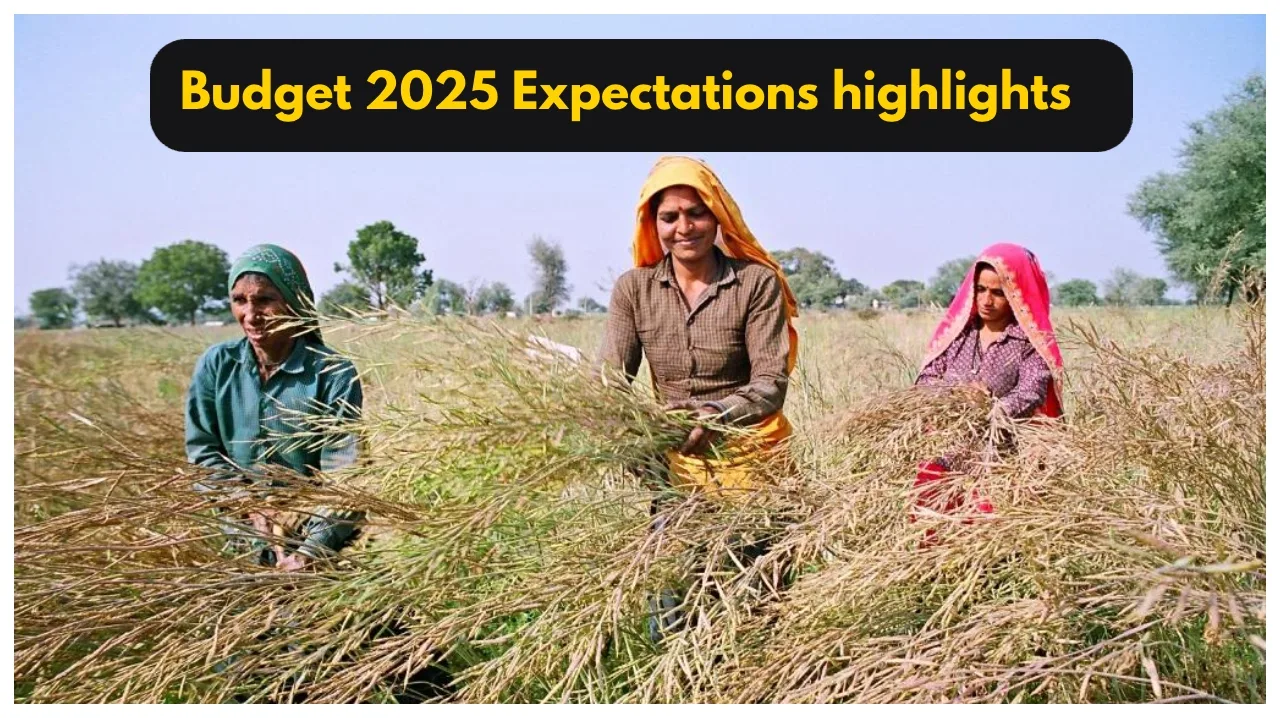
  • Budget 2025: Government is making a plan to increase consumption, will reduction in income tax rate?

    Budget 2025: Government is making a plan to increase consumption, will reduction in income tax rate?

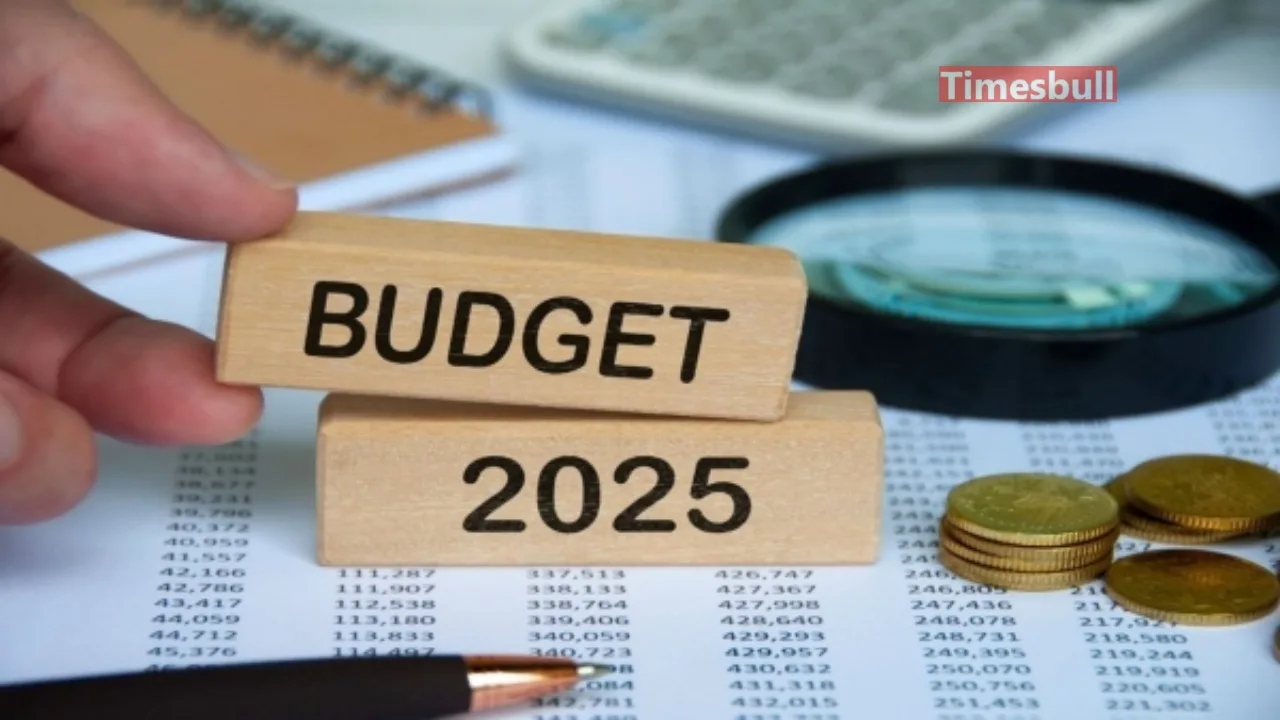
    The BJP Led The central government will present the country’s Union Budget on February 1. The government has a lot of key choices to make in the budget that could really boost the economy. There are several areas that need attention to strengthen the economic situation, but one of the biggest focuses should be on increasing consumption.


    When people spend more, the economy thrives. To encourage this, the government could consider some moves in Budget 2025, like lowering income tax rates. You might be curious about how adjusting the income tax brackets or cutting rates could lead to more spending. Let’s break it down.


    By tweaking the income tax brackets, the government can help raise people’s incomes, which in turn encourages them to spend more. Right now, there are two tax systems in place: the old tax regime and the new one. The government could offer exemptions for those who are taxed under the new regime.


    The new tax system has set a maximum rate of 20 percent on income ranging from Rs 3 lakh to Rs 15 lakh, which is lower than the previous tax structure. However, the old system offered various exemptions. In contrast, while the new regime requires less tax payment, it provides minimal exemptions, limited to just a couple of schemes.


    Exemptions in the new tax system

    In the upcoming budget presentation on February 1, there are expectations for some relief within the new tax framework. The government aims to maintain a robust economy, and by providing tax relief, individuals may be encouraged to spend more rather than save. Increased spending can positively impact the country’s economic health. The key question remains: how much tax relief will be offered?

    There are a few predictions regarding this. One possibility is that the government might raise the standard deduction limit from Rs 75,000 to Rs 1 lakh. Another speculation is that the tax-free income threshold could be increased from Rs 7 lakh to Rs 10 lakh. Additionally, there is an expectation that the income bracket for those taxed at 20 percent could be expanded to Rs 20 lakh.


    More disposable income benefits the economy

    With tax exemptions, the middle class would have more disposable income. If they do not benefit from tax exemptions on savings, they are likely to spend that extra money on their interests and needs. As the fifth largest economy globally, it is crucial for consumption to rise. This will contribute to GDP growth and boost demand in both urban and rural areas. Considering all these factors, the government may make significant decisions regarding income tax.