Category: Business

Stay ahead of the curve in India’s dynamic financial landscape with Timesbull. We deliver real-time updates and in-depth analysis on Indian business, finance, and the stock markets. Get the latest BSE/NSE news, ensuring you’re always informed about market movements.

Track the pulse of the Indian economy with our comprehensive coverage of Sensex and Nifty updates. Timesbull provides crucial personal finance insights to help you manage your money effectively and make informed investment decisions.

Beyond breaking news, we offer expert market analysis and insightful perspectives on economic trends shaping India and the global economy. Whether you’re a seasoned investor, business professional, or just starting to manage your finances, Timesbull is your trusted source.

Rely on Timesbull for accurate, timely, and insightful business and finance news, empowering you to navigate the complexities of the Indian market with confidence. Visit Timesbull today to unlock your financial potential.

  • LPG Booking Rule Changed, Cylinders Now Be Booked Only After 35 Days

    LPG Booking Rule Changed, Cylinders Now Be Booked Only After 35 Days

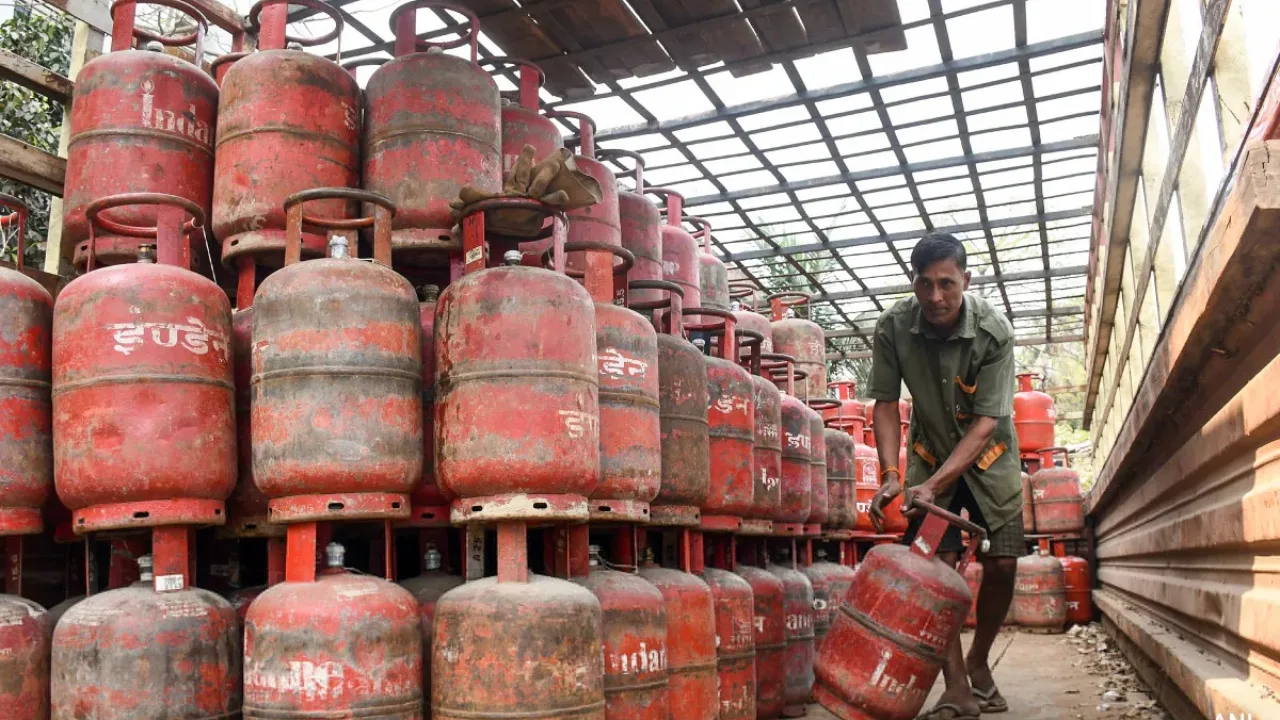
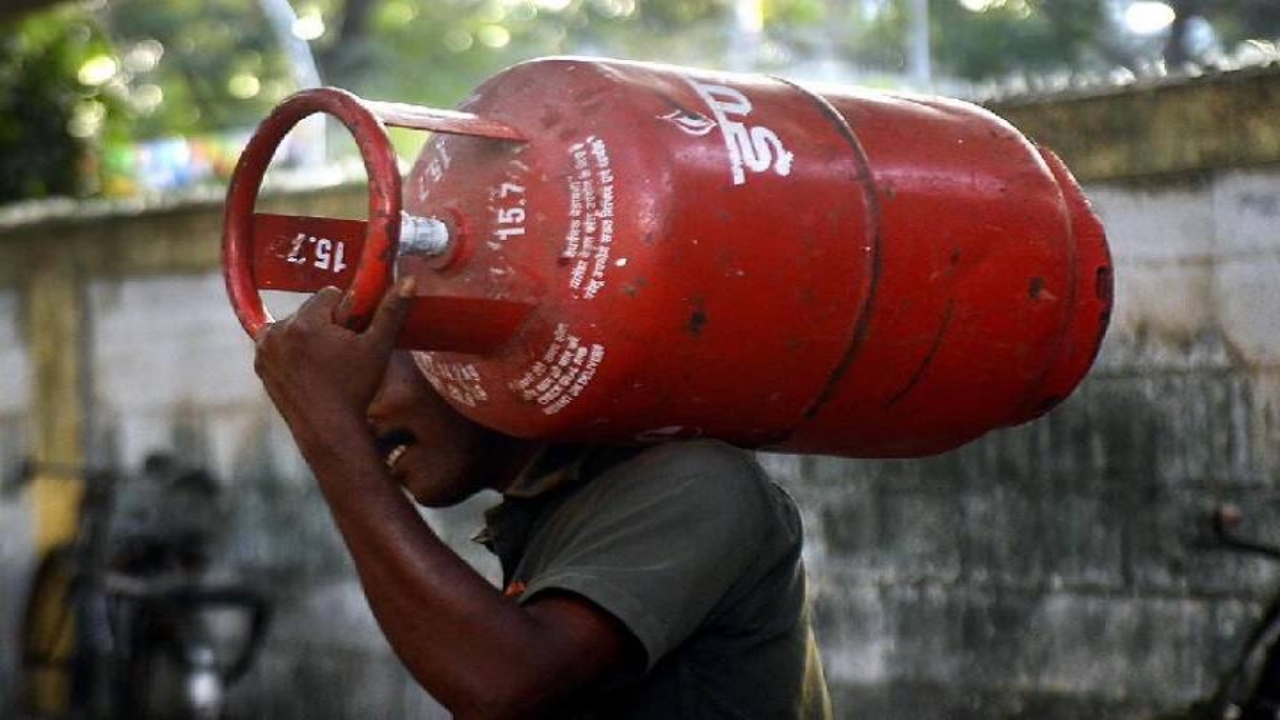
    LPG Booking Rules: Big news for every household. Due to the ongoing shortage of LPG cylinders, gas companies have implemented notable changes to their booking procedures. Consumers will now face longer wait times to secure their next cylinder. Under the new guidelines, customers are prohibited from booking a gas cylinder before the designated time. This measure aims to balance supply and ensure that gas is accessible to those who truly need it.

    The waiting period for 14.2 kg domestic cylinders has been extended. Previously set at 25 days, it has now been increased to 35 days. This means that after purchasing one cylinder, you will need to wait a minimum of 35 days before making your next booking. This rule, under Indian Oil Corporation, specifically affects those with a two-cylinder connection, which refers to a double-bottom connection.

    Different rules have been established for various consumer categories. Beneficiaries of the Ujjwala Yojana will now experience even longer wait times. Those enrolled in this program will have to wait 45 days for their subsequent booking. Consumers with single-cylinder connections can book a new cylinder only 25 days after their last delivery.

    For consumers residing in rural areas, the rules have become even stricter. They will also face a 45-day waiting period for their next booking. Additionally, providing an OTP at the time of delivery has become a requirement. If a consumer does not complete their e-KYC, their booking may be subject to cancellation.

    In light of the LPG shortage, companies have rolled out a new process. The government allocates 12 subsidized cylinders each financial year (from April 1 to March 31). Consumers who have used up their quota of 12 cylinders for the year will need to provide extra information before they can book their next cylinder. To do this, they must access the gas company’s app and respond to a few questions.

    These questions will include information about the number of family members, the number of guests attending the home, and any weddings or large events. Based on this information, companies will decide whether to provide an additional cylinder to the consumer. Overall, these new rules have been implemented to better manage gas supply and ensure the availability of cylinders as needed. Consumers will now be required to follow these rules before booking gas.

  • Train Boarding Rules Changed: Boarding stations can be changed 30 minutes, Big relief

    Train Boarding Rules Changed: Boarding stations can be changed 30 minutes, Big relief

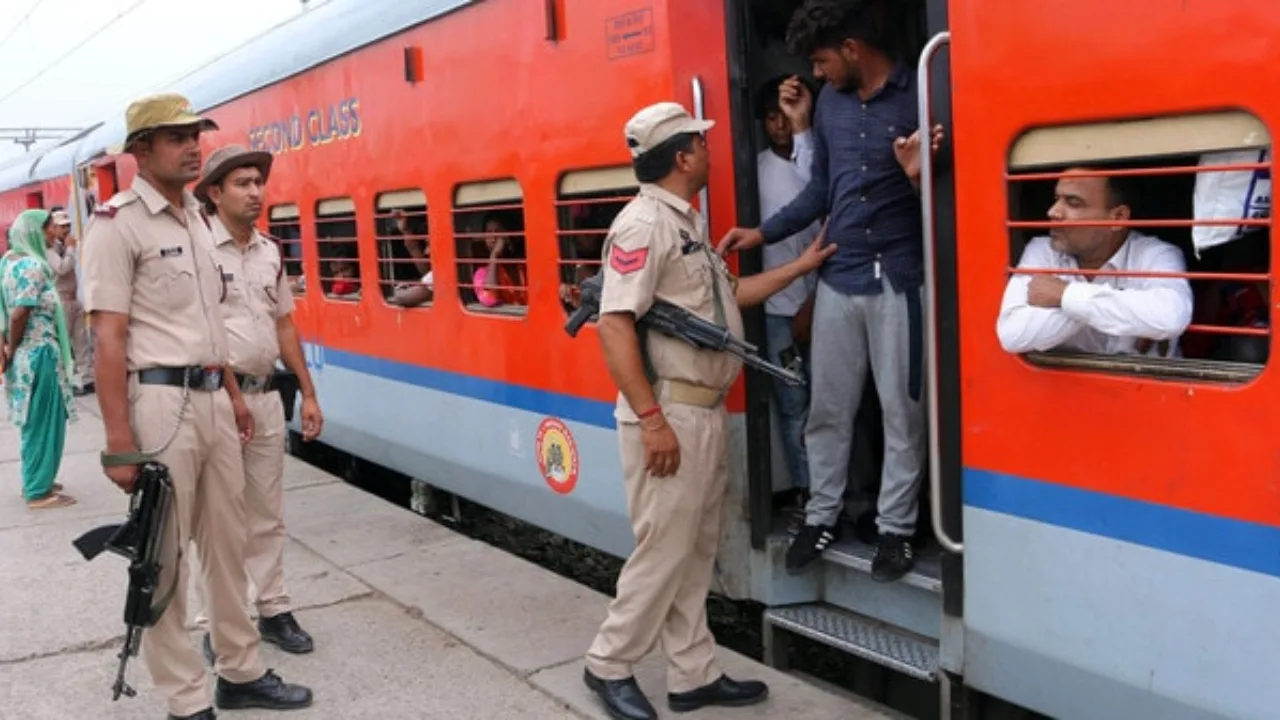
    Train Boarding Rules: Indian Railways has updated its rules regarding boarding changes, allowing passengers to make changes a day in advance. Now, travelers can modify their boarding up to 30 minutes before a train departs, instead of the previous eight-hour notice. This adjustment will greatly benefit five cities in the NCR, along with residents on the outskirts of major urban areas. For those living in these cities, this decision feels like a dream come true.

    Many individuals from the five NCR cities—Noida, Greater Noida, Gurugram, and Faridabad—commute to Delhi to board trains. Although many of these trains make brief stops in these cities, the duration is often limited. As a result, to ensure a smooth start to their journey, they travel 30 to 50 kilometers away. Navigating through various stations in Delhi from these cities often leads to traffic congestion.

    What is the issue?

    Travelers heading out to catch a train typically leave home with extra time to spare, but traffic jams can unexpectedly arise, rendering even this buffer insufficient. In such cases, passengers worry about missing their train, and unfortunately, many do. Since last-minute changes to boarding stations are not permitted, they tend to prefer arriving directly at the train’s departure station.

    What advantages does this rule change offer?

    The new rule will enable individuals to adjust their boarding station according to the time available. For instance, if someone is traveling from Greater Noida and needs to catch a train to Howrah but is delayed due to traffic in reaching Delhi, they can switch their boarding station to Ghaziabad. Although it may take longer to get to Ghaziabad, the benefit is that the train departing from Delhi will take only half an hour to reach there.

    During this time, the traveler can arrive at the station and board the train. Even if the train has a brief stop, they will still have the opportunity to get on. This change will not only assist those living outside of Delhi but also those residing on the outskirts of major cities, as similar situations frequently occur when trying to catch trains in those areas.

    Normally, the TTE waits for passengers until the next station before the train departs. There’s no such rule, but they wait because if a passenger has boarded a different coach at the time of departure, they will return to their seat within a short time. However, upon updating the boarding, the TTE will send a message informing them that they will be boarding at a different station than the previously scheduled one.

  • RGHS Scheme: 50 Lakh Beneficiaries and Pensioners Face Major Setback, Know Why

    RGHS Scheme: 50 Lakh Beneficiaries and Pensioners Face Major Setback, Know Why

    RGHS Scheme: The ambitious Rajasthan Government Health Scheme (RGHS) is facing challenges once more. Hospitals and pharmacy operators have declared a temporary halt to cashless drug distribution in outpatient departments starting March 25th.

    This situation is anticipated to directly affect around 5 million beneficiaries, including pensioners and patients with serious health conditions. The Rajasthan Alliance of Hospital Associations (RAHA) reports that payments amounting to crores of rupees owed to hospitals and pharmacies have been overdue for the last eight to nine months. As a result, medicine suppliers have begun to cease credit supplies, making it increasingly difficult to maintain the cashless service.

    Coordination Issues Between Government and Administration

    Sources indicate that there has been a significant lack of coordination between the medical and finance departments concerning payments. Hospital operators claim that officials are not providing clear responses, and the scheme is not receiving the attention it requires. RAHA has called for the immediate release of outstanding payments and the establishment of a timely system to ensure efficient service delivery.

    Warnings from Hospitals

    The Rajasthan Alliance of Hospital Associations (RAHA), which comprises hospitals and pharmacy organizations linked to the RGHS scheme, has claimed that their payments have been delayed for eight to nine months. As a result, they have cautioned that cashless drug services at OPD pharmacies under the scheme in Jaipur may be temporarily suspended starting March 25th.

    Who Will Be Affected?

    This decision will primarily impact patients who depend on regular medication. Pensioners, in particular, who benefit from free or cashless medication under this scheme, are expected to experience the most difficulties. With the suspension of medication services, they may have to incur out-of-pocket expenses.

    Was the step taken out of compulsion?

    Raha clarified that this move was not a protest, but rather a forced one. He said that despite repeated demands, payments had not been made. This was putting increasing financial pressure on hospitals and pharmacy units.

    This demand was made from the government

    The organization urged the state government to expedite pending payments and implement a timely payment system. They argued that ensuring timely payments would ensure smooth resumption of the scheme and ensure patient safety.

  • Form 16- No More Form 16? Major Income Tax Changes from April 1

    Form 16- No More Form 16? Major Income Tax Changes from April 1

    Tax Form 16: Another major update for taxpayers. Starting April 1, 2026, filing your income tax return (ITR) will undergo significant changes. The government is rolling out the new Income Tax Rules, 2026, which will transform not only the forms but the entire tax filing process. Key among these updates are the new ITR forms, with Form 130 taking the place of Form 16, along with enhanced automation. The government’s objective is to create a tax process that is transparent, precise, and user-friendly, although taxpayers may now need to provide more comprehensive information than in the past. Let’s delve into the specifics…

    What is the major change?

    The new income tax regulations will take effect on April 1, 2026, fundamentally altering how we submit our income tax returns. The government is not merely updating the forms; it is also digitizing and automating the entire system. The aim is to streamline tax reporting, minimize errors, and enhance transparency.

    New ITR forms will be more comprehensive

    The ITR forms will now be more detailed than ever. They will necessitate a clear distinction between income, deductions, and capital gains (both short-term and long-term). Individuals with investments in stocks, real estate, or foreign assets will be required to furnish additional information. Pre-filled forms will assist those with standard salaries.

    Form 130 will take the place of Form 16

    The most significant change is that Form 16 will be replaced by the new Form 130. This will also serve as a TDS certificate but will include more comprehensive details. It will provide a complete breakdown of your salary, tax calculations, deductions, and TDS/TCS information. This change will affect both salaried individuals and pensioners.

    How to obtain Form 130

    Form 130 will no longer be created manually. Instead, it must be downloaded from the TRACES portal. It will only be issued if the company submits its TDS return punctually. Consequently, if the company makes any errors, your ITR filing could be postponed.

    ITR filing will be more automated

    Under the new system, your ITR will be largely pre-filled. The system will automatically match your income, taxes, and deductions. Any discrepancies will be immediately detected. This will benefit those with accurate data, but providing incorrect information could result in an immediate notice.

    Who will be most affected?

    The process may be easier for salaried individuals, but investors, NRIs, and high-income groups will need to exercise more caution. Senior citizens will benefit from having pension and interest information in one place. Overall, providing accurate information when filing taxes will become even more important than ever.

  • 8th Pay Commission– Bonus Hike and Discussion over Bonus Soon? Know Here

    8th Pay Commission– Bonus Hike and Discussion over Bonus Soon? Know Here

    8th Pay Commission Update : Central employees are awaiting the recommendations of the Eighth Pay Commission. While the recommendations are due within 18 months, central employees are eager to know which issues the Pay Commission will decide on. The government’s notification outlines the issues the Pay Commission will discuss.

    What is in the notification?

    According to the notification, the Commission’s primary objective is to balance salaries, allowances, and service conditions among different categories of employees. In this regard, the Commission will also focus on reviewing current bonus schemes and making them more effective. The notification also clearly states that general principles, financial criteria, and productivity-related metrics will be established to incentivize employees based on their performance.

    It should be noted that central government employees currently receive productivity-linked bonuses and non-productivity bonuses, but their limits and eligibility have remained largely unchanged for years. Despite inflation and changing economic conditions, the standards for calculating bonuses have not improved as expected. Therefore, the 8th Pay Commission is expected to update this system to meet modern needs. Furthermore, the Pay Commission will review existing allowances and their eligibility criteria, raising the possibility that other benefits, along with bonuses, may be balanced and improved.

    Which employees will get the benefit?

    – Industrial and non-industrial employees of the Central Government

    – Officers of All India Services

    – Personnel of the Armed Forces

    – Employees of Union Territories

    – Employees of the Indian Audit and Accounts Department

    – Members of regulatory bodies established by Parliament (except RBI)

    – Officers and employees of the Supreme Court and High Courts (under Union Territories)

    – Judicial officers under Union Territories

    The Pay Commission is chaired by Justice Ranjana Desai. The three-member committee, headed by Ranjana Desai, has been tasked with submitting its report to the government. A notification issued by the Ministry of Finance provides a full description of the Commission’s composition and scope of work (TOR). The TOR clarifies that the Commission will not only be limited to salary and pension revisions for government employees, but will also review several other monetary benefits, such as allowances, bonuses, gratuities, and performance-based incentives. Like previous commissions, this committee will also recommend comprehensive pay reforms and significant changes in benefits.

  • LPG– 14.2 Kg LPG Cylinder Not Filled with 10 Kg Gas? Clarifies Petroleum Ministry

    LPG– 14.2 Kg LPG Cylinder Not Filled with 10 Kg Gas? Clarifies Petroleum Ministry

    LPG Crisis: The ongoing US-Iran conflict has triggered a worldwide oil and gas crisis. Many countries are experiencing significant supply disruptions. In the meantime, reports have surfaced indicating that state-owned oil companies (OMCs) are contemplating filling only 10 kilograms of gas in the 14.2 kilogram cylinders typically used in households. However, the government has clarified that there are no intentions to reduce the gas quantity in domestic cylinders. The domestic gas cylinders will still hold the same 14.2 kilograms of gas as they always have.

    The Petroleum Ministry has labeled these claims as entirely false and misleading. The ministry emphasized that there are no plans to substitute the 14.2 kg domestic LPG cylinder with a 10 kg version. Nevertheless, some oil companies have admitted that such a proposal has been submitted to the government for review, but the ultimate decision will be made by the government. A representative from a government OMC mentioned, “It is indeed being considered, but the decision rests with the government.”

    Government’s clear response to rumors

    In a special media interview, Sujata Sharma, Joint Secretary in the Ministry, made it clear that such reports are “completely speculative.” She urged the public to disregard these rumors. Sujata Sharma pointed out that the government’s primary focus is on ensuring stable gas supplies and combating illegal trade, rather than altering cylinder weights. She further assured that domestic LPG supplies are entirely normal and that there is no need for people to heed any rumors.

    The government also noted a decline in panic bookings, or advance bookings of LPG cylinders. This figure had previously soared to 8.8 million but has now fallen to around 5 million. Sharma acknowledged that while LPG supply remains a concern, no distributorship has run out of LPG gas. The ongoing conflict in West Asia is affecting oil and gas supplies, especially shipping through the Strait of Hormuz. India relies on imports for about 60% of its LPG needs, so even a minor disruption in supply could have a considerable impact.

    What is the gas consumption in India?

    India’s daily LPG consumption is approximately 93,500 tons. Of this, 86%, or approximately 80,400 tons, is used by domestic consumers. Overall consumption fell by 17% in the first fortnight of March. Sujata Sharma, Joint Secretary in the Petroleum Ministry, described the situation as “worrisome” and advised people to conserve gas. Although the government claims that domestic supplies are currently regular, there is panic among the public.

  • Silver Rates Today – Check 1 kg Silver Rate in These Cities After ₹5,000 Increase

    Silver Rates Today – Check 1 kg Silver Rate in These Cities After ₹5,000 Increase

    New Delhi: After several consecutive days of decline, silver prices in the Indian bullion market have once again gained momentum. The market price for 999-purity silver has risen by up to ₹5,000, a development that has undoubtedly caused some disappointment among customers. Nevertheless, if you are looking to purchase silver, this remains an excellent opportunity.

    The reason for this is that opportunities to buy silver at favorable rates do not come around often. Furthermore, not long ago, silver prices had crossed the ₹400,000 per kilogram mark. Viewed in this context, this presents a prime opportunity to acquire silver. Before making a purchase, you can check the price of 1 kilogram of silver across various major metropolitan cities; doing so will help eliminate any confusion.

    Check Silver Prices in These Major Cities

    In the national capital, New Delhi, the price of 999-purity silver rose by ₹5,000 on Wednesday morning, reaching a total of ₹240,000 per kilogram. Just one day prior—on Tuesday—the rate for 999-purity silver was recorded at ₹235,000 per kilogram.

    In Kolkata, too, 999-purity silver became dearer by ₹5,000, reaching a total price of ₹240,000 per kilogram. This stands in contrast to the previous day, when the price in the city stood at ₹235,000 per kilogram. Similarly, in Chennai, the price of 999-purity silver increased by ₹5,000, reaching a total of ₹240,000 per kilogram.

    In Ghaziabad, 999-purity silver also saw a price hike of ₹5,000, trending at a total of ₹240,000 per kilogram. On the previous day—Tuesday—the price of silver in the city was recorded at ₹235,000 per kilogram. In Noida, the price of 999-purity silver rose by ₹5,000, reaching a recorded total of ₹240,000 per kilogram.

    On the preceding day, the price of 999-purity silver stood at a total of ₹235,000 per kilogram. In Meerut as well, silver prices rose by up to ₹5,000, reaching ₹240,000 per kilogram. In contrast, the price of silver here stood at ₹235,000 per kilogram just the previous day.

    In Bareilly, the rate for 999-purity silver increased by ₹5,000, settling at ₹240,000 per kilogram. Just a day earlier, it was seen trading at ₹235,000 per kilogram.

    Silver Trading Significantly Below Its Peak Levels

    It is worth noting that currently, silver prices in the Indian bullion market are trading significantly below their all-time highs. Just a few days ago, silver rates had soared to ₹410,000 per kilogram. Subsequently, however, a sudden downward trend in silver prices began. The price of silver has since dropped to ₹240,000 per kilogram. Based on these figures, silver rates have witnessed a decline of ₹170,000.

  • ITR Filing 2026: Confused between the old and new Income Tax Acts? Know if you’ll be benefitted or not 

    ITR Filing 2026: Confused between the old and new Income Tax Acts? Know if you’ll be benefitted or not 

    ITR Filing 2026: Big news for taxpayers. 2026 is set to be a pivotal year in the tax landscape of India. The government is phasing out the long-standing 1961 law and introducing the new Income Tax Act, 2025. However, the primary concern for taxpayers is which law will govern the ITRs submitted in July this year. Experts indicate that this transition will occur on a yearly basis, so there’s no need for concern; the old law will still apply for your current filing.

    The regulations will remain unchanged for the 2026 filing

    This year, you won’t notice any alterations in tax filing regulations. The old law (1961) will govern any income you earn from 2025-26, specifically from April 1, 2025, to March 31, 2026. This implies that you’ll continue to receive the same tax exemptions and benefits that you have always enjoyed.

    The new law (Act 2025) will take effect for income starting next year, on April 1, 2026. You will need to file your returns according to the new law in 2027. So, there’s no need to fret about filing this year; everything will proceed as normal.

    Updates on tax forms and terminology changes

    Although the old law is still in effect, the CBDT is already preparing for the future. Terms such as financial year and assessment year will now be simplified to the term tax year. Additionally, the government has announced new forms. For instance, the well-known Form 16 will now be referred to as Form 130, and Form 26AS will be replaced with Form 168. These modifications aim to modernize the tax system and make it more digital-friendly.

    What has changed for salaried individuals?

    With the new regulations, there are some updates for salaried individuals. The child education allowance has significantly increased to Rs. 3,000 per month, which is a substantial relief. Moreover, residents of Bengaluru, Pune, Hyderabad, and Ahmedabad will now be eligible for a 50% HRA exemption, as these cities are classified as metro areas. However, stricter rules will also be enforced. If you are residing in a relative’s home and paying rent, it will be necessary to disclose this information to avoid tax evasion.

  • Gold Rates Today – Increase in Gold Prices, Know 1 Tola Gold Rate in Major Cities”

    Gold Rates Today – Increase in Gold Prices, Know 1 Tola Gold Rate in Major Cities”

    New Delhi: Amidst rising tensions in the Middle East, the rates of gold and silver in India continue to experience significant volatility. On Wednesday—the third day of the trading week—the price of 22-carat gold in the Indian bullion market rose by ₹300. Meanwhile, the price of 24-carat gold surged by ₹310, dealing a blow to consumer expectations.

    However, gold prices have generally been on a downward trend over the past few days, offering some relief to consumers. If you are planning to buy gold, do not delay. We are providing city-wise gold rates to help clear up any confusion you may have.

    Check Gold Rates in These Major Cities

    In New Delhi, on Wednesday, the price of 22-carat gold rose by ₹300, reaching a total of ₹129,650 per 10 grams. As for 24-carat gold, following an increase of ₹310, the price stood at ₹136,130 per 10 grams. On the previous day, the price of 22-carat gold was ₹129,350, while the price of 24-carat gold was ₹135,820 per 10 grams.

    In Mumbai, the capital of Maharashtra, the price of 22-carat gold rose by ₹300 to reach ₹129,150 per 10 grams. Here, the price of 24-carat gold increased by ₹320, trading at a total of ₹135,610 per 10 grams. On Tuesday, the price of 22-carat gold in Mumbai was recorded at ₹128,850, and the rate for 24-carat gold stood at ₹135,290 per 10 grams.

    In Kolkata, the capital of West Bengal, the rate for 22-carat gold is being recorded at ₹130,150 per 10 grams—an increase of ₹300—while the rate for 24-carat gold has risen by ₹320 to reach a total of ₹136,660 per 10 grams. Just a day earlier, the price here was seen trending at ₹129,850 per tola for 22-carat gold and ₹136,660 per tola for 24-carat gold.

    In Hyderabad, the capital of Telangana, the price of 22-carat gold rose by ₹500 to reach ₹130,000 per 10 grams, while the price of 24-carat gold climbed to a total of ₹136,500 per 10 grams following an increase of ₹520.

    The previous day, the rate for 22-carat gold stood at ₹129,500 per tola, and the price for 24-carat gold was ₹135,980 per tola. In Lucknow, the capital of Uttar Pradesh, the price of 22-carat gold rose by ₹300 to reach ₹129,650 per tola, while the price of 24-carat gold settled at ₹136,130 per tola following an increase of ₹310.

    Prolonged Volatility in Gold Prices

    It is worth noting that the Indian bullion market has been experiencing a phase of price instability for both gold and silver since before Diwali. This has caused considerable disappointment among customers. However, if you are planning to buy gold, now presents an excellent opportunity. The reason is that such opportunities do not come around very often; currently, gold is trading at a significantly lower price—and is therefore much more affordable—compared to the rates seen during Diwali.

  • UPI Payments Get Easier, BHIM Launches This Helpful Feature

    UPI Payments Get Easier, BHIM Launches This Helpful Feature

    UPI Payment: There is a major news for UPI users. A new biometric feature has been introduced in the BHIM app, enabling users to make payments of up to Rs 5,000 simply by using their fingerprint or face lock, eliminating the need to enter a UPI PIN. Now, users can effortlessly conduct UPI payments of up to Rs 5,000 with their mobile’s fingerprint or face lock. This enhancement will not only speed up transactions but also make them more convenient and secure.

    With this new feature, there’s no longer a requirement to input a UPI PIN for every minor payment. Many people tend to forget their PIN or mistakenly enter it, leading to payment failures. This innovative feature will ensure that payments are quicker, simpler, and more dependable.

    This functionality is compatible with both Android and iOS devices that support fingerprint or face recognition. Users can utilize it to transfer money to friends or family, make payments by scanning QR codes, and conduct online transactions.

    From a security standpoint, this feature is robust. Fingerprint and facial data are unique to each person and are stored on the device, which minimizes the risk of fraud. However, for transactions exceeding Rs 5,000, entering the UPI PIN will still be necessary.

    How to get started?

    To activate this feature, users should open the BHIM app, navigate to their profile, select their bank account, and enable the biometric transaction option. After that, they can easily make payments using their fingerprint.

    How to enable biometric feature in BHIM app?

    First of all open BHIM App.

    Go to Profile.

    Select your bank account.

    Touch the Activate Biometric Transactions option.

    Now you can make payments up to Rs 5,000 using fingerprint or face scan.

    What is BHIM App?

    BHIM (Bharat Interface for Money) is a mobile app that allows you to send and receive money easily. It operates on UPI, meaning you can instantly transfer money directly from your bank account to another bank account. You don’t need to remember account numbers or IFSC codes. You can make payments using just your mobile number or UPI ID. This makes the app very easy and fast to use.

    Is BHIM a wallet?

    No, BHIM is not a wallet. Wallets require you to deposit money first, but BHIM doesn’t. The money flows directly from your bank account to the other person’s bank account. Therefore, it’s considered more secure and reliable.


  • 8th Pay Commission – Central Government Employees’ Minimum Basic Salary to be ₹54,000? Here’s the Calculation

    8th Pay Commission – Central Government Employees’ Minimum Basic Salary to be ₹54,000? Here’s the Calculation

    8th Pay Commission: The question regarding the implementation of the 8th Pay Commission’s recommendations is on the minds of all central government employees and pensioners. The committee constituted for the new commission is meticulously reviewing the matter in great detail. Consequently, central employees and pensioners are anticipating a substantial hike in their basic salaries, along with a hefty arrears payout, as soon as the 8th Pay Commission is implemented.

    If the recommendations of the 8th Pay Commission are deemed effective from January 1, 2026, employees could receive a significant amount in arrears. The constituted committee is expected to submit its report within 18 months, following which the government will proceed to implement it. Once the report is implemented, the salaries of lakhs of employees and the pensions of pensioners will undergo revision. According to a report by ET, employees could potentially benefit from 20 months’ worth of pending arrears.

    Salary to be Determined by the Fitment Factor

    Just like the previous pay commissions, the Fitment Factor will serve as the primary basis for salary increments under the 8th Pay Commission as well. This factor is utilised under the Pay Commission framework to determine the hike in basic pay. When the government implemented the 7th Pay Commission, the Fitment Factor was fixed at 2.57. This resulted in a substantial increase in the salaries of central government employees.

    For the upcoming 8th Pay Commission, employee unions have been consistently demanding a Fitment Factor ranging from 3.0 to 3.25 or higher. Essentially, a higher Fitment Factor translates to a greater increase in basic salary, pension, and overall income. It is projected that the minimum basic salary for employees could rise from the current ₹18,000 to as high as ₹54,000.

    Find Out When Pending Arrears Will Be Released

    The Central Government has historically implemented a new Pay Commission every ten years. The 7th Pay Commission was implemented on January 1, 2016. Based on this timeline, its tenure concluded on December 31, 2025. Everyone is now awaiting the implementation of the next set of recommendations.

    Employees will be paid the full arrears covering the entire period from January 2026 up until the actual date of implementation. If the 8th Pay Commission comes into effect on January 1, 2026, and arrears for a period of 20 months are disbursed, this could result in a substantial financial windfall.

    Central Government Seeks Employees’ Input

    Did you know that the government is also soliciting suggestions from employees to ensure transparency in this process? To this end, feedback has been requested via the MyGov portal. The deadline for submission has been extended until April 30, 2026. However, no official notification regarding this has been issued as yet.