

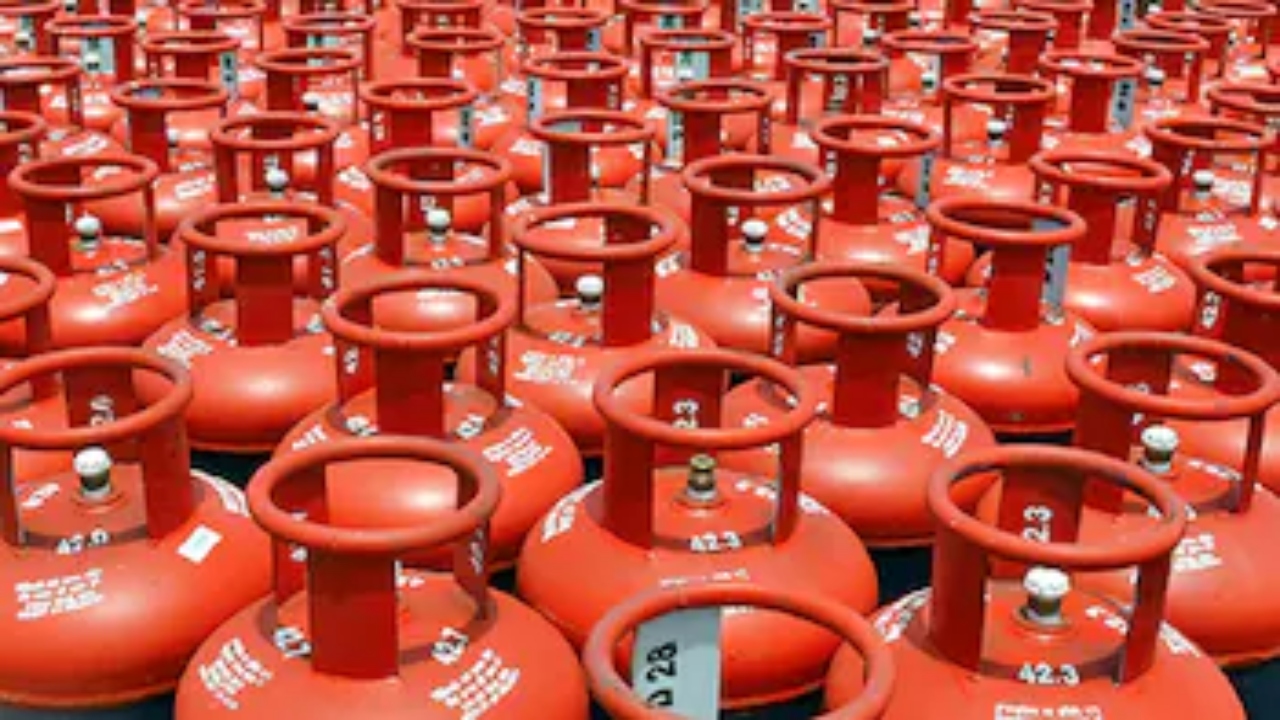
LPG Crisis: The crisis of LPG gas cylinders is increasing due to the war between Iran and America-Israel. Despite all the claims of the government, there are reports of LPG cylinder shortages from different parts of the country. Meanwhile, the government has now requested about 60 lakh families living near the piped cooking gas (PNG) network to adopt this facility.
Sujata Sharma, Joint Secretary in the Ministry of Petroleum and Natural Gas, said that families living near PNG infrastructure can benefit from adopting piped cooking gas. This will provide them with a steady supply. Let us tell you that there are 33.37 crore LPG users in the country and 1.5 crore people get piped fuel (PNG) in their kitchens.
More from Sweta Mitra
Warning to depositors
The government has warned hoarders and black marketers that strict action will be taken against them if they try to take advantage of the crisis caused by the war in West Asia. Citing state governments’ actions against hoarders, Sharma said top officials from the petroleum and civil supplies ministries have held meetings with state civil supplies departments, asking them to crack down on hoarders and black marketers.
Domestic LPG production has seen an increase
Sujata Sharma, the Joint Secretary in the Ministry of Petroleum and Natural Gas, announced that domestic LPG production has risen by 30 percent since March 5th. She reassured that there is no need for panic buying, and no LPG dealer has depleted their stock. Sharma noted that LPG bookings have surged to 7.57 million cylinders, compared to an average of 5.57 million prior to the Iran conflict, which clearly reflects panic buying behavior.
She mentioned that the average daily refill bookings in the country stand at 5.57 million cylinders, but there has been a notable spike in the last two weeks. In this context, 7.57 million bookings were recorded on March 12th, which is indicative of panic buying. She also pointed out that we were supplying 5 million cylinders daily and are currently maintaining that supply level.
The government is focusing on essential sectors such as domestic kitchens, hospitals, and educational institutions, ensuring they receive a steady LPG supply. Conversely, supplies to commercial entities like hotels and restaurants have been reduced. The Center has designated a fifth of commercial gas supplies to state governments and union territories, empowering them to prioritize these supplies, she stated. The conflict in West Asia has impacted the supply of crude oil and petroleum products, as the Strait of Hormuz, a crucial energy transit route between Iran and Oman, has been closed.