

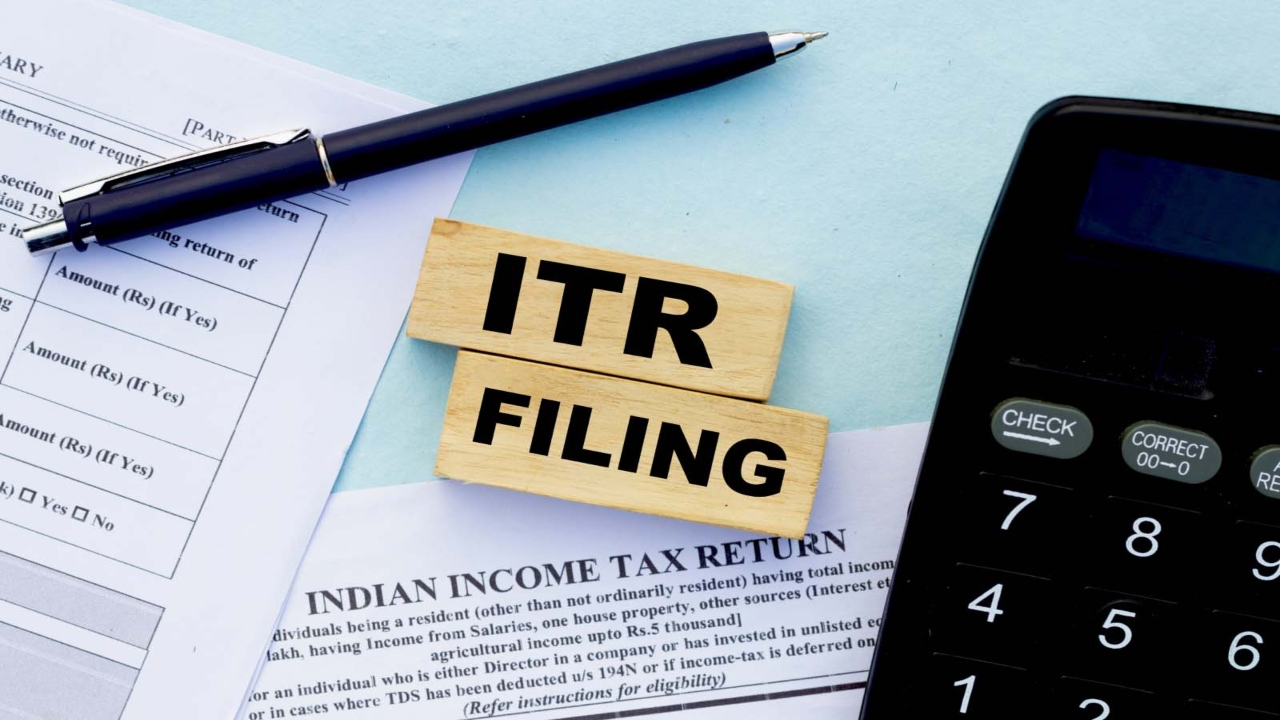
ITR Form: The Income Tax Department has announced new Income Tax Return (ITR) forms for the assessment year 2026-27. Most taxpayers typically use the ITR-1 (Sahaj) form to file their returns. This year, however, there are some modifications to this form. Therefore, if you are using this form, it is important to carefully review these changes. If you continue to file your return using the previous method, it may be deemed defective. Today, we will discuss three significant changes to the Sahaj form.
Under the current regulations, if your income, aside from salary, was derived from stock market or mutual fund profits (capital gains),you were obligated to file Form ITR-2. However, starting this year, the government has introduced a major change. Long-term capital gains (LTCG) from listed equity and equity-oriented mutual funds can now be reported in ITR-1, as long as the gains do not exceed Rs 1.25 lakh.
Where could errors occur?
As reported by Live Mint, Suraj Singh, the founder of SD Singh & Associates, a chartered accountant firm, mentions that this change is beneficial for the middle class, but it also poses a risk. If your LTCG surpasses Rs 1.25 lakh by even a single rupee and you file ITR-1, your return will be considered invalid. Taxpayers will now need to keep precise records of their portfolios.
Previously, ITR-1 was exclusively for individuals who owned a single house (either self-occupied or rented out). Those with multiple properties had to file ITR-2 directly. The government has now expanded the eligibility for ITR-1 to include taxpayers with income from two house properties. A new concept of tax year has been introduced. If you are reporting two properties, their tax deductions, municipal taxes, and rental income must align perfectly with your AIS. If any discrepancies are detected between the information provided in the AIS and your form, the AI-based system will promptly issue a notice.
The updated calculations for LTCG
The significant adjustments to tax rates introduced in Budget 2024-25 are now clearly visible in the forms for the assessment year 2026-27. In the past, LTCG rates fluctuated between 10% and 12.5%. However, the recent Budget has unified LTCG rates for all assets: 12.5% without indexation and 20% with indexation. These revised rates will apply when you file ITR-1 for the financial year 2025-26.
When you submit your return, it’s essential to include details about your investments and sales, along with the relevant dates, in Schedule CG. Since the tax rates were modified mid-year, not providing the precise date of the transaction could lead to significant costs. Choosing the wrong slab based on the transaction dates may result in inaccurate tax calculations, which the department could interpret as underreporting, potentially leading to penalties.
You will now notice “consolidated TDS codes” in your AIS. This indicates that every cent of bank interest, dividends, and salary is already being monitored by the department. Additionally, the regulations for HRA claimants have tightened. Simply having rent receipts is no longer adequate; you must also provide your landlord’s PAN.
Who is ineligible to file ITR-1?
Not all salaried individuals are eligible to file ITR-1. You are required to use the more detailed form (ITR-2) in the following circumstances: