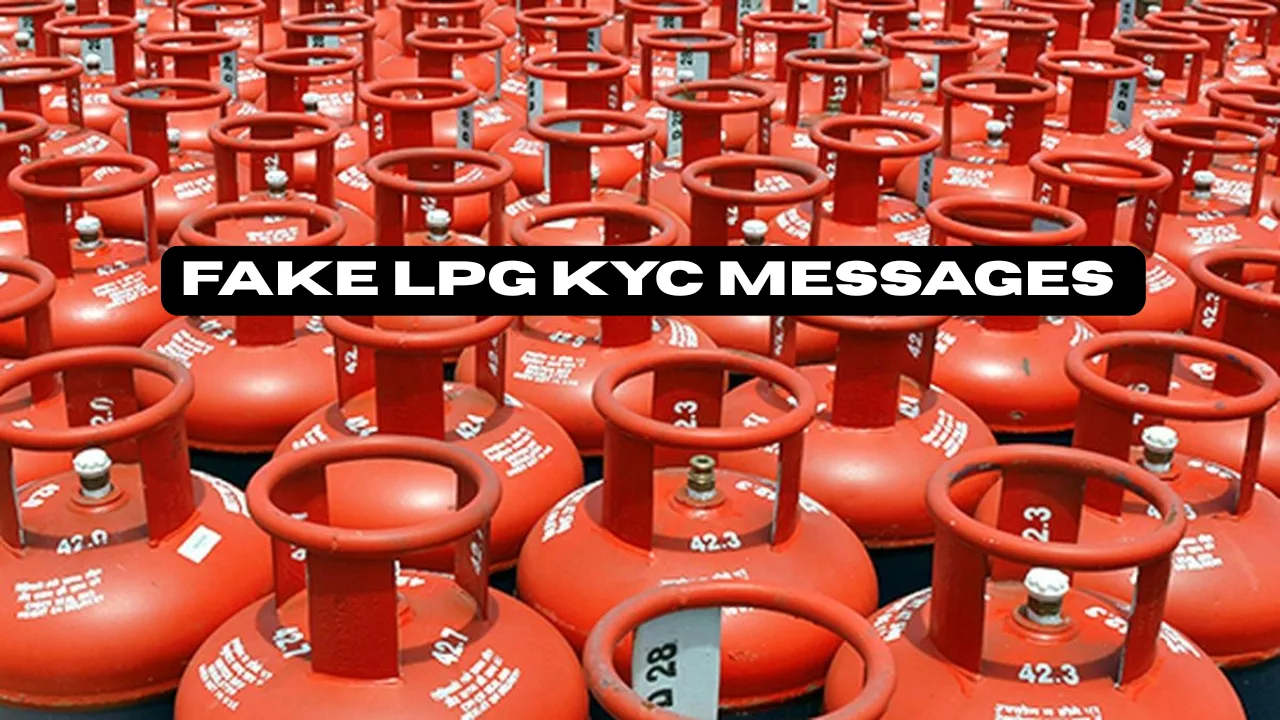
Fake LPG KYC Messages : Online fraud cases are going up in India , and now LPG gas users are also becoming a bit of a target for these new type scams. Recently, reports are coming in that many people are getting fake Aadhaar KYC update SMS and phone calls, where the fraudsters say that the LPG connection could get blocked if verification isn’t done, like, right away.
Because of these fake calls and texts, a lot of users end up sharing very important details, like bank info, Aadhaar numbers , OTP codes, and other personal data , later this can cause financial fraud or even bank account theft.
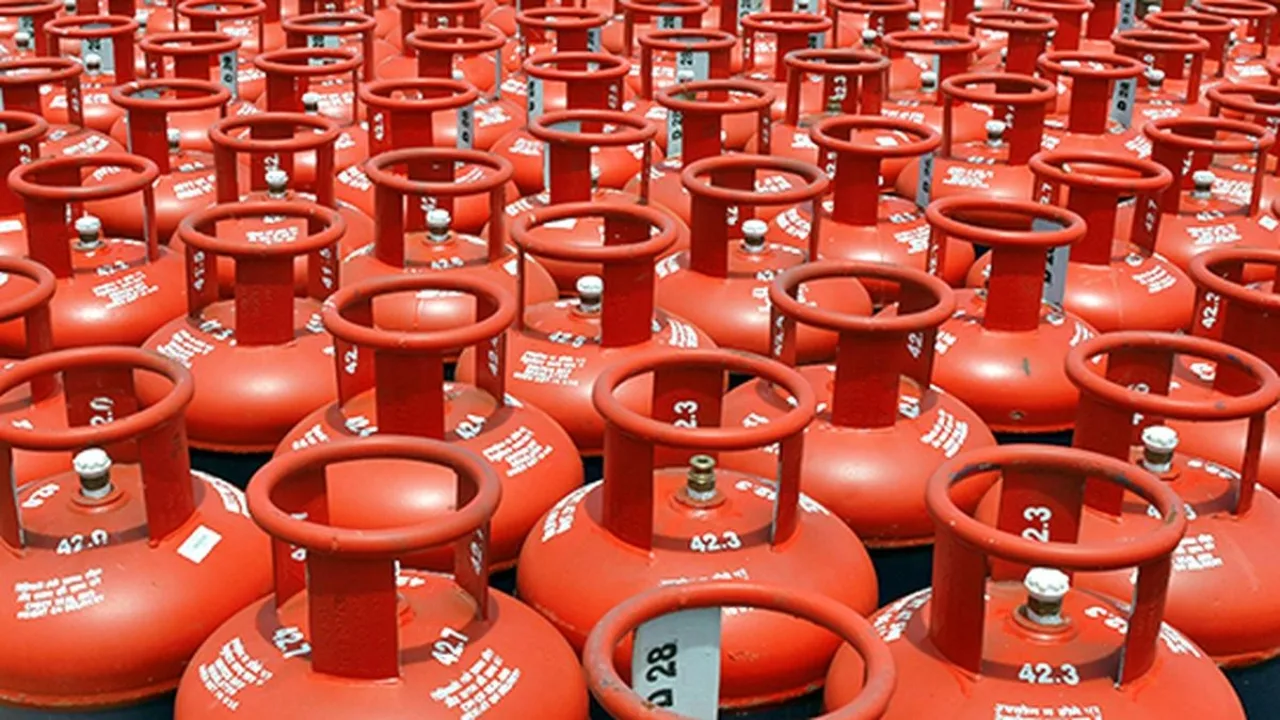
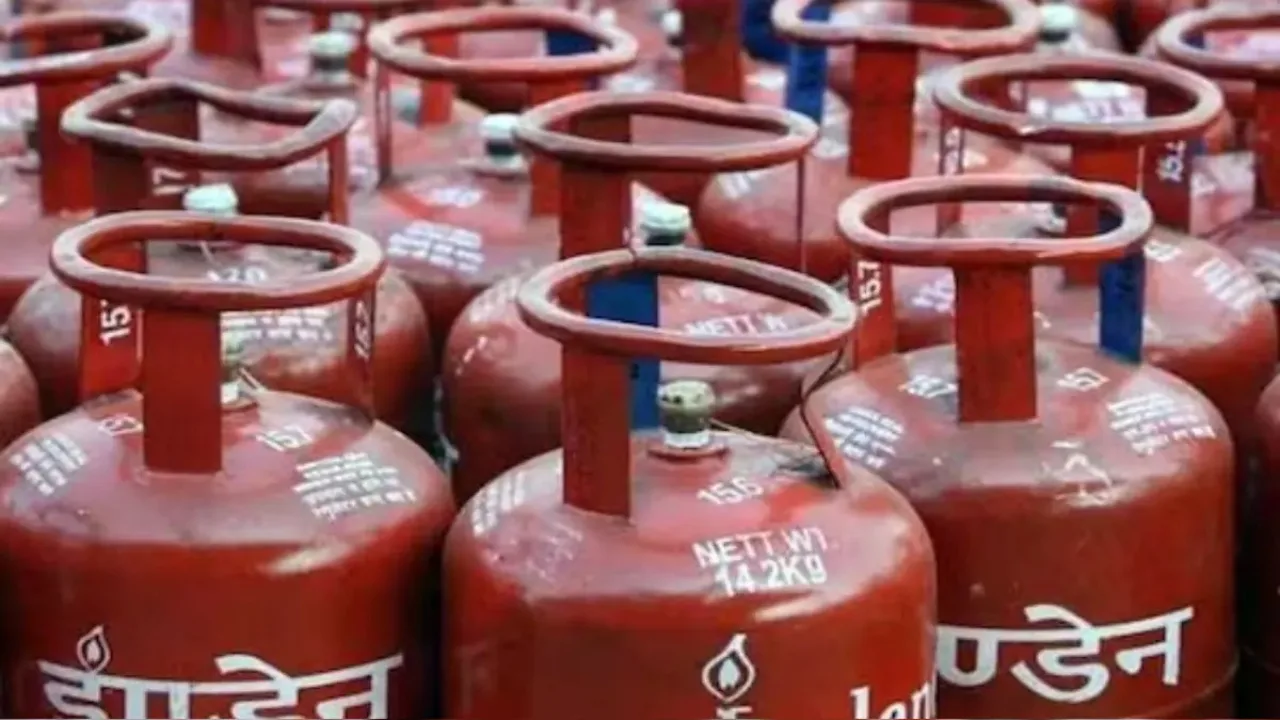
The main victims are LPG users tied with companies like Indane, Bharat Gas and HP Gas.
How the fake LPG KYC scam kind of works
These days scammers are using really polished-looking SMS messages, WhatsApp messages, and fake “customer care” calls to create panic in users.
Most of the fake SMS usually say things like the LPG subsidy, a gas booking service, or the connection will stop unless Aadhaar KYC is updated, immediately, no delay.
Some of them also drop fake APK files or weird website links, basically telling you to finish verification online.
Once someone taps those links or installs unknown apps, scammers can try to get access to banking credentials, OTPs, or even the device itself.
And in many situations, scammers act like LPG company representatives, then ask for Aadhaar details, debit card numbers, UPI PINs, or OTPs while claiming it’s “mandatory verification” over call.
Cyber experts say clearly that official LPG companies do not ask for sensitive banking stuff or OTP data in random calls or WhatsApp messages.
Important safety points users should know
Right now, many people do payments, UPI transfers, and LPG bookings from a smartphone , so the chances of digital fraud also climb faster.
A strong first step is to check every message only via official LPG company websites or through the official mobile apps.
Also, genuine LPG companies typically communicate using official SMS sender IDs and verified customer care contact numbers.
If any caller ever asks for OTPs, debit card numbers, Aadhaar-linked bank details, or asks for remote access to your mobile, you should disconnect immediately no questions.
Experts also advise turning on banking alerts, using two-factor authentication, and keeping a solid screen lock, that helps a lot with account safety.
With more online fraud happening, users are also told not to install unfamiliar apps that arrive via WhatsApp or SMS link.
Why these fraud cases are increasing
The big trick scammers use is urgency mixed with fear.
When people hear “your gas connection or subsidy will stop” they start panicking, and that mental pressure often pushes them to share sensitive data before verifying anything.
Fraudsters are also benefiting from rising digital payments and online KYC processes, because many users still don’t fully understand the modern cyber fraud patterns.
According to cyber safety specialists, scammers often concentrate on elderly people and others who aren’t used to digital security systems.
So, learning about fake calls, phishing SMS, and suspicious KYC requests is becoming crucial, really crucial.
How users can stay safe
Do Aadhaar KYC updates only through your official LPG distributor office, official websites , or verified mobile apps.
Never share OTPs, UPI PINs, bank account numbers, ATM details, or Aadhaar-linked financial info during unknown calls.
Also, don’t click suspicious links or download APK files that come through SMS or WhatsApp.
If anything suspicious happens, contact your bank right away, pause online transactions temporarily, and report the issue using the official cybercrime portals.
Cyber experts basically believe awareness is still one of the best defenses against online financial fraud.
Latest News
- Weather Warning Delhi-NCR – Rain Alert & Dust Storm in Next 2-3 Hours, IMD Issues Yellow Alert

- PM Kisan Samman Nidhi Yojana: नहीं मिल रही 2000 रुपये की किस्त तो किसान तुरंत करवा लें यह काम

- Aadhaar Card Update Rules – How Many Times Can You Change Address, DOB & Number?
- Train Ticket: How to book a confirmed train ticket without an agent? Learn the Easy Steps

- Indian Railways– 155 Trains Express Declared High-Speed, Thousands of Railway Staff to Benefit

- Monsoon Alert – Warning Heavy to Very Heavy Rain alert & thunderstorms in 22 States Over Next 4 Days

- America-Iran War: मिडिल ईस्ट में तनाव होगा खत्म! ईरान ने होर्मुज रास्ते पर कही बड़ी बात

- PM Surya Ghar Yojana 2026: Get Up to Rs 78,000 Subsidy within 6 Easy Steps, Know Here

- Cheapest Available 5G Smartphones in India Under 10000

- UPSC Prelims Answer Key 2026 – How to Download UPSC Prelims Answer Key at upsc.gov.in