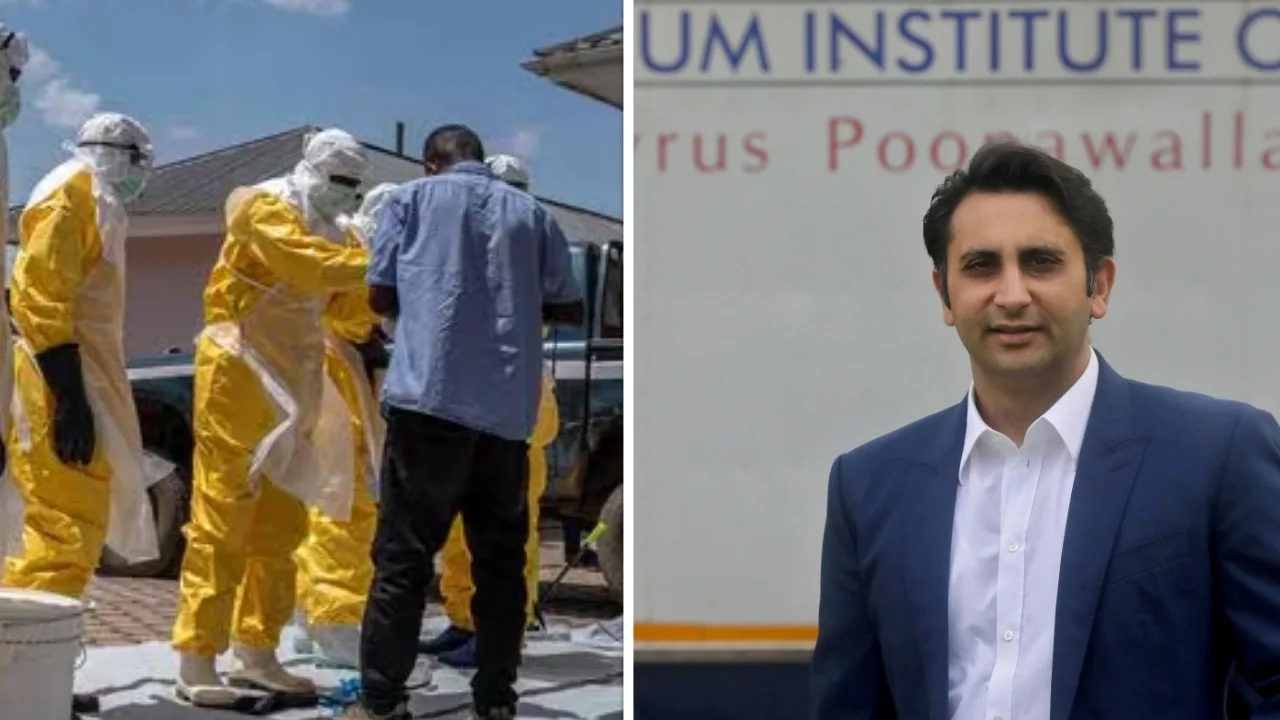
Ebola Virus Vaccine: Big news for everyone. The Serum Institute of India (SII), a prominent player in the global battle against the coronavirus pandemic, is now gearing up to tackle another lethal virus. As per official announcements, SII has entered into a significant partnership with Oxford University to create a vaccine for the perilous Ebola Virus.
Medical professionals are optimistic that this collaboration could mark a significant advancement in preventing future outbreaks of Ebola. Researchers at Oxford University are set to develop a new vaccine aimed at fighting the Ebola virus and plan to launch it soon. The Pune-based biotech firm, Serum Institute of India, will be crucial in the manufacturing and mass production of this vaccine.
The initial dose could be available in the coming months
Professor Teresa Lambe, who leads Vaccine Immunology at the Oxford Vaccine Group and Pandemic Sciences Institute, mentioned that animal trials for this vaccine have already commenced, and progress is being made swiftly with global partner institutions. She stated, “The Serum Institute of India is an organization that can produce quickly and on a large scale. We anticipate having clinical-grade vaccine doses ready in the next few months.” Professor Lambe, who co-developed the Oxford-AstraZeneca (Covishield) vaccine for COVID-19, noted that scientists are working on an Ebola vaccine that would be effective with just a single dose.
What makes Ebola extremely hazardous?
Ebola is a highly infectious and rapidly spreading disease that primarily transmits from infected animals to humans. In medical terminology, it is referred to as a zoonotic disease. It is caused by a virus belonging to the Ortho Ebolavirus family, which includes several strains such as the Ebola virus, Sudan virus, and Bundibugyo virus.
The virus causes severe hemorrhagic fever, characterized by high fever and severe bleeding from internal and external organs. According to the World Health Organization (WHO), Ebola has a high mortality rate, with some past outbreaks reporting 50 to 90 percent.
According to experts, the currently discussed strain is believed to be related to the Bundibugyo virus, which is considered a rare form of Ebola. According to health experts, there is currently no approved vaccine or fully effective treatment available globally for this specific strain. Therefore, early identification of symptoms, immediate isolation of infected individuals, and strict infection control measures are considered the most effective methods of prevention.