

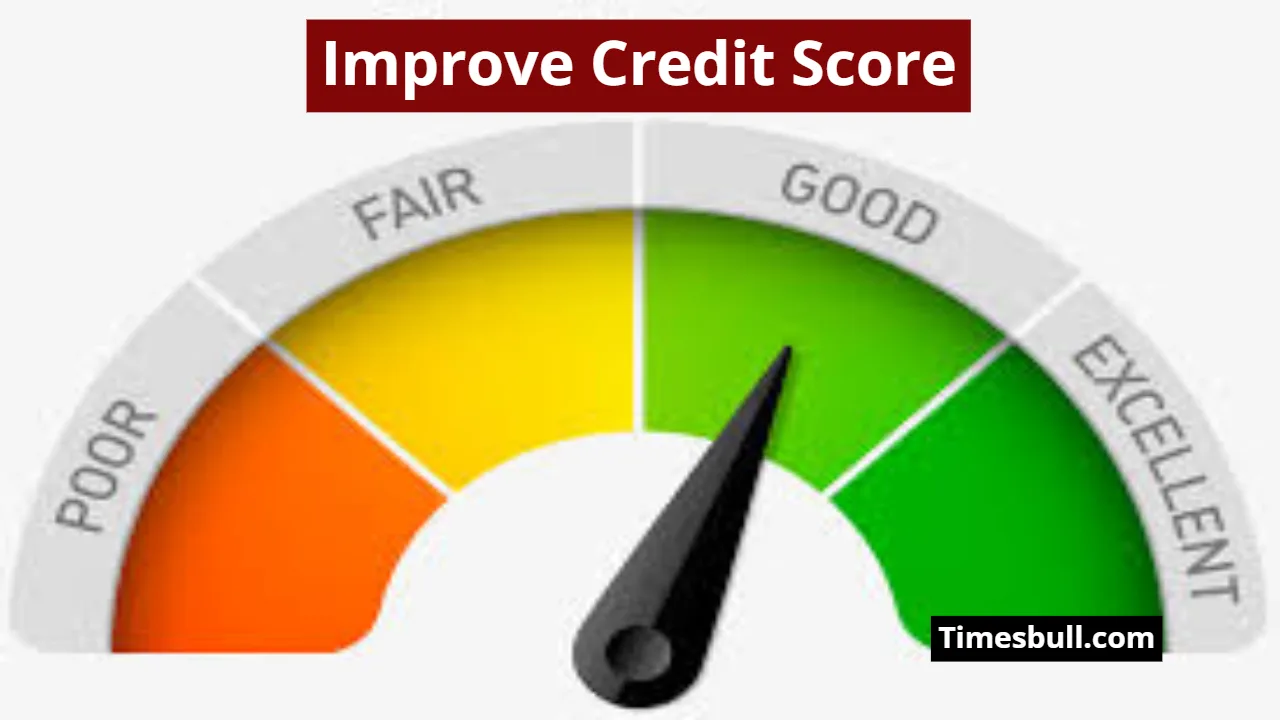
In today’s digital age, credit cards are no longer just a means of payment; they have become a vital part of your financial identity. Credit card usage has grown rapidly for online shopping, bill payments, travel bookings, and emergency expenses. However, it’s crucial to use them correctly, as even a small mistake can harm your credit score. New users, especially, should understand some basic rules to avoid future problems in obtaining loans or other financial services.
Timely Bill Payments are Essential
Your payment behavior plays a key role in determining your credit score. Paying your bills on time every month signals your financial discipline to banks and credit agencies. On the other hand, delayed payments can be reflected in your credit report for a long time. Therefore, it’s best to use auto-payments or reminders to avoid missing due dates.
Pay Attention to Minimum Dues
Many people think that paying the minimum due amount absolves them of their responsibility, but that’s not true. The minimum due amount is only enough to prevent your account from going into default. Unpaid balances attract significant interest. Continuously doing so can rapidly increase your debt. Therefore, try to pay your bill in full every month.
Use Your Credit Limit Balanced
Spending your entire credit card limit is not considered good financial behavior. Experts generally recommend using only a limited portion of your total limit. Lowering your usage improves your credit score and helps banks view you as a responsible customer.
Don’t Close Old Cards
The length of your credit history also plays a key role in determining your score. If you have an old card that’s been active without significant charges, closing it can be detrimental. A long, active credit history strengthens your score.
Regular Credit Report Checking is Necessary
People often don’t check their credit reports for years. Incorrect information can sometimes be found on the report. Such mistakes can affect your score. Therefore, be sure to check your report at least once a year and have any errors corrected immediately.