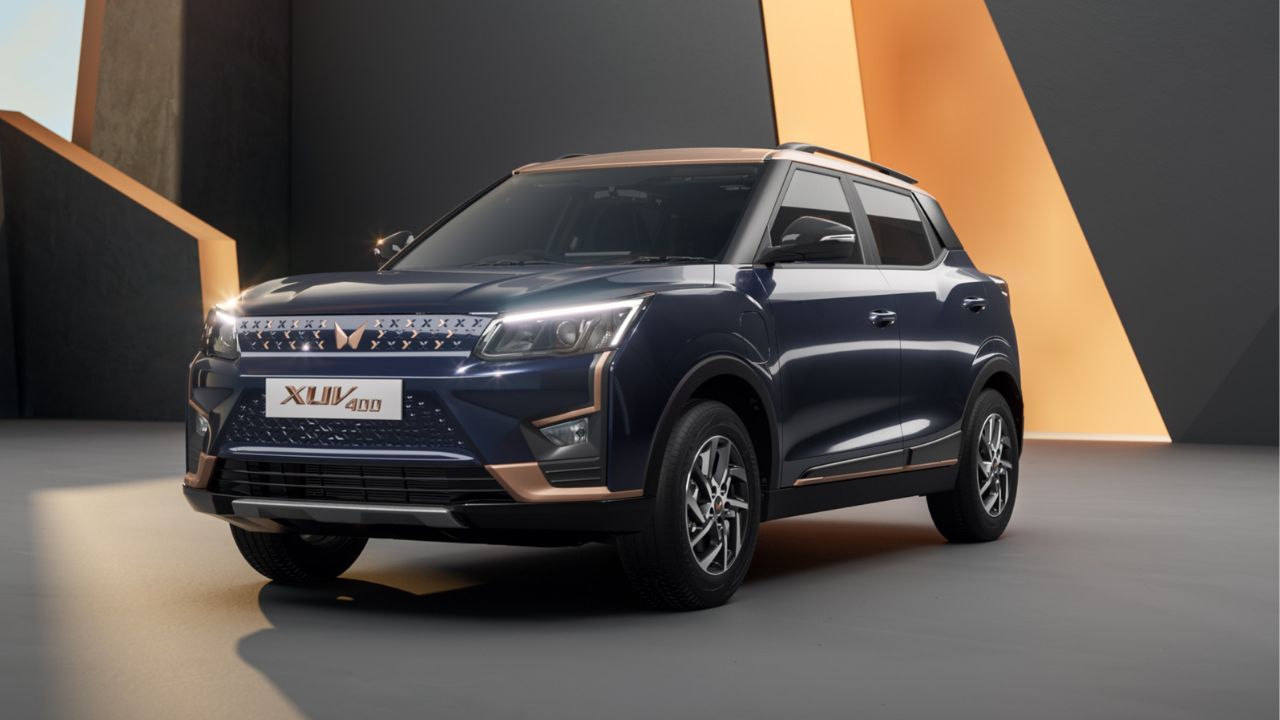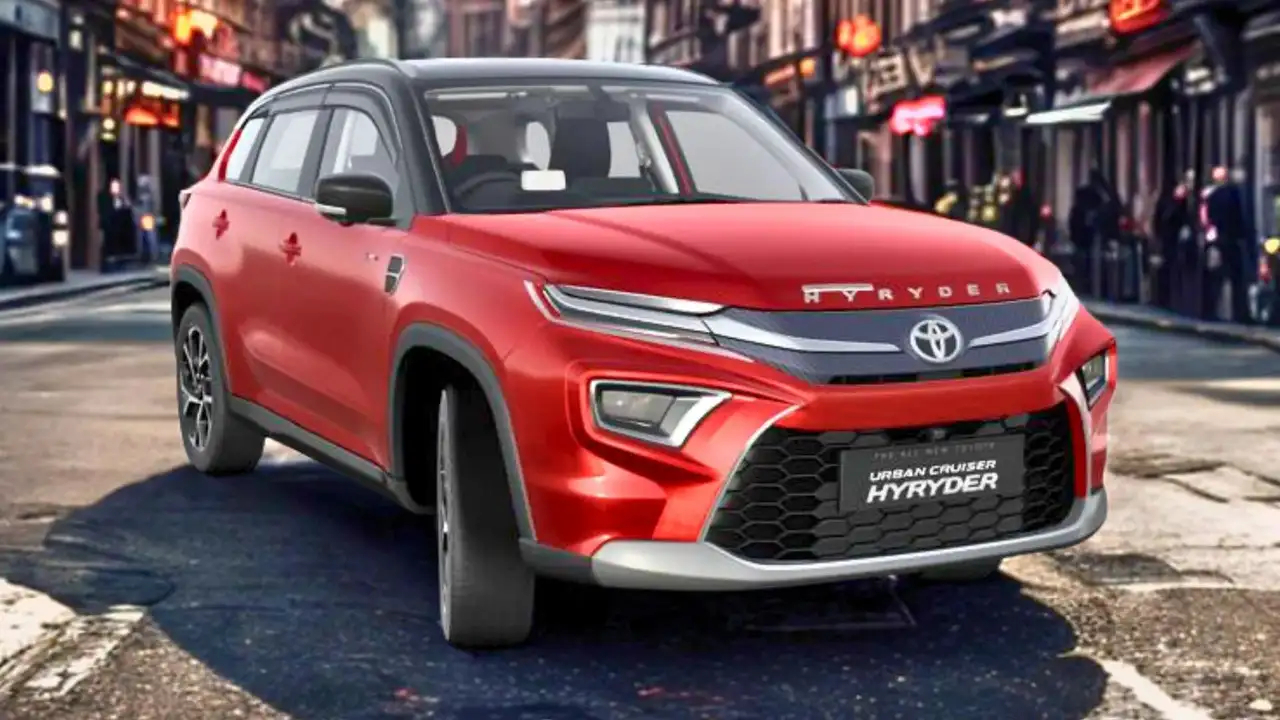



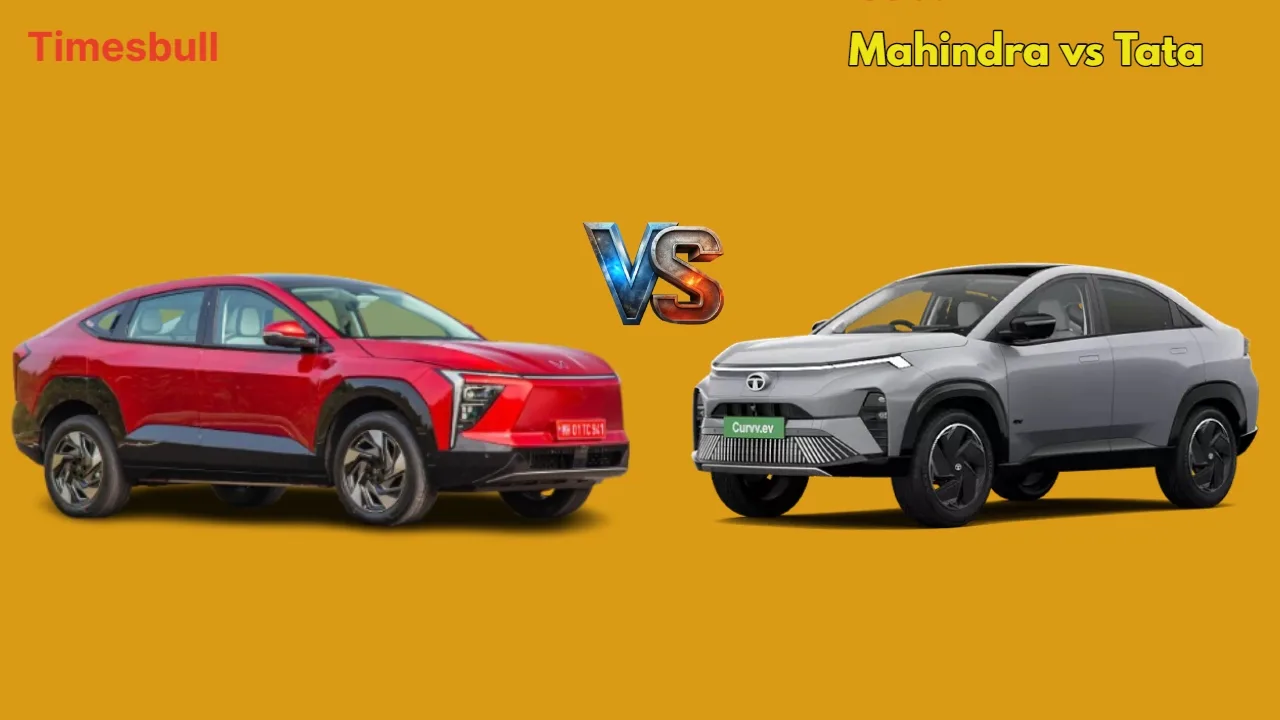
Tata vs Mahindra : Whenever the Indian auto market discusses rugged and safe SUVs, the first names that come to mind are Tata Motors and Mahindra, as these two domestic companies are proving their mettle not only in India but globally. In 2026, the battle between these two giants is no longer limited to ironclad strength; it has now become a battleground of advanced technology and electric power.
While Tata is renowned worldwide for its unparalleled build quality and 5-star safety rating, Mahindra rules the roads with its “rugged and tough” image and powerful diesel engines. If you’ve made up your mind to bring home a new Indian SUV this year, this analysis will help you make the right decision: whether Tata’s modernity or Mahindra’s raw power is better for you.
Engine and Power

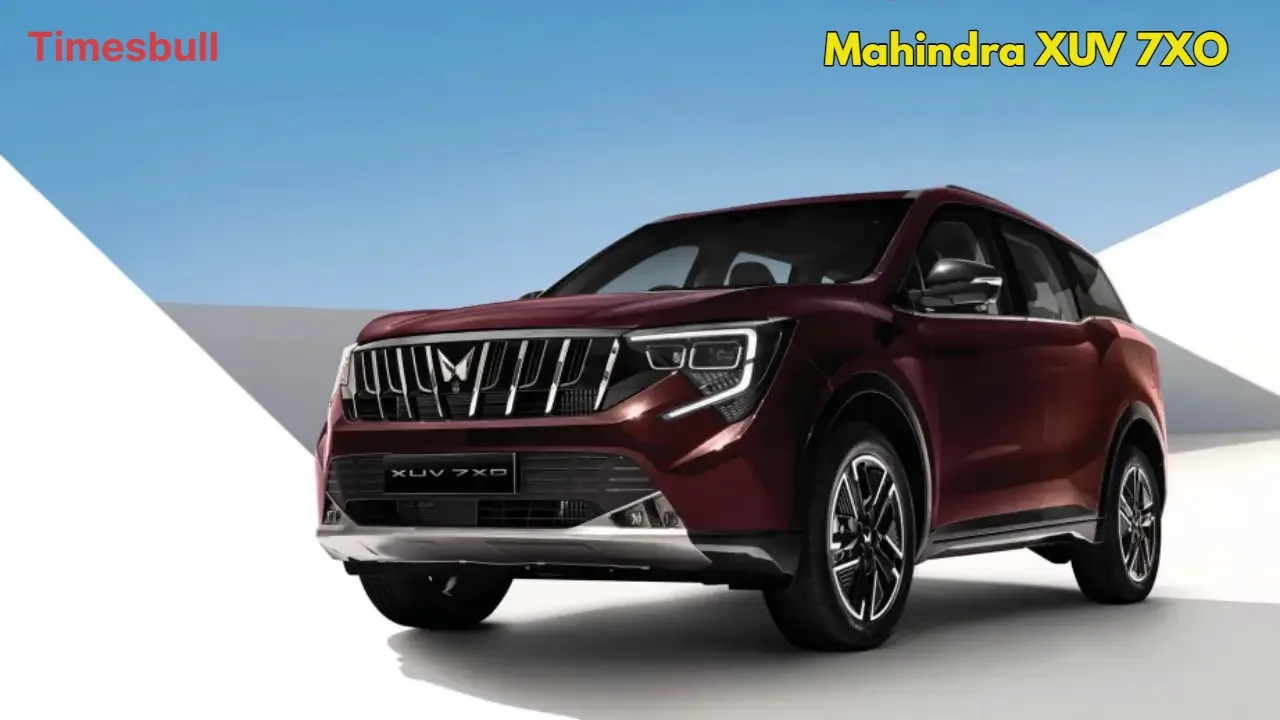
Mahindra has always been a step ahead in terms of performance, as its mStallion petrol and mHawk diesel engines in the Scorpio-N and XUV 7XO produce the most power in their segment. The XUV 7XO’s diesel engine produces around 182 bhp and a whopping 450 Nm of torque, propelling it like a rocket on hills and highways. If you need to haul heavy loads, Mahindra’s engine proves to be unmatched.
Tata Motors, on the other hand, focuses entirely on smooth and comfortable driving, with the Tata Safari and Harrier powered by a 2.0-liter Kryotec diesel engine that produces 168 bhp. While it may seem slightly less powerful than the Mahindra, the handling and ride quality of Tata vehicles feel much more comfortable and firm in city traffic and on long-distance journeys.
Design and Road Presence
Mahindra’s design philosophy is entirely “muscular,” where its vehicles exude a strong presence on the road, and vehicles like the Thar, with its high seating position and boxy design, give it a true SUV feel. In contrast, Tata’s vehicles are based on “Impact Design 2.0,” which gives them a modern and sleek look, with the Tata Curve and the new Safari, with their connected LED lighting, looking quite futuristic and imposing.
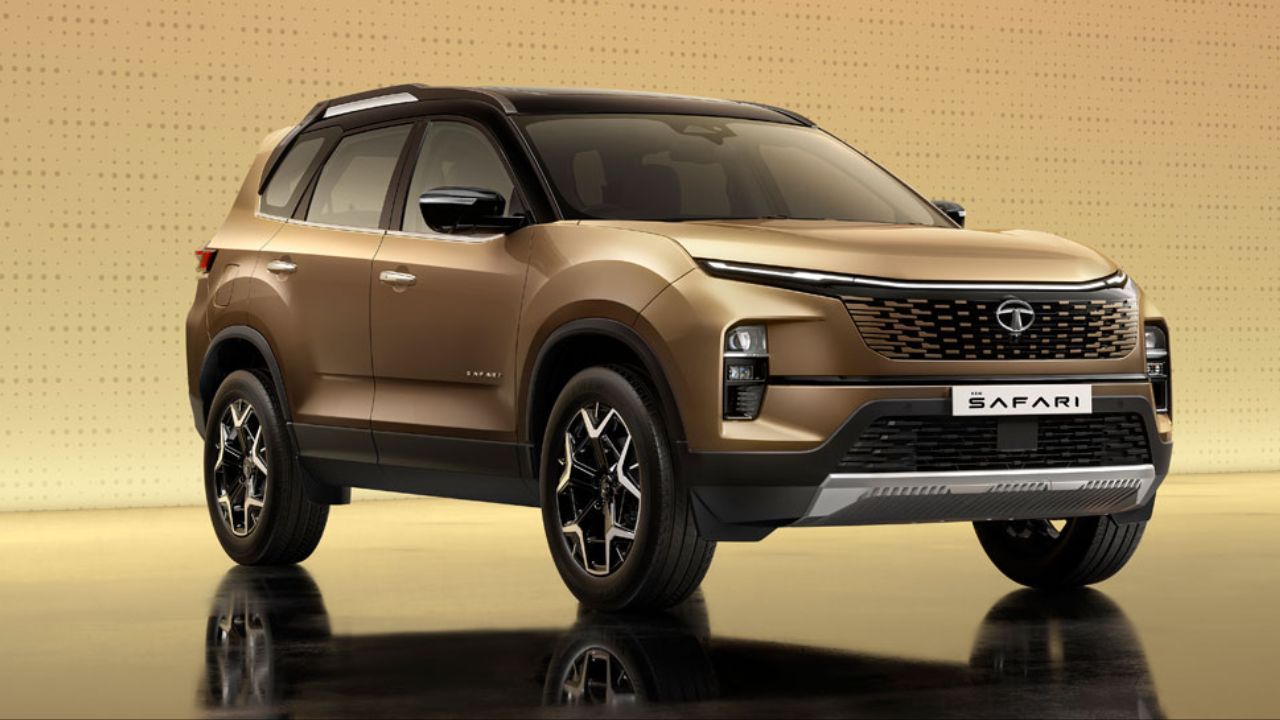
Tata Motors has initiated a safety revolution in India, with the Nexon and Safari achieving 5-star ratings in Global NCAP, and features like ADAS now becoming the standard in Tata vehicles. Mahindra has also shifted its strategy and given Tata a tough competition by securing a 5-star rating for the XUV700, giving customers a strong armor of impenetrable safety from both companies.
Electric Race (EV Battle)
The electric vehicle segment has reached a major turning point in 2026, with Tata Motors leading Mahindra by a significant margin, commanding over 70% of the market. Tata’s charging network and range, along with the Nexon EV and the new Curvv EV, are posing a strong challenge to Mahindra. While Mahindra’s ‘Born Electric’ lineup is impressive, vehicles based on Tata’s Activa.ev platform currently hold a strong sales lead.
If you’re looking for a premium sound system and a luxurious cabin, Tata’s Harman Kardon and JBL setup offers a powerful experience, while Mahindra’s large screen and panoramic sunroof appeal to millennials with a strong love for gadgets and technology.