

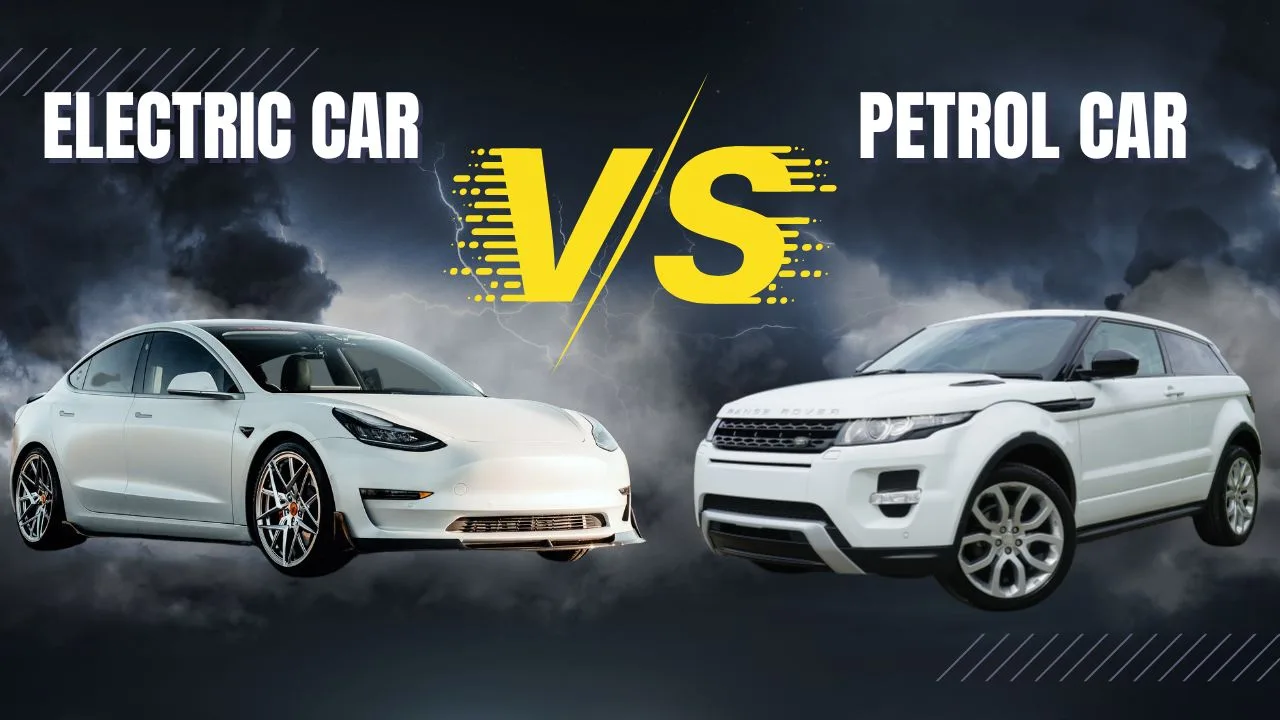
Electric Car vs Petrol Car in 2026 : In 2026 vehicle buyers need to consider two essential factors before making their purchasing decision. The three factors that people use to make their current choices include their daily spending and their fuel costs and their maintenance needs and their potential for future savings. Electric vehicles and petrol vehicles constitute the two primary vehicle categories that people currently need to select between.
People believe that electric vehicles cost too much for users to afford. People predict that gasoline-powered vehicles will experience rising operational costs which will start from their initial acquisition time. You can use plain English to see which between the two options shows better value because the cost comparison presents clear results which you can understand through plain English.
Buying cost
Indian car buyers find petrol vehicles to be cheaper than electric vehicles during the year 2026. The expensive prices that electric vehicles carry stem from their battery systems and advanced technologies which they use in their design. The electric version of a car costs between 20 and 30 percent more than its petrol counterpart. Petrol cars from the same segment cost 10 lakh rupees and their electric version costs 12 to 14 lakh rupees.
Electric vehicles require drivers to pay higher initial costs compared to all other vehicle types. The middle class customer base views petrol cars as more affordable entry level vehicles in comparison to electric vehicles.
Running cost
Electric cars operate at their highest efficiency during the current time period. People use their electric vehicle to drive at reduced costs because they pay lower expenses for electricity compared to gasoline. The electricity pricing structure in India causes households to spend between 1 and 1.5 rupees per kilometre for home charging of electric cars.
Petrol vehicle owners will face operational costs between 6 and 8 rupees for each kilometre they drive based on current fuel prices and their vehicle’s fuel efficiency rating. The petrol car will cost the person more money to operate because they will need to drive more than 1000 kilometres during the month. Electric vehicles maintain their status as the most cost-efficient option for all operational expenses when compared to other available transportation methods.
Maintenance cost
Electric vehicles contain fewer parts which need to be moved for operation. Electric vehicle operators do not need to complete any engine oil changes or clutch repairs or regular engine maintenance duties which petrol vehicle drivers must handle. The minimal operational costs for electric vehicles result from the low number of parts which require replacement during their operational period.
Car manufacturers extend battery warranty periods which enable customers to operate their vehicles without stress. Petrol vehicle maintenance requires drivers to replace various vehicle components according to the specific needs of their vehicle which requires servicing. Electric vehicles provide drivers with long term savings because their maintenance costs stay lower throughout the entire duration of driving.
Five year ownership
People can understand their five-year driving expenses better through this presentation. Electric vehicle pricing increases get balanced out by reduced fuel and maintenance costs which eventually reach the initial purchase price. After four to five years of use electric cars achieve price equality with petrol cars. Your daily driving distance determines your total transportation expenses. The electric car becomes the more economical option for those who drive long distances throughout the city every day.
Who should choose what
Electric vehicles function best when city drivers who travel to work use home charging stations for their battery charging needs. Middle class families who want to save money for their future need these products because they operate at lower costs throughout their entire lifespan. Drivers who need to travel long distances to remote areas without charging stations should pick petrol vehicles as their vehicle choice. All locations provide petrol stations that deliver quick refueling options for customers.
Electric cars in 2026 start at higher prices but customers pay less for electricity and maintenance expenses. Buyers of petrol cars need to spend less money for their car purchase but they will have to pay higher fuel costs throughout the entire duration of their vehicle ownership. Your spending limits together with your driving habits and your travel needs determine what option works best for you.