Category: Business

Stay ahead of the curve in India’s dynamic financial landscape with Timesbull. We deliver real-time updates and in-depth analysis on Indian business, finance, and the stock markets. Get the latest BSE/NSE news, ensuring you’re always informed about market movements.

Track the pulse of the Indian economy with our comprehensive coverage of Sensex and Nifty updates. Timesbull provides crucial personal finance insights to help you manage your money effectively and make informed investment decisions.

Beyond breaking news, we offer expert market analysis and insightful perspectives on economic trends shaping India and the global economy. Whether you’re a seasoned investor, business professional, or just starting to manage your finances, Timesbull is your trusted source.

Rely on Timesbull for accurate, timely, and insightful business and finance news, empowering you to navigate the complexities of the Indian market with confidence. Visit Timesbull today to unlock your financial potential.

  • Govt Transfers Up To Rs 8,000 To 40 Lakh People, Did You Also Get It?

    Govt Transfers Up To Rs 8,000 To 40 Lakh People, Did You Also Get It?

    The Dravida Munnetra Kazhagam (DMK) government in Tamil Nadu has unveiled a wide array of benefits for the marginalized communities in the state just before the assembly elections. Today, Chief Minister M.K. Stalin announced that a special assistance of Rs 2,000 has been credited to the bank accounts of elderly individuals, disabled persons, and destitute women across the state. This initiative has directly impacted around 37.79 lakh beneficiaries in Tamil Nadu.

    Who are the beneficiaries and what amounts did they receive?

    As per the information released by the Chief Minister’s Office, this special fund was added to the regular pension for March. The payment details are as follows:

    Senior Citizens and Widows: About 29.29 lakh senior citizens and widows who are part of various social security schemes received an extra Rs 2,000 on top of their regular pension of Rs 1,200. This means a total of Rs 3,200 was deposited into their accounts. Disabled Individuals: 5.92 lakh persons with disabilities in the state received Rs 3,500 (comprising Rs 1,500 pension plus Rs 2,000 from the special fund). Additionally, around 2.58 lakh individuals with disabilities needing special care received a total of Rs 4,000 credited to their accounts.

    Support for Fishermen and Tea Farmers

    The Chief Minister also made significant announcements for other working groups, not just pensioners. He revealed that 162,900 fishing families will receive assistance of Rs 8,000 per family during the fishing ban period (April to June). Furthermore, Rs 8.53 crore has been allocated in support prices for 14,870 small-scale tea farmers in the Nilgiris district.

    This initiative follows the government’s recent announcement of a special package of Rs 5,000 for women under the Kalaignar Women’s Rights Scheme (Kalaignar Magalir Urimai Thogai). Chief Minister Stalin shared on the social media platform X, “We have released this amount in response to requests from marginalized sections of society. We promise to leave no one behind in Tamil Nadu’s development journey.”

    This recent transfer comes after a significant yet understated move made two weeks prior, when the Chief Minister instructed that Rs 5,000 be deposited to 1.3 crore women beneficiaries as part of the state’s monthly Rs 1,000 assistance program. This sum included an advance payment covering three months along with a special summer allowance of Rs 2,000. At that time, Stalin claimed that the BJP was trying to hinder the scheme through legal means and stated that the government was taking proactive steps to prevent any interruptions before the elections.

    As Tamil Nadu approaches a highly competitive four-way electoral battle, the timing of these transfers has attracted considerable political scrutiny. Actor Vijay is poised to make his electoral debut with his party TVK, introducing a fresh element to the race. Vijay has a massive fan base, especially among young people and women voters—groups that the ruling party has actively sought to engage through various welfare initiatives.
  • 8th Pay Commission: Basic pay will increase by 66%! Know the equation

    8th Pay Commission: Basic pay will increase by 66%! Know the equation

    8th Pay Commission: Conversations are intensifying about the salary hike under the 8th Finance Commission. Recently, a meeting of the National Council, Joint Consultative Machinery, took place. This gathering called for an increase in the family unit for salary adjustments under the 8th Finance Commission from three to five. If this request is granted, it will directly affect the fitment factor. This could potentially raise employees’ salaries by as much as 66%. Let’s explore how.

    What is the formula for family unit in pay commission?

    As per a report, C. Srikumar, Secretary General of the All India Defence Employees Federation, mentions that the three-family unit formula was established during the 15th Indian Level Conference in 1956. Since that time, this formula has been utilized by the Pay Commission to determine basic pay.

    Why is there a demand to increase the family unit?

    Sources close to the issue suggest that parents now bear legal responsibilities for their children. Additionally, nuclear families are becoming increasingly common. As a result, there are demands to include parents in the family unit.

    Basic pay will increase by 66%

    According to a report, if the family units are raised from three to five, basic pay could rise by 66 percent. An increase of one family unit is projected to boost basic pay by 33.33 percent. A two-family unit increase could lead to a 66 percent rise in pay. If the full family unit rule is implemented, what would an employee’s basic pay be? For an employee with a basic pay of Rs 78,000, the current DA rate stands at 58%.

    The DA rate might increase by 8%, along with an annual increment of 12%. If the fitment factor stays at 1.76%, the minimum basic pay would be Rs 138,688. If the family units are increased from 3 to 5, the fitment factor will rise to 2.42. As a result, an employee earning a basic pay of Rs 78,800 will see their basic pay jump to Rs 190,676.

    More than 5 million central government employees and approximately 6.9 million pensioners across the country are currently keeping an eye on the government regarding the Eighth Pay Commission. Everyone is wondering when will they receive their increased salaries and pensions? The issue is also hotly contested because NC-JCM (staff side) meetings are ongoing.

    The first important meeting was held on February 25th, chaired by Shiv Gopal Mishra, General Secretary of the All India Railwaymen’s Federation and a leader on the staff side. The next meeting is scheduled for March 10th. Major issues such as the fitment factor ( 8th Pay Commission fitment factor ), family unit, DA merger, and allowances will be discussed in these meetings.

  • Sell 3 notes of ₹100 for Rs 9 lakh instantly! Here’s the process

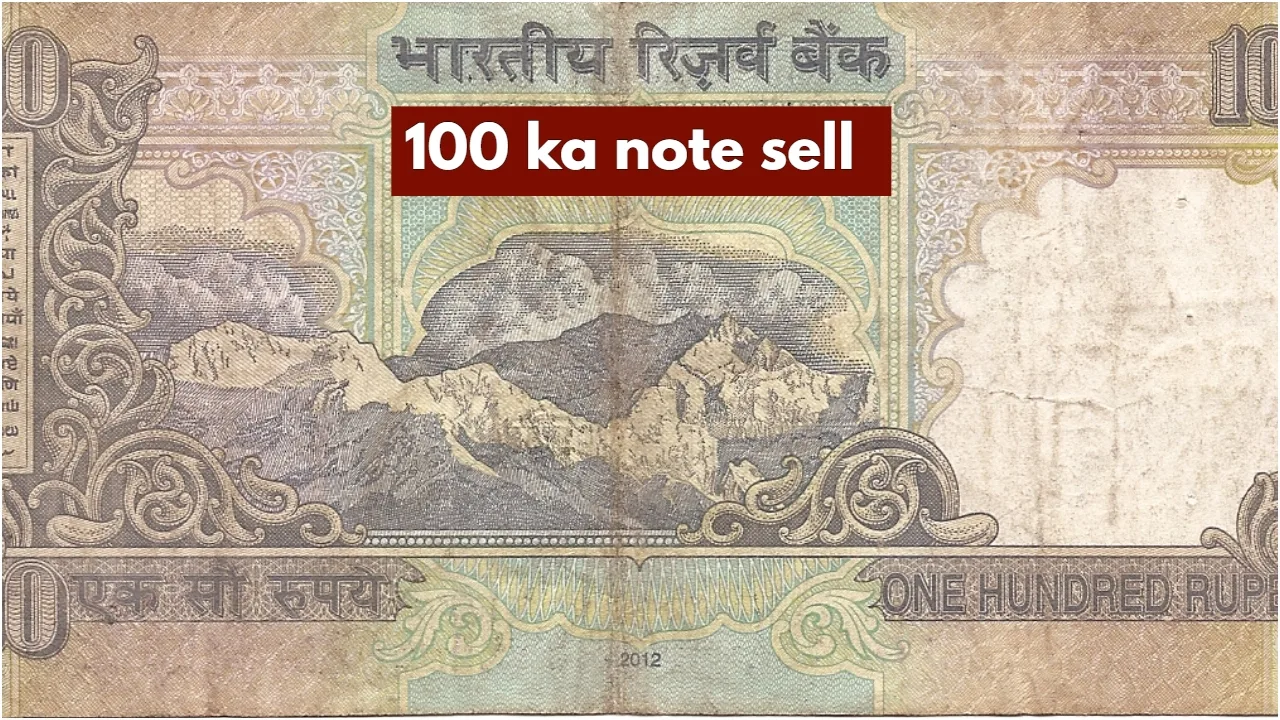
    Sell 3 notes of ₹100 for Rs 9 lakh instantly! Here’s the process

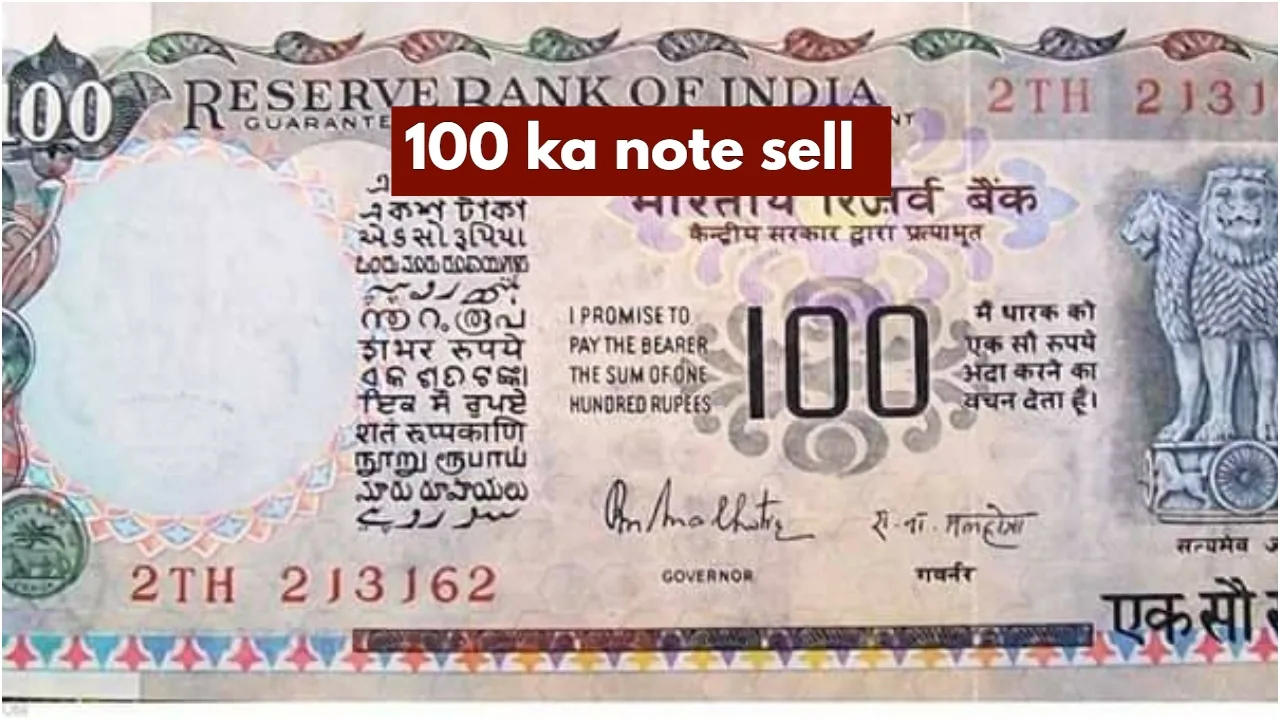
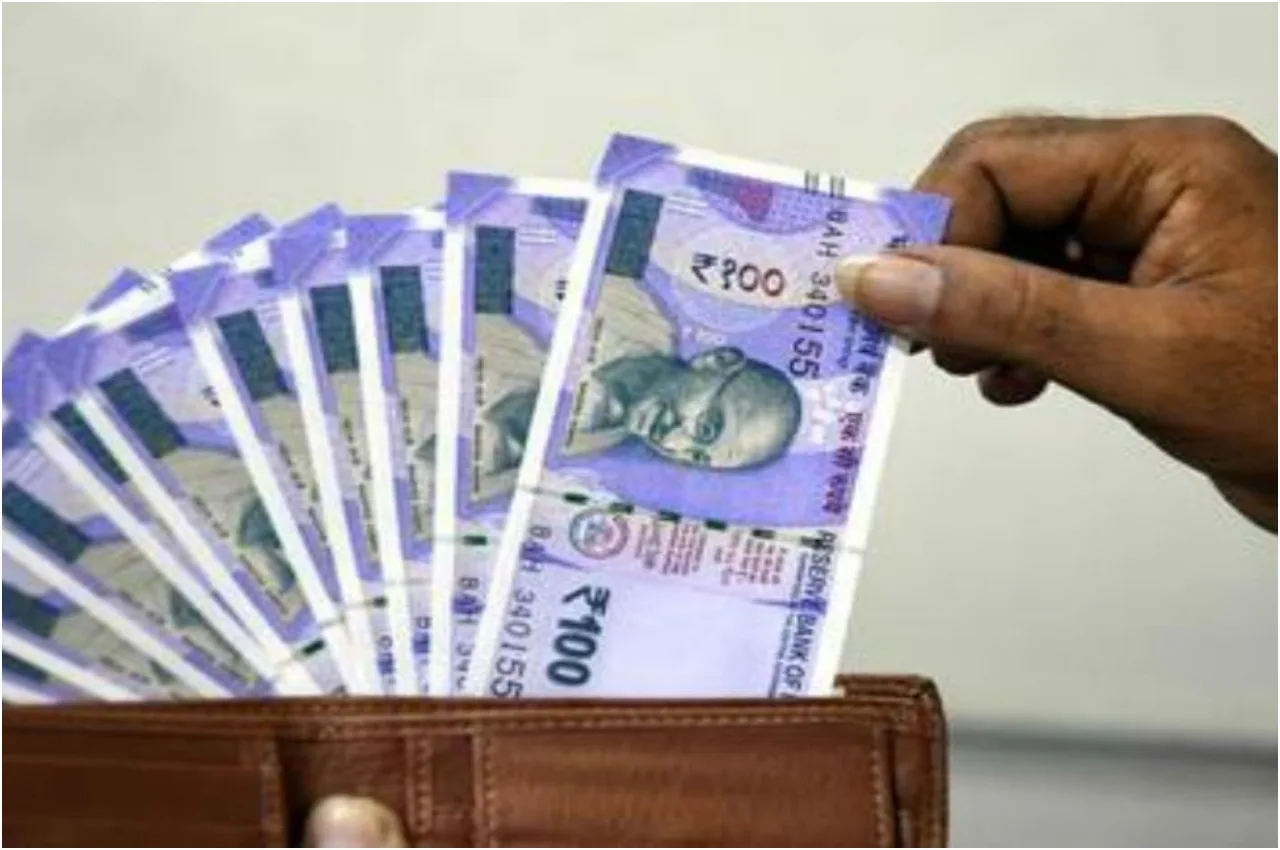
    New Delhi – Times have changed a lot, where people are realising their dream of earning money. These days, one can earn several lakhs of rupees in exchange for old notes and coins. If you want to sell a 100-rupee note, then the method is simple. You can sell a 100-rupee note for Rs 3 lakh. You can fulfil your dream of becoming a millionaire by selling it online.

    If you let go of the opportunity to sell a 100-rupee note, then you will regret it. Because such opportunities do not come again and again. Do not let go of the opportunity to sell a 100-rupee note at all. If a customer wants to sell a 100-rupee note, then he can first know some conditions.

    Speciality 100-rupee note

    The 100-rupee note, whose demand is increasing in the international market, can be easily sold. First of all, the serial number 786 must be written on the 100-rupee note. Apart from this, Mahatma Gandhi’s photo should be printed on the note. If the note has a photo of Ashoka’s pillar on it, then it can also be sold.

    People must be thinking that what is there in serial number 786 that such a huge amount is being received in return. Serial number 786 is considered very lucky and holy among the people of Muslim society.

    People like to buy this note to maintain happiness, prosperity and progress. One 100-rupee note can be sold for 5 lakh rupees, and three notes for 9 lakh rupees. If you miss the opportunity to sell, then you will have to regret it.

    Where to sell a 100-rupee note?

    If you want to sell a 100-rupee note, then first you have to register on the eBay website.

    After this, you have to upload the note on the eBay website.

    Then you have to upload a very clear photo of the note.

    After this, the customers themselves will connect with you and do the deal.

    Disclaimer

    The sale of 100-rupee notes is being claimed on the basis of the internet media. The aim of timesbull.com is not to mislead anyone but to give accurate information to people. If you become a victim of fraud while selling notes, then you will be responsible for it. RBI does not permit anyone to sell or buy notes. You should take this step only after careful consideration.

  • Traffic Challan Payment Made Easy, See the complete process here

    Traffic Challan Payment Made Easy, See the complete process here

    Traffic Challan Payment Process: These days, if you violate traffic regulations, a challan is automatically created, and you must go to the traffic office to settle it. However, if a challan has been issued for your vehicle due to a traffic violation, there’s no need to fret. The government has established an online platform for challan payments, allowing you to pay from the comfort of your home quickly, so you can relax. Let us explain what an e-challan is and guide you through the complete step-by-step process.

    What is an e-challan?

    An e-challan is a digital fine issued by the traffic police. When a driver runs a red light, exceeds the speed limit, or breaks other traffic laws, a challan can be generated in two ways: first, through CCTV cameras set up on the road, and second, by a traffic police officer who is on-site.

    How to pay your traffic challan online?

    To pay an e-challan, start by visiting the official website of the Transport Department at echallan.parivahan.gov.in. Next, click on “Check Online Services.” This will direct you to a page where you can input your vehicle’s details. You will then need to choose either the vehicle number, challan number, or driving license number and provide the necessary information. All details related to your challan will be shown, including the fine amount you need to pay.

    Online Payment

    Click Pay Now to make the payment. You can then make the payment online using a debit card, credit card, net banking, or UPI. Upon completion of the payment, a digital receipt will be generated. This receipt should be downloaded and kept safe so that it can be used as proof in the future if needed.

    How to file a dispute on a wrong invoice online?

    Visit the e-Challan Parivahan website.
    Find the challan by clicking on ‘Get Challan Details’.
    Select the ‘Raise Dispute’ option.
    Write the reason for filing the dispute.
    Such as wrong vehicle number, wrong photo proof, duplicate challan
    Upload supporting evidence.
    Such as photos, GPS logs, dash cam footage, parking receipts.
    Fill in your contact details and submit.
    After this the concerned traffic department will investigate your complaint.

  • SBI Digital Rupee: What Is e₹ and How to Use It? SBI Users Must Know These Details

    SBI Digital Rupee: What Is e₹ and How to Use It? SBI Users Must Know These Details

    SBI Digital Rupee Guide: If you’re familiar with UPI, then using the digital rupee (e₹) will feel just as simple. This is the official digital currency from the RBI, allowing you to send and receive it instantly via your mobile device. You won’t have to deal with the inconvenience of carrying cash or waiting for bank hours. Below, we’ve addressed all questions regarding e₹ in straightforward Hindi, organized in paragraphs, specifically for SBI customers, ensuring you don’t overlook anything.

    What is Digital Rupee (e₹)?

    Digital Rupee, or CBDC, stands for Central Bank Digital Currency. It is issued by the Reserve Bank of India, which is the central bank of India. It functions as money, similar to physical notes and coins, but is digital and stored in your mobile’s e₹ wallet. This means it holds the same validity and security as the cash you carry.

    Features of e₹

    The key feature of e₹ is that it is a sovereign currency issued by the government. It is recorded as a liability on the RBI’s balance sheet, which means it is entirely reliable. Every individual, shop, business, and government entity is required to accept it as a payment method. You can convert it into cash or transfer it to your bank account whenever you wish.

    What is the difference between e₹ and UPI / NEFT / RTGS?

    The distinction between e₹ and UPI/NEFT/RTGS/IMPS lies in the fact that UPI and other methods transfer funds from a bank account, while e₹ is a digital currency in itself. This means that with e₹, the money moves directly from your wallet to someone else’s wallet, bypassing any bank processing.

    Who can use e₹?

    Anyone can utilize e₹, provided they have the e₹ app. This app functions like a digital wallet on your mobile, similar to a purse you carry. It is compatible with both Android and iOS devices.

    How to download SBI’s e₹ app?

    To use SBI’s e₹, you’ll need to download the State Bank of India’s “eRupee App by SBI.” It can be downloaded from the Google Play Store or the App Store. The app guides you through each step on-screen.

    How to register in SBI e₹ app?

    To create an e₹ wallet with full KYC, you must have an SBI savings or current account and a debit card. You can use these to conduct all types of transactions. However, if you create a minimum KYC wallet using your Aadhaar number, its use is limited to receiving government subsidies or grants. An SBI savings account is required for full benefits. While an Aadhaar-based wallet can be created without an SBI account, it will only provide access to government subsidies and will have limited general payment capabilities.

    There are no charges or fees for using e₹. There are no charges for sending or receiving money, everything is free. To view your e₹ Wallet transactions, go to the app’s home page and click on the “History” option at the bottom. You’ll find all your transactions there.

    What is the limit in e₹ wallet?

    The e₹ Wallet can be used 24 hours a day, 365 days a year. However, certain limits on the amount and number of transactions are set by the RBI and the bank. To send money using e₹, click “Send” on the app’s home page. You can choose a phone number/contact or QR code. After verification, enter the amount or select the denomination of the note and click “Send Digital Rupee.” The money will be transferred instantly.

    If your wallet doesn’t have the full balance or the correct denomination, don’t panic. Simply enable “Auto Load” in the app. As soon as the balance runs low, e₹ will be automatically loaded from your linked SBI account. If the denomination is different, the remaining amount will be returned to your wallet.

    There’s no hassle of banking hours for e₹ transactions. It works instantly 24/7, whether it’s night or holidays. To collect money, go to “Collect” in the app, enter the amount, and generate a QR code. Show or send it to the other person. The other person will make the payment using their e₹ app, and the money will be credited to your wallet instantly.

    For first-time e₹ registration, download the app, grant SMS/call permissions, accept the terms, select the SIM card with the registered mobile number, and verify it. Then, set an app PIN, enter your name, and select the wallet type—either a wallet linked to your SBI savings account or a special wallet based on Aadhaar. Once you complete the OTP verification, your e₹ wallet will be ready to use.

  • Train Cancelled- Several Trains Cancelled in April, Check Full List Before You Travel

    Train Cancelled- Several Trains Cancelled in April, Check Full List Before You Travel

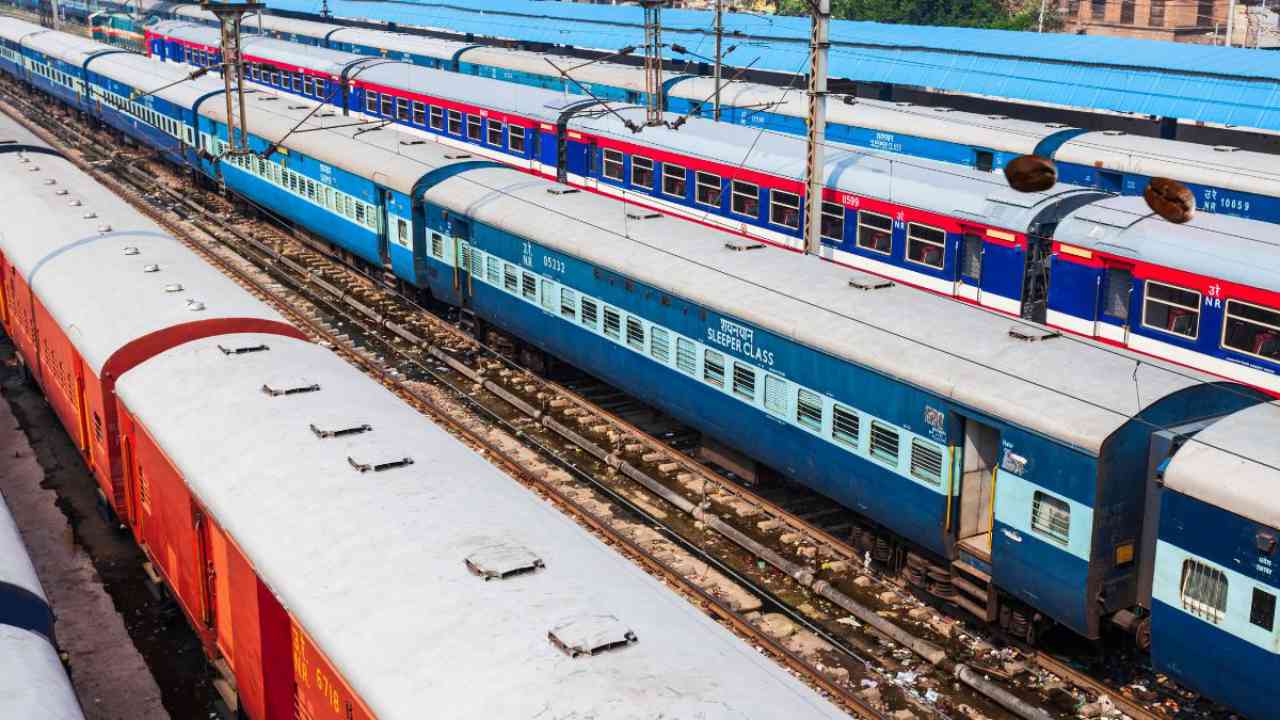
    Train Cancelled: Every day, millions of travelers nationwide depend on trains to journey from one city to another. Regardless of whether the distances are long or short, railways continue to be the most cost-effective and convenient choice. However, for various operational reasons, including repair work or technical upgrades, train schedules frequently require adjustments.

    Some trains may be temporarily canceled, while others might be rerouted. Therefore, if you have already purchased tickets for April, make sure to verify your train status prior to your trip. A minor oversight can result in major inconveniences on the day of your journey. Thus, staying informed is crucial.

    Trains were canceled for this reason

    Due to repair work on the railway bridge over the Ganges River near Kanpur, train services have been modified. This maintenance is set to commence on April 2, 2026, and will continue for more than 40 days. For safety reasons, traffic will be limited during the bridge repairs. As a result, several trains have been temporarily canceled, and others have been redirected. Passengers are encouraged to check the most recent train status before traveling to prevent any last-minute issues.

    These trains were cancelled

    Train No. 64701/02 Jhansi-Lucknow-Jhansi MEMU train has been canceled.
    Train No. 54153/44 Kanpur-Raebareli-Kanpur Passenger train has been canceled.
    Train No. 54101/02 Prayagraj-Kanpur-Prayagraj Passenger train has been canceled.
    Train No. 54325/26 Sitapur-Kanpur-Sitapur Passenger train has been canceled.
    Train number 64212/64203/64214 Kanpur-Lucknow MEMU train has also been canceled.

    These trains were diverted

    The route of train number 12004 New Delhi-Lucknow Shatabdi Express has been diverted.
    The route of train number 02563 Barauni-New Delhi Clone Special has been diverted.
    The route of train number 02423 Dibrugarh-New Delhi Clone Special has been diverted.
    Train No. 15065 Panvel-Gorakhpur Express has been diverted.
    The route of train number 15045 Okha-Gorakhpur Express has been diverted.
    The route of train number 12591 Yeshwantpur-Gorakhpur Express has been diverted.
    The route of train number 13237 Kota-Patna Express has been diverted.
    The route of train number 12143 LTT-Pratapgarh Express has been diverted.
    The route of train number 12183 Bhopal-Pratapgarh Superfast has been diverted.

    These trains were short terminated

    The Agra Fort-Lucknow Intercity’s operation has been restructured. The train will now originate and end at Kanpur Central instead of Lucknow. This means the entire run will be limited to Kanpur Central. The Pune-Lucknow Express has also been temporarily short-terminated. This train will not reach Lucknow for now. Its origin and destination will remain at Kanpur Central. The route of the Lucknow-LTT Express has also been partially curtailed. This service will currently operate only up to Kanpur Central, with the section beyond temporarily closed.

  • DA Hike by 3% Announced, Relief for Pensioners Also

    DA Hike by 3% Announced, Relief for Pensioners Also

    DA Hike: Eight months after the Central Government’s decision, the Madhya Pradesh Government has provided significant relief to over 7 lakh officers and employees of the state in celebration of Holi. The Mohan Yadav Government has declared a 3 percent rise in dearness allowance (DA). Consequently, the dearness allowance will now be raised to 58 percent.

    Currently, it stands at 55 percent. This announcement during the festival has brought joy to the faces of countless employees. As per the government’s decision, all government employees will receive a 58 percent dearness allowance starting from April 2026, similar to the Government of India. This will directly enhance the salaries of the employees.

    The new rate will take effect from April 2026, and employee-pensioners will notice the benefits reflected in their salaries and pensions by May. However, the government has deemed the increase effective from July 2025, meaning that the arrears from July 2025 to March 2026 will be paid in six equal installments. Pensioners will also benefit from a 58 percent dearness relief (DR).

    The decision to raise DA comes at a time when daily expenses are slightly increasing. Nevertheless, according to the central bank, inflation remains under control. The Mohan Yadav government has made it clear that the dearness allowance for state employees, specifically MP government employees, is now on par with that of the central government. This was a long-standing request from state government employee organizations, which has now been addressed.

    Arrears will be distributed in six installments

    Employees will also receive arrears for the period from July 2025 to March 2026. This amount will be paid out in six equal installments, beginning in May 2026. This means that employees will receive their arrears alongside the increased salary, which is anticipated to offer substantial financial relief.

    Umashankar Tiwari, General Secretary of Madhya Pradesh Third Class Employees Union, has expressed his gratitude to the Chief Minister for increasing the Dearness Allowance (DA) by 3% after 8 months. He said that the decision to give 3% Dearness Allowance to about 7.50 lakh employees of the state government from July 2025 is welcome.

    Umashankar Tiwari also demanded that the government should reconsider giving Dearness Relief (DR) to retired employees from July 2025. He said that the employees were facing financial loss due to no decision being taken despite continuous demand from July 2025 to February 2026. There is a wave of happiness among the employees due to the announcement of the Chief Minister.

  • Silver Rates Today – Check the price of 1 kg Silver in these cities on March 5

    Silver Rates Today – Check the price of 1 kg Silver in these cities on March 5

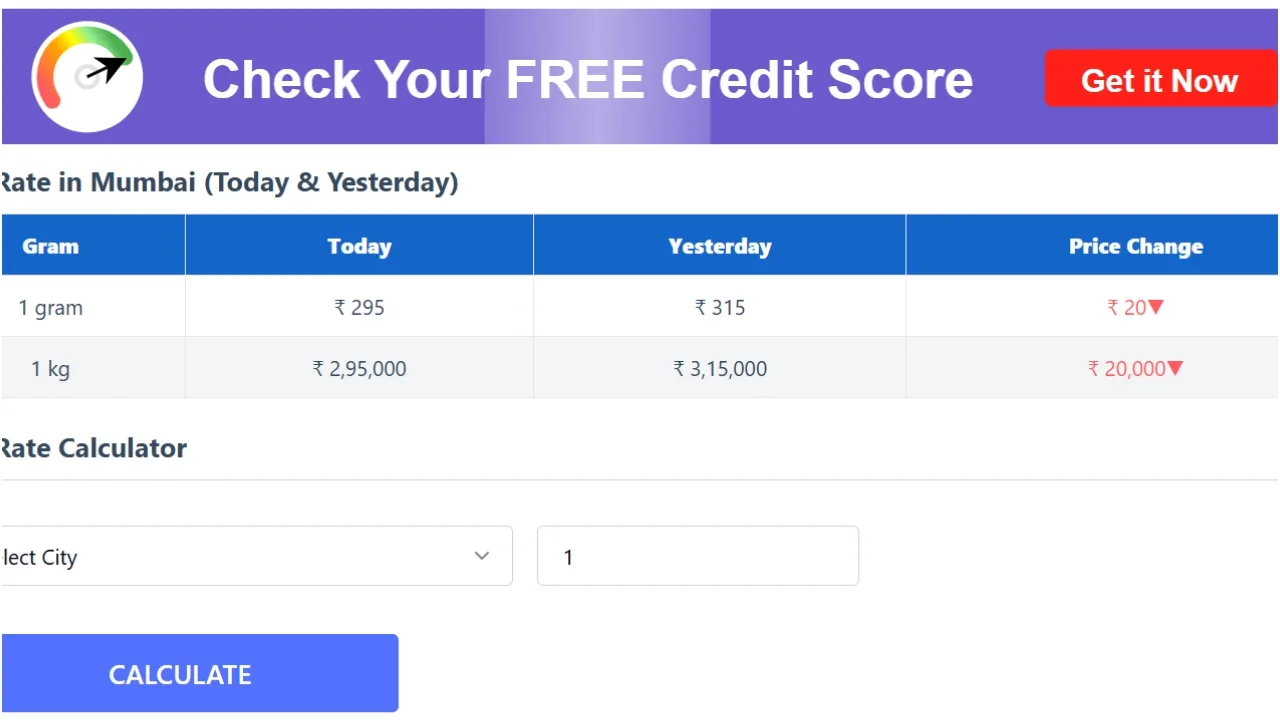
    New Delhi: Following Holi, both gold and silver prices have declined in the Indian bullion market. On Thursday, the day after Holi, the price of 999 purity silver fell by ₹20,000, bringing much joy to customers. The auspicious season of weddings is now upon us.

    If someone in your family is getting married or getting engaged, you can consider purchasing silver. You can check the city-wise rates of 999 purity silver in some of India’s metropolitan cities to avoid any confusion.

    Check the price of silver in these cities.

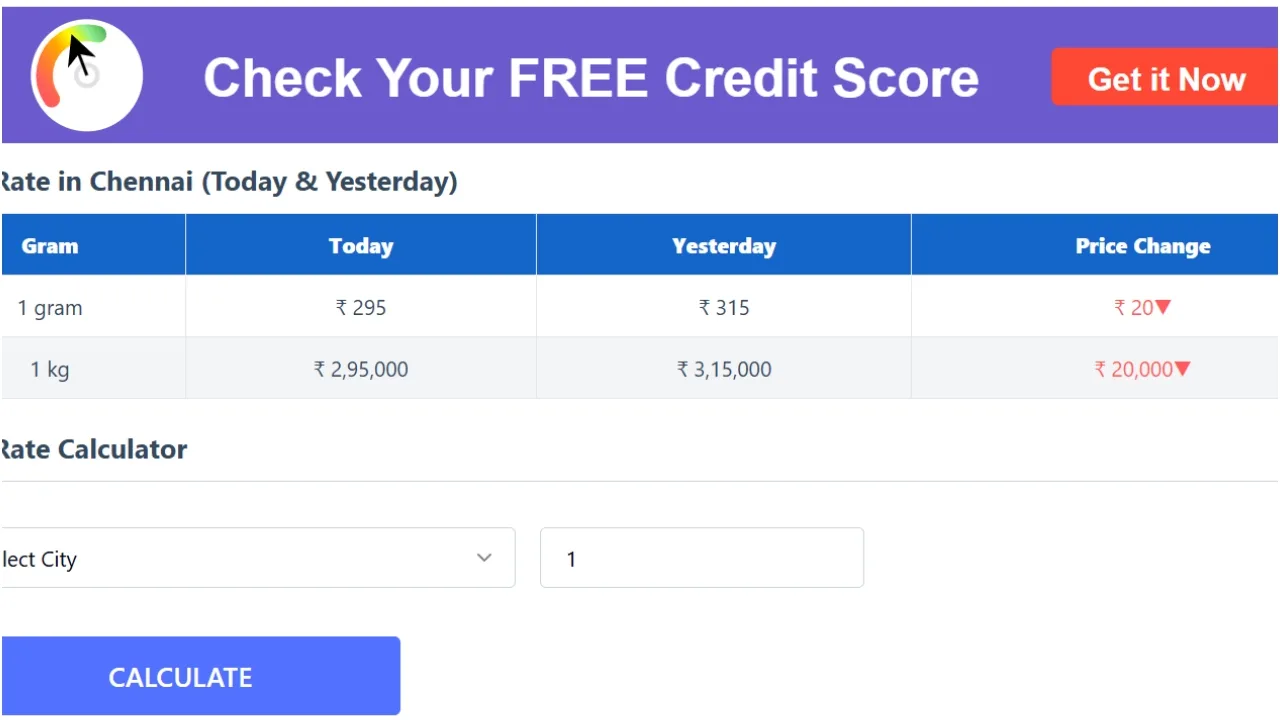
    In New Delhi, the price of 999 purity silver has fallen by ₹20,000 to ₹295,000 per kilogram. The previous day, the price of silver was ₹315,000 per kilogram. In Chennai, the price of 999 purity silver fell by ₹20,000, reaching a total of ₹295,000 per kilogram. A day earlier, on Wednesday, the price of silver was ₹315,000 per kilogram.

    In Bengaluru, the price of silver also fell by ₹20,000, reaching a total of ₹295,000 per kilogram. A day earlier, the price of silver here was ₹315,000 per kilogram. In Hyderabad, the price of silver also fell by ₹20,000, bringing the price of one kilogram to ₹295,000 per kilogram.

    In Bhopal, the price of silver also fell by ₹20,000, reaching a total of ₹295,000 per kilogram. A day earlier, the price of silver here was ₹315,000 per kilogram.

    See the latest prices here.e

    In Lucknow, the capital of Uttar Pradesh, silver prices fell to ₹295,000 per kilogram for 999 purity. On Wednesday, the price here was ₹315,000 per kilogram.

    In Noida, adjacent to Delhi, the price of 999 purity silver fell by ₹20,000 to ₹295,000 per kilogram. A day earlier, the price of silver had fallen to ₹315,000 per kilogram. In Ghaziabad, the price of 999 purity silver fell by ₹20,000 to ₹295,000 per kilogram. A day earlier, the price of silver here was recorded at ₹315,000 per kilogram.

    Note

    Before investing in silver in the Indian bullion market, it is advisable to consult your market experts. You can also contact your nearest jewellery shop before purchasing silver jewellery.

  • Gold Price Update – Check the latest gold rates in major cities for 22K and 24K gold 10 grams after the recent increase

    Gold Price Update – Check the latest gold rates in major cities for 22K and 24K gold 10 grams after the recent increase

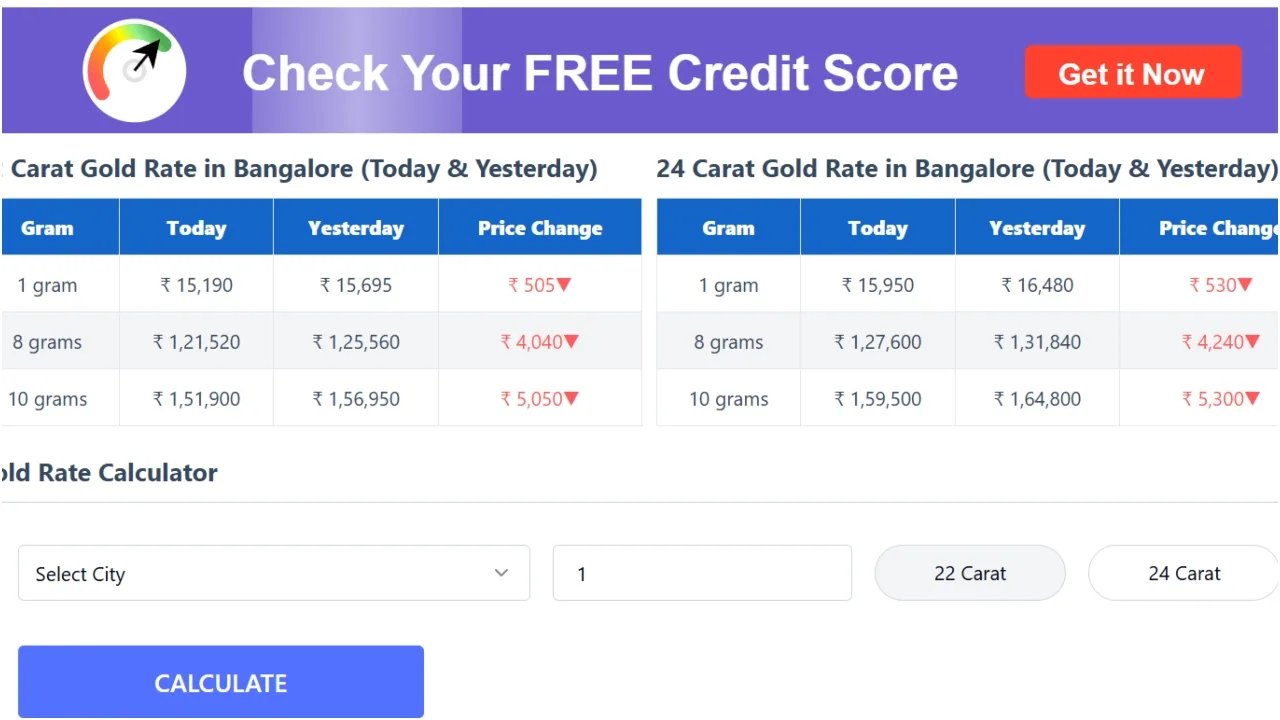
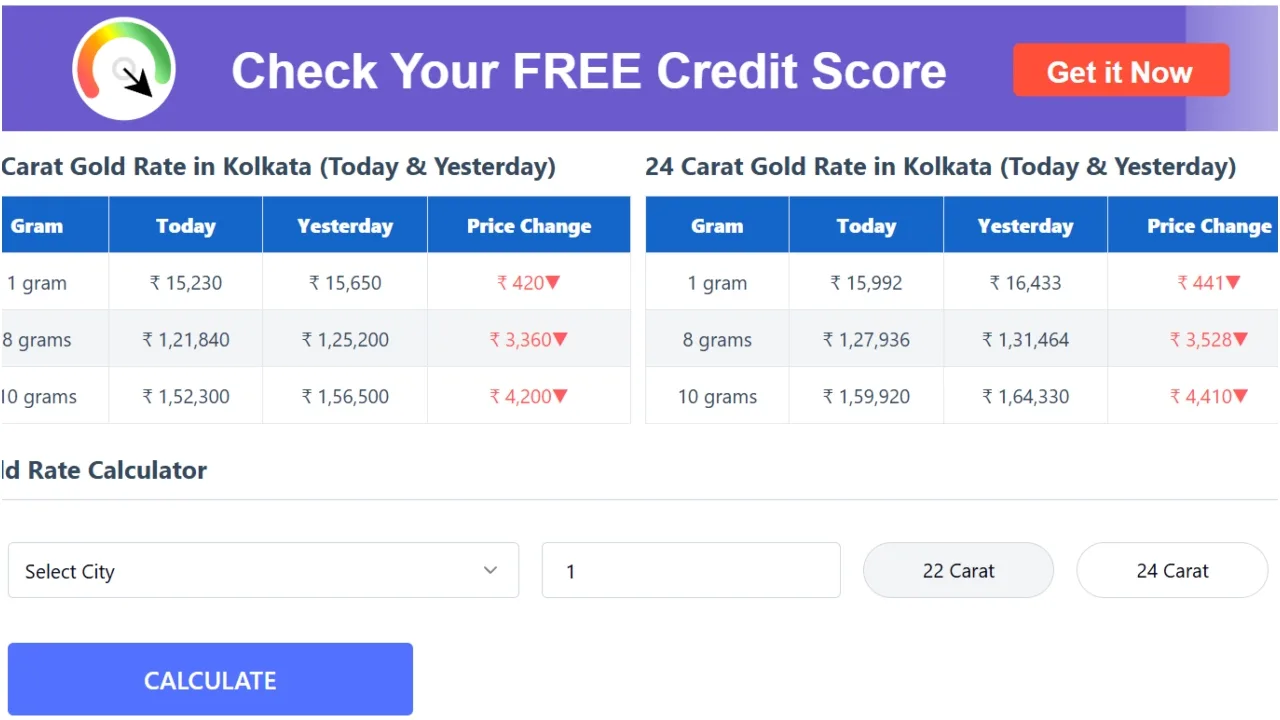
    New Delhi: Early Thursday morning, just a day after Holi, gold prices saw a sharp drop, bringing cheer to consumers. Gold prices increased from Delhi to Mumbai and Kolkata. The price of 22-carat gold increased by ₹5,050, and 24-carat gold by ₹5,300 per ten grams.

    Despite this, if you’re considering buying gold, don’t delay. We’re providing customers with city-wise gold rates, ensuring hassle-free access. You can check the latest gold prices on Metropolis.

    Check the gold rates in these metropolises.

    In the national capital, New Delhi, 22-carat gold fell by ₹5,050 to ₹151,800 per ten grams. 24-carat gold prices fell by ₹5,300 to ₹159,390 per ten grams. A day earlier, on Wednesday, the price of 22-carat gold was Rs. 156,850, and 24-carat gold was sold for Rs. 164,690 per tola.

    In the national financial capital, Mumbai, the price of 22-carat gold fell by Rs. 5,050 to Rs. 151,300 per ten grams. The price of 24-carat gold fell by Rs. 5,300 to Rs. 158,870 per tola. Yesterday, the price of 22-carat gold was seen trending at Rs. 156,350, and the price of 24-carat gold was seen trending at Rs. 164,170 per tola.

    In Chennai, the capital of Tamil Nadu, 22-carat gold was seen selling for Rs. 152,000 per ten grams, down by Rs. 4,500. The price of 24-carat gold fell by Rs. 4,730 to Rs. 159,600 per tola. Yesterday, the price of 22-carat gold was recorded at Rs 156,500 per tola, and the price of 24-carat gold was recorded at Rs 164,330 per tola.

    In Kolkata, the capital of West Bengal, the price of 22-carat gold fell by Rs 4,200 to Rs 152,300 per ten grams. The price of 24-carat gold fell by Rs 4,410 to Rs 159,920 per tola. A day earlier, on Wednesday, the price of 22-carat gold was sold at Rs 156,500 per ten grams, and the price of 24-carat gold was sold at Rs 164,330 per ten grams.

    In Bengaluru, the capital of Karnataka, the price of 22-carat gold fell by Rs 5,050 to Rs 151,900 per tola. The rate of 24-carat gold fell by Rs 5,300 to Rs 159,500 per ten grams. On Wednesday, 22-carat gold was recorded at ₹156,950, and 24-carat gold at ₹164,800 per tola.

    In Lucknow, the capital of Uttar Pradesh, the price of 22-carat gold fell by ₹5,050 to ₹151,800 per ten grams. 24-carat gold is selling at ₹159,390 per ten grams, down ₹5,300. Yesterday, 22-carat gold was sold at ₹156,850, and 24-carat gold was sold at ₹164,690 per tola.

    Note

    Before investing in gold in the Indian bullion market, it is advisable to consult market experts. You can also contact your nearest jewellery shop before purchasing gold jewellery.

  • PM Kisan 22nd Installment: Farmers to Get Rs 2,000 Soon, Complete This Process Asap 

    PM Kisan 22nd Installment: Farmers to Get Rs 2,000 Soon, Complete This Process Asap 

    PM Kisan Yojana: The 22nd installment of PM Kisan is on the horizon, and based on previous trends, farmers shouldn’t have to wait too long. If we look at the patterns from the last seven years, it’s likely that the government will announce and deposit the next installment of Rs 2,000 during the first or second week of March 2026. This scheme provides eligible farmers with Rs 6,000 each year, distributed in three equal payments of Rs 2,000 through Direct Benefit Transfer (DBT). Since its inception on February 24, 2019, the government has successfully released 21 installments.

    What do past trends indicate?

    Examining historical data shows a distinct trend – the first installment of each year is typically credited in January or February.

    The first installment of each cycle has been released over the years as follows:

    2019 (launch year) February 24, 2019

    2020 (December-March Cycle) January 2, 2020

    2021 (December-March Cycle) December 25, 2020

    2022 (December-March cycle) January 1, 2022

    2023 (December-March cycle) February 27, 2023

    2024 (December-March cycle) February 28, 2024

    2025 (December-March cycle) February 24, 2025

    This pattern clearly indicates that the government usually credits the December-March installment in January or February, and occasionally extends it to late February. This year, the announcement has been a bit delayed compared to previous cycles. However, considering the consistent trend, it is probable that the 22nd installment will be released in early or mid-March 2026.

    What’s causing the delay this time?

    The primary reason seems to be a significant re-verification initiative. In preparation for the 22nd installment, the government has ramped up its scrutiny to ensure that only legitimate and eligible farmers receive benefits. Reports suggest that millions of names have been removed in recent rounds to clean up the beneficiary database. During the cycle of the 21st installment alone, nearly 7 million names were reportedly eliminated to filter out ineligible beneficiaries.

    To receive the next payment of Rs 2,000, farmers must ensure the following:

    – e-KYC is mandatory.

    – This requirement applies to all registered farmers.

    – Online via OTP on the PM-Kisan portal.

    – Through face authentication using the PM-Kisan mobile app.

    – Offline via biometric verification at Common Service Centres (CSC).

     Farmer ID requirement

    In 14 states, including Uttar Pradesh, Maharashtra, Rajasthan, and Bihar, a unique farmer ID is now necessary for new registrations. For Direct Benefit Transfer (DBT), your bank account must be linked to Aadhaar and must be active.

    Even a minor spelling error can lead to payment failure.

    How to verify your name in the updated list?

    – Visit the official PM-Kisan website.

    – Click on ‘Know Your Status’ in the Farmers Corner.

    – Enter your registration number and captcha code.

    – Check if: e-KYC shows Yes,

    Land seeding shows Yes,

    Aadhaar Bank Seeding shows Yes.

    If any of these show No, please correct them immediately.

  • PM Kisan Yojana – Farmers will get ₹2000 installment on this date! Here’s how to check

    PM Kisan Yojana – Farmers will get ₹2000 installment on this date! Here’s how to check

    New Delhi: Farmers have been eagerly awaiting the 22nd instalment of the PM Kisan Samman Nidhi Yojana. It is expected that the central government will soon transfer the next instalment of this scheme to their accounts on March 13th. PM Narendra Modi himself will transfer the amount to accounts through DBT, which is expected to benefit over 9 crore farmers.

    Only farmers who have completed the necessary work will be eligible for the scheme. If you haven’t completed the necessary work related to the PM Kisan Samman Nidhi Yojana, don’t delay. There has been no official announcement regarding the release date of the instalment. We will provide the essential information related to this in the article below, which will completely clear up any confusion.

    The gift may be received on this date.

    PM. Narendra Modi said during an event in Assam that the instalment amount may be transferred on March 13, 2026. Assam Minister Urkhao Gwara Brahma informed that PM Narendra Modi will visit Kokrajhar, Assam, on March 13th. He stated that PM Modi will lay the foundation stone for development projects in the state.

    PM Modi’s visit to Assam comes ahead of the state assembly elections later this year. Therefore, speculation is rife that the 22nd instalment of the PM Kisan Yojana may be announced on this day, or that PM Modi may release the 22nd instalment of the Kisan Yojana from there.

    Urkhao Gwara Brahma also stated that on the coming 13th, the Prime Minister will visit the market to lay the foundation stone for a project. According to an agreement, the foundation stone for another project is also to be laid. The official list has not yet been released. However, no official information has been shared by the government.

    When did the 21st instalment arrive?

    The 21st instalment of the PM Kisan Samman Nidhi Yojana was released on November 19, 2025. Since this ininstalmentas transferred, farmers have been eagerly awaiting the 22nd insinstalment be credited to their accounts. A few days ago, it was expected that the ₹2,000 instalment would be credited on the auspicious occasion of Holi. However, this did not happen. Now, the instainstalmentxpected to be released on March 13.

    How to Check

    Farmers can easily check whether their name is on the PM Kisan Samman Nidhi Yojana list.

    To do this, first go to the Know Your Status section of the PM Kisan portal.

    Then enter your registration number or mobile number.

    Then enter the captcha code and click on ‘Get Data’.

    After this, be sure to check your e-KYC and land seeding status, as without these, the money may be stuck.

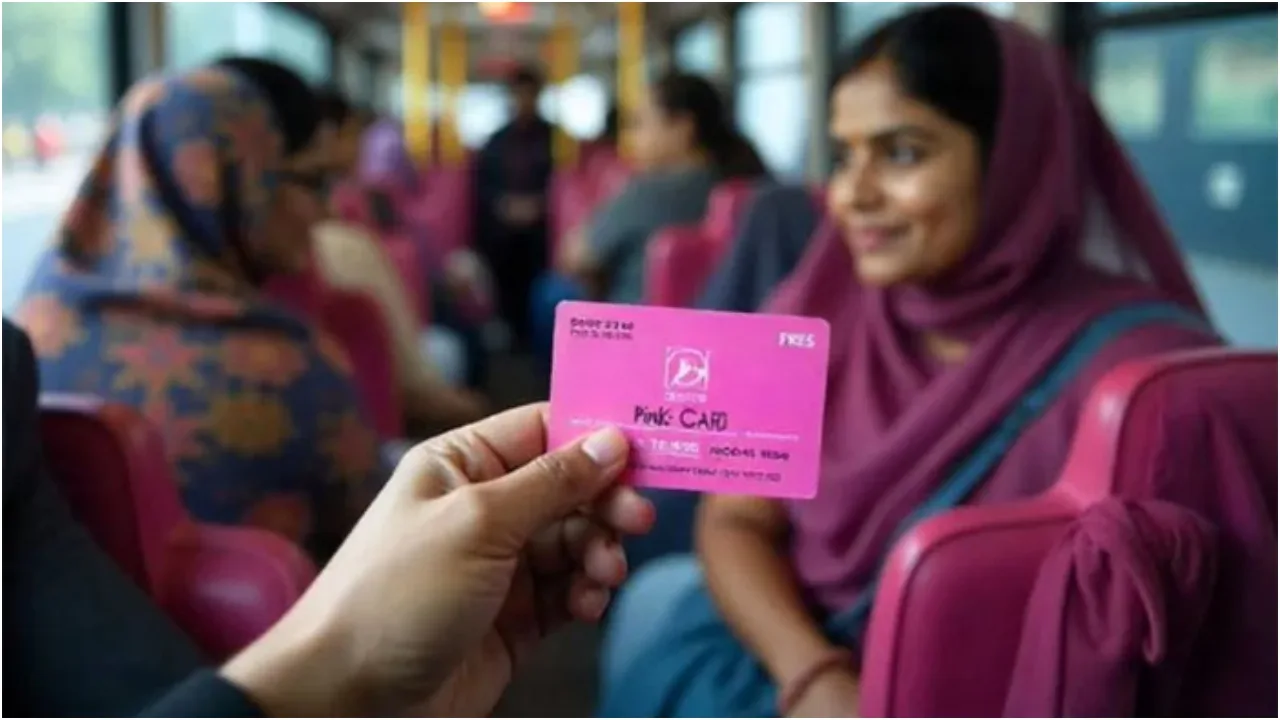
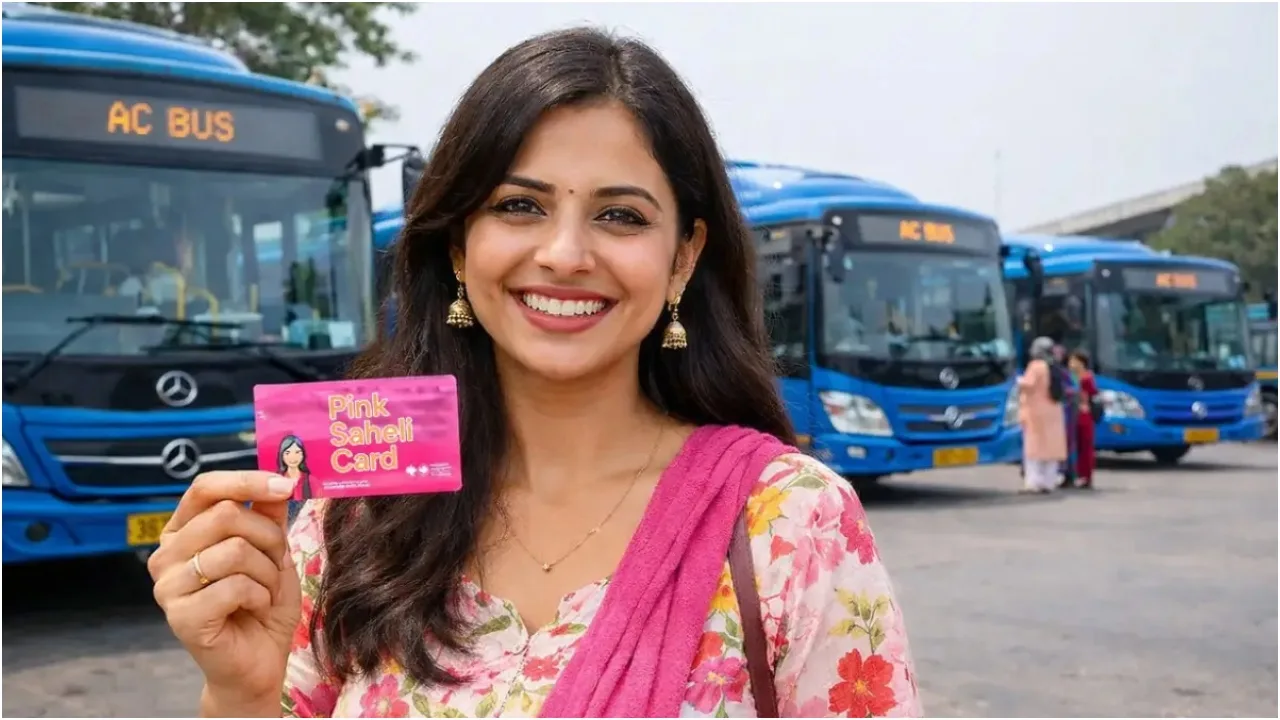
  • Delhi Women, Get Your Pink Sahayak Card Soon! Here’s What You’ll Get

    Delhi Women, Get Your Pink Sahayak Card Soon! Here’s What You’ll Get

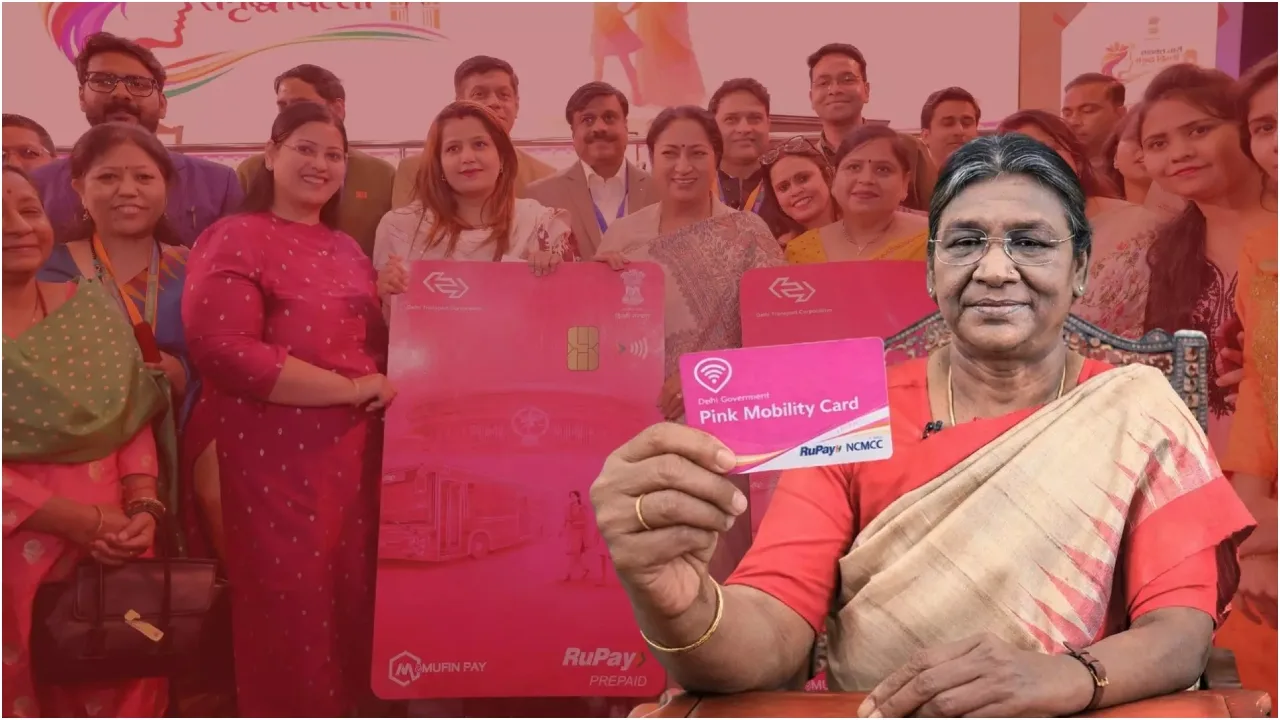
    New Delhi: The Delhi government is currently implementing new schemes for the people, which are proving to be a boon. The Delhi government is about to launch a facility for women and transgender people. The government is going to start distributing the Pink Saheli Card, launched for women and transgender people.

    Around 50 centres have been set up in the capital for this distribution. The process of distributing cards at these centres began on Tuesday. The Pink National Common Mobility Card was launched by President Draupadi Murmu.

    This card has been issued through the One Nation, One Card initiative. It allows eligible women and transgender people to travel free on buses. Additionally, a single smart card can also be used to travel on the metro and other public transport services.

    What to do to get the card?

    The Delhi government will distribute the Pink Saheli Card, which will ensure hassle-free access for women and transgender people. The District Magistrate and Sub-Divisional Magistrate offices, as well as some Delhi Transport Corporation depots, have been designated as centres for this purpose. Cards will be issued daily at all 50 centres from 9 am to 5 pm.

    Each Pink Card will be linked to the beneficiary’s mobile number and Aadhaar. This will verify age, gender, and Delhi residency. This card will replace the existing paper Pink Ticket. Travel will become touch-free and digital, and travel records will also be digital.

    This will increase transparency. This card will provide free travel on Delhi’s DTC and cluster buses. The same card can be used for payment on the Delhi Metro and the Regional Rapid Transit System. Travelling across different transport systems with a single card will be convenient.

    How many types of cards will be issued?

    The government will issue three types of cards under this scheme: the Pink Card for eligible women, the Blue Card for general passengers, and the Orange Card for monthly pass holders. Currently, the Pink and Blue Cards are being issued in the first phase. The Orange Card will be introduced later.

    The government has decided to make the Pink Card completely free. The card issuance is entrusted to Hindon Mercantile Limited and Airtel Payments Bank Limited. A dedicated online portal has also been established to assist women, with a guide available in Hindi.