Category: Auto

Stay in the driver’s seat with the latest Car and Bike News India. We are your ultimate source for everything automobiles, delivering up-to-the-minute updates, expert reviews, and detailed comparisons to guide your automotive journey.

Explore the Indian auto market with us, uncovering exclusive details on upcoming car and bike models. Get a visual preview with high-quality photos and videos, and stay informed on launch dates, specifications, and pricing.

We provide comprehensive automobile news coverage, from breaking industry announcements to in-depth analyses of market trends. Whether you’re a seasoned auto enthusiast or a first-time buyer, our platform offers valuable insights to fuel your passion and inform your decisions.

Discover the hottest new releases, compare your favorite models side-by-side, and stay ahead of the curve with our timely updates. For all things Car and Bike News India, make us your trusted source and experience the world of automobiles like never before.

  • Top 3 best selling sports bikes under 5 lakh in india 2024

    Top 3 best selling sports bikes under 5 lakh in india 2024

    Top 3 best selling sports bikes under 5 lakh: Sports bikes have always been a passion for young riders in India who have a passion for speed. The sports bike market in India has grown a lot in the last few years with several offerings in the entry-level segment, find out here

    KTM RC 390

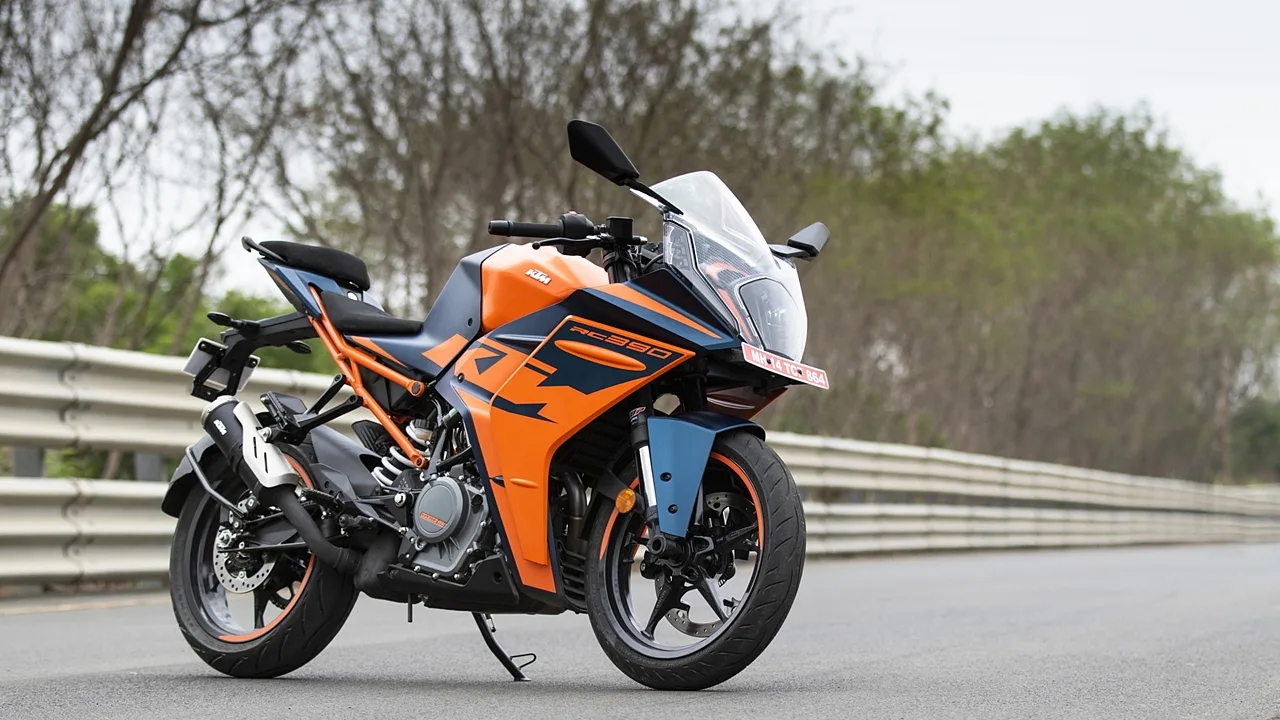
    The KTM RC 390 is a street road sports bike with this performance of track focused and aerodynamic styling . The next-gen RC 390 was recently spotted abroad, featuring a complete overhaul in terms of styling and hardware. This motorcycle is expected to be launched in 2025. The starting price KTM RC 390 is Rs 3.18 lakh.

    BMW G 310 R

    This motorcycle is a streetfighter developed in collab with TVS. It comes in a aggressive design and with stylish graphics. Now, a custom version of this bike inspired by the BMW M 1000 R has been spotted at a Mumbai dealership and it looks absolutely stunning. The BMW G 310 R price is at Rs 2,85,000.

    BMW G 310 R Engine: This motorcycle is a BS6 bike and compliant 313cc liquid cooled single cylinder motor that produces 34 PS at 9,500rpm and 28 Nm at 7,500rpm, which remains the same as before.

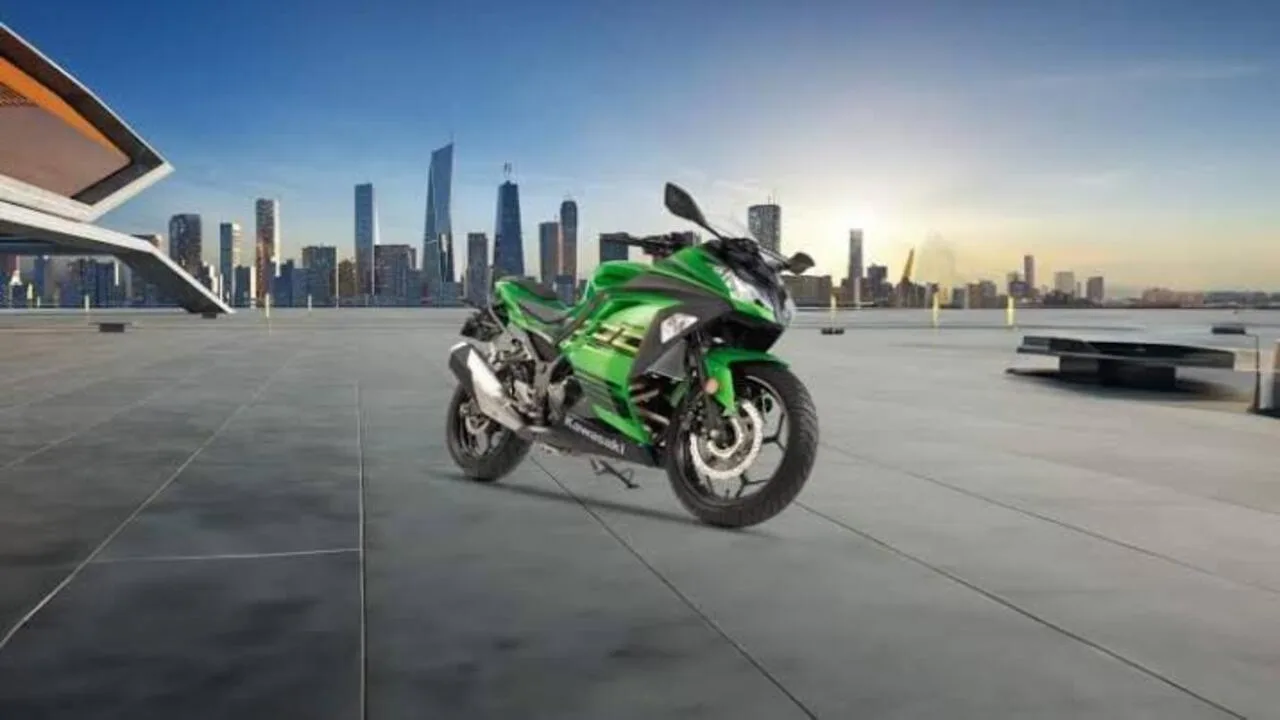
    Kawasaki Ninja 300

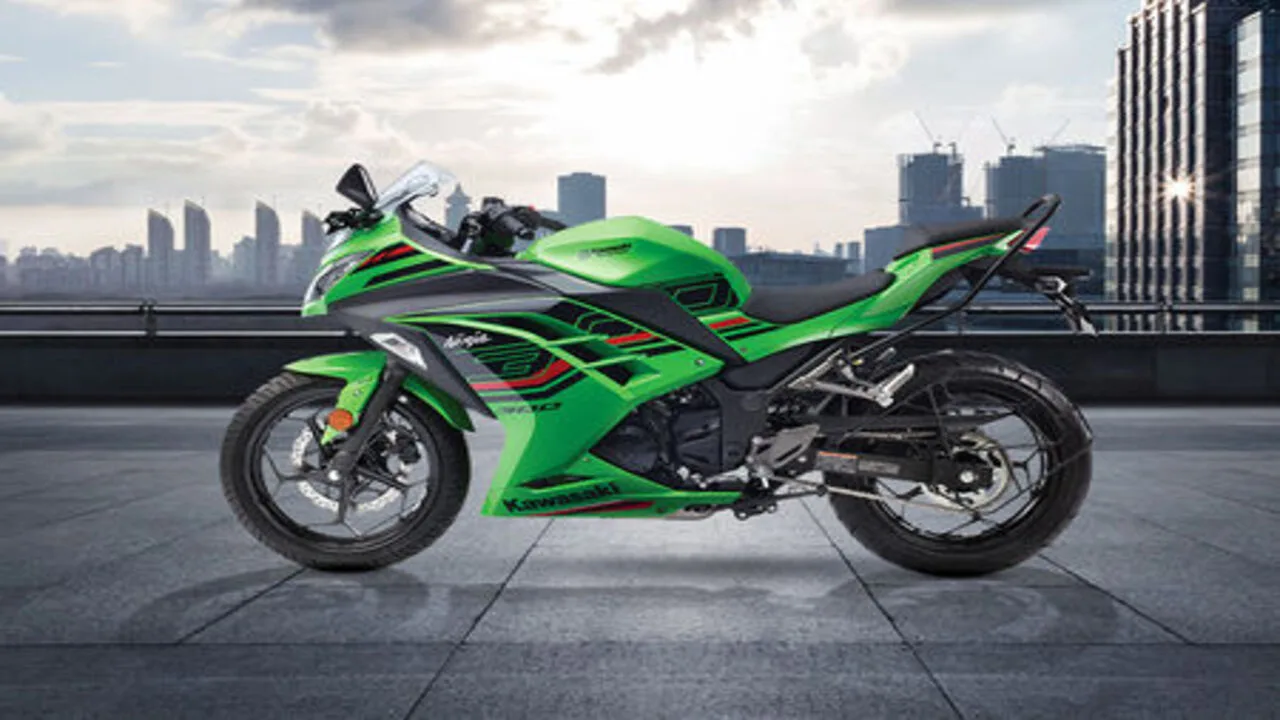
    The Kawasaki Ninja 300 is the most affordable Ninja bike in India with a starting price of Rs 3.43 lakh. It has remained unchanged for the past several years, with basic features and a smooth parallel-twin engine. It is the affordable twin-cylinder sports bike in India. The price of this affordable bike is Rs 3,43,000.

    Kawasaki Ninja 300 Engine: This bike still has the same 296cc parallel-twin liquid-cooled engine. There are nothing fancy electronics and the engine is connected to a 6 speed transmission with assist and slipper clutch.


  • Top 5 Fuel-Efficient CNG Cars in India: Budget-Friendly and Environmentally Conscious Choices

    Top 5 Fuel-Efficient CNG Cars in India: Budget-Friendly and Environmentally Conscious Choices

    Top 5 best selling CNG cars in terms of fuel efficiency: These are the top cars with great features and are perfect for your budget with great mileage and environment. They may be low in price but should be first on the bucket list.

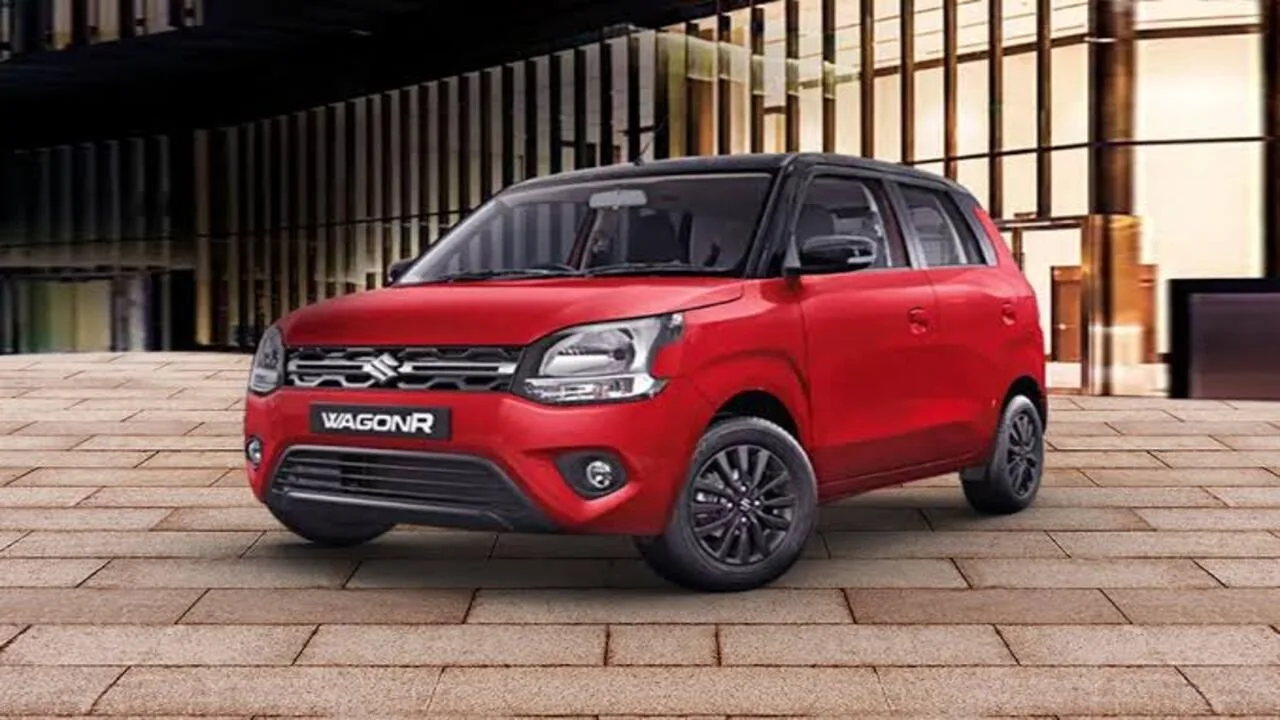
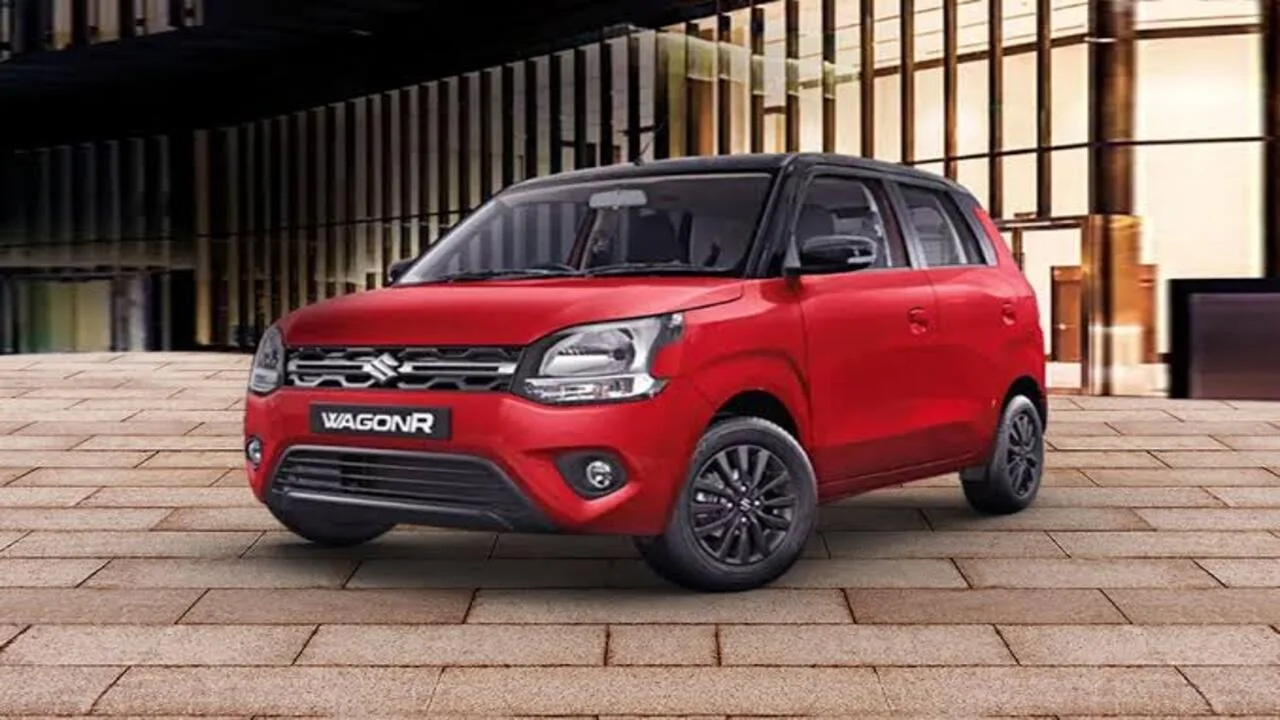
    Maruti Wagon R CNG

    Maruti Wagon R CNG is the CNG version of the Wagon R lineup and the price of this cng car is Rs 6.89 Lakh. It gives a mileage of 34.05 kmpl. Maruti Wagon R VXI 1.0 CNG is available in manual transmission and it has 6 colours: Magma Grey, Nutmeg Brown, Poolside Blue, Gallant Red, Silky Silver and Superior White. The mileage of this car is 34.04 kmpl.

    Maruti Celerio CNG

    Celerio VXi is the CNG version of the Celerio. and the price is Rs 6.73 Lakh. It gives a mileage of 34.43 kmpl. The Maruti Celerio VXi CNG is available in manual transmission and is available in 6 colours: Speedy Blue, Caffeine Brown, Glistening Grey, Silky Silver, Solid Fire Red and Arctic White. The mileage of this car is 34.43 kmpl.

    Hyundai Grand i10 Nios CNG

    The Grand i10 Nios is a hatchback car with unique exterior designing and a great feature packed, quality cabin. Its smooth, adequately powered and efficient engine, including the CNG version, makes urban driving a breeze. The base model of the Hyundai Grand i10 Nios starts at Rs 5.92 lakh. The mileage of grand i10 car is 27 km/kg.

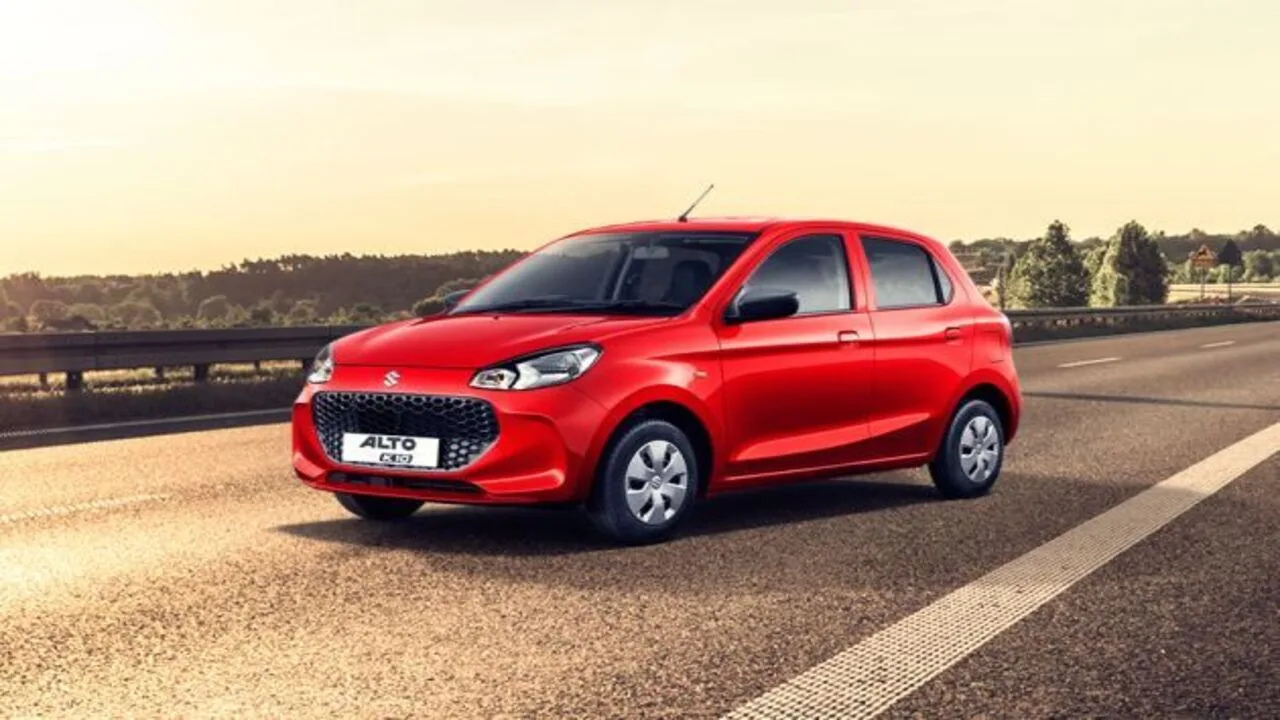
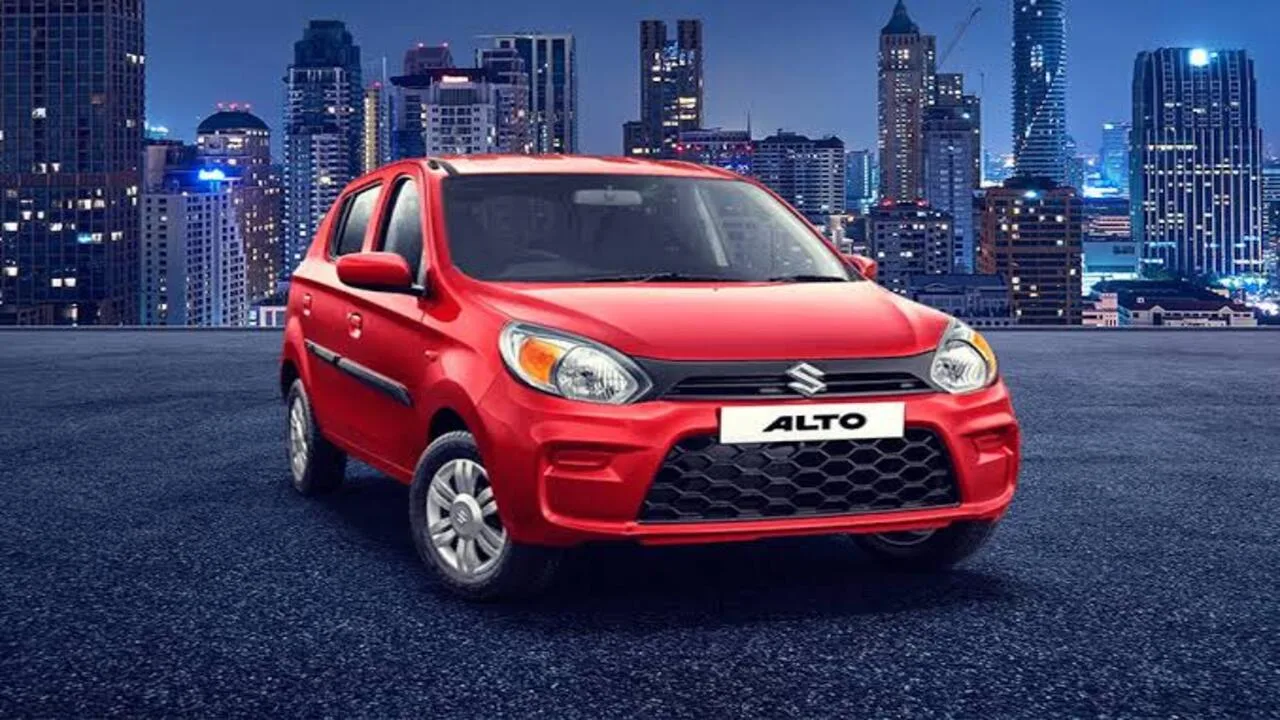
    Maruti Alto K10 CNG

    The Maruti Alto K10 VXi (O) S-CNG is the top model in the Maruti Alto K10 lineup and the top model of the Alto K10 is priced at Rs 5.96 lakh. It gives a mileage of 33.85 km/kg. Maruti Alto K10 VXi (O) S-CNG is available in manual transmission and is available in 7 colours: Bluish Black, Metallic Speedy Blue, Metallic Granite Grey, Metallic Sizzling Red, Premium Earth Gold, Metallic Silky Silver and Solid White. This car has a mileage of 33.85 kmpl

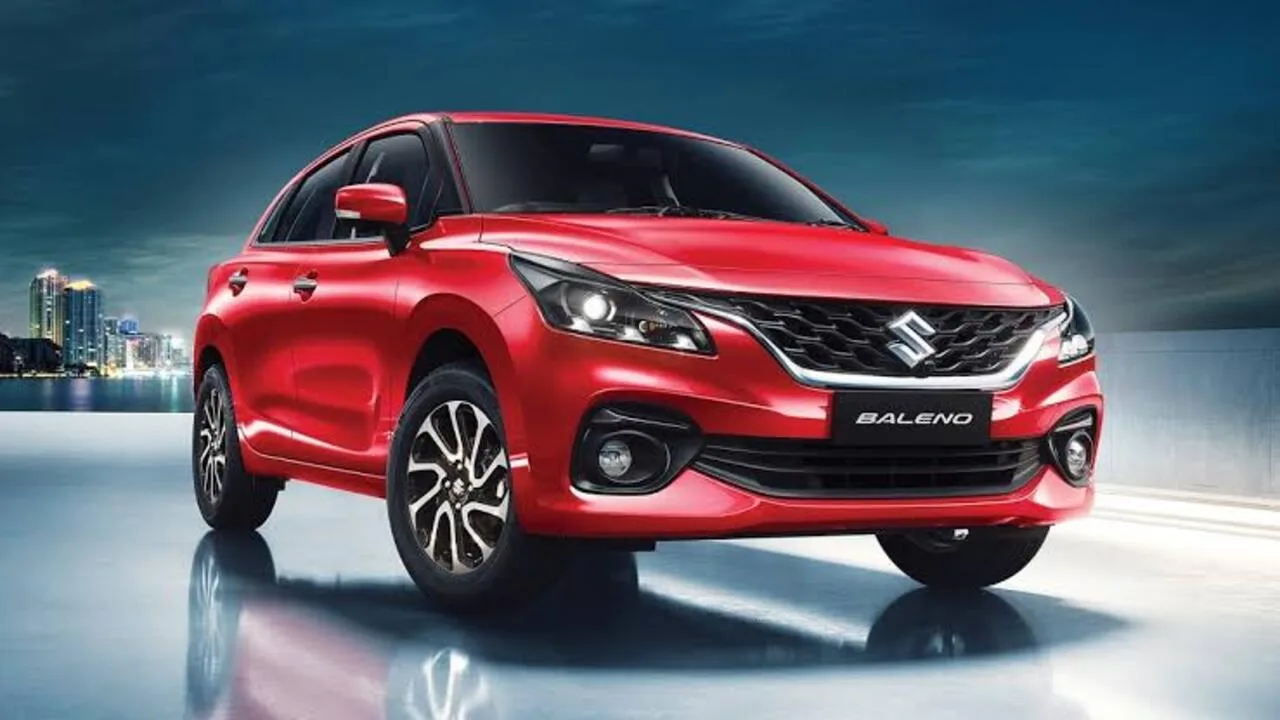
    Maruti Baleno

    Maruti Baleno Delta MT CNG is the CNG version in the Baleno lineup and price is Rs 8.40 lakh. It gives a mileage of 30.61 km/kg. Maruti Baleno CNG is contain manual transmission. This car has a mileage of 30.61 kmpl.

  • Charging Infrastructure for Electric Vehicles in India 2024

    Charging Infrastructure for Electric Vehicles in India 2024

    While the move to electric vehicles is picking up, especially because of environmental concerns coupled with government incentives, actual adoption is largely dependent on the country’s charging infrastructure availability and efficiency.

    The article enumerates the status of the EV charging infrastructures in India regarding specifications, features, pricing, and other critical details that are believed to shape the future of electric mobility.

    Overview of Charging Infrastructure in India

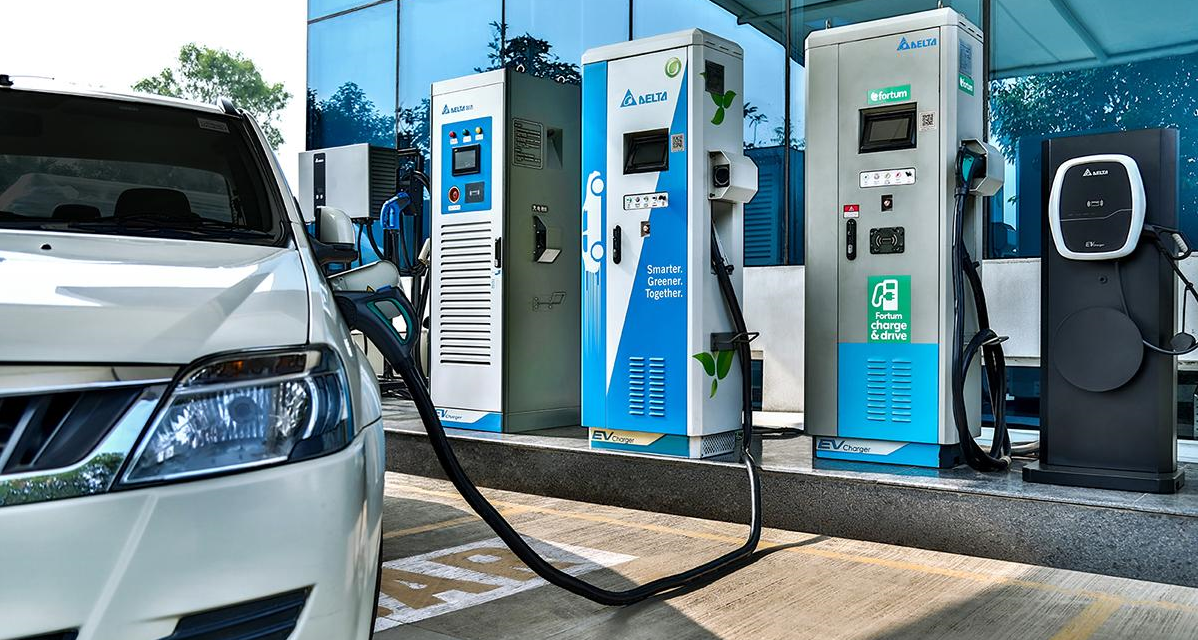
    Enabling EV Charging Infrastructure in India - Delta Electronics India


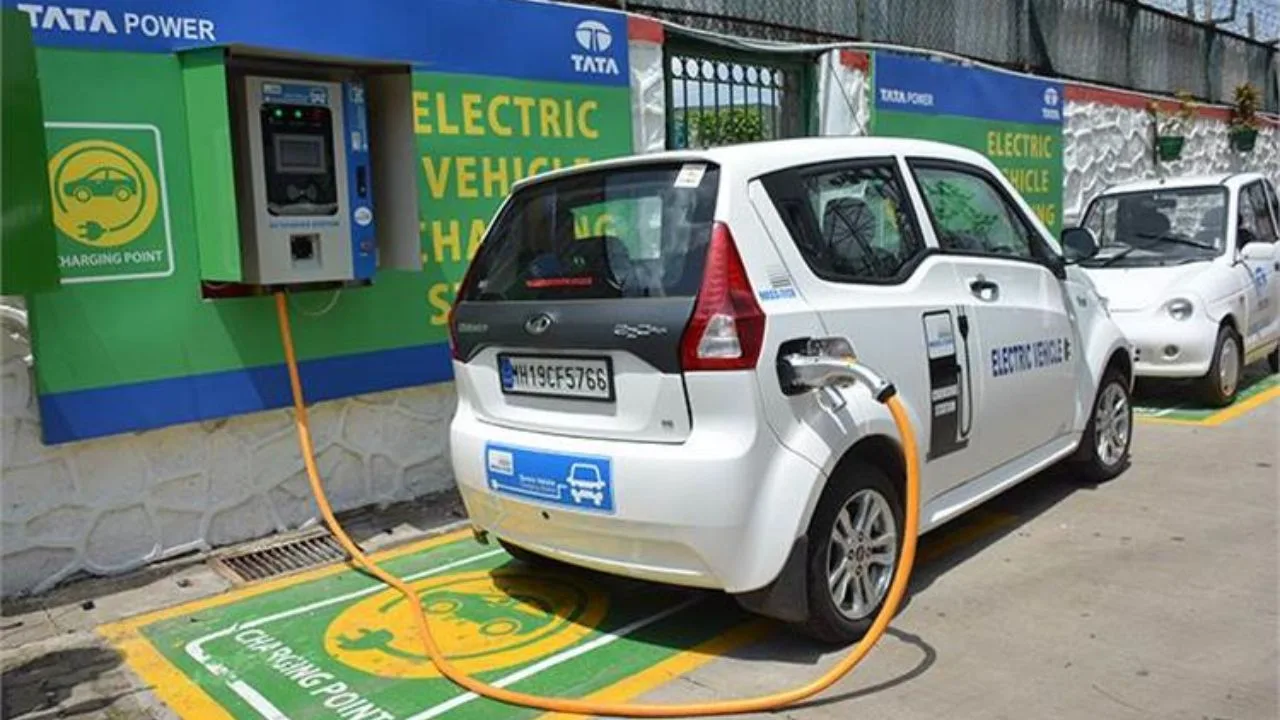
    Public Charging Stations: In keeping with the traffic on the road, the number of public charging stations has been ramped up in most rapid succession in India. By 2024, more than 10,000 public charging points are set up across various cities, most of which further expansions have been built.

    Home Charging Solutions: A majority of the EV owners in India would prefer home charging solutions owing to their convenience and reasonable price. Most of the home chargers use a 15A socket and take around a number of hours for complete vehicle charging. Workplace Charging: Firms also install charging points at workplaces that facilitate and encourage employees towards switching to EVs. These usually offer a mix of fast and slow chargers, depending on needs.

    Types of Chargers and their Specification


    AC Chargers: AC is widely used as a charger in home and workplace charging. They are slower but more cost-effective. AC usually takes around 6 to 8 hours for a full charge.

    DC Fast Chargers: DC fast is installed usually at public charging stations. They can give 80% charge in just 30-60 minutes, hence these chargers are ideal to have for topping up when one is on long-distance journeys.

    Ultra-fast chargers: Ultra-fast chargers, on the other hand, go all the way up to 350 kW and could charge capable vehicles in well under 20 minutes. They are among the latest entrants into the EV charging area in India. Main Features of EV Charging Infrastructure in India

    Key Features of India’s EV Charging Infrastructure

    Smart Charging Solutions: Most of the new charging stations that are coming up in India boast of intelligent capabilities such as remote monitoring, automatic billing, and integration with mobile applications. These enable the user to locate a charging station, book a slot, and view the charging status in real time.

    Interoperability: Interoperability between various charging networks is required for user convenience. India is working towards the standardized charging protocol mechanism under whose ambit the EV owners are able to use any charging station available, irrespective of the service provider.

    Integration of Renewable Energy: In an attempt to make EVs truly ‘green’, many charging stations are in the process of integration with renewable energy sources such as solar and wind. This reduces carbon emission from an EV and encourages the use of sustainable energy. Pricing and Costs Associated with EV Charging
    Installing Public Charging Stations: The cost is different for different types in India. It ranges from INR 50,000 to 1 lakh for AC chargers, while going up to INR 15-20 lakhs in the case of DC fast chargers.

    Pricing and Costs Associated with EV Charging

    Charging Tariffs: In India, charging tariffs differ at locations, apart from the type of charger used. On average, the cost of charging an EV at a public station would range between INR 6 and 15 per kWh. Home charging could be more economical, depending on the local electricity tariff.

    Government Incentives: Central and state governments provide capital subsidies and incentivize with concessional electricity tariffs for charging the EVs.
    Challenges before EV Charging Infrastructure in India.

  • Realme GT Neo 6 A Comprehensive Review of Its Features and Capabilities

    Realme GT Neo 6 A Comprehensive Review of Its Features and Capabilities

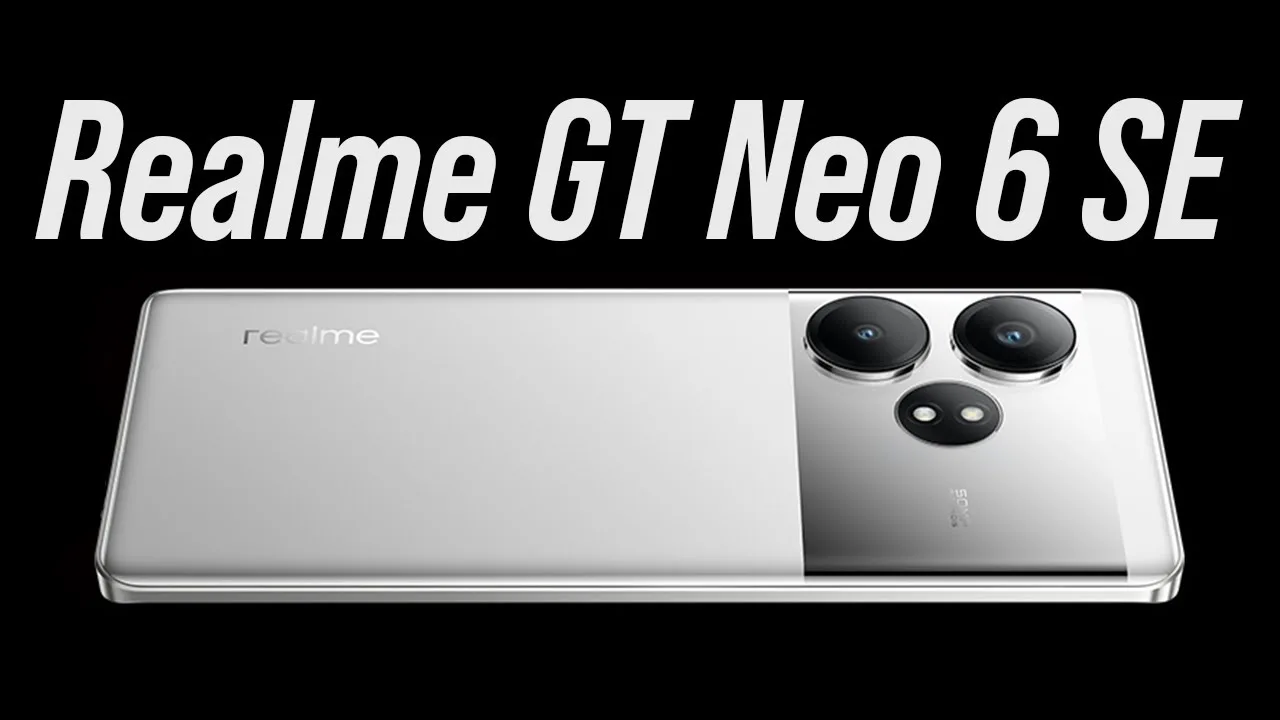
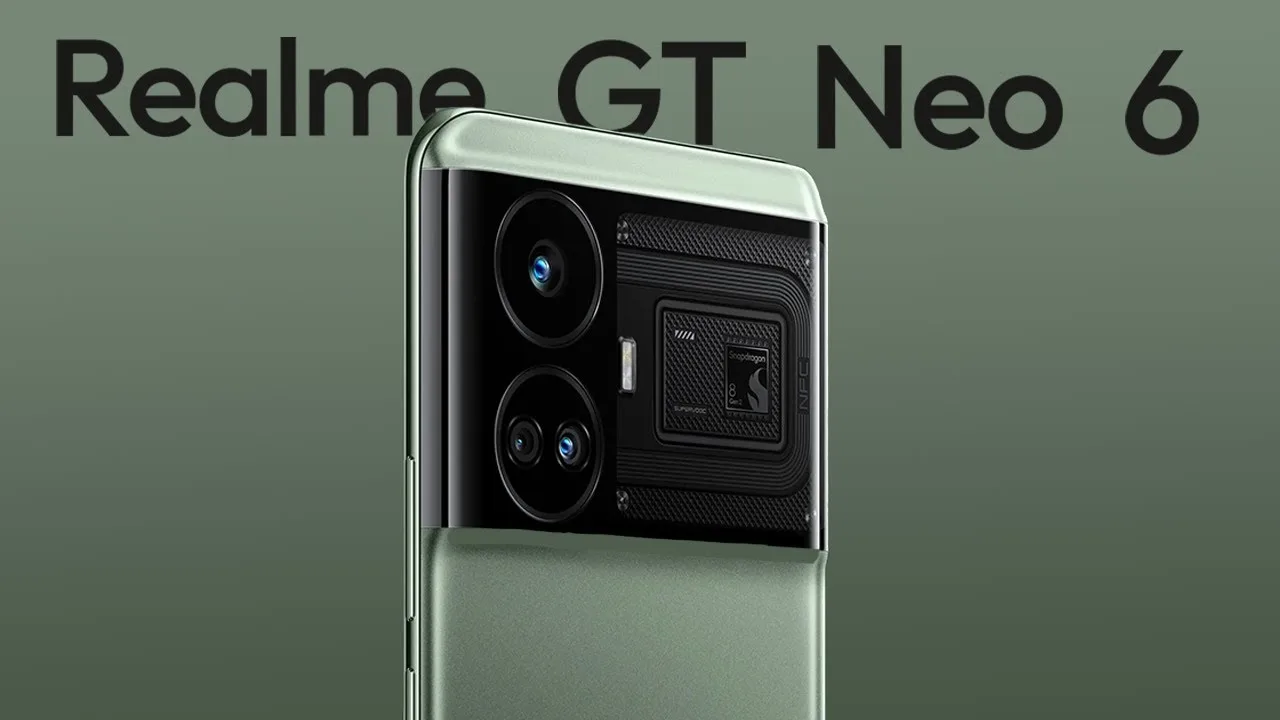
    The Realme GT Neo 6 could possibly be a killer in the smartphone in the market with premium specifications and features at very pocket-friendly prices. With Android v14, an in-mold design, and a strong Snapdragon 8s Gen3 chipset, this device promises high-end performance to users without having them break their wallet.

    Thanks to its brilliant display, fast charging, and multi-functional camera, the GT Neo 6 is capable of ensuring an awe-inspiring user experience.

    Realme GT Neo 6 Display and Design

    • Realme GT Neo 6 comes with a 6.78-inch LTPO AMOLED display, which will provide high-resolution quality for sharp and outstanding visuals. Thus, the screen will offer a resolution of 1264 x 2780 pixels along with a pixel density of 450 ppi, which will enable users to receive a quality display with a great visual experience.
    • It does feature HDR, with a peak brightness of 6000 nits to ensure that what’s on screen can be seen properly, even in bright sunlight. A contrast ratio of 5,000,000:1 adds depth and detail for good visuals for users, this means ideal media consumption and decent gaming.
    • Now, the 120Hz refresh rate, along with a 360Hz touch sampling rate, finally results in fluid scrolling and responsive touch input.
    • It does feel premium measures 8.7 mm thick and weighs 191 g, thanks to the in-display fingerprint sensor for both security and convenience.

    Realme GT Neo 6 Performance and Hardware

    The Realme GT Neo 6 is fitted with a Qualcomm Snapdragon 8s Gen3 chipset with a 3 GHz octa-core processor. Indeed, this is a serious combination that would ensure seamless heavy applications, multitasking, and gaming.

    It is coupled with 12 GB of RAM for enough memory to allow the performance to become smooth and 256 GB of inbuilt storage, which should also be satisfactory on most occasions for an average user. However, there is no support for expandable storage via a memory card.

    Operating on Android v14, the GT Neo 6 is capable of presenting the latest features and optimizations for a more modern and efficiently operating UI.

    Realme GT Neo 6 Camera

    • The Realme GT Neo 6 features a dual rear camera setup that includes a 50 MP main sensor with Optical Image Stabilization, capable of clicking detailed and stable images.
    • Additionally, there is an 8 MP secondary camera for variety in shooting options, although that particular secondary camera is rated as mediocre considering the phone’s price bracket.
    • The device can record 4K videos at 30fps, allowing easy shooting of high-definition videos.
    • On the front, the phone features a 32 MP camera for selfies and video calls. For most users, the quality has been average and decent. The addition of the IMX882 sensor further enhances the low-light performance of the camera.

    Realme GT Neo 6 Battery and Charging

    • The Realme GT Neo 6 draws its power from a massive 5500 mAh battery, amply sufficient to see users through a whole day of heavy use.
    • Some of the key highlights include 120W Super Dart Charging, which quickly charges the device to reduce as much downtown as possible. It is very useful for fast charging, especially when users are always on the move.
    • Besides this, it does offer support for 5W reverse charging, which might be useful in an emergency where other small devices need to be charged.

    Realme GT Neo 6 Price and Availability

    The Realme GT Neo 6 is tipped to be priced at ₹24,999, and that makes it an interesting prospect for anyone looking at high-end features at a mid-range price. Advanced hardware, with a high-refresh-rate display and fast charging technology, makes it a strong contender in the segment.

    Also Read: Oppo A3X 4G: Budget-Friendly Powerhouse with Sleek Design and Impressive Features

  • 5 Most Fuel Efficient Diesel Cars full list in 2024

    5 Most Fuel Efficient Diesel Cars full list in 2024

    5 Most Fuel Efficient Diesel Cars: Fuel efficiency in vehicles has garnered a lot more attention than before, for a number of reasons – the most important of them being the constant rise in fuel prices.

    While fuel consumption or mileage of a car may not be the only factor to look at before buying a car, it is certainly one of the most important features of a vehicle that plays a role in its performance.

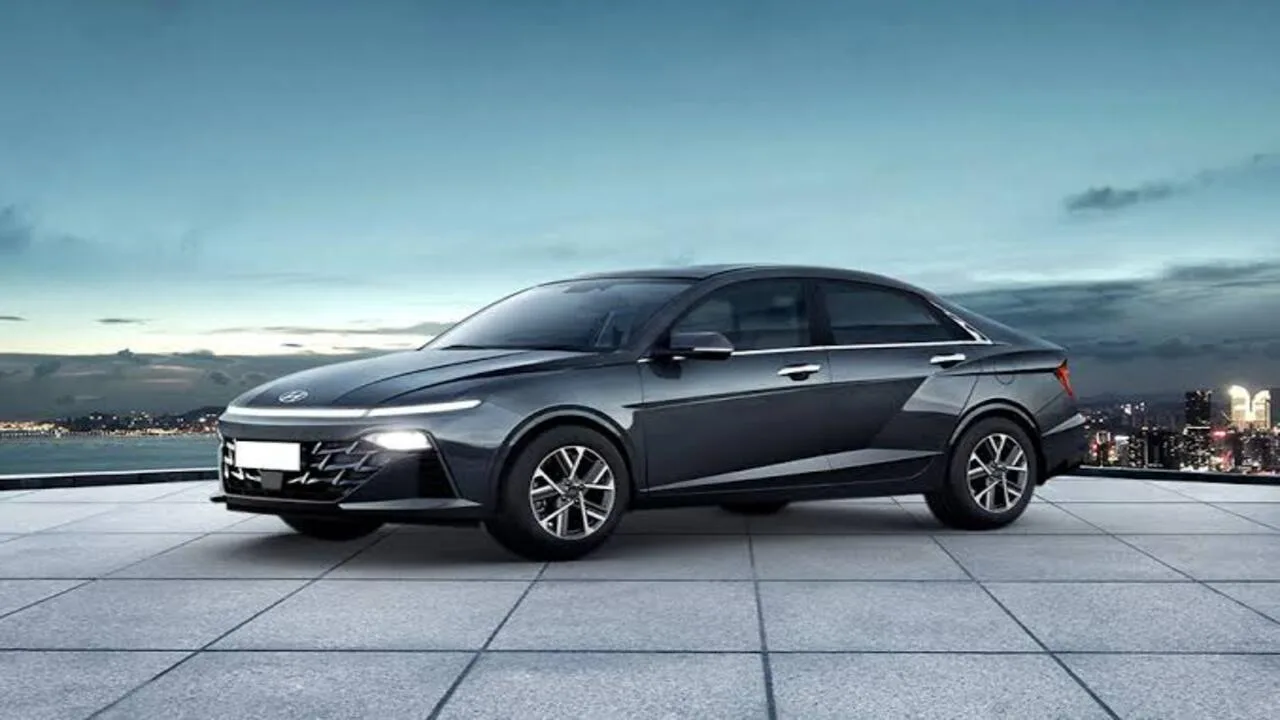
    Hyundai Verna | Mileage: 25 kmpl

    The Hyundai Verna is the only sedan in the segment to feature a 1.5L U2 CRDi diesel engine that also powers other top vehicles like the Creta, Seltos, and Venue. Moreover, this engine is available with a 6-speed manual or a 6-speed automatic transmission, and the manual version has a mileage of 25 kmpl.

    Kia Sonet | Mileage: 24.1 kmpl

    The Kia Sonet is equipped with a 1.5L CRDi engine and is available with both manual and automatic gearbox options. Additionally, it is the most economical Kia vehicle in India. It generates of 81.86bhp at 6000rpm and a peak torque of 115Nm at 4200rpm power.

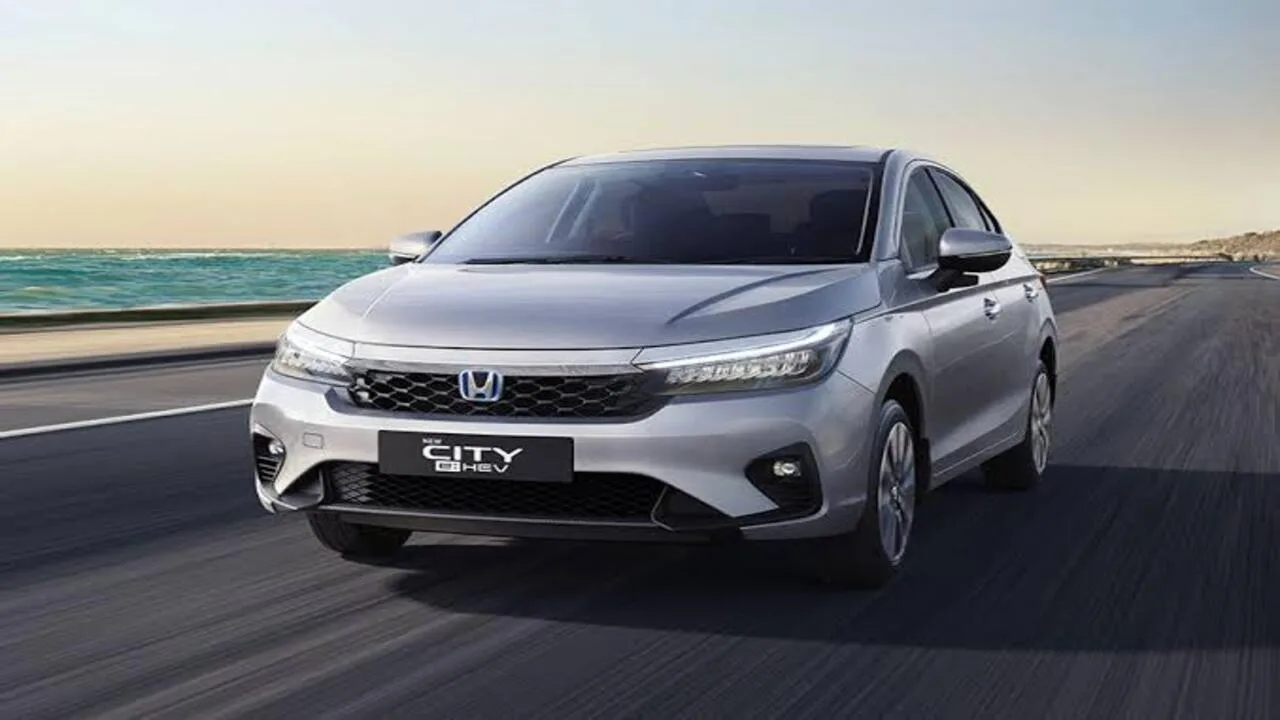
    Honda City V Diesel | Mileage: 24.1 kmpl

    The Honda City is often considered as one of the most fuel efficient diesel cars in India and is praised for its excellent features. The Honda City is contain a 1.5L diesel engine, has a boot space of 506 litres and offers a 6 speed manual transmission only. Additionally, it also has a peak torque of 200Nm at 1750rpm and a peak power of 97.89bhp at 3600rpm.

    Tata Nexon | Mileage: 21.5 kmpl

    Another SUV that deserves a mention in this list of most fuel efficient diesel cars in India is the Tata Nexon.
    It comes with a turbocharged diesel engine, which has been updated with BS-VI emission standards. It generates a power of 110PS and 260Nm of torque. Some of the most attractive features of this car include a digital instrument cluster, ABS, dual front airbags, an electronic stability program, etc.

    Maruti Suzuki S-Cross | Mileage: 25 kmpl

    This is one of the most fuel-efficient diesel cars in India from Maruti, offering top-notch performance in terms of fuel efficiency and power. The car is powered by a 1.3-litre diesel engine that is capable of generating 89Ps of power along with 200Nm of torque. However, you should note that the diesel variant of the car is only available with BS-IV emission standard.

  • Mahindra Thar EV: A New Era of Off-Road Adventure

    Mahindra Thar EV: A New Era of Off-Road Adventure

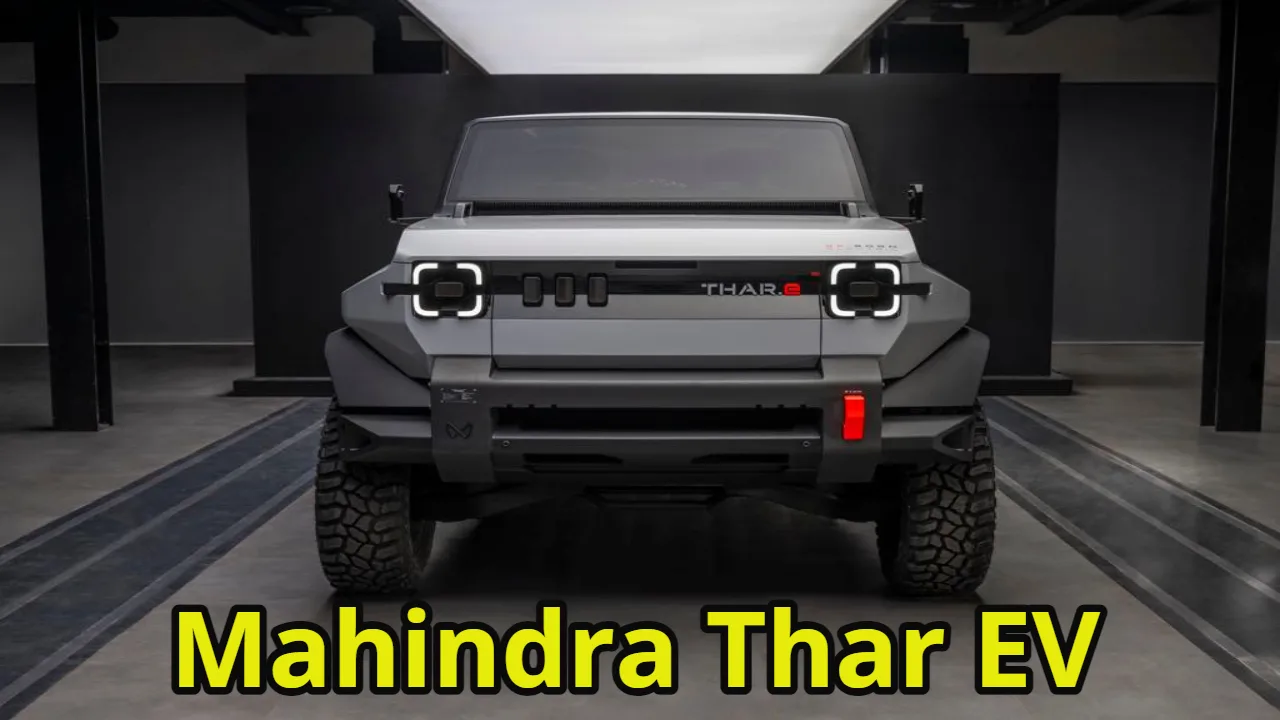
    Mahindra has filed a patent in India for the Thar electric SUV concept design, which is set to be released in 2026. On August 15, the all-electric idea made its debut at this year’s Indian Independence Day event in Cape Town, South Africa.

    Mahindra has been synonymous with rugged, go-everywhere motors, and the Thar has long been its crown jewel.

    With the automobile world transferring in the direction of electric-powered mobility, Mahindra is reinventing its conventional off-roader with the Mahindra Thar EV.

    This electric variation aims to combo the Thar’s mythical functionality with the sustainability of electric energy, making it an exciting proposition for journey fans and environmentalists alike.

    Design: Modern Yet True to Its Roots

    The Mahindra Thar EV keeps the iconic profile that has made the Thar a household call.

    The boxy shape, extensive stance, and signature seven-slat grille are all there, however with present-day tweaks to set it aside as a forward-searching electric vehicle.

    Expect aerodynamic upgrades, extraordinary LED lights, and perhaps even a reimagined front face to deal with the EV powertrain.

    Inside, the Thar EV is likely to offer a greater delicate and tech-savvy cabin, with features like a big touchscreen infotainment device, virtual device cluster, and premium materials.

    Performance: Electric Power Meets Off-Road Prowess

    What makes the Thar unique is its off-road capability, and the Thar EV is expected to take this to the next degree.

    With an electric-powered motor presenting instantaneous torque, the Thar EV may want to supply even more marvelous off-road performance than its petrol and diesel counterparts.

    Mahindra is probably to equip it with a twin-motor setup for all-wheel force, ensuring that it remains unstoppable on hard terrains.

    The predicted variety might be around 300-400 kilometers on a full fee, making it sensible for each city drive and weekend adventures.

    Sustainability Meets Adventure

    Mahindra’s selection to impress the Thar aligns with the worldwide push in the direction of cleaner mobility.

    The Thar EV will likely characteristic sustainable substances in its production, underscoring Mahindra’s dedication to reducing its environmental footprint.


  • Fuel-Efficient Marvels: Top 4 Cars for Maximum Mileage in 2024

    Fuel-Efficient Marvels: Top 4 Cars for Maximum Mileage in 2024

    Top 4 Cars for Maximum Mileage in 2024: People who buy cars are very concerned about the mileage and fuel efficiency of the new car they are going to buy. In such a situation, today we are going to tell you about the price and mileage of the top 5 most fuel efficient cars of 2024, so that you can feel comfortable while buying a new car.

    Maruti Suzuki Celerio

    Price: price of Celerio is between Rs 5.37 lakh and Rs 7.05 lakh.

    Engine and Transmission: It has a 1-litre petrol engine (67 PS/89 Nm), which is available with a 5-speed manual or 5-speed AMT. The CNG variant, which is available only with a 5-speed manual, generates 57 PS and 82 Nm, and has a 60-litre (equivalent to water) CNG tank.

    Claimed fuel efficiency:

    • Petrol MT: 25.24 kmpl (VXi, LXi, ZXi)
    • Petrol AMT: 26.68 kmpl (VXi)
    • CNG: 34.43 km/kg

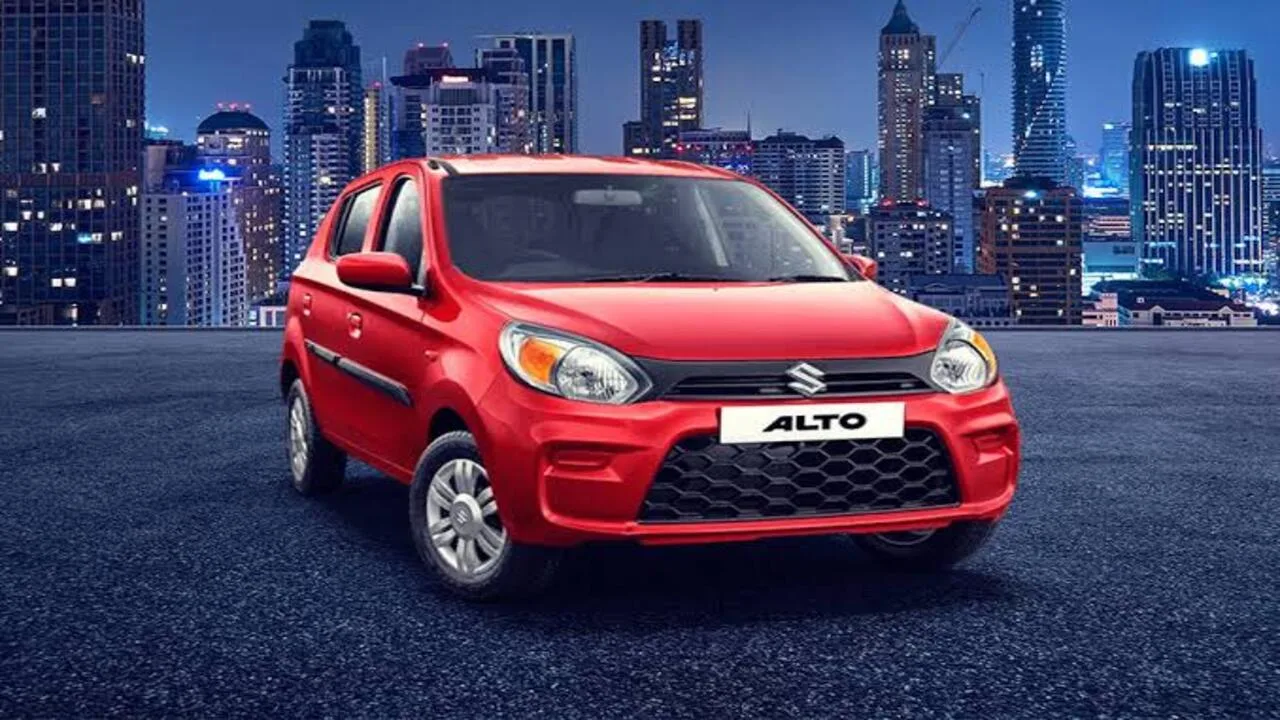
    Maruti Suzuki Alto K10

    Price: It is priced from Rs 3.99 lakh to Rs 5.96 lakh.

    Engine and Transmission: It gets a 1-litre DualJet petrol engine that generates 67 PS and 89 Nm. This engine can be paired to a 5-speed manual or a 5-speed AMT. Additionally, a CNG variant is also available with outputs of 57 PS and 82 Nm, which is exclusively paired with a 5-speed manual transmission. The CNG variant also features idle engine start/stop technology.

    Claimed fuel efficiency:

    • Petrol MT: 24.39 kmpl
    • Petrol AMT: 24.90 kmpl
    • LXi CNG: 33.40 km/kg
    • VXi CNG: 33.85 km/kg

    Maruti Wagon R

    Price: The price of Wagon R is between Rs 5.55 lakh and Rs 7.33 lakh.

    Engine and Transmission: The Wagon R comes in two petrol engine options: a 1-litre unit that produces 67 PS and 89 Nm and a 1.2-litre unit that produces 90 PS and 113 Nm, both paired to a 5-speed manual transmission or a 5-speed AMT. The CNG powertrain produces 57 PS and 82 Nm, and comes only with a manual gearbox.

    Claimed fuel efficiency:

    • 1-litre MT: 24.35 kmpl
    • 1-litre AMT: 25.19 kmpl
    • 1-litre CNG: 33.47 km/kg
    • 1.2-litre MT: 23.56 kmpl
    • 1.2-litre AMT: 24.43 kmpl

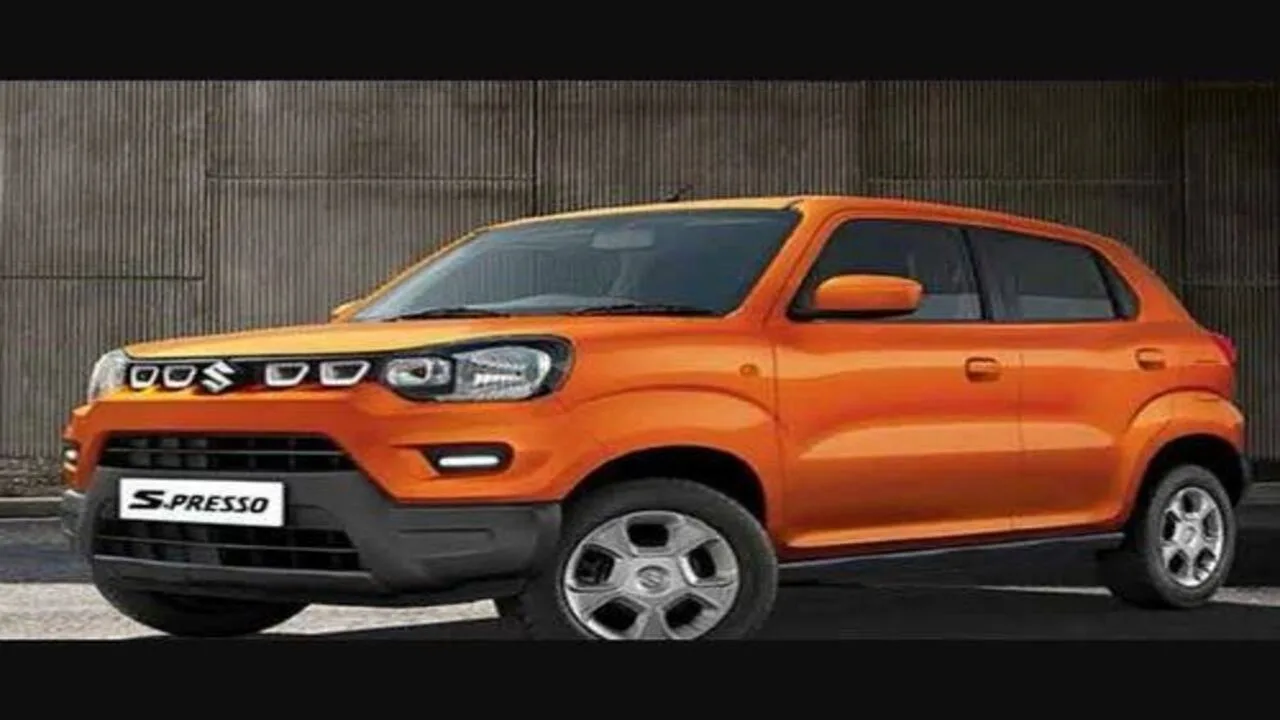
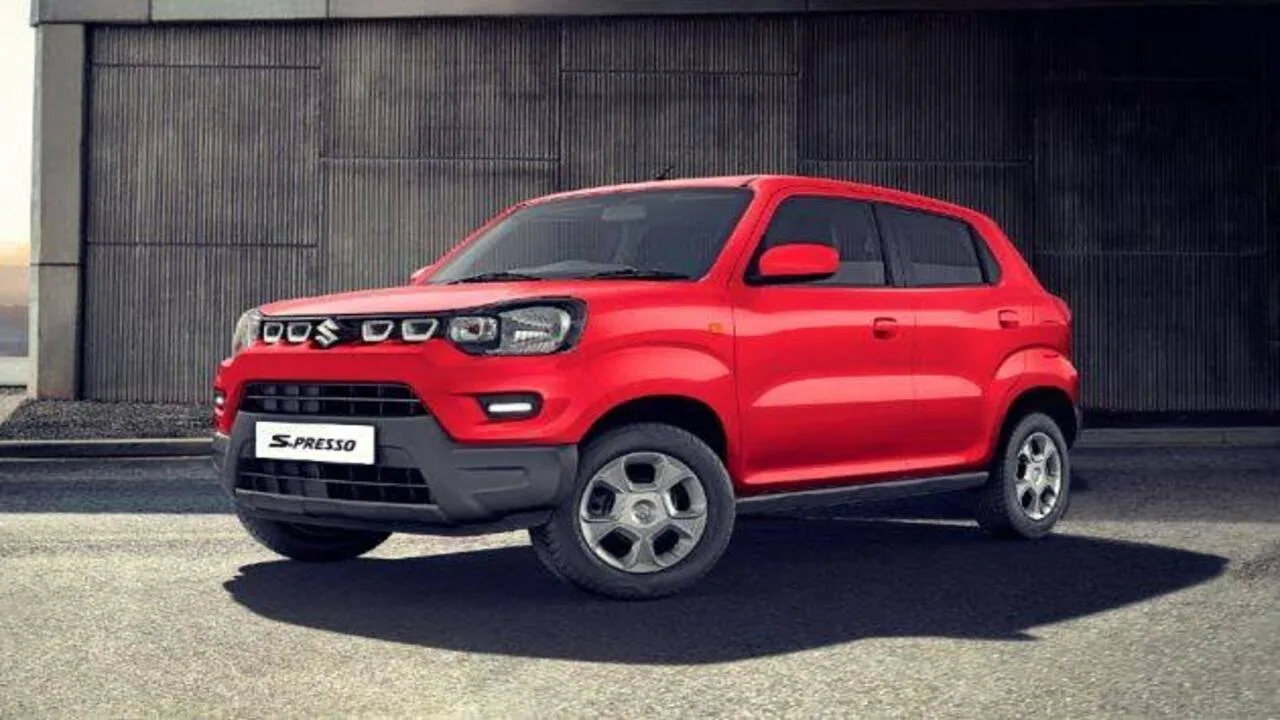
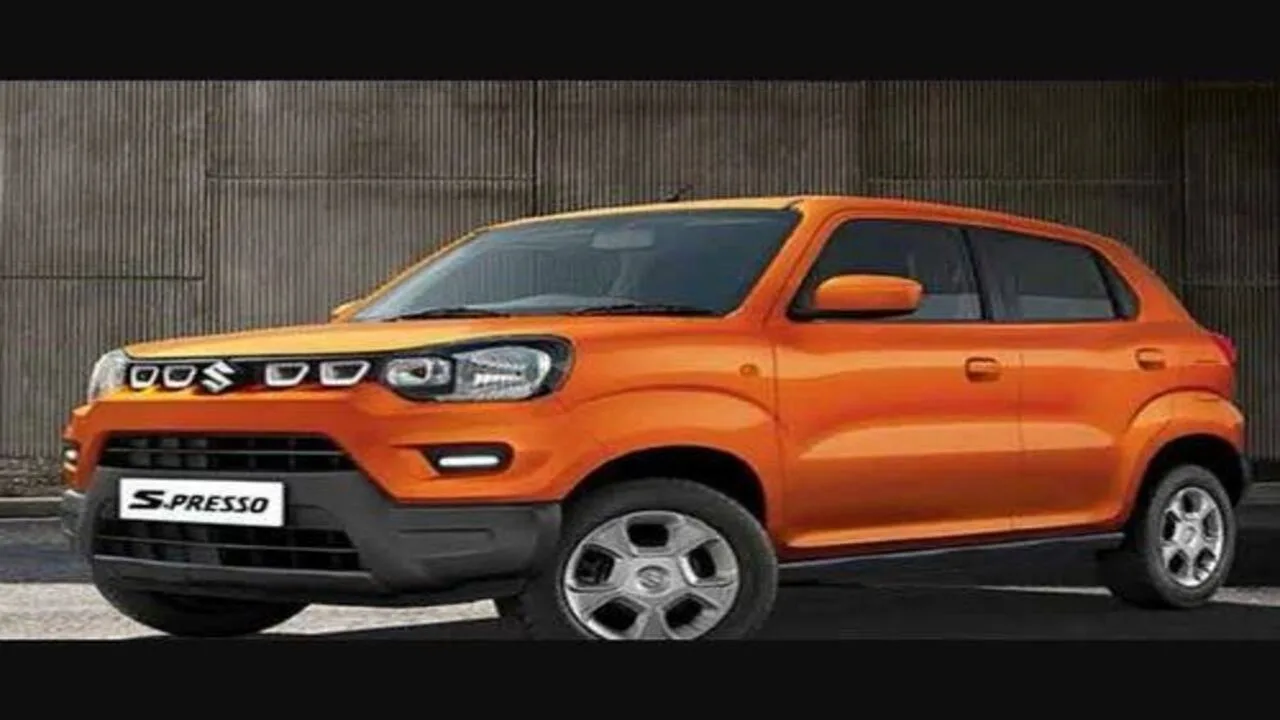
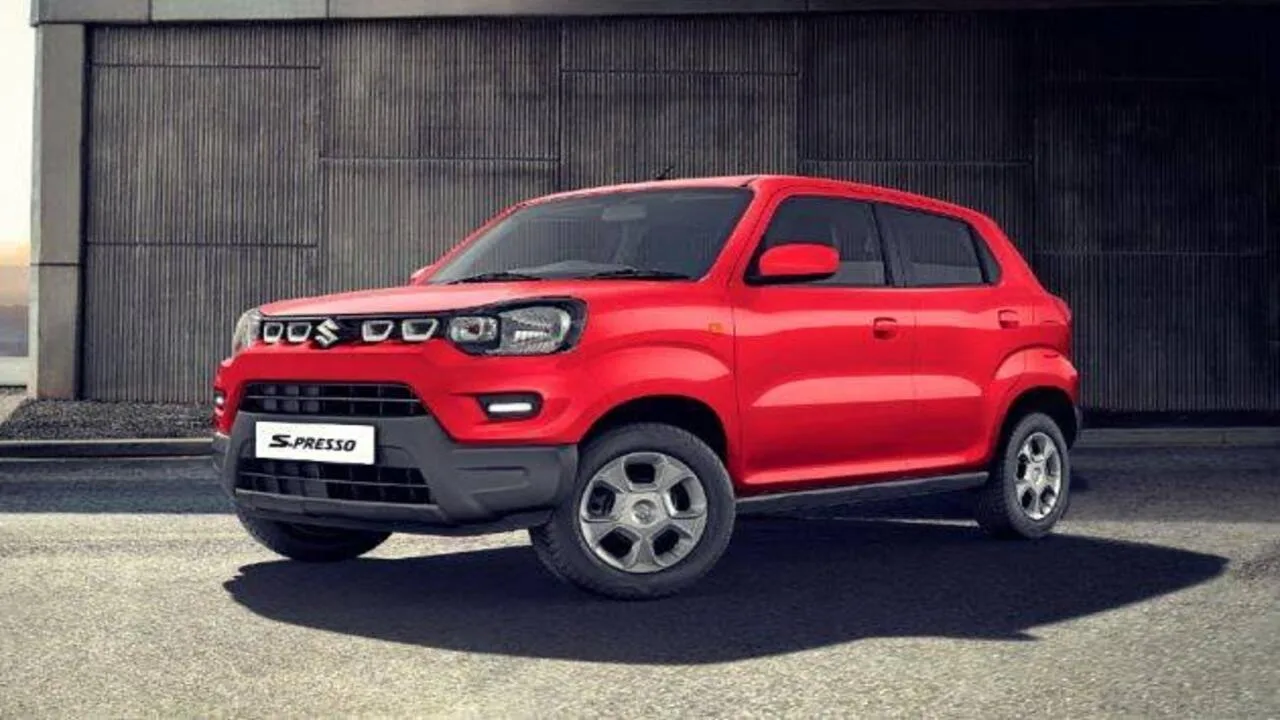
    Maruti S Presso

    Price: S presso starting price from Rs 4.27 lakh and goes up to Rs 6.12 lakh (ex-showroom Delhi).

    Engine and transmission: The S-Presso is powered by a 1-litre petrol engine (67 PS/89 Nm), which is available with a 5-speed manual or a 5-speed AMT.

    Claimed fuel efficiency:

    • Petrol MT: 24.12 kmpl (Std, LXi) and 24.76 kmpl (VXi, VXi+)
    • Petrol AMT: 25.30 kmpl [VXi(O), VXi+(O)]
    • CNG: 32.73 km/kg

  • Decoding Indian Government’s Electric Vehicle Incentives: A Comprehensive Guide

    Decoding Indian Government’s Electric Vehicle Incentives: A Comprehensive Guide

    This is also partly because the Indian government has actively advocated the idea of electric cars, blending this into commitments towards the reduction of carbon emissions and sustainable transportation. In this light, it has come up with different types of incentives and schemes just to persuade its citizens to switch to the new electric cars.

    These incentives make electric cars more viable and attractive to consumers. Below, we go in-depth into the various forms of incentives available, their impact on the EV market, and other vital information that every potential EV buyer needs to know.

    Financial Subsidies and Incentives

    FAME-II Scheme: The Faster Adoption and Manufacturing of Hybrid and Electric Vehicles, commonly known as FAME II, is one of the significant schemes undertaken by the Government of India to support the adoption of electric vehicles. This scheme does considerable subsidy on the purchase of an electric car. These incentives are focused on bringing down the upfront cost of electric vehicles to make them affordable for as many consumers as possible.

    Income Tax Benefits: The government of India has gone a step ahead to encourage people buying electric vehicles by providing an income tax deduction for an amount paid as interest on loans taken to purchase electric vehicles. A maximum deduction of Rs. 1.5 lakh is available under Section 80EEB of the Income Tax Act, thus making the financing for EVs more lucrative.

    State Subsidies: Besides the subsidies provided by the central government, different state governments of India also encourage electric car buyers with extra subsidies. For example, states like Delhi, Maharashtra, and Gujarat offer additional sops in the form of exemptions on payment of road tax and registries, which brings down the cost of usage of an EV even more.

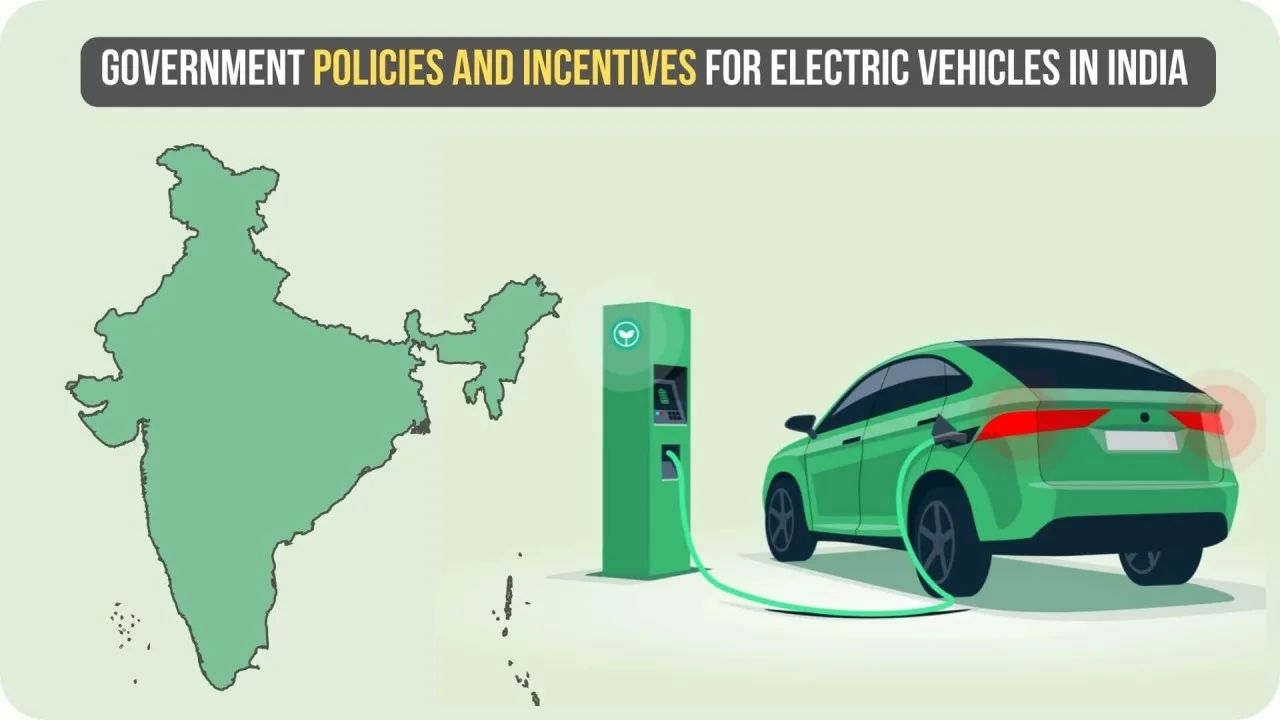
    Electric Vehicles in India Government Policy and Incentives boost manufacture and Sales.


    Charging Infrastructure and Support

    Charging Infrastructure Subsidy: The government of India gives a subsidy for erecting public charging stations to overcome the barrier of charging infrastructure. It is done to minimize range anxiety amongst the users of EVs and will therefore promote large-scale adaptation of electric cars.

    Privately Charged Support: Some state governments provide incentives toward the installation of a private charging station at residences or workplaces. This form of support makes the process quite easy for an individual to install charging points, thereby enhancing convenience in owning electric vehicles.

    Policy Support and Regulatory Benefits

    Priority Registration: Electric vehicles are often given priority in registration processes, with some states offering special registration numbers or green license plates to signify their eco-friendly status.

    Exemption from Certain Restrictions: Electric vehicles are exempt from certain restrictions in many Indian cities, where their internal combustion engine brethren need to conform. For instance, most places with high pollution allow electric vehicles to bypass the odd-even rules in place.

    Urban Planning and EV Zones: Special EV zones are part of the urban planning approach of some cities; some offer benefits like free parking. The whole idea of this is part of a larger game plan to reduce the pollution in the cities and encourage people towards cleaner modes of transportation.

    Long-term Impact – Future Prospect

    Boosting the EV Market: Government incentives have proved to be a strong impetus toward the electric vehicle market in India. In addition, the reduced cost of ownership, along with the improvement of charging infrastructure, has turned EVs into an attractive replacement for conventional modes of transport. Increased sales translate to growing visibility for electric vehicles on Indian roads.

    Sustainability Goals: By promoting electric vehicles, the Government of India is also working in tandem with its goals of sustainability. A reduction in carbon emissions, along with reducing dependence on fossil fuels, adds to India’s broader environmental goals that also include commitments under the Paris Agreement.

    Encouragement towards Domestic Manufacturing: The incentives, at the same time, will act as encouragement towards domestic manufacturing of electric vehicles and their components. This will help not only in bringing the cost of EVs down but also encourage job creation and technological development within the country.

  • Upcoming Electric Cars in India: What to Expect – MG Windsor EV, Kia EV9, and BYD Seagull

    Upcoming Electric Cars in India: What to Expect – MG Windsor EV, Kia EV9, and BYD Seagull

    Upcoming Electric Cars in India: This will be the beginning of the big expansion of electric vehicle products in the Indian market with new launches by leading brands such as MG, Kia, and BYD.

    Here, we explore key specifications, features, pricing, and other important details about the MG Windsor EV, Kia EV9, and BYD Seagull: new upcoming electric cars that have advanced technology, range, and a host of features that have been tuned for the Indian market.

    MG Windsor EV

    Launch and Pricing: The MG Windsor EV is an electric crossover that may appear on the roads in September 2024. It shall fall within a price bracket of ₹25.00 – ₹30.00 Lakh (ex-showroom). MG has already started doing real-world tests of the Windsor EV in India, which could suggest that it is eyeing a possible launch by the end of this year. Positioned above the ZS EV, this will be MG’s third full electric offering in the Indian market.

    Battery and Range: The MG Windsor EV can be expected to offer the Indian market a 50.6 kWh battery pack. This will return a certified range of up to 460 km. With the big-sized battery, this ensures the Windsor EV stays competitive regarding range and keeps up with long-distance travel requirements.

    MG Windsor EV| Soon To Be Launched In India| Check Price Features Review Images| Today News in Hindi| Newstrack Samachar | MG Windsor EV: पथरीले रास्तों पर भी सरपट भागती है MG

    Dimensions and Design: Windsor EV has been designed as a crossover and the dimensions read 4295 mm in length, 1850 mm in width, and 1652 mm in height. The big wheelbase of 2700 mm assures plenty of room inside. It is wider and taller as compared to the rivals like Hyundai Creta.

    Features: MG is known for its feature-packed cars and thus the Windsor EV should not be an exception. It is likely to feature a feature list which may have automatic climate control, big touchscreen infotainment unit, digital instrument cluster, panoramic sunroof, horizontally mounted AC vents and plush seating.

    Kia EV9

    Launch and Pricing: The new Kia EV9 is set to launch on October 3, 2024, while the starting price will be about ₹80 lakh (ex-showroom). It will be a premium electric SUV with a focus on the higher end of the segment due to the perfect blend of luxury and advanced technology.

    Battery, Motor and Range: The global-spec Kia EV9 will be available with two battery options: a 76.1 kWh and a 99.8 kWh pack. Buyers will get to choose between a rear-wheel-drive set up and an all-wheel-drive configuration. The electric SUV has a maximum WLTP-rated range of over 541 km, which should make it good enough for inter-state travels.

    Features and Safety: The Kia EV9 will boast two 12.3-inch touchscreens, a 5.3-inch climate control display, and even a premium 708-watt 14-speaker Meridian sound system. It shall come with nine airbags, a 360-degree camera, hill start assist, and all kinds of ADAS features, including forward collision avoidance assist and adaptive cruise control.

    BYD Seagull

    Launch and Price: BYD Seagull will hit the Indian market in 2024 with an estimated starting price of ₹10 lakhs. This compact electric hatchback is claimed to be an affordable ingress into the EV market and will be worth a try for budget-conscious buyers.

    Batteries, Electric Motor, and Range: The BYD Seagull will most likely come with two battery pack options of 30 kWh and 38 kWh. These are likely to come mated with electric motors developing 72 PS and 100 PS, respectively. While the smaller battery pack might offer a range of up to 305 km, the bigger one can offer up to 405 km.

    Features: The compact dimensions notwithstanding, the BYD Seagull will come with a decent fit of advanced features. It will get features such as a big touchscreen infotainment system, a fully digital driver’s display, and wireless phone charging to make it a pretty tech-savvy option for city drivers.

  • MG ZS EV vs. Hyundai Kona Electric: Specs, Features, and Price Analysis

    MG ZS EV vs. Hyundai Kona Electric: Specs, Features, and Price Analysis

    With electric vehicles gaining traction in India, MG ZS EV and Hyundai Kona Electric are two of the most promising options in the compact SUV range. These are coming with brilliant features, great performance, long ranges and hence are the right choices for a guilt-free drive.

    The following article compares specifications, safety features, comfort options and prices of the MG ZS EV and Hyundai Kona Electric to help you make up your mind and pick the electric vehicle that is best for your needs.

    Power and Performance

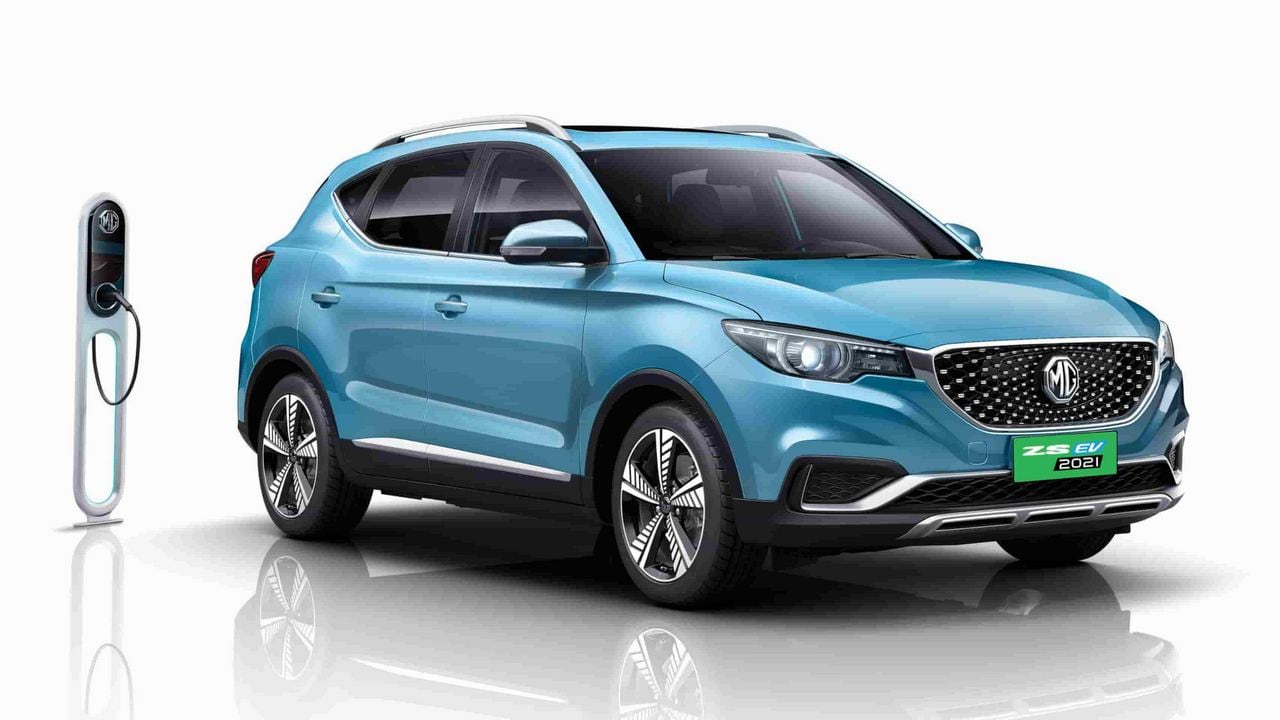
    MG ZS EV: The MG ZS EV draws its power from a PMSM-Permanent Magnet Synchronous Motor that puts out 174.33 bhp of power and 280 Nm of peak torque. MG ZS EV offers 461 km driving range in a single charge, which indeed is its USP and thereby makes it perfect for long drives. The SUV gets a 1-speed automatic transmission with FWD/front-wheel drive configuration for swift and smooth performance.

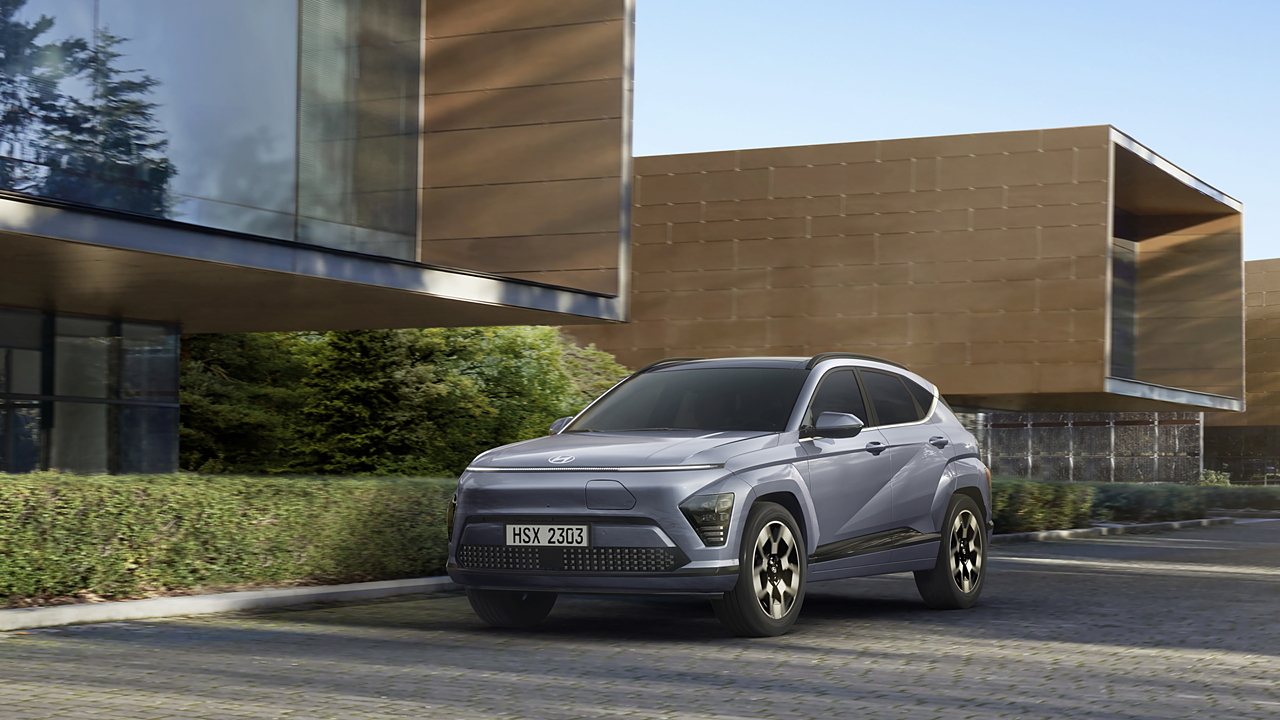
    Hyundai Kona Electric: The Hyundai Kona Electric also uses a Permanent Magnet Synchronous Motor (PMSM) but results in a little lower power of 134.10 bhp, which also comes mated to a strong torque output of 395 Nm. Kona Electric promises a driving range of about 452 km in a single charge with a not-applicable automatic transmission with FWD and thus is never disappointing in regular commute and long drives.

    Safety Features

    MG ZS EV: Safety would be the top priority in this electric avatar that boasts a 5-star Euro NCAP rating. It comes with six airbags, ABS with EBD, Electronic Brake Assist (EBA), and Electronic Stability Program (ESP).

    It also has TPMS Tyre Pressure Monitoring System, Hill Assist, Hill Descent Control, and Level2 ADAS Advanced Driver Assistance Systems to keep people inside the SUV safe. More features include ISOFIX child seat mounts, reverse camera, and engine immobilizer.
    Hyundai reveals all-new Kona EV with 490 km range - CarWale

    Hyundai Kona Electric: The Hyundai Kona Electric gets the same rating of 5-star in the Euro NCAP and also boasts of six airbags. It also comes with a long list of safety features like ABS with EBD, Electronic Stability Program (ESP), and Traction Control (ASR).

    Additional features include Hill Assist, a reverse camera, and seatbelt warning. Though not equipped with ADAS, the Kona Electric has a solid suite of safety features to protect its occupants in case of an accident.

    Interior and Exterior Design
    MG ZS EV updated for 2021; now packs an improved range and increased ground clearance – Firstpost

    MG ZS EV: The MG ZS EV is a style 5-door SUV with fitted R17 wheels, disc brakes at the front, and disc brakes at the back. The sleek body design is supported by a comfortable ride provided by the MacPherson strut suspension at the front and a torsion beam suspension at the rear. The interior of the ZS EV is large, with fabric seat upholstery, ample storage options, rear cup holders, and a driver armrest.

    Hyundai Kona Electric: Coming in with a modern, contemporary design, the Hyundai Kona Electric is relatively compact. In terms of dimensions, it features a length of 4180 mm, 1800 mm in width, and 2600 mm in wheelbase, promising to bear compact yet spacious dimensions.

    This assures fine and settled ride quality through McPherson strut-type suspensions in the front and multi-link suspensions in the rear for optimal aesthetics. Inside the Kona Electric cabin, there are leather seat upholstery, adjustable headrests, and front and rear cup holders.

    Pricing and Value for Money

    MG ZS EV: MG ZS EV is price from ₹20.20 Lakh for the base variant to ₹ 26.62 Lakh for the top variant. It is a great value-for-money affair, mainly because of the advanced feature list and a comparatively longer range.

    Hyundai Kona Electric: The Hyundai Kona Electric makes a mark in the range of ₹23.84 Lakh for the entry and ₹25.38 Lakh for its top variant. Looking a bit expensive compared to the MG ZS EV, it brings a lot in performance and safety measures for a paying buyer looking at a premium electric SUV.
  • Top 5 Luxury Cars in India: A Complete Guide full list

    Top 5 Luxury Cars in India: A Complete Guide full list

    Top 5 Luxury Cars in India: There was a time when people used to buy cars as a hobby. now only rich peoples can buy luxury cars. In this news, we give you a list of top-5 luxury cars that are available in the market, the price of these cars are also in crores.

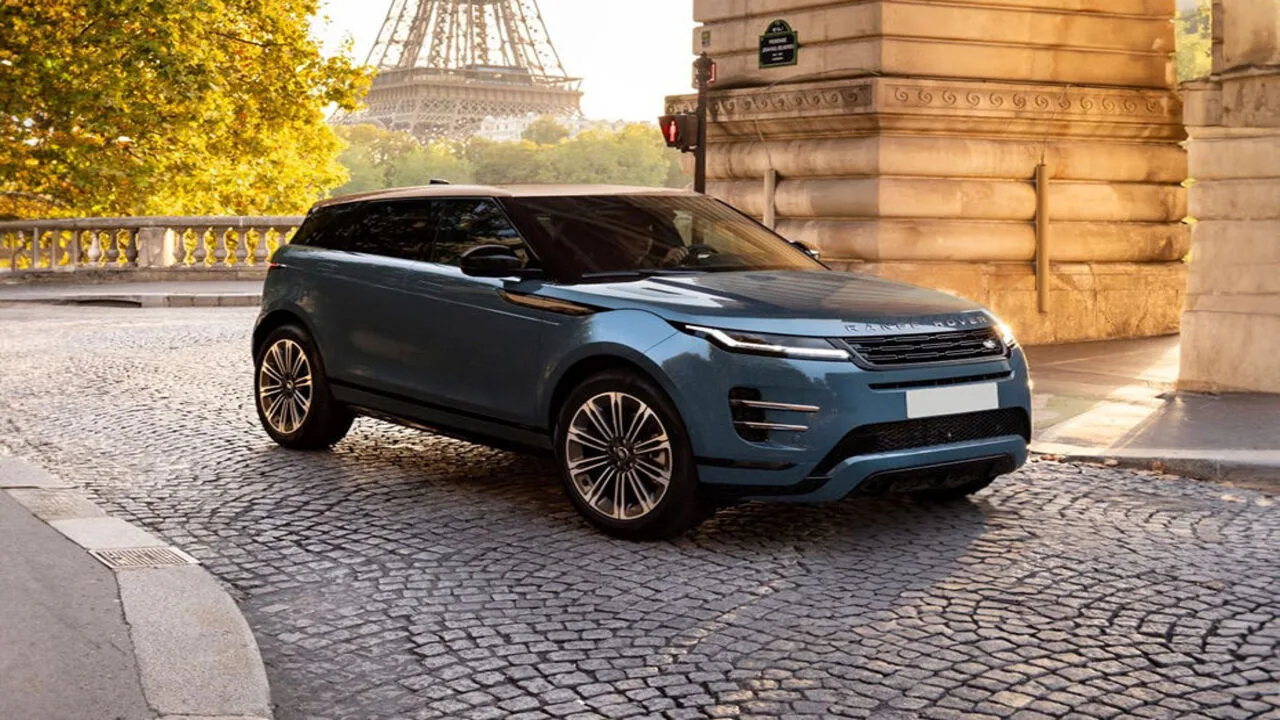
    Range Rover

    Land Rover Range Rover is a luxury SUV. The price of Land Rover starts from Rs 2.39 crore and goes up to Rs 4.17 crore.

    This car is available in 5 variants:
    SE
    HSE
    Autobiography
    First Edition
    SV.

    This car is available in 5-seater and 7-seater layouts also.

    BMW 3 Series

    The BMW 3 Series is a 5 seater sedan with a last recorded price of Rs 1.55 lakh. 41.40 – 52.90 Lakh. It has 9 variants and 1995 to 1998 cc engine options and 1 automatic transmission option. The mileage of the BMW 3 Series ranges from 16.11 kmpl to 20.35 kmpl.

    Key features include an integrated housing for dual digital displays (12.3-inch for instrumentation and 10.25-inch for infotainment). Other features include a panoramic roof, 16 speaker, 464 watt Harman Kardon sound system, ambient lighting and wireless phone charging option is also available.

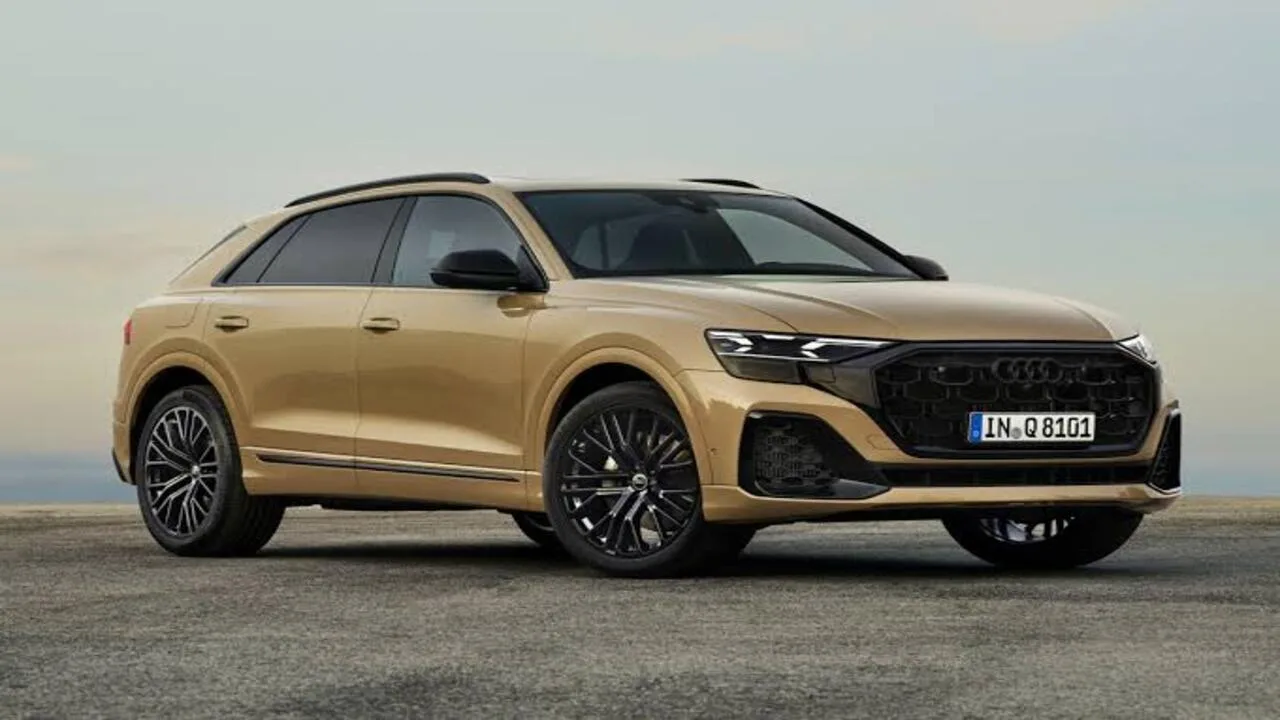
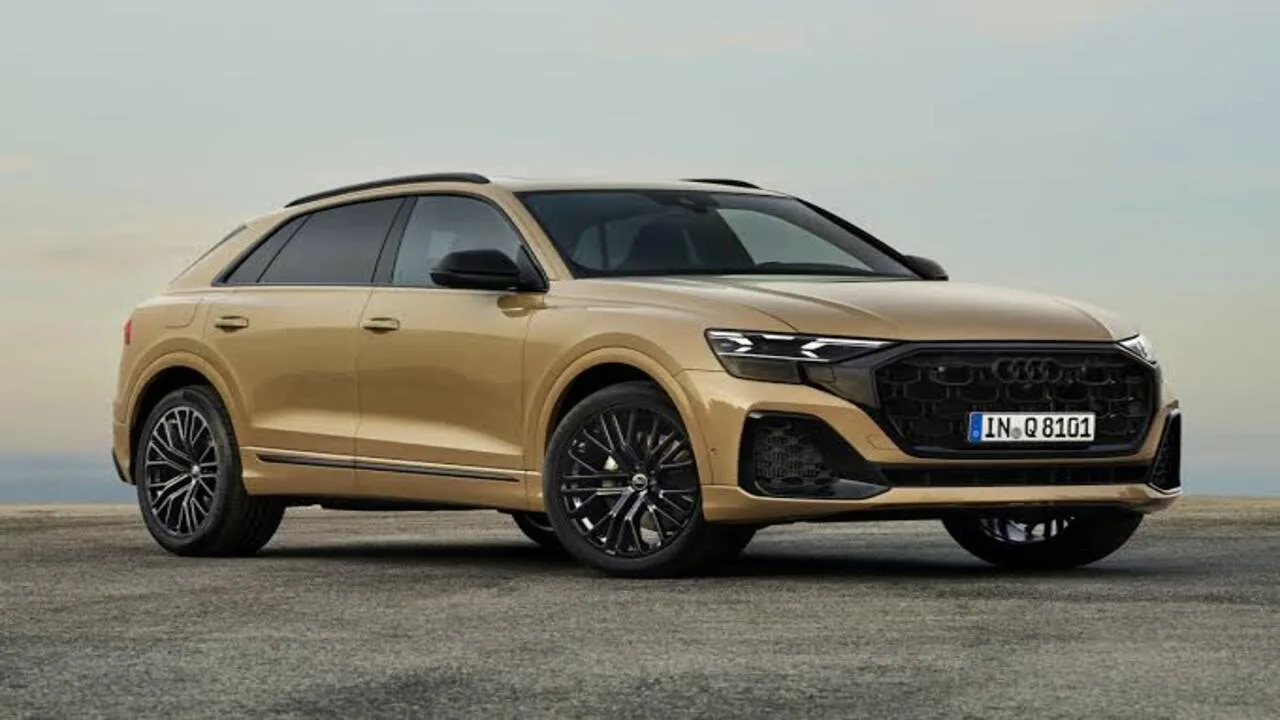
    Audi Q8

    The 5 seater SUV Audi Q8 is priced starting at Rs 1.17 crore. It is available in 1 variant, with a 2995 cc engine and 1 transmission option: Automatic. The Q8 has an NCAP rating of 5 stars and comes with 8 airbags. The Audi Q8 is available in 8 colours. These features include Powered front seats Height adjustable driver seat Cruise control Air purifier Automatic climate control 360 degree camera Sunroof.

    Jeep Wrangler

    The Wrangler is an off-roader with a robust build. It has a spacious cabin with lots of technology and features including ADAS functionality. This Jeep is for those who love extreme adventures beyond the features they get on the roads. The Jeep Wrangler price starts at Rs 67.65 lakh for the base model. Jeep Wrangler starting price is ₹ 67.65 lakh

    BMW X7

    The BMW X7, a three-row luxury SUV, boasts of a strong road presence, advanced technology, and exceptional engine performance. It offers excellent ride quality and agile handling, spacious and high-quality interiors, is feature-rich and includes ADAS functionality for enhanced safety and convenience. The price of the BMW X7 starts at Rs 1.30 crore for the base model

  • Tata Avinya: A Glimpse into the Future of Electric SUVs

    Tata Avinya: A Glimpse into the Future of Electric SUVs

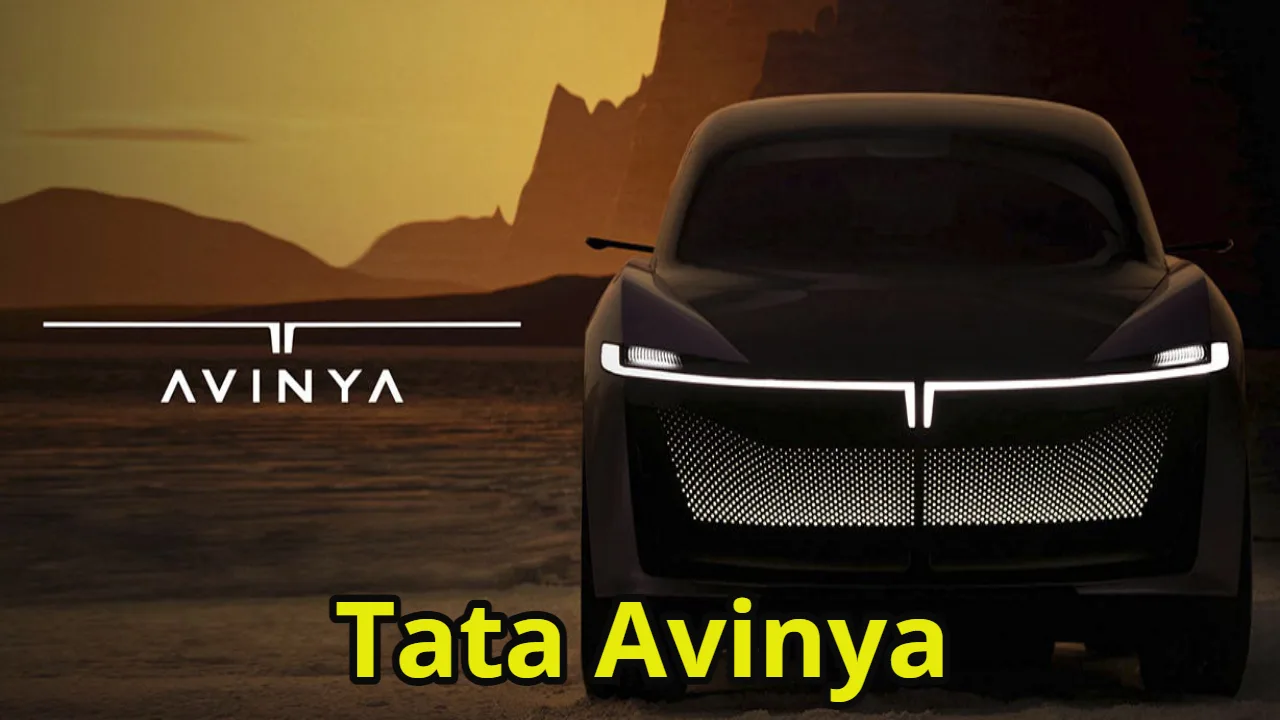
    Tata Motors has introduced its new electric SUV concept Avinya, which is also the debut of the company’s latest Gen 3 platform.

    Tata Motors’s new concept Avinya is a Sanskrit word that means innovation. The carmaker plans to offer several segment-first tech and elements in this new EV.

    The concept also marked the debut of Tata Passenger Electric Mobility Limited’s new brand logo, which shows an LED bar along the width of the model at the front and back and a T in the center.

    Design and Innovation

    The Tata Avinya sticks out with its futuristic design.

    It’s no longer just a car; it’s an statement. The smooth, aerodynamic shape is coupled with a spacious interior that specializes in consolation and comfort.

    The call “Avinya” itself means innovation, and this vehicle lives as much as that call with its superior capabilities.

    The minimalist dashboard, augmented reality heads-up display, and linked technology are just a few highlights that promise a premium experience.

    Sustainability and Performance

    Built on Tata’s new Gen 3 EV platform, the Avinya is designed to be a fully electric-powered car.

    Tata pursues to provide a variety of over 500 kilometers on a single charge, making it a realistic desire for both city and long-distance journeys.

    Tata has incorporated sustainable substances in the creation of the Avinya, showcasing their commitment to decreasing the environmental impact of their cars.

    User-Centric Approach

    Avinya isn’t pretty much just about tech; it’s approximately how that tech can enhance the lives of its customers.

    With a focus on wellbeing and comfort, the automobile comes geared up with an air cleanser, advanced climate control, and customizable seating positions.

    Tata Motors is simply considering the user’s enjoy from the instant they step into the car to the time they reap their vacation spot.

    Conclusion

    The Tata Avinya is a glimpse into the future of electric vehicles with its combo of innovative layout, sustainability, and consumer-centric features, the Avinya sets a new benchmark for what an electric-powered vehicle.

    Tata Motors is mainly taking charge into cleaner, extra efficient future, and the Avinya is a key a part of that journey.